Gold Price Declines By Rs1,400 Per Tola In Local Markets
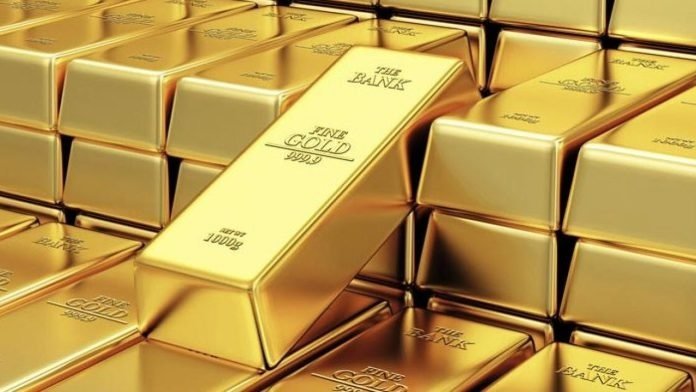
LAHORE — The price of gold experienced a significant decline in both global and local markets on July 10, with a notable drop of Rs1,400 per tola in Pakistan. This decrease comes amid fluctuations in international gold prices, which saw a reduction of $14, bringing the price to $4,100 per ounce. What Happened The local bullion market in Pakistan reported a substantial decrease in the price of gold, which now stands at Rs432,436 per tola following the Rs1,400 reduction. Additionally, the price of ten grams of gold has decreased by Rs1,200, settling at Rs370,744. In contrast, the price of silver per tola has seen a slight increase, rising by Rs11 to Rs6,432. This recent adjustment in gold prices comes after a previous increase noted just a day earlier. On the prior day, the price of 24-carat gold per tola had surged by Rs3,600, reaching Rs433,836, while the price for ten grams of gold had increased by Rs3,086 to Rs371,944. During that period, the price of silver per tola remained stable at Rs6,421. The fluctuations in gold prices are influenced by various factors, including changes in the global economic environment, currency exchange rates, and investor sentiment. The recent drop in gold prices reflects a broader trend observed in international markets, where gold prices have been subject to volatility amid shifting economic conditions. Background Gold has long been considered a safe-haven asset, particularly during times of economic uncertainty. Its price is influenced by a myriad of factors, including geopolitical tensions, inflation rates, and changes in interest rates. Historically, gold prices tend to rise during periods of economic instability as investors seek to protect their wealth. In Pakistan, the gold market is heavily influenced by international trends, given that the country imports a significant portion of its gold. Local prices are often reflective of global market movements, adjusted for currency exchange rates and local demand. Over the past year, gold prices have experienced considerable volatility, driven by global economic challenges, including the COVID-19 pandemic, inflationary pressures, and geopolitical tensions. These factors have contributed to fluctuating investor confidence, impacting both the demand and price of gold. Why It Matters The decline in gold prices has significant implications for various stakeholders, including investors, jewelers, and consumers. For investors, the drop in gold prices may present an opportunity to purchase gold at a lower cost, potentially increasing demand in the short term. However, continued volatility in gold prices could pose risks for those looking to invest in the precious metal as a stable asset. For jewelers and businesses involved in the gold trade, fluctuating prices can impact profitability and inventory management. A decrease in gold prices may encourage consumer purchases, benefiting retailers, but it can also lead to challenges in pricing and stock valuation. Consumers, particularly those planning to purchase gold for weddings or other cultural events, may find the reduced prices advantageous. Gold holds cultural significance in Pakistan, often being given as gifts or used in traditional ceremonies, making its affordability a matter of interest for many families. On a broader scale, the movement of gold prices can reflect underlying economic conditions. A decrease in gold prices might suggest a stabilization of economic factors or a shift in investor confidence towards other asset classes. Monitoring these trends can provide insights into the economic health and future outlook for both Pakistan and the global market. Key Takeaways The price of gold in Pakistan has decreased by Rs1,400 per tola, now standing at Rs432,436. International gold prices have fallen by $14, reaching $4,100 per ounce. The price of ten grams of gold has decreased by Rs1,200 to Rs370,744. Silver prices have increased slightly, with a rise of Rs11 per tola to Rs6,432. Fluctuations in gold prices impact investors, jewelers, and consumers, reflecting broader economic conditions. Source Attribution This article is based on official government statements, press releases, and public communications from relevant authorities. Author: NEN Editorial Desk | Editor: NEN Newsroom | Fact Checked By: NEN Editorial Team Author: NEN Editorial Desk | Editor: NEN Newsroom | Last Updated: July 11, 2026 | Source: NEN Reporter This article was produced by the NEN Editorial Desk in accordance with NEN Agency’s Editorial Policy and Fact-Checking Policy.