2026

World

China-Pakistan Event Highlights Need for UNSC Resolution Enforcement

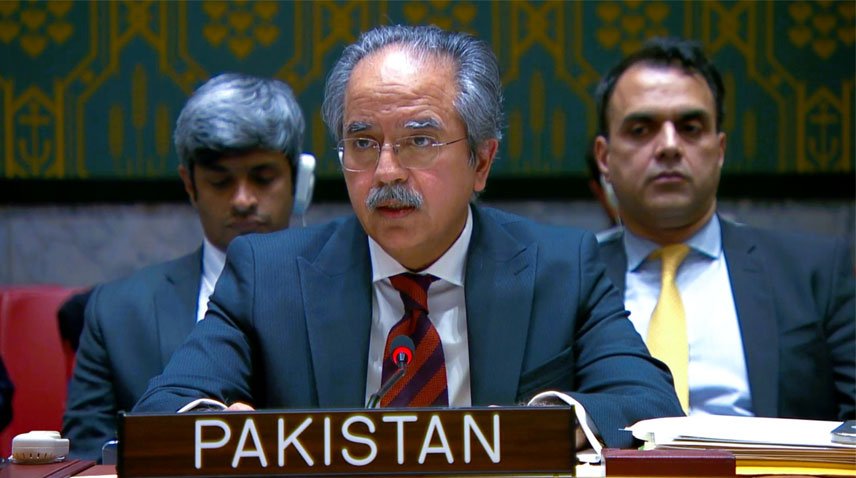
NEW YORK — During an informal meeting at the United Nations Security Council (UNSC) on Tuesday, delegates stressed the critical need for robust enforcement of the Council’s resolutions. They argued that without effective implementation, these resolutions are inadequate. The event featured representatives from China and Pakistan, focusing on enhancing the UNSC’s credibility and effectiveness in maintaining global peace and security. Meeting Highlights The informal meeting was held at the United Nations headquarters and included participation from various international delegates, notably from China and Pakistan. Speakers stressed the importance of consistent enforcement of UNSC resolutions, as inconsistency diminishes their impact. There was a call for stronger mechanisms to monitor and report compliance. A key theme was the need for non-selective implementation of UNSC decisions. Selective enforcement was seen as undermining the Council’s authority and eroding trust among member states. A Pakistani representative noted, “The credibility of the UNSC is at stake if resolutions are not applied equally to all member states.” China’s delegate reiterated these concerns, emphasizing that the UNSC’s effectiveness relies on unbiased mandate enforcement. The call for reform was linked to international relations, where geopolitical interests can affect UNSC resolution application. UNSC Background The United Nations Security Council is tasked with maintaining international peace and security, empowered to issue binding resolutions that member states must implement. However, enforcement consistency has historically varied, attracting criticism and calls for reform to ensure equity and transparency in UNSC operations. Past selective enforcement, particularly involving major powers with veto rights, has led to a lack of accountability and hindered the UNSC’s decisive action in conflicts. Significance of Reforms The discussions at the China-Pakistan event highlight the urgent need for UNSC reforms to enhance its legitimacy and effectiveness. Selective resolution enforcement not only weakens the Council’s authority but also undermines global trust in its conflict management capabilities. For countries like Pakistan, consistent application of UNSC resolutions is critical for regional stability. The call for non-selective enforcement is vital amid ongoing global tensions. As challenges like cybersecurity and climate change arise, the UNSC’s role in addressing them becomes crucial. Fair resolution enforcement is essential for fostering an international cooperative environment. For both Pakistan and China, with vested interests in regional stability, enforcing UNSC resolutions is strategic. The event emphasized the need for collective efforts to address current system shortcomings and work towards equitable global governance frameworks. Key Takeaways The UNSC’s effectiveness is consistently undermined by selective resolution enforcement. Speakers at the event advocated for stronger monitoring and reporting frameworks. The need for non-selective implementation and broad reform was strongly highlighted. Global trust in the UN’s peace management capabilities is affected by inconsistent resolutions. Pakistan and China emphasize the strategic importance of enforcement for regional stability.

Business

National Bank of Pakistan Releases Latest Foreign Exchange Rates

KARACHI — On Wednesday, June 24, the National Bank of Pakistan’s Treasury Management Division released the latest foreign exchange rates. These rates indicate the current buying and selling prices for various international currencies, serving as a crucial reference for businesses and individuals involved in foreign exchange transactions. Updated Exchange Rates The National Bank of Pakistan announced new exchange rates for multiple key currencies. The US dollar, a critical player in global trade, is selling at PKR 278.60 and buying at PKR 278.10. The euro’s rates are set at PKR 316.60 for selling and PKR 316.03 for buying, while the British pound is selling at PKR 367.60 and buying at PKR 366.94. Currencies such as the Japanese yen have selling and buying rates of PKR 1.7245 and PKR 1.7214, respectively. The Swiss franc stands at PKR 343.87 for selling and PKR 343.25 for buying. The Canadian dollar sells at PKR 195.97 and buys at PKR 195.62. Australian dollar rates are PKR 192.34 for selling and PKR 192.00 for buying. Additional Currencies Rates for other currencies include: Swedish krona (SEK 28.56 selling, SEK 28.51 buying) Norwegian krone (NOK 28.38 selling, NOK 28.33 buying) Danish krone (DKK 42.36 selling, DKK 42.28 buying) The updated rates also cover the New Zealand dollar, Singapore dollar, Hong Kong dollar, Korean won, Chinese yuan, Malaysian ringgit, Thai baht, UAE dirham, Saudi riyal, Qatar riyal, and Kuwaiti dinar, reflecting the market’s dynamic nature. Impact of Exchange Rates Exchange rates play a critical role in international trade and finance, affecting import and export costs and influencing inflation and interest rates. As a leading financial institution, the National Bank of Pakistan updates these rates regularly to mirror market conditions and ensure transparency for its clients. Various factors such as economic indicators, geopolitical events, and market speculation can influence these rates. Pakistan’s exchange rates have historically fluctuated due to economic challenges like trade deficits and foreign debt. The State Bank of Pakistan, the central bank, is pivotal in managing the currency’s value through monetary policy and market interventions. Significance of Updated Rates The recent update of exchange rates by the National Bank of Pakistan has substantial implications. For businesses, these rates influence import costs, pricing strategies, and profit margins. Favorable rates can boost competitiveness for exporters in international markets. For the public, rates impact expenses for overseas travel and education. A strong Pakistani rupee makes international costs more affordable. On a broader economic level, exchange rates affect inflation and growth. A depreciating rupee increases import costs, potentially escalating inflation. Conversely, a stable or improving rupee can help stabilize inflation and support the economy. Internationally, Pakistan’s exchange rate management attracts the attention of investors and financial analysts, offering valuable insights into the country’s economic health and policy direction. Key Takeaways National Bank of Pakistan has released updated foreign exchange rates. Key currencies include the US dollar, euro, and British pound. Exchange rates significantly impact import costs and trade dynamics.

Pakistan

Kashmiri Widows Face Ongoing Hardship Amid Conflict

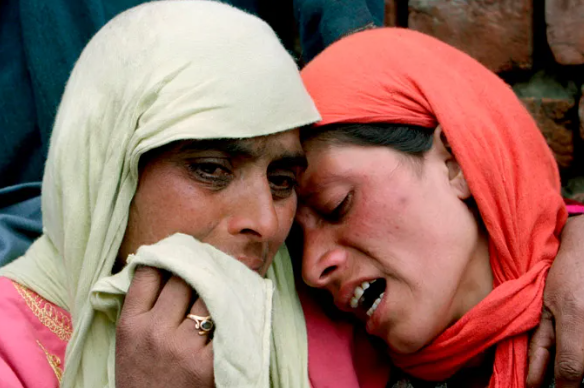
SRINAGAR — Kashmiri widows and half-widows suffer profound hardship amid the ongoing conflict in Indian Illegally Occupied Jammu and Kashmir (IIOJK). Over the past 37 years, the number of women who have lost their spouses to confirmed death or disappearance has surged. This has left thousands grappling with grief and economic uncertainty. The Impact of Conflict The prolonged Kashmir conflict has considerably increased the number of widows and half-widows. These women face economic hardship, social stigma, and psychological trauma. The term ‘half-widows’ describes women whose husbands have vanished without confirmation of their status, increasing their distress and uncertainty. Without formal support or recognition from authorities, these women fend for themselves and their families. The absence of a legal framework addressing their situation exacerbates their plight. Consequently, they struggle to access basic necessities, living in poverty and insecurity. “The pain of not knowing what happened to my husband is unbearable,” said one anonymous half-widow. “Every day is a struggle to survive and provide for my children.” Historical Background The Kashmir conflict traces back to the partition of India and Pakistan in 1947. Both nations claim the region in full but control only parts, resulting in several wars and ongoing skirmishes. This conflict has caused thousands of deaths and disappearances, profoundly impacting civilians. Kashmiri widows and half-widows remain a neglected demographic, with scant attention from local and international spheres. Despite their numbers, no comprehensive policy exists to support or address their needs. This lack of institutional support leaves many vulnerable to exploitation and further marginalization. Humanitarian Concerns The situation for widows and half-widows in Kashmir is a critical humanitarian issue, mirroring broader socio-political challenges. While the conflict leads to loss of life, it also perpetuates poverty and instability cycles. These women’s struggles underscore the urgent need for resolving the Kashmir conflict, affecting millions. Economically, the absence of a male breadwinner forces many to seek work in a region with few opportunities. Often this means taking low-paying, insecure jobs, affecting their families’ future prospects, especially children’s education. Socially, they face stigma and isolation as widowhood is often stigmatized. This societal prejudice can lead to mental health issues, compounding their challenges. At the international level, Kashmir remains contentious between India and Pakistan, with significant regional stability and security implications. Addressing the widows’ needs could aid peace-building efforts. Key Takeaways The prolonged conflict has significantly increased Kashmiri widows and half-widows’ numbers. These women encounter economic hardship, social stigma, and trauma. They lack formal support and legal recognition for their situation. Their plight underscores the need for resolution to the Kashmir conflict. Meeting their needs could support regional peace-building efforts.

Business

Pakistan And Iran Commit To Enhanced Security Cooperation Amid Regional Calm

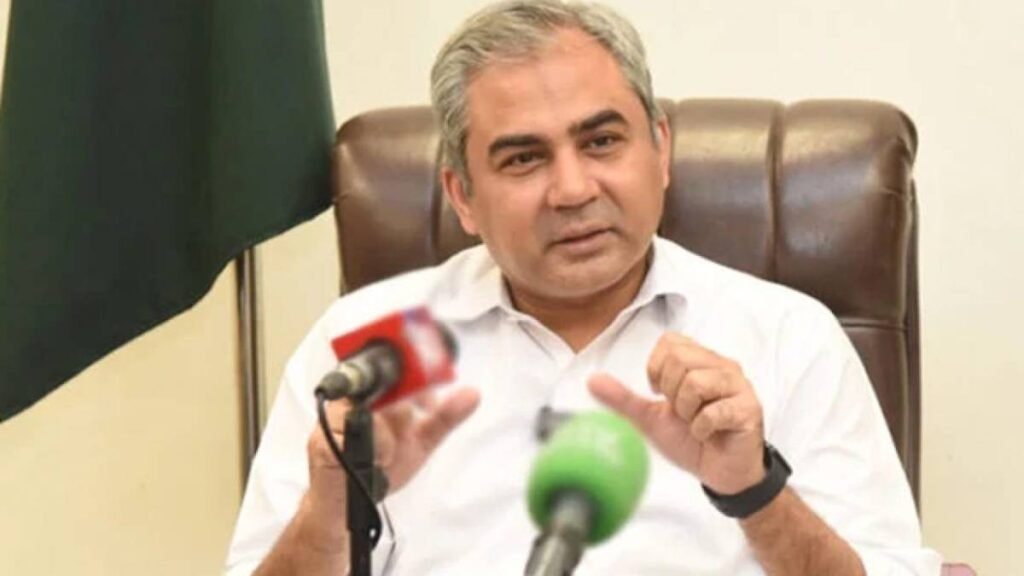
ISLAMABAD — Pakistan and Iran have agreed to enhance their security cooperation as regional tensions ease. This development resulted from talks between Pakistan’s Interior Minister Mohsin Naqvi and Iranian counterpart Eskandar Momeni, centering on security, counterterrorism, cybersecurity, and immigration. Details of the Meeting The interior ministers met to reinforce bilateral ties and address shared security concerns. These discussions follow a recent peace agreement that has stabilized the region. Both aimed to strengthen their collaboration in areas like counterterrorism and cybersecurity. Minister Naqvi stressed the need for joint efforts with Iran to tackle issues such as border security and terrorism. “Our cooperation is crucial for ensuring peace and stability in the region,” Naqvi stated. Momeni agreed, emphasizing the importance of coordinated efforts to secure their shared border. The talks also addressed immigration issues. Both sides recognized the need to manage cross-border movements better, focusing on illegal immigration and improving legal frameworks for people movement between the countries. Historical Context Pakistan and Iran, sharing a lengthy border, have faced challenges like cross-border terrorism and illegal immigration. Various agreements have been made to enhance border security and manage immigration more effectively. The peace agreement has reduced tensions and opened new opportunities for cooperation. Geopolitical factors have influenced Pakistan-Iran relations, including ties with other regional powers. Nevertheless, both recognize the importance of a stable border, leading to ongoing dialogues and cooperative agreements. Significance for the Region This enhanced security collaboration has multiple implications. Economically, it could facilitate trade and commerce, boosting local economies and regional prosperity. The reduction in border tensions might lead to increased investment opportunities, as businesses feel more confident in the region’s stability. Socially, security improvements could enhance the quality of life for border communities who suffer from cross-border conflicts and illegal activities. Addressing these issues can instill a sense of security and stability among the populations. Key Takeaways Pakistan and Iran commit to strengthening security cooperation amidst easing regional tensions. Focus areas include counterterrorism, cybersecurity, and immigration management. Efforts aim at improving border security and tackling illegal immigration challenges. Expected positive economic and social impacts for communities along the border. This collaboration might serve as a model for regional cooperation in addressing common challenges.

Business

Massive Fire Devastates H-9 Bazaar in Islamabad, Shops Reduced to Ashes

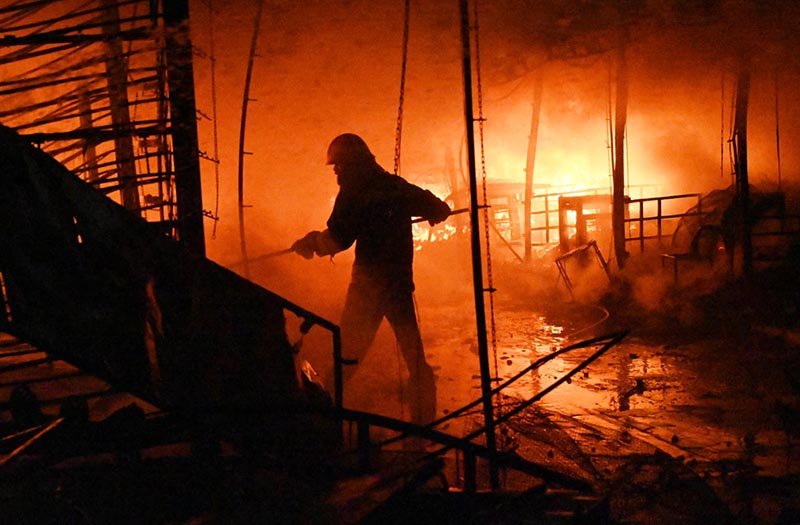
A massive fire erupted at the weekly H-9 Bazaar in Islamabad’s Peshawar Mor on June 23, causing extensive damage to numerous shops and stalls. Firefighters and rescue teams were dispatched to control the blaze, but shopkeepers and vendors were left devastated as their livelihoods were consumed by the flames. Fire Details The fire broke out late at night in the bustling H-9 Bazaar, rapidly spreading through tightly packed stalls and shops. Although the Islamabad fire department and rescue teams responded quickly, the inferno consumed a significant portion of the market. The metal frameworks of shops were reduced to charred remnants, and eyewitnesses reported flames visible from miles away. Shopkeepers watched helplessly as their goods and investments were destroyed. Many, who had been operating in the market for years, face severe financial losses. Initial reports suggest an electrical short circuit may have triggered the blaze. Firefighter Efforts A firefighter at the scene explained, “The fire was extremely challenging to control due to the dense arrangement of stalls and the flammable materials stored within them. We are doing our best to prevent the fire from spreading to nearby areas.” Background of H-9 Bazaar The H-9 Bazaar, also known as the Sunday Market, is a popular shopping destination in Islamabad, attracting thousands of visitors weekly. The market offers a wide range of products, including clothing, electronics, fresh produce, and household items at competitive prices. Managed by the Capital Development Authority (CDA), the market is subject to its infrastructure and safety regulations. Similar incidents have occurred in various Pakistani markets, often due to inadequate safety measures and outdated electrical systems. A lack of a comprehensive fire safety protocol is a recurring problem, with authorities frequently criticized for not enforcing regulations effectively. Economic and Safety Implications The destruction of the H-9 Bazaar significantly impacts the local economy and the livelihoods of many vendors who rely on the market for income. Rebuilding businesses from scratch will be daunting, especially for uninsured vendors. This incident underscores the urgent need for improved safety measures in markets across Pakistan. The recurring nature of such fires reveals systemic issues in market management and safety enforcement. Authorities must prioritize modern fire safety standards and ensure regular inspections to prevent future tragedies. On a broader scale, the incident raises questions about urban planning and infrastructure development in rapidly expanding cities like Islamabad. As urban areas grow, robust safety frameworks become essential for protecting businesses and consumers. Key Takeaways A massive fire destroyed the H-9 Bazaar in Islamabad, affecting numerous shops and stalls. The cause of the fire is suspected to be an electrical short circuit, though investigations are ongoing. The incident highlights the need for improved fire safety measures and enforcement in markets. The economic impact is severe, with many shopkeepers facing significant financial losses. Authorities are urged to implement modern safety standards to prevent future incidents. Source Attribution The information in this article is sourced from the Associated Press of Pakistan (APP).

Pakistan

Iranian President and Pakistani Prime Minister Hold Joint Press Conference

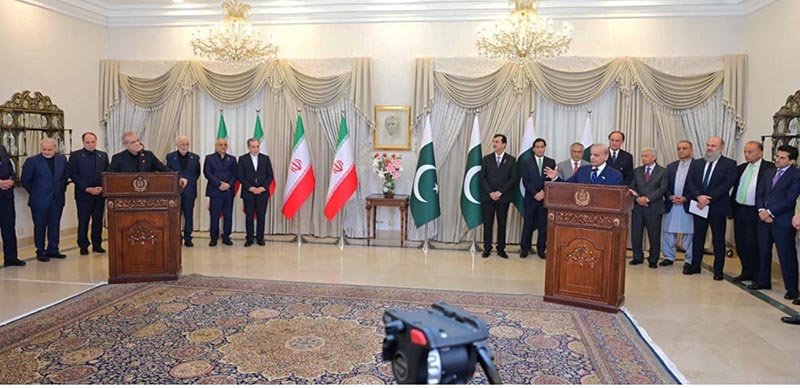
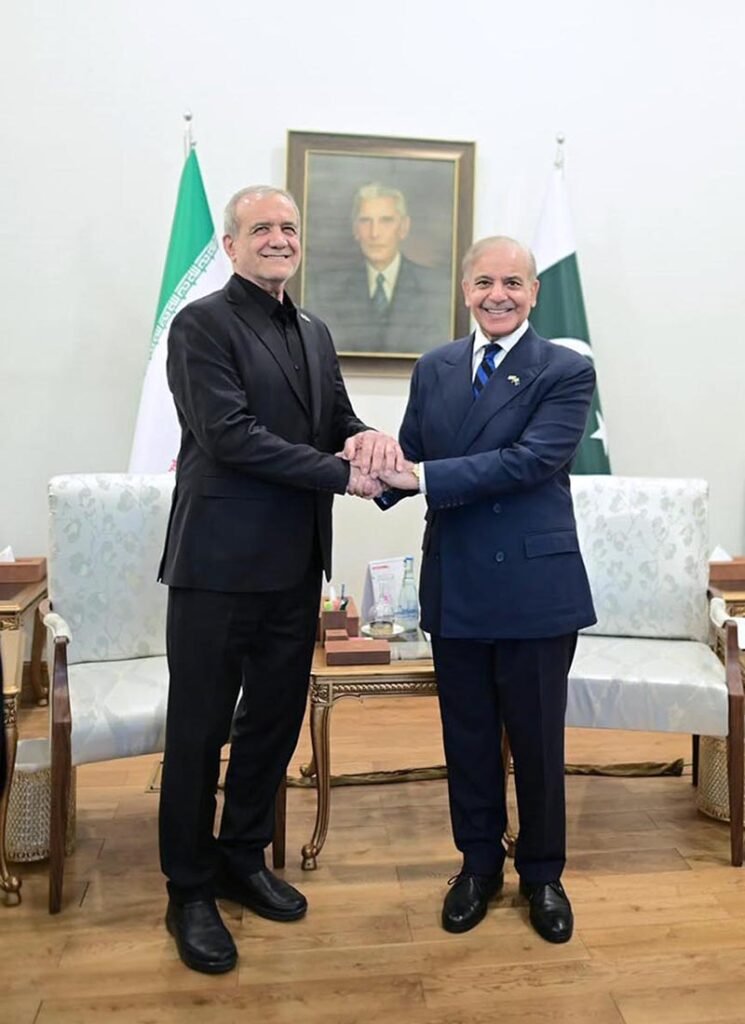
ISLAMABAD — Iranian President Dr. Masoud Pezeshkian and Pakistani Prime Minister Muhammad Shehbaz Sharif held a joint press conference on June 23, 2023, in Islamabad. The leaders discussed bilateral relations and regional cooperation, emphasizing strengthening ties between the two neighboring countries. Highlights of the Press Conference During the conference, President Pezeshkian and Prime Minister Sharif outlined areas of mutual interest, focusing on economic collaboration, energy projects, and regional security. These discussions were part of a broader agenda aimed at enhancing cooperation between Iran and Pakistan. Both leaders committed to fostering a stable and prosperous region. Prime Minister Sharif stated, “Pakistan and Iran share deep historical and cultural ties, and it is imperative that we work together to address common challenges.” He also stressed the need for continued dialogue in trade, investment, and infrastructure development. Energy and Security Focus President Pezeshkian emphasized Iran’s eagerness to expand its relationship with Pakistan, especially in the energy sector, where significant collaboration potential exists. He underscored the importance of regional stability and the role both countries can play in achieving it. Following delegation-level talks, both countries discussed specific initiatives to boost bilateral trade and investment. The leaders addressed border security issues and agreed on enhancing cooperation to combat terrorism and smuggling. Historical Background Pakistan and Iran have a long history of diplomatic relations since Pakistan’s independence. Both nations have engaged in collaboration, particularly in trade and energy. However, geopolitical tensions have occasionally strained their relationship. Recently, both countries have made efforts to strengthen ties, realizing mutual cooperation benefits. The Iran-Pakistan gas pipeline project, despite delays, remains a focal point as both countries seek to address energy shortages and boost economic growth. Significance of the Cooperation The press conference signifies the commitment of both countries to address regional challenges. Strengthening bilateral relations could boost economic opportunities, especially in the energy sector, which is crucial for Pakistan’s development. Iran-Pakistan cooperation could also enhance regional stability as both countries play key roles in South Asia and the Middle East. By tackling issues such as border security and terrorism, the nations aim to create a secure environment conducive to growth. Key Takeaways President Pezeshkian and Prime Minister Sharif held a joint press conference in Islamabad. Leaders discussed strengthening bilateral relations, with a focus on economic collaboration, energy projects, and regional security. Efforts are underway to enhance cooperation in trade, investment, and infrastructure development. Delegation-level talks addressed border security and terrorism. Strengthened cooperation can lead to regional stability and economic growth.

Sports

FIH Issues Apology to Pakistan Hockey Federation Over Flag Error

ISLAMABAD — The International Hockey Federation (FIH) issued a formal apology to the Pakistan Hockey Federation (PHF) for incorrectly displaying Pakistan’s national flag during a Hockey Pro League match in London. The apology was conveyed in a letter addressed to PHF President Mohyuddin Ahmad Wani, dated June 23, 2023. Incident Details During a Hockey Pro League match in London, the Pakistani flag was incorrectly displayed. The error was quickly identified, prompting an official apology from the FIH. Hilary Atkinson, Director of the FIH Hockey Pro League, expressed sincere regret for the mistake in a letter to the PHF. The letter emphasized the importance of national symbols and assured the PHF of the federation’s commitment to preventing similar errors in the future. FIH’s Commitment Atkinson wrote, “We deeply regret the incorrect display of the Pakistani flag during our recent event. We understand the significance of national symbols and assure you of our dedication to maintaining the highest standards in all our events.” The FIH has reviewed its protocols to prevent such incidents, highlighting respect for participating nations and their symbols. The PHF acknowledged the apology, with President Mohyuddin Ahmad Wani appreciating the FIH’s swift response. He stressed the importance of respecting national emblems in international sporting events, which foster goodwill and sportsmanship. Background on the Hockey Pro League The FIH Hockey Pro League is an annual international field hockey competition featuring national teams from around the globe. It serves as a key platform for teams to compete at a high level and gain ranking points. Matches are hosted in various countries, providing a global stage for the sport. National flags are typically displayed during these events, symbolizing the pride and participation of the competing nations. Pakistan has a rich history in field hockey, having won multiple Olympic and World Cup titles. The national flag holds deep significance, representing the nation’s identity and pride. Any misrepresentation is taken seriously, warranting immediate correction and an apology. Importance of Cultural Sensitivity This incident underscores the importance of cultural sensitivity and accuracy in international events. Correct representation of national symbols is crucial for maintaining diplomatic respect and fostering positive international relations. Errors like this could lead to diplomatic tensions if not promptly addressed. For Pakistan, proper display of its national flag at international events pertains to national pride and protocol. The FIH’s swift apology helps to mitigate potential diplomatic fallout and reiterates the importance of mutual respect among nations participating in global sports events. This incident highlights the broader issue of cultural awareness in international sports. As sports events become increasingly global, organizers must ensure all cultural and national symbols are respected and accurately represented. This fosters an environment of inclusivity and respect, essential for the spirit of international sportsmanship. Key Takeaways FIH issued an apology to PHF for the incorrect display of Pakistan’s flag during a Pro League match in London. The apology was formally addressed to PHF President Mohyuddin Ahmad Wani. The incident emphasizes the importance of accurate representation of national symbols in international events. Pakistan deeply values its national symbols, and their correct representation is crucial.

Business

Customs Authorities Plan Enhancements to Support Exporters

LAHORE — Customs authorities in Pakistan are assessing potential improvements to the Export Facilitation Scheme (EFS) to enhance support for exporters. Chief Collector Customs (Exports) Mohsin Rafiq announced this on Tuesday, emphasizing maximum exporter facilitation. Practical measures are being implemented to speed up export consignment clearance and ensure timely duty drawback payments. Proposed Enhancements Chief Collector Rafiq highlighted the customs authorities’ active considerations for refining the Export Facilitation Scheme. The goal is to streamline processes for quicker export consignment clearance and more efficient duty drawback handling. These efforts aim to boost the competitiveness of Pakistani exporters globally. Rafiq stated, “We are committed to providing the maximum facilitation to our exporters. Positive changes are being considered to improve the Export Facilitation Scheme, ensuring that our exporters can compete effectively on the international stage.” The planned changes are set to tackle current process bottlenecks and inefficiencies that concern many exporters. The authorities are also exploring technological upgrades and process automation to further elevate export operation efficiency, aiming to reduce delays and cut exporting costs from Pakistan. Background on the Scheme The Export Facilitation Scheme was initiated to simplify the export process, offering benefits like duty drawbacks and swift customs procedures. Nonetheless, exporters face hurdles due to bureaucratic inefficiencies. Reform discussions have persisted among export sector stakeholders for years. Pakistan’s export sector is crucial, significantly contributing to GDP and employment. However, the sector faces challenges, such as high production costs, inadequate infrastructure, and complex regulations. The government is working to resolve these via policy reforms and incentives. Importance of Proposed Changes The proposed improvements to the Export Facilitation Scheme are crucial. They demonstrate a proactive governmental approach to bolstering the export sector, key for economic stability and growth. Enhanced export processes intend to raise the competitiveness of Pakistani goods internationally. A robust export sector can boost foreign exchange earnings, essential for maintaining balance of payments, stabilizing the national currency, and reducing foreign debt dependency. Socially, a thriving export sector can generate more jobs, aiding poverty reduction and enhancing living standards. Politically, these enhancements reflect a governmental commitment to economic reform and development, which could improve relations with domestic and international stakeholders, including trade partners and investors. Key Takeaways Customs authorities are reviewing improvements to the Export Facilitation Scheme to aid exporters. Proposed changes focus on expediting export consignment clearance and duty drawback processes. The initiative is part of broader efforts to enhance Pakistani export competitiveness. Reforms may result in increased foreign exchange and job opportunities. Technological upgrades are planned to improve efficiency in export operations.

Business

Pakistan And Iran Leaders Engage In High-Level Talks In Islamabad

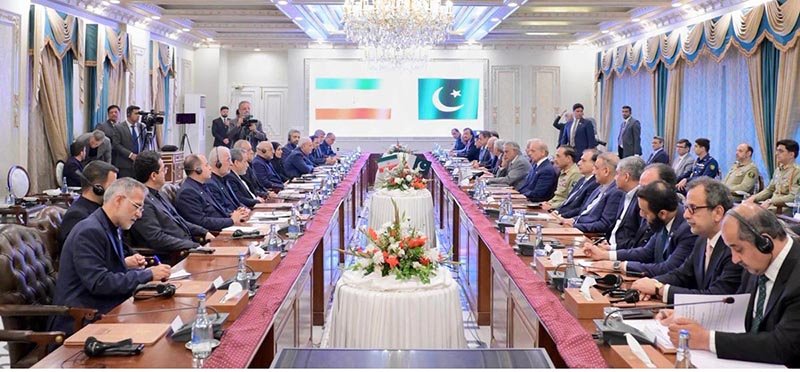
ISLAMABAD — Prime Minister Muhammad Shehbaz Sharif and Iran’s President Dr. Masoud Pezeshkian conducted delegation-level talks in Islamabad on June 23. These discussions centered on bolstering bilateral relations and exploring mutual interests like economic cooperation and regional security. Discussion Details Prime Minister Shehbaz Sharif and President Masoud Pezeshkian met on June 23 for in-depth discussions aimed at enhancing Pakistan-Iran bilateral ties. This significant diplomatic engagement focused on deepening economic cooperation and tackling regional security issues. The conversations spanned a variety of topics, including trade, energy, and security collaboration. Prime Minister Sharif emphasized Pakistan’s dedication to enhancing trade relations with Iran, highlighting the potential for increased economic collaboration. President Pezeshkian responded by conveying Iran’s interest in strengthening sectoral ties with Pakistan. Joint Press Conference During a subsequent joint press event, both leaders highlighted the importance of regional peace and stability. They agreed to intensify cooperation to combat terrorism and address cross-border security concerns. Discussions also included potential energy sector collaborations, focusing on joint ventures that could benefit both nations. Background Pakistan and Iran have a long history of diplomatic relations and share significant cultural and historical ties. Over time, these nations have engaged in numerous bilateral agreements to enhance economic and security cooperation. However, relations have sometimes been strained due to geopolitical issues and security concerns. Recently, both countries have expressed intentions to strengthen relations, particularly in trade and energy. The Iran-Pakistan gas pipeline project, though delayed, remains a crucial interest. Both nations are also part of the Economic Cooperation Organization (ECO), promoting economic collaboration. Impact of the Talks The talks between Prime Minister Sharif and President Pezeshkian are crucial for regional stability and economic development. Strengthening ties with Iran is vital for Pakistan as it aims to diversify economic partnerships and enhance energy security. Increased trade and investment with Iran could significantly boost Pakistan’s economy, which faces challenges. Additionally, enhanced cooperation on regional security issues is critical for maintaining peace. Both countries have suffered from terrorism and cross-border security issues, making cooperative efforts a priority. This collaboration could help mitigate common threats and stabilize the region. On the international front, strengthened Pakistan-Iran relations may affect South Asian and Middle Eastern geopolitical landscapes. As both navigate complex regional dynamics, their cooperation could serve as a stabilizing force. Key Takeaways Prime Minister Shehbaz Sharif and President Masoud Pezeshkian held discussions in Islamabad to strengthen bilateral relations. The talks focused on economic cooperation, regional security, and potential energy projects. Both leaders emphasized the need for regional peace and stability. Enhancing ties with Iran is key for boosting Pakistan’s economy and regional security.

Business

Prime Minister Shehbaz Sharif and Iranian President Pezeshkian Hold Talks in Islamabad

ISLAMABAD — Prime Minister Shehbaz Sharif and Iranian President Dr. Masoud Pezeshkian convened in Islamabad on June 23 to discuss enhancing bilateral relations and regional cooperation. The delegation-level talks aimed at strengthening ties between Pakistan and Iran, focusing on economic collaboration and security issues. Discussion Highlights The meeting formed part of the Iranian delegation’s official visit to Pakistan. Discussions covered topics such as trade, energy cooperation, and regional security. Both leaders committed to enhancing bilateral relations and exploring new avenues for collaboration. Prime Minister Sharif stressed the importance of economic ties, saying, “Pakistan and Iran have a long history of cooperation; it’s essential to build on this foundation to achieve mutual economic growth.” He highlighted opportunities for increased trade and investment, particularly in the energy sector. President Pezeshkian echoed these sentiments, noting Iran’s eagerness to expand its economic partnership with Pakistan. He stated, “Iran sees Pakistan as a vital partner in the region, and we are committed to working together to address common challenges and seize growth opportunities.” They also discussed regional security, particularly concerning Afghanistan. Sharing a border with Afghanistan, both countries are invested in ensuring regional stability. They agreed on continued collaboration on security matters and supporting peace efforts in Afghanistan. Background of Relations Pakistan and Iran have historically maintained cordial relations, sharing cultural, religious, and economic ties. Despite challenges due to regional dynamics and geopolitical tensions, both nations have recently focused on strengthening their partnership through economic cooperation and security collaboration. Trade between Pakistan and Iran has been constrained by sanctions on Iran and logistical challenges. Nevertheless, both countries have shown a desire to increase trade volumes and explore new areas of cooperation. Energy cooperation, such as the Iran-Pakistan gas pipeline, remains a key focus. Significance of the Meeting The meeting between Prime Minister Sharif and President Pezeshkian is economically significant, as enhanced cooperation can lead to increased trade and investment, benefiting both economies. The energy sector’s collaboration potential is noteworthy, with Pakistan seeking diversified energy sources and Iran aiming to expand its exports. Politically, strengthening ties can enhance regional stability. Both countries play crucial roles in the geopolitics of South Asia and the Middle East, and their cooperation on security can address challenges like terrorism and drug trafficking. For Pakistan, improving relations with Iran is strategically important. Balancing relationships with regional powers such as China, the USA, and Saudi Arabia, while maintaining a strong partnership with Iran, enhances its diplomatic leverage. Key Takeaways Prime Minister Shehbaz Sharif and Iranian President Masoud Pezeshkian convened in Islamabad to discuss bilateral relations. The talks focused on economic cooperation, particularly in trade and energy, and regional security issues. Both leaders expressed a commitment to strengthening ties and exploring new avenues for collaboration. The meeting opens paths for increased trade, energy collaboration, and regional stability.

Scroll to Top