2026

Business

Pakistan’s Latest Foreign Exchange Rates Announced by Financial Markets Association

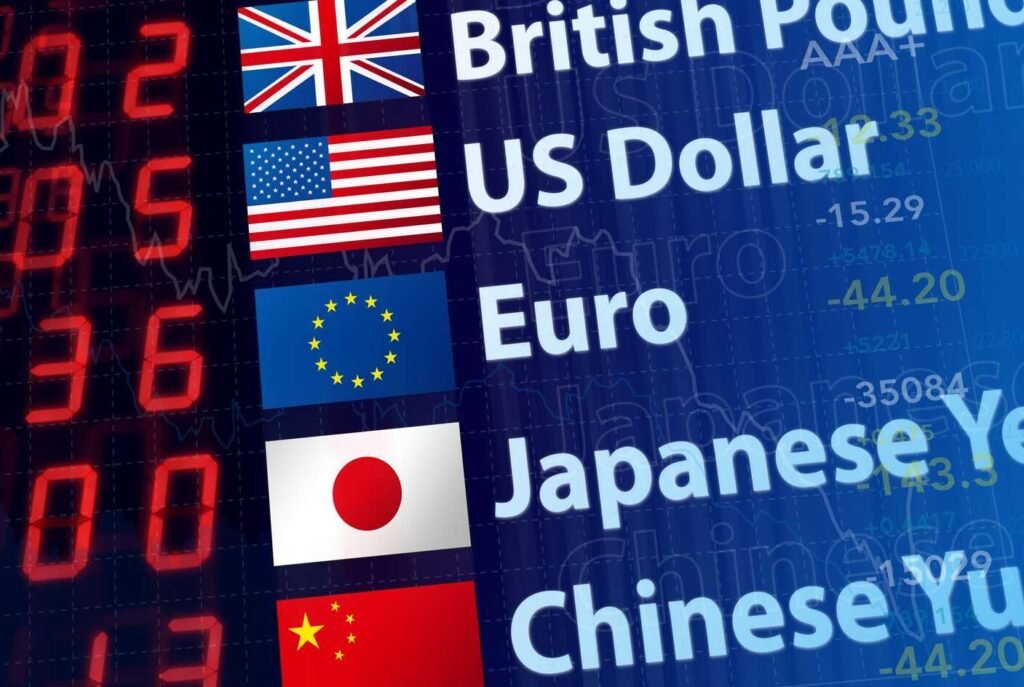
KARACHI — On Wednesday, June 24, 2026, the Financial Markets Association of Pakistan’s Exchange Rates Committee released the latest bulletin on foreign exchange rates. This update is essential for financial transactions and economic planning, providing the newest conversion rates for various currencies. Latest Exchange Rates The Exchange Rates Committee provided rates applicable for forward cover and deposits, excluding FE-25 deposits. The State Bank of Pakistan (SBP) has set June 30, 2026, as the settlement value date for these rates. According to the bulletin, the conversion rates are as follows: US Dollar (USD): 278.1731 Pakistani Rupees British Pound (GBP): 366.1065 Rupees Euro (EUR): 317.5068 Rupees Japanese Yen (JPY): 1.7238 Rupees These rates are vital for businesses and individuals involved in international trade and finance. They are influenced by international market trends, demand and supply dynamics, and economic policies, directly affecting import and export costs. Background on Exchange Rates Foreign exchange rates play a critical role in a country’s economic framework, impacting trade balances, inflation, and growth. The State Bank of Pakistan actively manages exchange rate policy to stabilize the currency. In the past, currency depreciation in Pakistan has elevated inflation rates and affected living costs. Reforming exchange rate policies remains a key discussion topic to ensure market stability and competitiveness. The Financial Markets Association of Pakistan regularly updates these rates to align with current market conditions, aiding businesses and investors in making informed currency transaction decisions. Economic Implications Updated foreign exchange rates have significant implications for Pakistan’s economy. They affect the profitability of transactions and pricing of goods for businesses engaged in import and export. For instance, a higher US dollar rate can increase import costs, impacting consumers and businesses. On a larger scale, exchange rates affect inflation and purchasing power. A weaker rupee often leads to higher inflation, making imported goods more expensive and straining citizens financially. Moreover, stable and competitive exchange rates attract foreign investment, which is crucial for economic growth and job creation. Conversely, exchange rate volatility can deter investment, undermining economic stability. Managing exchange rates involves balancing economic growth aims with price stability. The rates announced by the Financial Markets Association serve as a market benchmark, guiding financial institutions and businesses in currency dealings.


Business

NBP Releases Latest Currency Exchange Rates for Major Currencies

KARACHI — The National Bank of Pakistan (NBP) has released the latest currency exchange rates for major currencies as of Wednesday, June 24. These rates are crucial for businesses, investors, and individuals involved in foreign exchange transactions. Current Market Exchange Rates The NBP, a leading financial institution, published these exchange rates reflecting current market conditions. The exchange rates for several major currencies are as follows: US Dollar (USD): Selling at PKR 279.99, Buying at PKR 276.99 British Pound (GBP): Selling at PKR 369.44, Buying at PKR 365.08 Euro (EUR): Selling at PKR 318.18, Buying at PKR 314.45 In the Asian market, the Japanese Yen (JPY) is sold at PKR 1.7331, with a buying rate of PKR 1.7128. Rates for the UAE Dirham (AED) and Saudi Riyal (SAR) are PKR 74.60 and PKR 76.24 for selling, with buying rates at PKR 73.71 and PKR 75.34, respectively. Factors Influencing Exchange Rates Exchange rates are influenced by supply and demand dynamics, international trade flows, and economic indicators. These rates significantly impact the cost of goods and services in international trade, affecting both importers and exporters. Role of the National Bank of Pakistan As a state-owned bank, NBP plays a vital role in Pakistan’s economic framework by offering a range of banking services including currency exchange. Regular updates to currency rates ensure alignment with market trends and economic conditions. Historical influences on currency exchange include inflation rates, interest rates, political stability, and economic performance. Recently, the Pakistani rupee has fluctuated due to economic challenges such as trade deficits and external debt. Importance of Accurate Exchange Rates Publishing accurate exchange rates is essential for budgeting, financial planning, and cost estimation in international trade. For importers, higher foreign currency rates mean increased import costs, affecting pricing strategies and profit margins. Conversely, exporters benefit from favorable rates by obtaining more local currency from foreign sales, enhancing competitiveness. Broadly, exchange rates impact inflation, purchasing power, and economic growth. Exchange rates are also critical for policymakers and financial analysts, offering insights into a country’s economic health. Fluctuations may indicate economic issues or improvements, influencing monetary policy and investor confidence.

Business

Pakistan’s Gold Imports Drop by 47.79% Over Eleven Months

ISLAMABAD — Pakistan’s gold imports experienced a significant drop of 47.79% during the first eleven months of the current fiscal year, as reported by the Pakistan Bureau of Statistics (PBS). What Happened The PBS data revealed a marked decrease in gold imports, with figures nearly halved from the same period last year. This trend reflects broader economic measures aimed at stabilizing the country’s foreign exchange reserves. Between July 2022 and May 2023, Pakistan imported $12.5 million worth of gold, down from $23.9 million in the previous fiscal year. This reduction is due to government efforts to lower the trade deficit and conserve foreign exchange reserves. Additionally, the depreciating Pakistani rupee has increased import costs, discouraging luxury items like gold. In May 2023 alone, the value of gold imports was $1.1 million, compared to $2.3 million in May 2022, illustrating the consistent decline. Overall, PBS reported a 28.4% decrease in total imports for the same eleven-month period, showing a broader contraction across various sectors. Background Traditionally, Pakistan has been a significant importer of gold, used mainly for jewelry and investment. The gold market is influenced by global prices, currency fluctuations, and domestic demand. Recent economic challenges and rupee depreciation have impacted the import of gold and other luxury goods. To address the balance of payments crisis, the government has imposed higher tariffs and stricter import regulations, focusing on luxury goods. The reduction in gold imports is a direct result of these policies. Why It Matters The decrease in gold imports is part of Pakistan’s strategy to manage economic challenges by reducing the trade deficit and preserving foreign exchange reserves, which are crucial for economic stability. This trend affects the domestic gold market. Jewelers and investors relying on imported gold may face shortages, raising prices for gold jewelry and investments, especially during periods of high demand like wedding seasons. Economically, reducing non-essential imports allows the government to prioritize essential goods like food and energy, vital for growth and development. International financial institutions and investors are closely monitoring Pakistan’s import management efforts, which could affect credit ratings and investor confidence. Key Takeaways Gold imports fell by 47.79% during the first eleven months of the current fiscal year. The reduction is linked to government policies on trade deficit and foreign reserves. Total imports decreased by 28.4% in the same period. The domestic gold market may face higher prices due to lower imports.

World

Naval Chief Stresses Need for Technologically Skilled Workforce in Future Warfare

ISLAMABAD — Chief of the Naval Staff, Admiral Naveed Ashraf, emphasized the necessity of cultivating a technologically skilled workforce to meet the demands of future warfare. On Wednesday, he highlighted the critical role such a naval force will play in ensuring national security. Technological Advancements in Warfare Admiral Ashraf outlined the need for the Pakistan Navy to develop expertise in advanced technologies. He noted that warfare is evolving rapidly, with technology as a central component of military strategy and operations. He stated, “Developing and sustaining a future-ready, intellectually astute, and technologically proficient workforce is essential for future warfare.” His remarks coincide with global military investments in technological advancements. Admiral Ashraf stressed that integrating cutting-edge technology into naval operations is crucial. The Pakistan Navy must keep pace with technological trends to effectively safeguard maritime interests. Commitment to Education and Training The Navy is committed to investing in education and training programs focused on emerging technologies like artificial intelligence, cyber warfare, and autonomous systems. Admiral Ashraf emphasized these efforts as essential for preparing naval personnel for a complex, advanced warfare environment. Background on Modernization Efforts The push for a skilled military workforce is not new. The Pakistan Navy has been actively modernizing its operational capabilities. This includes inducting advanced naval vessels, submarines, and aircraft equipped with state-of-the-art technology. Historically, the Navy has played a pivotal role in protecting maritime borders and sea lanes. However, the global shift towards technology in warfare has necessitated a focus on developing human resources to leverage these advancements effectively. Globally, navies like those of the United States, China, and Russia are prioritizing technology integration, recognizing its strategic advantages in modern warfare. Significance of a Skilled Workforce A technologically skilled workforce is crucial for several reasons: Economically: It can drive innovation within the military, enhancing efficiency and effectiveness, leading to cost savings. Socially: Technology-driven education can create opportunities for Pakistani youth, fostering job creation and economic growth. Politically: An advanced naval force elevates Pakistan’s international standing, deterring potential adversaries and supporting regional stability. Internationally: A skilled workforce enables collaboration with other advanced nations, facilitating knowledge sharing and partnerships.

Business

JUI-F Welcomes Iranian President’s Visit to Pakistan for Regional Stability

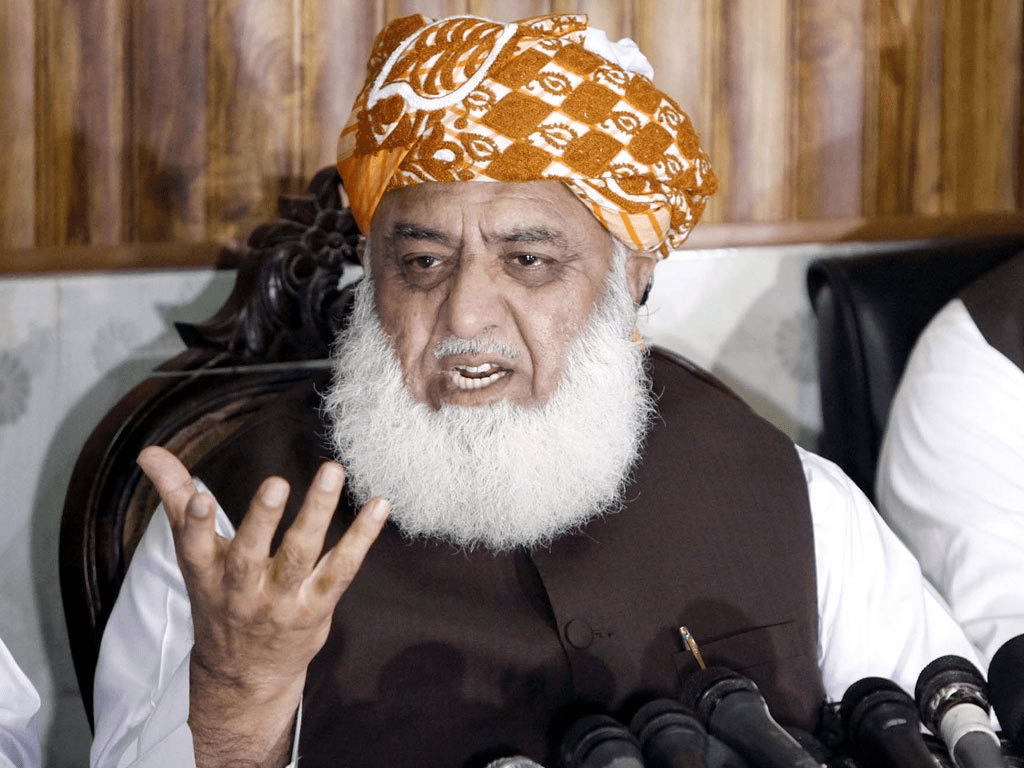
ISLAMABAD — The Jamiat Ulema-i-Islam-Fazl (JUI-F) has warmly welcomed the Iranian President’s visit to Pakistan, underscoring its potential to enhance regional stability. Maulana Fazlur Rehman, the Emir of JUI-F, expressed support for stronger bilateral ties between the two neighbor countries. Diplomatic Engagement On Wednesday, Maulana Fazlur Rehman publicly endorsed the Iranian President’s visit to Pakistan. He emphasized the importance of this diplomatic engagement, suggesting it could lead to improved stability across the region. This visit marks a significant step in strengthening the ties between Pakistan and Iran, nations with a shared historical bond and common border. Rehman noted that the visit provides an opportunity to address mutual concerns and explore collaboration avenues in various sectors. “Stronger relations between Pakistan and Iran would promote stability,” Rehman stated, reflecting a broader regional desire for peace and economic development. The visit is expected to include discussions on trade, security, and cultural exchanges. Both nations have historically maintained a complex relationship, influenced by geopolitical dynamics. Recent engagements indicate a joint interest in overcoming past challenges and focusing on future opportunities. Complex Historical Relationship Pakistan and Iran share a multifaceted relationship, characterized by cooperation and tension. Historically, they collaborated on economic and security initiatives, though geopolitical shifts sometimes strained their ties. Regional alliances and global powers further complicate their relationship. In recent years, there’s been a renewed effort to strengthen bilateral relations, with both countries seeing the potential benefits of collaboration. This includes trade, energy, and cultural exchange initiatives. The Iranian President’s visit is part of ongoing efforts to solidify ties and address challenges like border security and economic development. Significance of the Visit The Iranian President’s visit to Pakistan holds significant implications for both nations and the broader region. Enhanced cooperation could lead to increased trade and investment, benefiting industries and creating jobs. Iran and Pakistan can potentially collaborate on energy projects, addressing Pakistan’s energy needs and providing a stable market for Iranian resources. Politically, improved Pakistan-Iran relations could contribute to regional stability. Both countries play crucial roles in South Asia and the Middle East, and their cooperation could help mitigate regional conflicts. Stronger ties could also counterbalance external influences, allowing both nations to pursue independent foreign policies. Socially, increased cultural exchanges and people-to-people contacts could enhance mutual understanding, fostering a more harmonious relationship and reducing misunderstandings. Key Points JUI-F welcomes the Iranian President’s visit, emphasizing its role in regional stability. The visit aims to strengthen Pakistan-Iran relations through collaboration in various sectors. Historical ties between the two countries have been complex due to geopolitical dynamics. Enhanced cooperation could lead to economic benefits and regional peace. Cultural exchanges could promote mutual understanding and goodwill.

Pakistan

96% of Pakistani Higher Secondary Schools Equipped with Basic Facilities

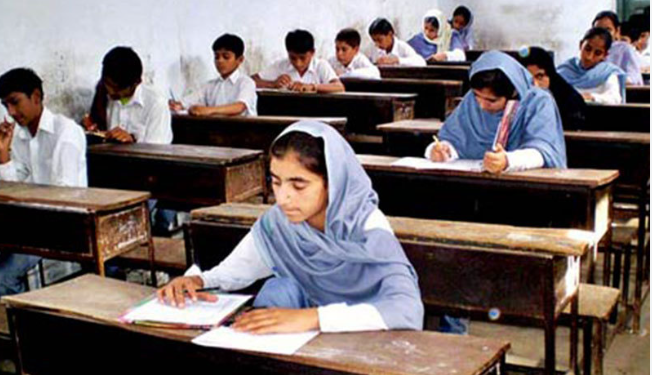
ISLAMABAD — A recent report by the Associated Press of Pakistan (APP) reveals that 96% of higher secondary schools in Pakistan now possess essential facilities like drinking water and boundary walls. This marks a significant boost in the infrastructure of public schools nationwide. What Happened The report states that essential infrastructure availability in higher secondary schools has reached 96%, a substantial increase from previous years. This development reflects efforts by the government and educational authorities to enhance education quality by ensuring students have necessary amenities. Priorities include providing clean drinking water and secure boundary walls. Data suggests this initiative addresses longstanding challenges the education sector in Pakistan faces. Historically, a lack of basic amenities in schools has been a barrier to student attendance and retention, especially in rural and underprivileged areas. By overcoming these issues, the government aims to create a more conducive learning environment and improve educational outcomes. An official from the Ministry of Education emphasized these improvements’ importance, stating, “Ensuring our schools have the necessary infrastructure is crucial for providing quality education to all students. We are committed to continuing this progress and addressing any remaining gaps in our educational facilities.” Background Pakistan’s education sector has faced numerous challenges, including inadequate infrastructure, teacher shortages, and low enrollment rates. Many public schools, particularly in rural areas, historically lacked basic facilities like clean drinking water, toilets, and boundary walls, essential for a safe, healthy learning environment. The government has worked to improve this situation through various initiatives and policies aiming to increase education funding and enhance school infrastructure. The latest data showing 96% of higher secondary schools with basic facilities demonstrates these efforts’ success. This progress aligns with broader objectives in Pakistan’s education policy, which seeks to increase access to quality education and improve literacy rates nationwide. Why It Matters Improving school infrastructure directly impacts the education quality students receive. Access to basic facilities such as clean drinking water and secure premises is vital for maintaining student health and safety, which affects their learning ability. Furthermore, these facilities’ availability influences school attendance and retention rates. Students are more likely to attend and remain in school when they have access to a safe, supportive learning environment. This is particularly crucial in rural and underserved areas, where educational opportunities are often limited. From an economic perspective, enhancing educational infrastructure is key to Pakistan’s long-term development. A well-educated population is better equipped to contribute to the country’s economic growth and development. By investing in education, the government is laying the groundwork for a more prosperous and equitable society. Internationally, these advancements can boost Pakistan’s reputation as a country committed to advancing education and achieving global educational standards. This can positively impact international partnerships and collaborations in the education sector. Key Takeaways A recent APP report indicates 96% of higher secondary schools in Pakistan now have basic facilities. The initiative addresses longstanding education sector challenges, particularly in rural areas. Improved school infrastructure can enhance educational quality and student retention. Economic and international benefits include a better-educated workforce and improved global reputation.

Pakistan

IGP Rizvi Emphasizes Merit in Islamabad Police Recruitment Process

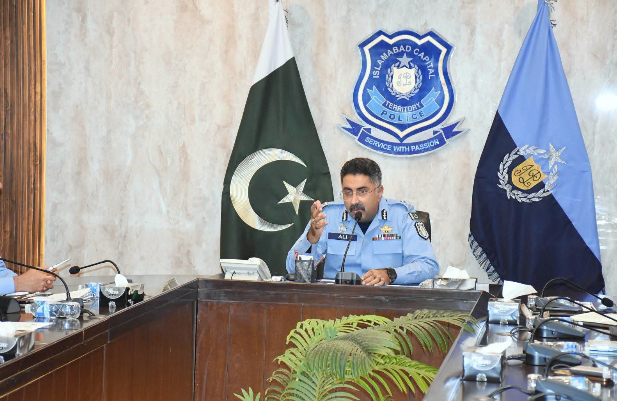
ISLAMABAD — Inspector General of Police (IGP) Islamabad, Syed Ali Nasir Rizvi, convened a meeting on Wednesday to evaluate preparations for the upcoming recruitment drive in the Islamabad Police. He highlighted the necessity of a transparent, merit-based, and efficient process. Meeting Highlights At the Islamabad Police Headquarters, IGP Rizvi examined the detailed plans and logistical arrangements for recruitment. Senior police officials, including Deputy Inspectors General, attended. The IGP stressed adherence to merit and transparency to maintain recruitment integrity. “We must ensure that the recruitment process is free from biases and upholds the highest standards of transparency,” IGP Rizvi stated. He instructed officers to implement robust measures to prevent malpractice or favoritism, including rigorous application scrutiny, transparent examinations, and impartial candidate evaluations. The meeting also outlined the recruitment timeline, set to begin in the coming weeks. The drive will fill various roles, addressing the need for increased manpower to boost law enforcement capabilities in Islamabad. Reform Initiatives The Islamabad Police are undergoing reforms to improve efficiency and public trust. Previous recruitment faced criticism over nepotism and transparency issues. In response, strategies now focus on merit-based selection to attract qualified individuals. Historically, the Islamabad Police play a crucial role in maintaining law and order in the capital, facing challenges from resource constraints and a growing population. This recruitment is part of a broader initiative to modernize and enhance operational effectiveness. Importance of Merit and Transparency The emphasis on merit and transparency is crucial. It addresses public concerns about fair hiring practices, aiming to restore confidence and demonstrate accountability. Economically, selecting qualified candidates improves police efficiency and public safety, fostering a stable environment for economic activities. Politically, it aligns with governmental reforms promoting transparency and meritocracy across public institutions in Pakistan. Internationally, these efforts enhance Pakistan’s image as a reform-driven country, potentially attracting foreign investment and fostering international cooperation in security and law enforcement. Key Takeaways IGP Rizvi emphasized a transparent, merit-based recruitment process. The drive aims to fill positions to enhance law enforcement capabilities. Reforms address past criticisms, promoting transparency. The initiative is part of broader governmental efforts to promote public sector transparency.

Pakistan

Rescue 1122 Implements Emergency Plan for Youm-e-Ashura

RAWALPINDI — Rescue 1122 Rawalpindi has finalized a comprehensive emergency response plan to ensure the safety and well-being of participants during Youm-e-Ashura processions and gatherings. This plan is designed to provide timely emergency services on the 10th of Muharram, a significant day in the Islamic calendar observed by Shia Muslims worldwide. Proactive Measures by Rescue 1122 Rescue 1122, a leading emergency service in Pakistan, has implemented proactive measures to address potential emergencies during Youm-e-Ashura in Rawalpindi. The plan involves deploying ambulances, fire tenders, and rescue vehicles strategically along procession routes and major gathering points. This initiative ensures an immediate response to medical emergencies or incidents during the events. The plan includes over 500 personnel, comprising paramedics, firefighters, and rescue workers on standby to provide first aid, medical assistance, and firefighting services when needed. Rescue 1122 has coordinated with local hospitals to ensure additional medical staff and resources can handle any surge in patients during the observance. Real-Time Monitoring and Coordination A central control room has been set up by Rescue 1122 to monitor the situation in real-time. This control room is crucial for communication and coordination with law enforcement and security agencies, ensuring incidents are managed effectively. Citizens are urged to cooperate with authorities and adhere to safety guidelines for a peaceful Youm-e-Ashura observance. Significance of Youm-e-Ashura Youm-e-Ashura on the 10th of Muharram marks the martyrdom of Imam Hussain at the Battle of Karbala. It holds immense religious significance for Shia Muslims, commemorated through processions and gatherings. In Pakistan, these events attract large crowds, requiring robust security and emergency measures for public safety. Youm-e-Ashura processions have historically faced security challenges, including sectarian violence and terrorist attacks. Authorities across Pakistan, including Rescue 1122, consistently implement comprehensive security and emergency plans to safeguard participants and maintain public order. Importance of the Emergency Plan The special emergency plan by Rescue 1122 underscores preparedness in managing large-scale public events of religious and cultural significance. By ensuring swift responses to emergencies, Rescue 1122 aims to minimize potential risks and enhance participant safety. Additionally, the plan reflects the broader efforts by Pakistani authorities to maintain peace and security during religious observances. Amid sectarian tensions and security threats, the proactive measures by Rescue 1122 foster public security and help prevent disruptions. Furthermore, successful implementation of such plans can serve as a model for future events. It demonstrates the effectiveness of coordinated emergency response strategies, protecting lives and reinforcing public trust in emergency services and government institutions.

Pakistan

Punjab Food Authority Fines Rs 1.15 Million for Food Safety Violations

LAHORE — The Punjab Food Authority (PFA) has imposed fines totaling Rs 1.15 million on various food production units for breaching food safety standards and standard operating procedures (SOPs). This crackdown, led by the Director General of PFA, targeted 14 locations across the province. Inspection Details In a dedicated effort to safeguard public health, the PFA conducted inspections at multiple food production sites. These checks were part of an ongoing campaign to eliminate substandard and unsafe food products from the market. The inspection teams uncovered numerous breaches of food safety regulations across 14 sites. Reported violations included using expired ingredients, maintaining unsanitary production environments, and neglecting essential hygiene practices. Consequently, several production units were sealed, and fines worth Rs 1.15 million were issued to these establishments. The Director General of PFA affirmed the authority’s commitment to strict food safety measures: “Our teams remain vigilant and will continue to take decisive action against food safety breaches.” This operation is part of PFA’s broader strategy to protect consumer health by ensuring food products adhere to mandated standards. The PFA actively monitors food production and distribution channels to prevent the circulation of substandard products. PFA’s Mandate and Achievements Established under the Punjab Food Authority Act 2011, the PFA oversees the regulation and monitoring of the food industry in Punjab. Its objectives include ensuring that food is safe, hygienic, and fit for consumption. Through regular inspections, public awareness initiatives, and strict enforcement of laws, the PFA has enhanced food safety over the years. Previous enforcement efforts have significantly improved food safety standards across Punjab, with the PFA playing a key role in shutting down illegal food operations and penalizing non-compliant businesses. Importance of PFA Actions The PFA’s efforts are crucial for several reasons: They protect consumers from health risks associated with unsafe and substandard food, such as foodborne illnesses, which can lead to hospitalizations and fatalities. Economically, ensuring high food safety standards increases consumer confidence in local food products, essential for the food industry’s growth. Trusted products encourage consumer spending and support local businesses. Politically, the PFA’s decisive actions affirm the government’s commitment to public health and safety, reinforcing its role as a protector of citizen welfare and enhancing public trust in state institutions. The adherence to food safety standards also carries international significance. Countries that strictly regulate food safety have better access to global markets, contributing to broader economic growth and development.

Business

Minister Praises Efficient Federal Budget Preparation Process

ISLAMABAD — Federal Minister for Parliamentary Affairs Tariq Fazal Chaudhary commended the National Assembly Secretariat and related departments for their efficient and coordinated work in preparing the federal budget. His remarks came during a session on Wednesday, emphasizing the collaborative efforts of various governmental bodies in finalizing the budget. Efficient Coordination in Budget Preparation During the Wednesday session, Minister Chaudhary praised the National Assembly Secretariat and associated departments for their meticulous efforts in federal budget preparation. According to him, the entire process was executed efficiently and in a highly coordinated manner. This ensured the budget was timely and met all necessary requirements. He emphasized the importance of teamwork among different governmental bodies. Chaudhary stated, “The seamless collaboration between the National Assembly Secretariat and other departments was crucial for the timely budget completion.” He acknowledged the hard work of the officials involved, contributing to the smooth preparation process. Multiple Stages in Budget Process The budget preparation process is complex and involves several stages, including consultations, drafting, and final approvals. This process requires input from numerous departments to ensure all financial needs are addressed. The minister’s commendation reflects the successful execution of these tasks by the entities involved. Importance of the Federal Budget The preparation of Pakistan’s federal budget is an annual exercise involving extensive planning and coordination. It typically starts months in advance with consultations between the Ministry of Finance, the National Assembly, and other relevant departments. The budget outlines the government’s financial plans for the upcoming fiscal year, detailing expected revenues and expenditures. Historically, Pakistan’s budget preparation has faced challenges like delays and disagreements among stakeholders. Recent efforts, however, have focused on improving efficiency and transparency. Involvement of various governmental bodies ensures the budget reflects the country’s economic priorities and addresses citizens’ needs. Impact on Economic Sectors The federal budget is a crucial document setting the financial direction of the country for the coming year. It impacts sectors like education, healthcare, infrastructure, and defense, by allocating necessary funds and resources. An efficiently prepared budget is essential to ensure these sectors receive adequate funding and can operate effectively. Minister Chaudhary’s praise highlights the government’s commitment to transparency and efficiency in financial planning. By recognizing involved departments’ efforts, the government aims to build public trust in its financial management capabilities, crucial for economic stability. A well-prepared budget can positively influence investor confidence, showcasing the government’s ability to manage finances responsibly. This can lead to increased foreign investment, vital for Pakistan’s economic growth and development. Key Takeaways Federal Minister Tariq Fazal Chaudhary praised the efficient and coordinated efforts in federal budget preparation. The National Assembly Secretariat and related departments were commended for their teamwork. The budget preparation process involves multiple stages requiring input from various governmental bodies. An efficiently prepared budget boosts public trust and can enhance investor confidence.

Scroll to Top