Rawalpindi Commissioner Finalizes Arrangements for MDCAT Examination
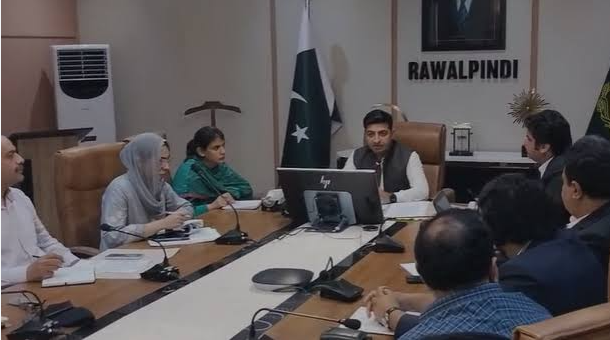
RAWALPINDI — Commissioner Rawalpindi Salman Ghani announced on Thursday that all necessary arrangements for the Medical and Dental College Admission Test (MDCAT) have been finalized. The announcement comes as students prepare to take the examination at designated centers across the city. What Happened Commissioner Salman Ghani confirmed that comprehensive preparations have been completed to ensure a smooth conduct of the MDCAT examination scheduled in Rawalpindi. During a visit to several examination centers, Ghani detailed the measures put in place to accommodate the large number of candidates expected to participate in the test. “We have ensured that all facilities are in place for the students, including a shuttle service from 6th Road to the examination centers,” he stated. The arrangements include setting up examination centers with adequate seating and environmental controls to maintain comfort and focus for the candidates. Security measures have also been heightened to prevent any disruptions during the examination process. The shuttle service is designed to ease transportation challenges for students, ensuring they reach the centers on time without hassle. Ghani’s visit to the examination centers was aimed at personally overseeing the final touches to the arrangements and ensuring compliance with the standard operating procedures (SOPs) mandated for such events. He interacted with the staff and examined the facilities to verify their readiness for the upcoming examination day. Background The MDCAT is a critical examination for students aspiring to enter medical and dental colleges in Pakistan. It is a standardized test that assesses the knowledge and skills of candidates in subjects such as biology, chemistry, physics, and English. The test is a prerequisite for admission into medical and dental programs across the country. In recent years, the examination has seen increasing scrutiny and calls for reform, with stakeholders emphasizing the need for transparency and fairness in the testing process. The Pakistan Medical and Dental Council (PMDC) oversees the administration of the MDCAT, ensuring that the examination meets the required standards and is conducted in a fair manner. Why It Matters The successful administration of the MDCAT examination is crucial for the future of thousands of students who aspire to join the medical and dental professions. The arrangements put in place by the Rawalpindi administration aim to provide a conducive environment for candidates, minimizing stress and logistical challenges on the day of the exam. Ensuring a smooth examination process also reflects on the capabilities of local administrative bodies in handling large-scale educational events. This is particularly important in the context of Pakistan’s broader educational landscape, where the demand for medical education continues to rise amidst limited resources and infrastructure. The provision of a shuttle service is a significant step towards improving accessibility for students, many of whom travel from distant areas to take the test. By facilitating easy and reliable transportation, the administration is addressing a common barrier faced by candidates, thereby promoting equal opportunities for all. Moreover, the heightened security measures are indicative of the administration’s commitment to maintaining the integrity of the examination process. This is essential in upholding public confidence in the MDCAT as a fair and unbiased assessment tool. Key Takeaways Commissioner Rawalpindi Salman Ghani confirmed all arrangements for the MDCAT examination are complete. A shuttle service will operate from 6th Road to examination centers to assist students. Security and logistical measures have been enhanced to ensure a smooth examination process. The MDCAT is a critical step for students aspiring to enter medical and dental colleges in Pakistan. Effective administration of the exam reflects positively on local authorities’ capabilities. Source Attribution The article is based on official government statements, press releases, and public communications from relevant authorities. Author: NEN Editorial Desk | Editor: NEN Newsroom | Fact Checked By: NEN Editorial Team Author: NEN Editorial Desk | Editor: NEN Newsroom | Last Updated: September 17, 2026 | Source: NEN Reporter This article was produced by the NEN Editorial Desk in accordance with NEN Agency’s Editorial Policy and Fact-Checking Policy.