
2026

Pakistan

SP Security Conducts Open Court to Address Public Complaints

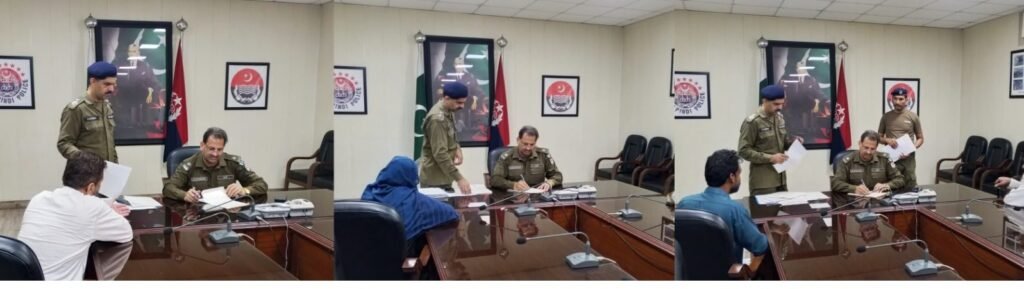
LAHORE — Superintendent of Police (SP) Security Asghar Ali Goraya convened an open court at the Police Lines Headquarters on Friday to address public grievances. The initiative aimed to provide a platform for citizens to voice their concerns directly to law enforcement authorities and seek timely resolutions. What Happened The open court, known locally as a Khuli Katchery, was organized to facilitate direct communication between the public and the police. SP Security Asghar Ali Goraya personally attended to the complaints presented by citizens, offering a rare opportunity for individuals to discuss their issues without bureaucratic barriers. During the session, Goraya issued immediate directives to the relevant officers to ensure swift action on the matters raised. Citizens from various parts of the city attended the session, bringing forth a range of issues, including delays in police response, inefficiencies in handling cases, and concerns over public safety. The SP assured attendees that their complaints would be addressed with urgency and transparency. “We are committed to resolving the issues faced by the public and improving the overall efficiency of our services,” Goraya stated. The open court is part of a broader initiative to enhance police-public relations and ensure accountability within the force. By holding such sessions, the police aim to build trust with the community and demonstrate their commitment to addressing public concerns. Background Open courts have been a traditional method in Pakistan for addressing public grievances. The concept allows citizens to present their issues directly to officials without the need for intermediaries. Historically, these sessions have been instrumental in resolving local disputes and improving governance at the grassroots level. In recent years, the police force in Pakistan has faced criticism over issues such as corruption, inefficiency, and lack of accountability. Initiatives like the Khuli Katchery are part of efforts to reform the police system and improve its image among the public. These sessions are intended to provide transparency and ensure that citizens’ voices are heard and acted upon. Why It Matters The open court held by SP Security is significant for several reasons. Firstly, it represents an effort to bridge the gap between law enforcement and the community, fostering a sense of trust and cooperation. By directly addressing public complaints, the police can improve their responsiveness and accountability, which are critical for effective governance. Secondly, the initiative highlights the importance of public participation in governance. By empowering citizens to voice their concerns, the police encourage a more engaged and informed populace, which can lead to more effective and equitable law enforcement practices. Moreover, addressing public grievances promptly can help alleviate tensions and prevent potential conflicts. In a country where public trust in law enforcement is often low, such initiatives are crucial for maintaining social harmony and ensuring that justice is accessible to all. Finally, the open court underscores the broader efforts to reform the police system in Pakistan. By demonstrating a commitment to transparency and accountability, the police can work towards rebuilding their reputation and improving their relationship with the public. Key Takeaways SP Security Asghar Ali Goraya held an open court to address public complaints at the Police Lines Headquarters. The initiative aimed to provide a direct communication channel between citizens and law enforcement. Open courts are part of efforts to improve police-public relations and ensure accountability. Such initiatives are crucial for building trust and improving the efficiency of police services. The open court reflects broader police reform efforts in Pakistan to enhance transparency and public engagement. Source Attribution This article is based on official government statements, press releases, and public communications from relevant authorities. Author: NEN Editorial Desk | Editor: NEN Newsroom | Fact Checked By: NEN Editorial Team Author: NEN Editorial Desk  |  Editor: NEN Newsroom  |  Last Updated: August 07, 2026  |  Source: NEN Reporter This article was produced by the NEN Editorial Desk in accordance with NEN Agency’s Editorial Policy and Fact-Checking Policy.
Pakistan

Saudi Arabia, Pakistan, Turkiye Forge Defence Pact for Regional Stability

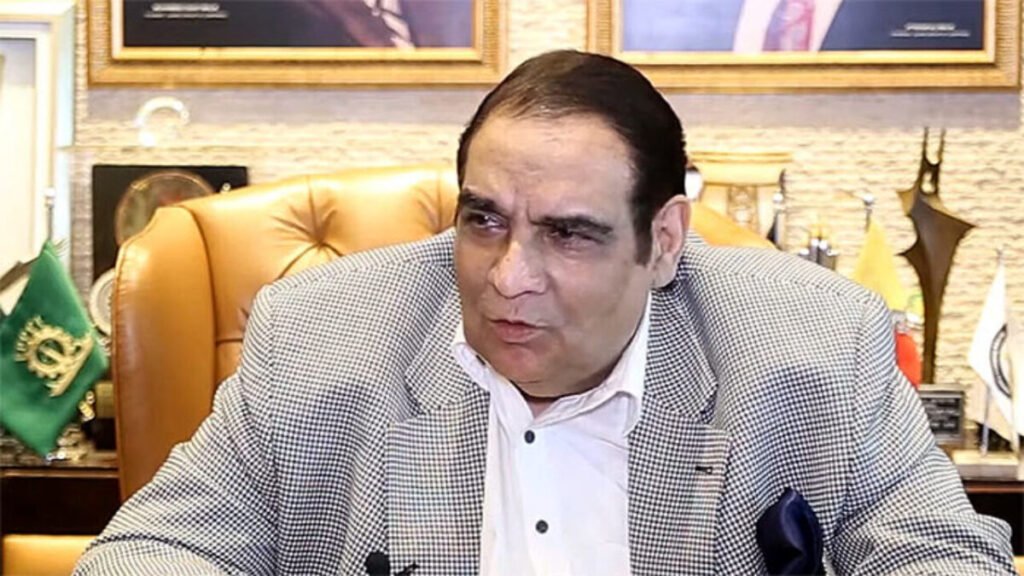
ISLAMABAD — Saudi Arabia, Pakistan, and Turkiye have entered into a trilateral defence pact aimed at enhancing regional peace and security among Muslim nations, according to Iftikhar Ali Malik, former President of the SAARC Chamber of Commerce and Industry. The agreement, announced on Friday, is expected to foster greater military cooperation and strategic alignment among the three countries. What Happened The defence pact between Saudi Arabia, Pakistan, and Turkiye signifies a concerted effort to bolster military collaboration in the Muslim world. Iftikhar Ali Malik, a prominent business leader and former head of the SAARC Chamber of Commerce and Industry, praised the agreement, emphasizing its potential to strengthen regional peace and security. “This trilateral partnership is a significant step towards enhancing cooperation among Muslim countries,” Malik stated, highlighting the strategic importance of such alliances in today’s geopolitical climate. The agreement is seen as a response to the evolving security dynamics in the region, where threats such as terrorism and geopolitical tensions require coordinated strategies. The pact aims to facilitate joint military exercises, intelligence sharing, and the development of defence technologies, thereby increasing the collective defence capabilities of the three nations. While specific details of the agreement have not been disclosed, the collaboration is expected to involve high-level military exchanges and joint training programs. This initiative underscores the commitment of Saudi Arabia, Pakistan, and Turkiye to work together in addressing common security challenges and promoting stability in the region. Background The trilateral defence pact comes in the context of a history of military cooperation between these nations. Pakistan and Turkiye have long-standing defence ties, with joint military exercises and defence production collaborations. Similarly, Saudi Arabia and Pakistan have maintained a close military relationship, with Pakistan providing military training and support to Saudi forces over the years. In recent years, there has been a growing emphasis on strengthening ties among Muslim-majority countries, particularly in the face of rising regional conflicts and external pressures. The Organisation of Islamic Cooperation (OIC) has often called for increased cooperation among its member states to address common challenges. Historically, defence agreements among Muslim nations have been aimed at promoting collective security and fostering economic and technological collaboration. This new pact is seen as a continuation of these efforts, with a focus on adapting to modern security threats. Why It Matters The trilateral defence pact is significant for several reasons. Economically, it could lead to increased defence trade and joint ventures among the three countries, potentially boosting their domestic defence industries. This collaboration could also lead to advancements in military technology and innovation, benefiting the broader region. Socially, the pact may strengthen ties among the populations of the three countries, fostering a sense of unity and shared purpose. This could have positive implications for cultural exchanges and people-to-people connections, promoting a more cohesive Muslim identity. Politically, the agreement positions Saudi Arabia, Pakistan, and Turkiye as key players in the Muslim world, capable of influencing regional security dynamics. By working together, these countries can present a united front in international forums, advocating for the interests of Muslim nations and contributing to global peace efforts. Internationally, the pact may alter the strategic landscape of the Middle East and South Asia, as it signals a shift towards greater self-reliance and cooperation among Muslim-majority countries. This could potentially lead to a rebalancing of power in the region, with implications for global alliances and partnerships. Key Takeaways Saudi Arabia, Pakistan, and Turkiye have formed a trilateral defence pact to enhance regional security. The agreement aims to facilitate joint military exercises, intelligence sharing, and defence technology development. The pact is expected to strengthen economic, social, and political ties among the three nations. This collaboration may influence regional and international security dynamics, promoting stability in the Muslim world. The initiative underscores the importance of cooperation among Muslim-majority countries in addressing common challenges. Source Attribution This article is based on official government statements, press releases, and public communications from relevant authorities. Author: NEN Editorial Desk | Editor: NEN Newsroom | Fact Checked By: NEN Editorial Team Author: NEN Editorial Desk  |  Editor: NEN Newsroom  |  Last Updated: August 07, 2026  |  Source: NEN Reporter This article was produced by the NEN Editorial Desk in accordance with NEN Agency’s Editorial Policy and Fact-Checking Policy.
Pakistan

PM Shehbaz, Saudi Crown Prince, Turkish President Pray Together in Saudi Arabia

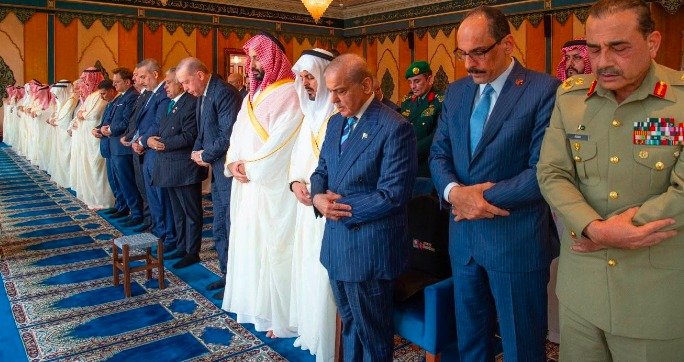
ISLAMABAD — Prime Minister Shehbaz Sharif, Saudi Crown Prince Mohammed bin Salman, and Turkish President Recep Tayyip Erdogan performed Friday prayers together at Qasr Al-Safa in Saudi Arabia. The gathering took place during Prime Minister Sharif’s official visit to the kingdom, highlighting the close ties between the three nations. What Happened On Friday, Prime Minister Shehbaz Sharif joined Saudi Crown Prince Mohammed bin Salman and Turkish President Recep Tayyip Erdogan for prayers at Qasr Al-Safa, a prominent location within the holy city of Mecca. This event was part of Prime Minister Sharif’s official visit to Saudi Arabia, aimed at strengthening bilateral relations and discussing matters of mutual interest. The three leaders were seen engaging in discussions following the prayers, underscoring the significance of their meeting. According to official sources, the leaders discussed regional issues, economic cooperation, and the potential for increased collaboration in various sectors. The presence of these leaders together in a religious setting also symbolizes the unity and shared values among their countries. Prime Minister Sharif’s visit to Saudi Arabia comes at a time when Pakistan is seeking to bolster its economic ties with key allies. Saudi Arabia remains one of Pakistan’s largest trading partners, with significant investments in various sectors, including energy and infrastructure. The meeting between these leaders is expected to pave the way for further cooperation in these areas. Background Pakistan and Saudi Arabia have historically maintained strong bilateral relations, with Saudi Arabia often providing economic assistance to Pakistan during times of need. The two countries share deep-rooted cultural and religious ties, which have been reinforced through frequent high-level exchanges and visits. Turkey, another key ally of Pakistan, has also been a significant partner in terms of trade and defense cooperation. The relationship between Pakistan and Turkey has been characterized by mutual support on various international platforms and collaborative efforts in defense production. The gathering of these leaders in Saudi Arabia is not only a reflection of their personal camaraderie but also a testament to the enduring partnerships between their countries. Such meetings are often seen as opportunities to discuss strategic interests and forge new avenues for collaboration. Why It Matters The joint appearance of Prime Minister Shehbaz Sharif, Saudi Crown Prince Mohammed bin Salman, and Turkish President Recep Tayyip Erdogan at Qasr Al-Safa holds significant implications for regional and international politics. As Pakistan navigates its economic challenges, strengthening ties with influential partners like Saudi Arabia and Turkey is crucial for securing economic support and investment. For Saudi Arabia, maintaining strong relations with Pakistan is vital for its regional influence and security strategy. Pakistan’s strategic location and its role in the Muslim world make it a valuable ally for Saudi Arabia, especially in the context of regional geopolitics. Turkey’s involvement further adds a layer of complexity and opportunity, as it seeks to expand its influence in the region. The collaboration between these three countries could lead to enhanced economic ties, increased trade, and joint initiatives in various sectors, including defense, technology, and energy. Moreover, this meeting underscores the importance of unity among Muslim-majority countries in addressing common challenges and promoting peace and stability in the region. The leaders’ discussions on regional issues could potentially lead to coordinated efforts in tackling conflicts and fostering development in the Muslim world. Key Takeaways Prime Minister Shehbaz Sharif, Saudi Crown Prince Mohammed bin Salman, and Turkish President Recep Tayyip Erdogan performed Friday prayers together at Qasr Al-Safa. The meeting highlights the strong bilateral relations between Pakistan, Saudi Arabia, and Turkey. Discussions focused on regional issues, economic cooperation, and potential collaborations. The event underscores the unity and shared values among the three countries. This gathering could lead to enhanced economic ties and joint initiatives in various sectors. Source Attribution This article is based on official government statements, press releases, and public communications from relevant authorities. Author: NEN Editorial Desk | Editor: NEN Newsroom | Fact Checked By: NEN Editorial Team Author: NEN Editorial Desk  |  Editor: NEN Newsroom  |  Last Updated: August 07, 2026  |  Source: Press Release from Government of Pakistan This article was produced by the NEN Editorial Desk in accordance with NEN Agency’s Editorial Policy and Fact-Checking Policy.
World

PNCA Honors Legacy Of Esteemed Artist And Educator Prof. Dr. Shaukat Mahmood

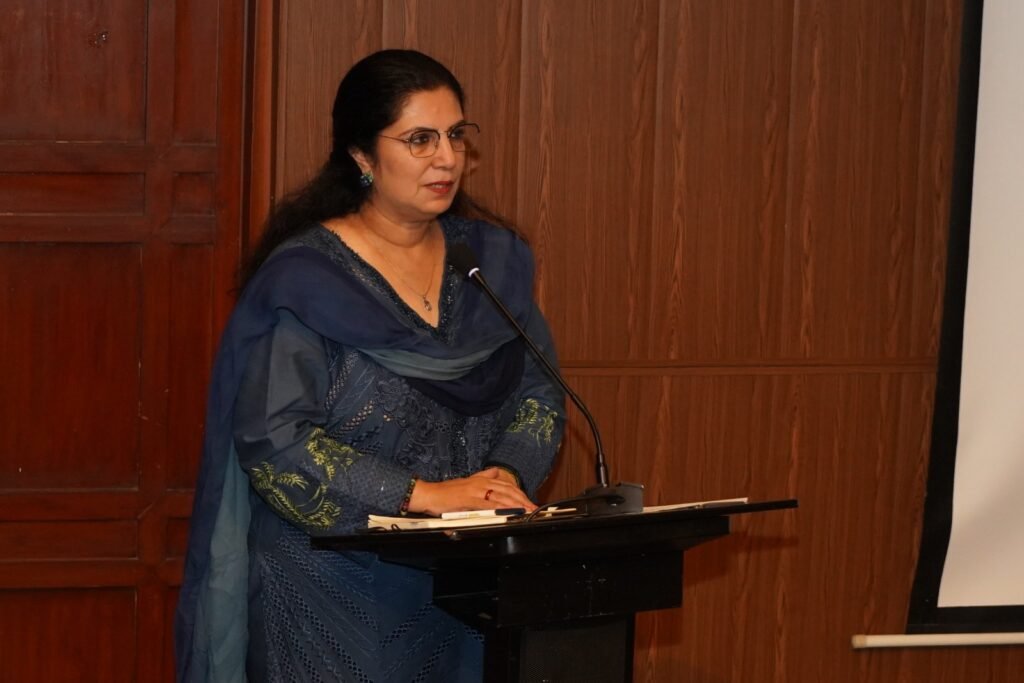
ISLAMABAD — The Pakistan National Council of the Arts (PNCA) hosted a tribute ceremony on Friday at the National Art Gallery to honor the late Prof. Dr. Shaukat Mahmood, a distinguished artist and educator whose contributions have left a lasting impact on Pakistan’s cultural and educational landscape. What Happened The event, titled “A Lifetime Tribute to Prof. Dr. Shaukat Mahmood (Late),” was organized to celebrate the life and legacy of one of Pakistan’s most revered figures in the arts and education sectors. Attendees included artists, educators, students, and admirers who gathered to pay their respects and reflect on Dr. Mahmood’s extensive body of work. Speakers at the event highlighted Dr. Mahmood’s profound influence as an artist, researcher, and mentor. His contributions to the field of art education were particularly emphasized, with many noting how his teachings have inspired generations of artists and educators across the country. The ceremony featured speeches, presentations, and an exhibition of Dr. Mahmood’s artwork, showcasing his unique style and thematic diversity. PNCA officials underscored the importance of remembering and celebrating figures like Dr. Mahmood, whose work continues to inspire and educate. “Dr. Shaukat Mahmood was not only a remarkable artist but also a visionary educator who dedicated his life to nurturing talent and promoting the arts in Pakistan,” a PNCA spokesperson stated. Background Prof. Dr. Shaukat Mahmood was a pivotal figure in Pakistan’s art and education sectors. Over his illustrious career, he served in various capacities, including as a professor and mentor to countless students. His research and artistic endeavors have been recognized nationally and internationally, earning him numerous accolades. Dr. Mahmood’s work is characterized by its exploration of cultural and social themes, often reflecting the complexities of Pakistani society. His commitment to education was evident in his efforts to integrate art into mainstream education, advocating for its importance in fostering critical thinking and creativity among students. The PNCA, established in 1973, has been instrumental in promoting and preserving Pakistan’s cultural heritage. Through events like this tribute ceremony, the council aims to honor individuals who have significantly contributed to the nation’s artistic and cultural development. Why It Matters The tribute to Prof. Dr. Shaukat Mahmood is significant not only as a recognition of his individual achievements but also as a reflection of the broader cultural appreciation for the arts in Pakistan. In a country where arts and culture often face challenges due to economic and political factors, celebrating figures like Dr. Mahmood serves as a reminder of the vital role that art plays in society. Dr. Mahmood’s legacy in art education is particularly impactful. By championing the integration of art into education, he has helped shape a more holistic approach to learning, one that values creativity alongside traditional academic disciplines. This approach is crucial for developing critical thinking skills and fostering innovation, qualities that are increasingly important in today’s globalized world. Moreover, the event underscores the PNCA’s ongoing commitment to nurturing and preserving Pakistan’s cultural heritage. By honoring past luminaries, the council not only acknowledges their contributions but also inspires future generations to pursue excellence in the arts. Key Takeaways The PNCA held a tribute ceremony for the late Prof. Dr. Shaukat Mahmood at the National Art Gallery. Dr. Mahmood was celebrated for his contributions as an artist, educator, and mentor. The event featured speeches, presentations, and an exhibition of Dr. Mahmood’s artwork. Dr. Mahmood’s legacy in art education continues to inspire new generations in Pakistan. The PNCA aims to preserve and promote Pakistan’s cultural heritage through such events. Source Attribution This article is based on official statements and public communications from the Pakistan National Council of the Arts. Author: NEN Editorial Desk | Editor: NEN Newsroom | Fact Checked By: NEN Editorial Team Author: NEN Editorial Desk  |  Editor: NEN Newsroom  |  Last Updated: August 07, 2026  |  Source: NEN Reporter This article was produced by the NEN Editorial Desk in accordance with NEN Agency’s Editorial Policy and Fact-Checking Policy.
Pakistan

Hot, Humid Weather to Continue; Rain Expected in Northern Pakistan

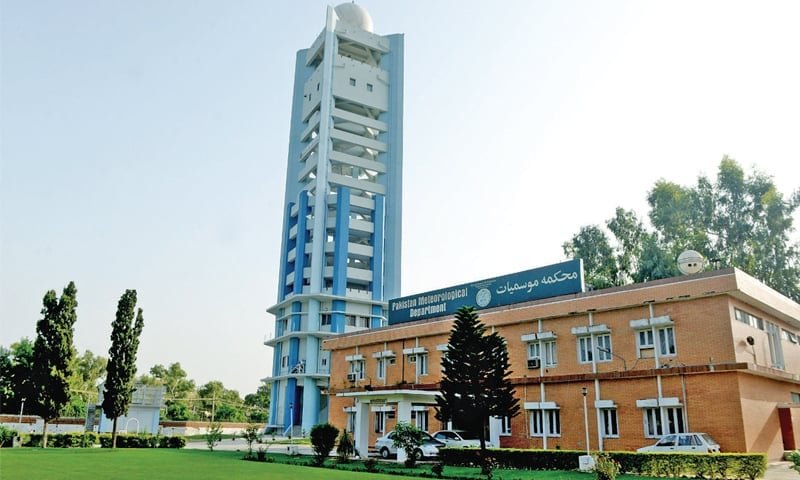
ISLAMABAD — The Pakistan Meteorological Department (PMD) has predicted that hot and humid weather will continue to prevail across most parts of the country on Saturday, with the possibility of rain and thundershowers in the northern regions. This forecast comes as the country experiences a prolonged period of high temperatures and humidity. What Happened According to the PMD, the weather is expected to remain hot and humid in the majority of the country, including major urban centers such as Karachi, Lahore, and Islamabad. However, isolated rain-wind/thundershowers are anticipated in the upper parts of the country, particularly in Kashmir, Khyber Pakhtunkhwa, northeastern and southern Punjab, and Gilgit-Baltistan. The PMD’s forecast indicates that these regions may experience some relief from the oppressive heat due to the expected precipitation. “We are expecting rain and thundershowers in the northern parts, which could bring temporary respite from the heat,” stated a PMD spokesperson. The department has advised residents in these areas to remain cautious of potential weather-related disruptions. The likelihood of rain is attributed to the prevailing weather systems affecting the region. The PMD has been monitoring these systems closely to provide timely updates and warnings to the public. The department has also urged citizens to stay informed through official channels to ensure their safety during adverse weather conditions. Background Paksitan has been grappling with extreme weather patterns in recent years, largely attributed to climate change. The country has witnessed a rise in the frequency and intensity of heatwaves, particularly in urban areas. The current spell of hot and humid weather is not unusual for this time of year, but the added impact of climate change has exacerbated the situation. Historically, the monsoon season in Pakistan runs from July to September, bringing much-needed rain to various parts of the country. However, the distribution and intensity of rainfall have become increasingly erratic, posing challenges for agriculture and water management. The PMD plays a crucial role in forecasting weather patterns and issuing warnings to mitigate the impact of extreme weather events. Why It Matters The continuation of hot and humid weather, coupled with the potential for rain in northern regions, holds significant implications for Pakistan’s socio-economic landscape. Prolonged heatwaves can lead to increased health risks, particularly for vulnerable populations such as the elderly and those with pre-existing health conditions. The expected rain could provide some relief, but it also raises concerns about potential flooding and landslides in hilly areas. Economically, the agricultural sector is particularly vulnerable to weather fluctuations. Farmers rely heavily on predictable weather patterns to plan their planting and harvesting cycles. The erratic nature of rainfall can disrupt these cycles, leading to reduced crop yields and financial losses. This, in turn, affects food security and the livelihoods of millions of people dependent on agriculture. On a broader scale, the weather patterns underscore the urgent need for Pakistan to address climate change and invest in sustainable infrastructure. Improved forecasting and early warning systems can help mitigate the impact of extreme weather events, but long-term solutions require comprehensive policy measures and international cooperation. Key Takeaways The PMD forecasts continued hot and humid weather across most of Pakistan on Saturday. Rain and thundershowers are expected in northern regions, including Kashmir and Khyber Pakhtunkhwa. The weather conditions highlight the challenges posed by climate change and the need for effective mitigation strategies. Prolonged heatwaves and erratic rainfall patterns have significant socio-economic implications, particularly for agriculture. Residents are advised to stay informed and take precautions during adverse weather conditions. Source Attribution This article is based on official statements from the Pakistan Meteorological Department and public communications from relevant authorities. Author: NEN Editorial Desk | Editor: NEN Newsroom | Fact Checked By: NEN Editorial Team Author: NEN Editorial Desk  |  Editor: NEN Newsroom  |  Last Updated: August 07, 2026  |  Source: NEN Reporter This article was produced by the NEN Editorial Desk in accordance with NEN Agency’s Editorial Policy and Fact-Checking Policy.

World

Port Qasim Sees Influx of Five Ships with Diverse Cargo

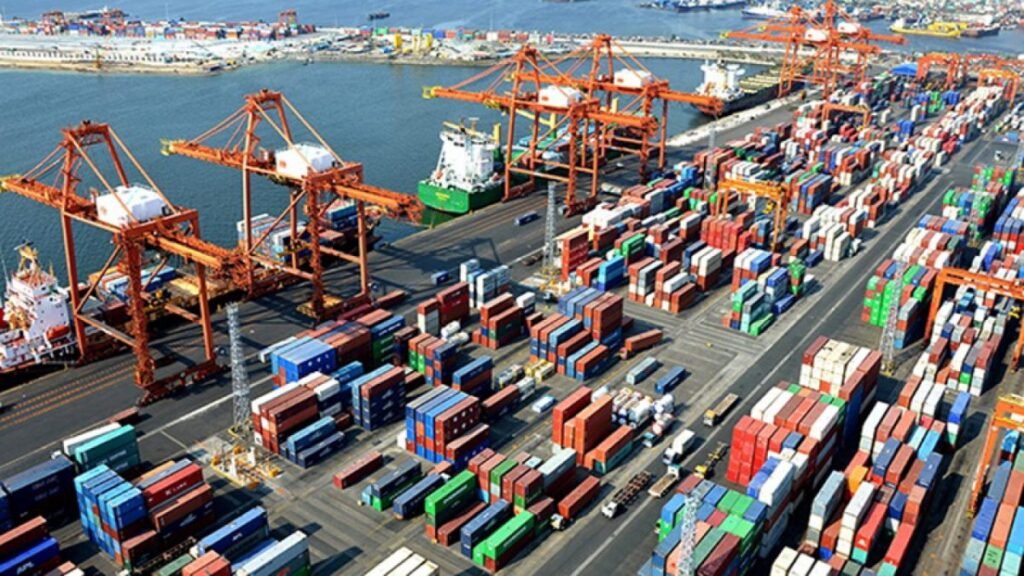
ISLAMABAD — Port Qasim witnessed significant shipping activity on August 6 as five vessels docked at various terminals, carrying a mix of containerized goods, palm oil, soybean seeds, and coal. The ships, identified as Tucapel, BSG Bimini, PST Genesis, Cymona Pride, and ES Warrior, berthed at the Qasim International Container Terminal, Liquid Cargo Terminal, Grain Terminal, and Pakistan International Bulk Terminal. What Happened On August 6, Port Qasim, one of Pakistan’s major seaports, experienced a surge in shipping activity. The port accommodated five ships, each carrying different types of cargo essential for various sectors of the economy. The ships included Tucapel, BSG Bimini, PST Genesis, Cymona Pride, and ES Warrior. These vessels berthed at the Qasim International Container Terminal, Liquid Cargo Terminal, Grain Terminal, and Pakistan International Bulk Terminal, indicating a diverse range of imports. The Tucapel and BSG Bimini were responsible for delivering containerized goods, which are crucial for the retail and manufacturing sectors. PST Genesis brought in palm oil, a key ingredient in the food processing industry. Cymona Pride delivered soybean seeds, which are essential for the agricultural sector, particularly for livestock feed. Lastly, ES Warrior carried coal, a vital resource for Pakistan’s energy and industrial sectors. This influx of ships and their diverse cargo highlights the strategic importance of Port Qasim in facilitating international trade and supporting the country’s economic activities. The port’s ability to handle a variety of goods simultaneously demonstrates its capacity and efficiency in managing large-scale shipping operations. Background Port Qasim, located near Karachi, is one of Pakistan’s busiest ports, handling a significant portion of the country’s maritime trade. Established in the late 1970s, the port has grown to become a crucial hub for imports and exports, serving as a gateway for goods entering and leaving Pakistan. The port’s infrastructure includes multiple terminals designed to handle different types of cargo, such as containers, liquid bulk, dry bulk, and general cargo. Historically, Port Qasim has played a vital role in supporting Pakistan’s economic growth by facilitating the import of essential commodities and raw materials. The port’s strategic location and modern facilities make it a preferred choice for international shipping lines, contributing to the country’s trade and commerce. Why It Matters The recent shipping activity at Port Qasim is significant for several reasons. Economically, the arrival of these ships with diverse cargo supports various industries across Pakistan. The import of containerized goods helps sustain the retail and manufacturing sectors, ensuring a steady supply of products for consumers and businesses. The palm oil shipment is crucial for the food processing industry, which relies on this commodity for producing a wide range of products. Agriculturally, the soybean seeds delivered by Cymona Pride are vital for livestock feed production, supporting the country’s agricultural sector and food security. The coal shipment by ES Warrior is particularly important for Pakistan’s energy sector, as coal is a key resource for power generation and industrial processes. Politically, the efficient handling of such diverse cargo at Port Qasim reflects positively on Pakistan’s trade infrastructure, potentially attracting more international shipping lines to use the port. This could lead to increased trade volumes, boosting the country’s economy and strengthening its position in the global trade network. Key Takeaways Port Qasim received five ships on August 6, carrying containerized goods, palm oil, soybean seeds, and coal. The ships berthed at various terminals, including the Qasim International Container Terminal and Liquid Cargo Terminal. The diverse cargo supports multiple sectors, including retail, manufacturing, agriculture, and energy. The efficient handling of these shipments highlights Port Qasim’s strategic importance in international trade. The activity underscores the port’s role in facilitating Pakistan’s economic growth and trade infrastructure. Source Attribution This article is based on official government statements, press releases, and public communications from relevant authorities. Author: NEN Editorial Desk | Editor: NEN Newsroom | Fact Checked By: NEN Editorial Team Author: NEN Editorial Desk  |  Editor: NEN Newsroom  |  Last Updated: August 07, 2026  |  Source: NEN Reporter This article was produced by the NEN Editorial Desk in accordance with NEN Agency’s Editorial Policy and Fact-Checking Policy.
Pakistan

National Bank of Pakistan Releases Latest Currency Exchange Rates

KARACHI — The National Bank of Pakistan (NBP) has announced the latest buying and selling rates for major foreign currencies as of Friday, August 7. These rates provide a crucial reference for businesses, investors, and individuals engaged in foreign exchange transactions across the country. What Happened The National Bank of Pakistan, one of the country’s leading financial institutions, disclosed the updated exchange rates for several key international currencies. According to the NBP, the US dollar is currently being sold at PKR 279.49 and bought at PKR 276.49. The British pound sterling is available for sale at PKR 375.97 and purchase at PKR 371.53. Meanwhile, the euro stands at a selling rate of PKR 322.04 and a buying rate of PKR 318.26. Other notable currencies include the Japanese yen, which has a selling rate of PKR 1.7640 and a buying rate of PKR 1.7433. The United Arab Emirates dirham is being sold at PKR 74.45 and bought at PKR 73.56, while the Saudi riyal is available at a selling rate of PKR 76.10 and a buying rate of PKR 75.20. These rates are pivotal for various economic activities, including import and export businesses, remittances, and other financial transactions that require currency conversion. The NBP’s announcement is part of its routine updates aimed at maintaining transparency and providing guidance to market participants. Background The National Bank of Pakistan regularly publishes currency exchange rates to facilitate the smooth operation of foreign exchange markets in the country. As a state-owned bank, NBP plays a significant role in the financial sector, providing various banking services, including foreign currency exchange, to its clients. Pakistan’s foreign exchange market is influenced by several factors, including international trade dynamics, remittance inflows, and monetary policy decisions. The State Bank of Pakistan (SBP) oversees the overall monetary policy and foreign exchange regulations, while commercial banks like NBP execute transactions and provide market rates to the public. Historically, the Pakistani rupee has experienced fluctuations against major currencies due to economic challenges, geopolitical developments, and changes in global financial markets. The exchange rates announced by NBP are reflective of current market conditions and are subject to change based on various economic indicators. Why It Matters The exchange rates provided by the National Bank of Pakistan have significant implications for the economy and individual financial planning. For businesses engaged in international trade, these rates determine the cost of importing goods and the revenue from exports. A higher exchange rate for the US dollar, for instance, can increase the cost of importing raw materials, impacting production costs and consumer prices. For individuals, especially those receiving remittances from abroad, the buying rate of foreign currencies affects the value of money received in Pakistani rupees. A favorable exchange rate can enhance the purchasing power of remittances, which are a vital source of income for many families in Pakistan. On a macroeconomic level, exchange rates influence inflation, foreign reserves, and the balance of payments. A stable exchange rate environment is crucial for economic planning and investment, as it reduces uncertainty and promotes confidence among investors and consumers. Key Takeaways The National Bank of Pakistan announced updated exchange rates for major currencies, including the US dollar, British pound, and euro. The US dollar is being sold at PKR 279.49 and bought at PKR 276.49, reflecting current market conditions. Exchange rates are critical for businesses, investors, and individuals engaged in foreign exchange transactions. Fluctuations in exchange rates can impact import costs, remittance values, and overall economic stability. NBP’s regular updates provide transparency and guidance in the foreign exchange market. Source Attribution This article is based on official government statements, press releases, and public communications from relevant authorities. Author: NEN Editorial Desk | Editor: NEN Newsroom | Fact Checked By: NEN Editorial Team Author: NEN Editorial Desk  |  Editor: NEN Newsroom  |  Last Updated: August 07, 2026  |  Source: NEN Reporter This article was produced by the NEN Editorial Desk in accordance with NEN Agency’s Editorial Policy and Fact-Checking Policy.
Pakistan

NCRC and PAHCHAAN Collaborate to Enhance Child Rights Legislation in Pakistan

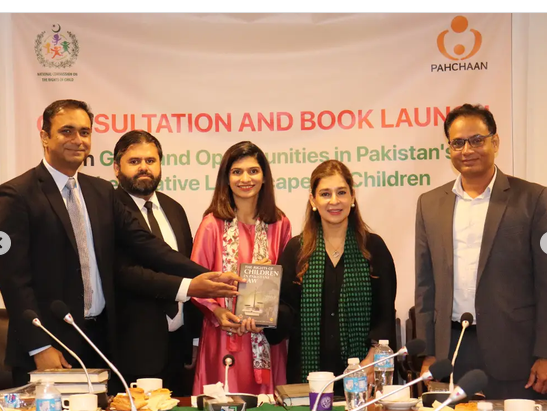
ISLAMABAD — The National Commission on the Rights of Child (NCRC) and Protection and Help of Children Against Abuse and Neglect (PAHCHAAN) held a consultation on Friday to discuss the legislative gaps and opportunities concerning child rights in Pakistan. The event also marked the launch of the fifth edition of the book “The Rights of Children in Pakistani Law.” What Happened The consultation, titled “Gaps and Opportunities in Pakistan’s Legislative Landscape for Children,” brought together stakeholders from various sectors to deliberate on the current state of child rights laws in Pakistan. The event underscored the need for comprehensive legal reforms to protect children from abuse and neglect. According to a press release, the consultation aimed to identify legislative shortcomings and explore potential enhancements to existing laws. The book launch was a significant part of the event, providing an updated resource on the rights of children within the Pakistani legal framework. The fifth edition of “The Rights of Children in Pakistani Law” serves as a critical tool for policymakers, legal practitioners, and child rights advocates, offering insights into the legislative measures in place and areas needing improvement. Participants at the event included legal experts, child rights activists, and representatives from governmental and non-governmental organizations. They discussed various challenges, such as the implementation of existing laws, the need for new legislation, and the importance of harmonizing national laws with international child rights conventions. Dr. Naeem Zafar, Chairperson of NCRC, emphasized the importance of such consultations in fostering a collaborative approach to child rights. “Our goal is to ensure that every child in Pakistan is protected by robust laws that are effectively implemented,” he stated. Meanwhile, Dr. Asif Mehmood Jah, a representative from PAHCHAAN, highlighted the need for increased awareness and education on child rights among the public and policymakers. Background Child rights in Pakistan have been a subject of concern for many years, with various international and local organizations calling for reforms. Pakistan is a signatory to the United Nations Convention on the Rights of the Child (UNCRC), which mandates the protection of children’s rights to survival, development, protection, and participation. Despite this commitment, the country faces challenges in fully implementing these rights due to socio-economic, cultural, and political factors. Previous efforts to strengthen child rights legislation have included the enactment of the Juvenile Justice System Act, the Child Protection System Bill, and various provincial child protection laws. However, gaps remain in terms of enforcement and coverage, particularly in rural and underdeveloped areas. Why It Matters The strengthening of child rights laws in Pakistan is crucial for several reasons. Economically, protecting children from abuse and neglect can reduce long-term societal costs associated with healthcare, legal proceedings, and social services. Socially, it contributes to the overall well-being and development of the younger population, ensuring they grow up in a safe and nurturing environment. Politically, enhancing child rights legislation aligns with Pakistan’s international commitments and improves its standing in the global community. It also demonstrates the government’s dedication to upholding human rights and can foster greater trust and cooperation with international partners and donors. For citizens, particularly children and their families, stronger legal protections can lead to improved quality of life and access to justice. It can empower communities to advocate for their rights and hold authorities accountable for the protection and welfare of children. Key Takeaways The NCRC and PAHCHAAN held a consultation to address gaps in child rights legislation in Pakistan. The event included the launch of the fifth edition of “The Rights of Children in Pakistani Law.” Stakeholders discussed the need for legal reforms and better implementation of existing laws. Strengthening child rights laws is vital for economic, social, and political reasons. Improved legislation can enhance Pakistan’s international standing and benefit its citizens. Source Attribution This article is based on official government statements, press releases, and public communications from relevant authorities. Author: NEN Editorial Desk | Editor: NEN Newsroom | Fact Checked By: NEN Editorial Team Author: NEN Editorial Desk  |  Editor: NEN Newsroom  |  Last Updated: August 07, 2026  |  Source: Press Release from Government of Pakistan This article was produced by the NEN Editorial Desk in accordance with NEN Agency’s Editorial Policy and Fact-Checking Policy.

World

KP, World Bank to Speed Up Water and Sanitation Projects in Tribal Areas

PESHAWAR — The Khyber Pakhtunkhwa (KP) government and the World Bank have agreed to accelerate the implementation of clean drinking water and sanitation projects in the merged tribal districts (MDs). This decision was reached on Friday during a review of the KP Rural Investment and Institutional Support Programme (KP-RIISP), aimed at improving infrastructure and living conditions in these areas. What Happened The meeting between KP government officials and World Bank representatives focused on the progress of ongoing projects under the KP-RIISP. Both parties acknowledged the need to expedite efforts to provide essential services such as clean drinking water and improved sanitation facilities in the merged districts, which have historically been underserved. During the discussions, the World Bank reaffirmed its commitment to supporting KP’s development goals, particularly in enhancing the quality of life for residents in the tribal areas. The KP government, in turn, emphasized the importance of timely project execution to meet the pressing needs of these communities. A comprehensive plan was outlined to ensure that the projects are completed within the stipulated timelines, with an emphasis on transparency and accountability. According to officials, the initiative aims to address the critical gaps in water supply and sanitation infrastructure, which have been a long-standing issue in the MDs. The projects are expected to improve public health outcomes and contribute to the socio-economic development of the region. Background The merged tribal districts, formerly known as the Federally Administered Tribal Areas (FATA), were integrated into Khyber Pakhtunkhwa in 2018 following the 25th Constitutional Amendment. This merger was intended to bring the tribal regions into the national mainstream, providing them with the same rights and development opportunities as other parts of Pakistan. The KP-RIISP is part of a broader strategy to uplift the socio-economic conditions in these districts. The program focuses on infrastructure development, institutional support, and capacity building to facilitate sustainable growth. The World Bank has been a key partner in this initiative, providing financial and technical assistance to ensure the successful implementation of various projects. Why It Matters The acceleration of water and sanitation projects in the merged tribal districts is crucial for several reasons. Firstly, access to clean drinking water and adequate sanitation facilities is a fundamental human right and a critical component of public health. By improving these services, the initiative aims to reduce the incidence of waterborne diseases, which are prevalent in the region due to inadequate infrastructure. Economically, the projects are expected to create job opportunities for local residents, both during the construction phase and in the long term through maintenance and operation roles. This can help alleviate poverty and stimulate economic activity in the region, contributing to its overall development. Politically, the successful implementation of these projects can enhance the government’s credibility and strengthen its relationship with the tribal communities. The integration of the MDs into KP was a significant political move, and delivering on development promises is essential to maintaining public trust and ensuring stability in the region. On an international level, the collaboration between the KP government and the World Bank underscores Pakistan’s commitment to achieving the United Nations Sustainable Development Goals (SDGs), particularly Goal 6, which focuses on clean water and sanitation for all. Key Takeaways The KP government and World Bank have agreed to expedite water and sanitation projects in the merged tribal districts. The initiative is part of the KP-RIISP, aimed at improving infrastructure and living conditions in these areas. Access to clean water and sanitation is expected to improve public health and create economic opportunities. The projects are crucial for the socio-economic development and political stability of the region. This collaboration highlights Pakistan’s commitment to the UN Sustainable Development Goals. Source Attribution This article is based on official government statements, press releases, and public communications from relevant authorities. Author: NEN Editorial Desk | Editor: NEN Newsroom | Fact Checked By: NEN Editorial Team Author: NEN Editorial Desk  |  Editor: NEN Newsroom  |  Last Updated: August 07, 2026  |  Source: NEN Reporter This article was produced by the NEN Editorial Desk in accordance with NEN Agency’s Editorial Policy and Fact-Checking Policy.

Pakistan

Government to Enhance Economic Models and Incentives, Says Cheema

ISLAMABAD — Federal Minister for Economic Affairs Ahad Cheema announced on Friday that the government is committed to facilitating the adoption of modern economic models and expanding cost-based incentives to bolster industrial growth and enhance Pakistan’s export potential. The announcement was made during a meeting chaired by Cheema to review the roadmap of the Ministry of Industries and Production, with a particular focus on strengthening the Small and Medium Enterprises (SMEs) sector. What Happened During the meeting, Minister Ahad Cheema emphasized the government’s intent to modernize economic models and provide cost-based incentives aimed at accelerating industrial growth. The meeting, which took place in Islamabad, was attended by key officials from the Ministry of Industries and Production. Cheema highlighted the importance of SMEs in the national economy, stating, “SMEs are the backbone of our economy, and their growth is essential for increasing our industrial output and export capabilities.” The minister outlined a series of steps the government plans to take, including the introduction of new policies that align with international economic standards and practices. These policies are expected to create a more conducive environment for SMEs, enabling them to compete more effectively in global markets. Cheema also discussed the expansion of cost-based incentives that would reduce operational costs for businesses, thereby enhancing their competitiveness. Cheema further stressed the need for a collaborative approach involving various stakeholders, including government bodies, private sector players, and international partners, to successfully implement these economic models. He noted that such collaboration would ensure that the policies are not only comprehensive but also sustainable in the long term. Background Pakistan’s economy has historically relied heavily on agriculture and traditional industries. However, in recent years, there has been a growing recognition of the need to diversify the economic base and strengthen the industrial sector. SMEs, which constitute a significant portion of Pakistan’s industrial landscape, have often faced challenges such as limited access to finance, outdated technology, and insufficient infrastructure. Previous government initiatives have aimed at addressing these issues, but results have been mixed. The current government’s focus on modern economic models and cost-based incentives represents a continuation and expansion of these efforts, with an added emphasis on aligning with global economic practices. Why It Matters The government’s commitment to adopting modern economic models and expanding incentives is significant for several reasons. Economically, it represents a strategic shift towards enhancing industrial productivity and competitiveness, which is crucial for increasing exports and reducing the trade deficit. By focusing on SMEs, the government aims to tap into a sector that has the potential to drive economic growth and job creation. Socially, the development of SMEs can lead to more equitable economic opportunities across different regions of Pakistan, potentially reducing urban-rural economic disparities. Politically, successful implementation of these policies could strengthen the government’s position by demonstrating its ability to deliver on economic promises and improve the overall economic climate. Internationally, aligning with modern economic models can enhance Pakistan’s reputation as a business-friendly destination, attracting foreign investment and fostering international trade partnerships. This alignment is particularly important as Pakistan seeks to integrate more fully into the global economy. Key Takeaways Federal Minister Ahad Cheema announced plans to adopt modern economic models and expand incentives. The focus is on strengthening SMEs to boost industrial growth and export potential. New policies will align with international standards to enhance competitiveness. The initiative aims to create a more conducive environment for business growth. Successful implementation could improve Pakistan’s economic standing globally. Source Attribution This article is based on official government statements and public communications from relevant authorities. Author: NEN Editorial Desk | Editor: NEN Newsroom | Fact Checked By: NEN Editorial Team Author: NEN Editorial Desk  |  Editor: NEN Newsroom  |  Last Updated: August 07, 2026  |  Source: NEN Reporter This article was produced by the NEN Editorial Desk in accordance with NEN Agency’s Editorial Policy and Fact-Checking Policy.

Scroll to Top