
2026

Pakistan

FGEHA Recovers 132 Kanals in G-15/3, Issues Allotment Letters to 38 Allottees

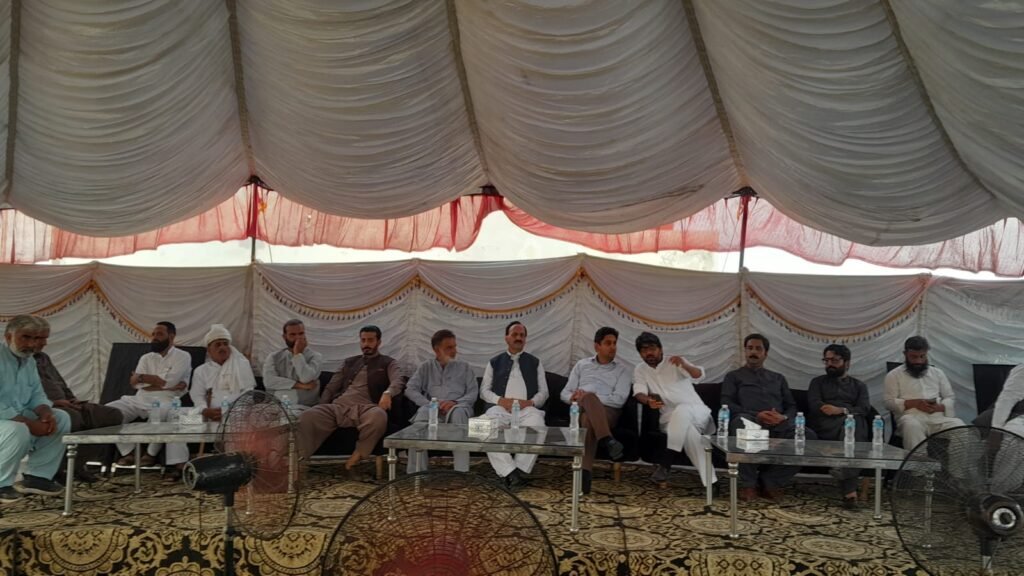
ISLAMABAD — The Federal Government Employees Housing Authority (FGEHA) has successfully retrieved 132 kanals of land in Sector G-15/3, Islamabad, and distributed allotment letters to 38 affected allottees. The initiative, directed by FGEHA’s Director General Captain (Retd.) Zafar Iqbal, marks a significant step in addressing the housing needs of government employees. What Happened In a ceremony held under the supervision of Captain (Retd.) Zafar Iqbal, the FGEHA distributed allotment letters to 38 individuals who had been affected by previous land acquisition issues in Sector G-15/3. This sector, located in the federal capital, has been a focal point for housing development aimed at accommodating federal government employees. The event was organized to formally acknowledge the resolution of longstanding disputes over land allocation. The retrieval of 132 kanals of land is part of FGEHA’s broader efforts to ensure that government employees receive their rightful allotments. The Director General emphasized the authority’s commitment to resolving land disputes efficiently and ensuring transparency in the allotment process. Captain (Retd.) Zafar Iqbal stated, “The distribution of allotment letters today is a testament to our dedication to fulfilling the housing needs of our employees. We are committed to ensuring that allottees receive their due rights without further delay.” The ceremony underscored the FGEHA’s ongoing initiatives to streamline housing allocations and address grievances related to land disputes. Background The Federal Government Employees Housing Authority was established to provide affordable housing solutions to federal employees across Pakistan. Over the years, the authority has faced challenges related to land acquisition and allocation, often due to legal and bureaucratic hurdles. Sector G-15/3, in particular, has been a site of contention, with numerous allottees awaiting resolution of their cases. In recent years, the FGEHA has intensified efforts to recover disputed lands and expedite the allotment process. This initiative aligns with broader governmental policies aimed at improving living conditions for public sector employees and addressing the housing shortfall in urban centers like Islamabad. Why It Matters The recovery and distribution of land in Sector G-15/3 carry significant implications for the housing sector in Islamabad. Firstly, it highlights the government’s commitment to resolving land disputes that have historically plagued housing projects for federal employees. The successful retrieval of 132 kanals of land not only benefits the immediate allottees but also sets a precedent for future land recovery efforts. Economically, the resolution of such disputes can lead to increased confidence in government housing schemes, encouraging more employees to invest in these projects. It also alleviates pressure on the housing market by providing more options for government employees, potentially stabilizing property prices in the area. Socially, the distribution of allotment letters represents a step towards fulfilling the promises made to government employees, many of whom have waited years for their rightful allotments. This action can improve morale and trust in government institutions, as employees see tangible results from policy initiatives. Politically, the move reinforces the government’s narrative of accountability and efficiency in public service delivery. By addressing the grievances of affected allottees, the FGEHA and the broader government demonstrate a commitment to transparency and justice in administrative processes. Key Takeaways FGEHA successfully retrieved 132 kanals of land in Sector G-15/3, Islamabad. Allotment letters were distributed to 38 affected allottees in a formal ceremony. The initiative is part of ongoing efforts to resolve land disputes and streamline housing allocations. This recovery boosts confidence in government housing schemes and addresses housing shortages. The move underscores the government’s commitment to transparency and accountability. Source Attribution This article is based on official government statements and public communications from relevant authorities. Author: NEN Editorial Desk | Editor: NEN Newsroom | Fact Checked By: NEN Editorial Team Author: NEN Editorial Desk  |  Editor: NEN Newsroom  |  Last Updated: August 07, 2026  |  Source: NEN Reporter This article was produced by the NEN Editorial Desk in accordance with NEN Agency’s Editorial Policy and Fact-Checking Policy.

World

PCB Imposes Two-Year Ban on Cricketer Hamza Nazar for Misrepresentation

ISLAMABAD — The Pakistan Cricket Board (PCB) has announced a two-year ban on cricketer Hamza Nazar, effective immediately, for misrepresentation in domestic cricket. The decision, revealed on October 15, 2023, also includes a fine of PKR 1 million, underscoring the PCB’s commitment to maintaining integrity in the sport. What Happened Hamza Nazar, a domestic cricketer, has been barred from participating in all forms of cricket, both domestic and international, for a period of two years. The PCB’s decision follows an investigation that revealed Nazar had engaged in misrepresentation, a serious breach of conduct according to cricket regulations. The details of the misrepresentation were not disclosed in the PCB’s official statement, but the severity of the punishment indicates a significant violation. The PCB’s statement emphasized their zero-tolerance policy towards any form of misconduct that could tarnish the sport’s reputation. “The integrity of cricket is paramount, and any actions that compromise this will be met with strict disciplinary measures,” the statement read. The board has been vigilant in its efforts to uphold the standards of the sport, and this decision reflects their ongoing commitment to these principles. In addition to the suspension, Hamza Nazar has been fined PKR 1 million. The financial penalty is intended to reinforce the seriousness of the offence and deter similar actions by other players. The PCB has made it clear that the ban is non-negotiable and will be enforced without exception. Background Misrepresentation in sports, particularly cricket, has been a recurring issue. The PCB has previously dealt with similar cases, where players have faced suspensions and fines for actions that undermine the sport’s integrity. This incident follows a broader trend of sports organizations globally taking a hard stance against any form of dishonesty or misrepresentation. In Pakistan, the PCB has been actively working to clean up the sport, following several high-profile cases of corruption and misconduct in the past decade. The board has implemented stricter regulations and monitoring systems to detect and prevent such incidents. This ban on Hamza Nazar is part of these efforts to ensure that cricket remains a fair and transparent sport. Why It Matters The ban on Hamza Nazar is significant for several reasons. Firstly, it highlights the PCB’s dedication to maintaining the integrity of cricket in Pakistan. By imposing a severe penalty, the board sends a strong message to all players about the consequences of unethical behavior. This is crucial for preserving the sport’s reputation and ensuring fair play. Economically, the decision could impact Hamza Nazar’s career significantly. A two-year suspension from all cricket activities not only affects his immediate earning potential but also his future prospects in the sport. This serves as a cautionary tale for other players who might consider engaging in similar misconduct. Socially, the incident underscores the importance of ethical conduct in sports. Cricket is a beloved sport in Pakistan, and any scandal can have a widespread impact on its fans and followers. By taking decisive action, the PCB aims to restore public confidence in the sport and its governance. On an international level, this move aligns with global efforts to combat corruption and misconduct in sports. The PCB’s actions demonstrate Pakistan’s commitment to upholding international standards and ensuring that its players adhere to the highest levels of professionalism. Key Takeaways The PCB has imposed a two-year ban on Hamza Nazar for misrepresentation. Hamza Nazar has also been fined PKR 1 million as part of the disciplinary action. This decision is part of the PCB’s efforts to maintain the integrity of cricket in Pakistan. The ban serves as a warning to other players about the consequences of unethical behavior. It reflects Pakistan’s commitment to upholding international standards in sports governance. Source Attribution This article is based on official statements from the Pakistan Cricket Board and public communications from relevant authorities. Author: NEN Editorial Desk | Editor: NEN Newsroom | Fact Checked By: NEN Editorial Team Author: NEN Editorial Desk  |  Editor: NEN Newsroom  |  Last Updated: August 06, 2026  |  Source: NEN Reporter This article was produced by the NEN Editorial Desk in accordance with NEN Agency’s Editorial Policy and Fact-Checking Policy.
Pakistan

SBP Mandates Daily Reporting of Premium Prize Bonds Sales by Banks

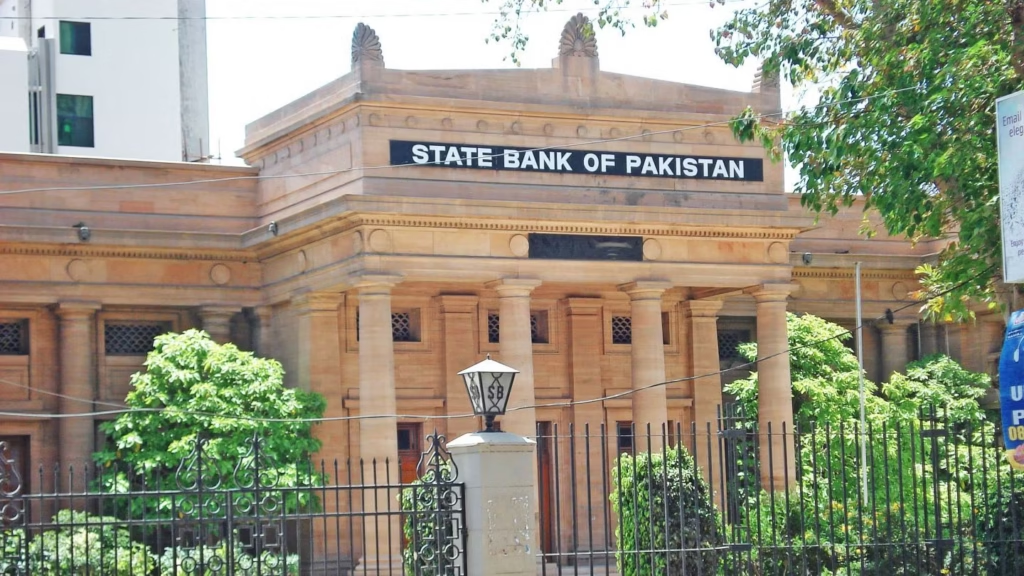
ISLAMABAD — The State Bank of Pakistan (SBP) has announced a new directive requiring all banks to report daily sales of Premium Prize Bonds (PPBs) to the SBP Banking Services Corporation. This decision, made on Thursday, aims to streamline the settlement process for PPB transactions, ensuring they are completed within the same day. What Happened The SBP has revised its reporting mechanism for Premium Prize Bonds, mandating that all banks involved in the sale of these bonds must now provide daily transaction reports. The move is intended to enhance transparency and efficiency in the handling of PPB sales. According to the SBP, this requirement will help in the timely settlement of transactions, thereby improving the overall financial management of these instruments. Premium Prize Bonds are a form of investment that offers investors a chance to win cash prizes through periodic draws. The SBP’s latest directive requires banks to settle all PPB sale transactions with the SBP Banking Services Corporation on the same day they occur. This change is part of a broader effort to ensure that financial transactions related to government securities are conducted smoothly and without delay. An official statement from the SBP emphasized the importance of this new reporting requirement, stating, “The daily reporting of Premium Prize Bonds sales will ensure that all transactions are accounted for in a timely manner, thereby maintaining the integrity and efficiency of the financial system.” Background The introduction of Premium Prize Bonds by the SBP was a strategic move to provide a secure investment option for the public, offering both returns and the chance to win prizes. Unlike regular prize bonds, PPBs offer a fixed return, making them an attractive option for risk-averse investors. The SBP has been continuously refining the regulatory framework surrounding these bonds to enhance their appeal and operational efficiency. Historically, the SBP has taken various steps to improve the financial infrastructure of Pakistan, including the implementation of modern reporting and settlement systems. The current directive is part of ongoing efforts to align Pakistan’s financial practices with international standards, ensuring robust oversight and management of financial products. Why It Matters The SBP’s decision to mandate daily reporting of PPB sales is significant for several reasons. Economically, it ensures that the funds generated from PPB sales are swiftly integrated into the national financial system, aiding in liquidity management. This is crucial for maintaining economic stability, particularly in a country where financial markets are sensitive to fluctuations in liquidity. From a regulatory perspective, the move enhances transparency in financial transactions, reducing the risk of discrepancies and potential fraud. By requiring banks to report sales on a daily basis, the SBP can maintain a real-time overview of the market, allowing for more informed decision-making and policy adjustments. For the public, this measure increases confidence in the financial system, as it demonstrates the SBP’s commitment to maintaining high standards of accountability and efficiency. Investors in Premium Prize Bonds can be assured that their transactions are being handled with the utmost care and oversight. Key Takeaways The SBP has mandated daily reporting of Premium Prize Bonds sales by banks to the SBP Banking Services Corporation. This directive aims to ensure same-day settlement of PPB transactions, enhancing financial efficiency. Premium Prize Bonds offer fixed returns and prize-winning opportunities, appealing to risk-averse investors. The move supports economic stability by improving liquidity management and reducing fraud risks. Increased transparency and accountability are expected to boost public confidence in the financial system. Source Attribution This article is based on official government statements, press releases, and public communications from relevant authorities. Author: NEN Editorial Desk | Editor: NEN Newsroom | Fact Checked By: NEN Editorial Team Author: NEN Editorial Desk  |  Editor: NEN Newsroom  |  Last Updated: August 06, 2026  |  Source: NEN Reporter This article was produced by the NEN Editorial Desk in accordance with NEN Agency’s Editorial Policy and Fact-Checking Policy.
World

FCCI Supports Fruit Tree Initiative in FDA City for Urban Afforestation

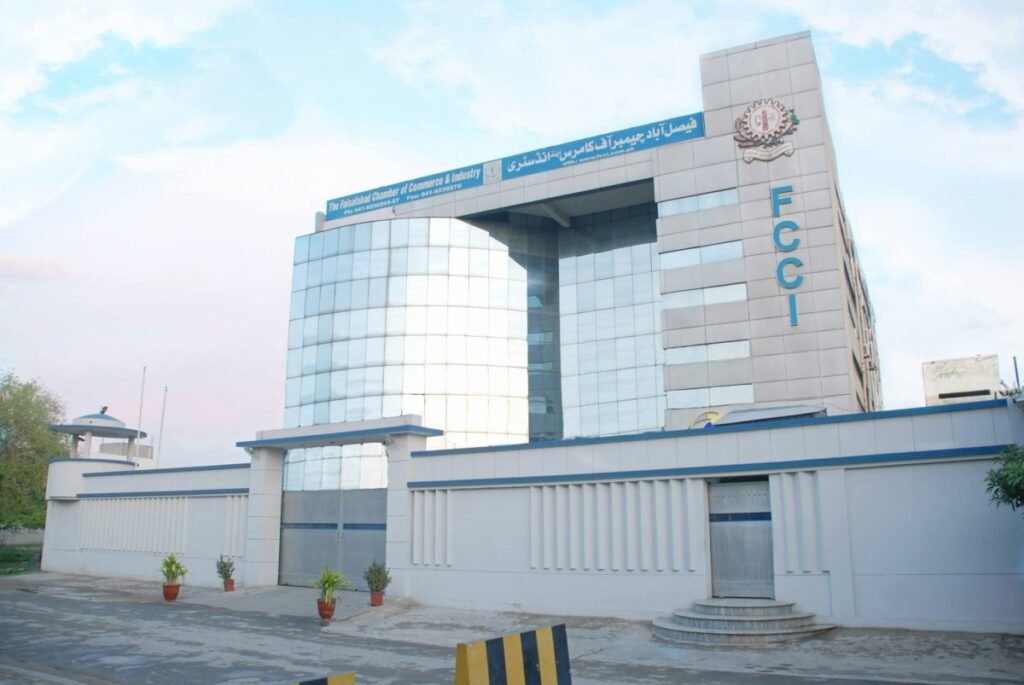
FAISALABAD — The Faisalabad Chamber of Commerce and Industry (FCCI) has expressed strong support for the Faisalabad Development Authority’s (FDA) recent initiative to plant fruit-bearing trees in FDA City, located on Sargodha Road. The initiative aims to address environmental concerns while also proposing a self-sustaining model for urban afforestation. What Happened The FCCI President, Farooq Yousaf Sheikh, praised the FDA’s efforts to enhance urban greenery through the plantation of fruit trees. According to Sheikh, this initiative is a strategic move to combat environmental pollution in the region. “The plantation of fruit-bearing trees is not only an environmental necessity but also a potential source of economic benefit,” he stated. The project is expected to yield sustainable financial returns, which could be reinvested into future afforestation projects, creating a cycle of continuous environmental improvement. The FDA’s initiative involves the planting of various types of fruit trees that are well-suited to the local climate and soil conditions. This effort is part of a broader strategy to enhance urban green spaces, improve air quality, and provide a habitat for local wildlife. Additionally, the project aims to engage the local community in environmental conservation efforts, fostering a sense of ownership and responsibility towards urban green spaces. Background Faisalabad, a major industrial city in Pakistan, has been grappling with environmental challenges, including air pollution and diminishing green spaces, due to rapid urbanization and industrial activities. The FDA City project is part of a series of initiatives launched by local authorities to address these issues. Historically, urban areas in Pakistan have faced significant challenges in maintaining green spaces, with many cities experiencing a decline in tree cover over the years. The concept of urban afforestation has gained traction globally as cities seek innovative ways to mitigate the effects of climate change and urban pollution. In Pakistan, similar initiatives have been implemented in other cities, such as Lahore and Karachi, with varying degrees of success. The FCCI’s endorsement of the FDA’s project highlights the growing recognition of the importance of sustainable urban planning and environmental conservation in the country’s economic hubs. Why It Matters The FDA’s fruit tree plantation initiative is significant for several reasons. Economically, it presents a model for generating revenue through the sale of fruit, which can be reinvested into further afforestation efforts. This self-sustaining approach could serve as a blueprint for other urban areas facing similar environmental challenges. Socially, the initiative has the potential to improve the quality of life for Faisalabad’s residents by enhancing air quality and providing green spaces for recreation and relaxation. The involvement of the local community in the project can also foster a culture of environmental stewardship, encouraging residents to take an active role in maintaining and expanding urban green spaces. Politically, the project aligns with national and international commitments to environmental sustainability and climate action. It demonstrates a proactive approach by local authorities to address environmental issues, potentially influencing policy decisions at higher levels of government. Furthermore, successful implementation could attract international attention and support, positioning Faisalabad as a leader in urban environmental initiatives in Pakistan. Key Takeaways The FCCI has endorsed the FDA’s initiative to plant fruit-bearing trees in FDA City, Faisalabad. The project aims to combat environmental pollution and generate sustainable financial returns. Urban afforestation is part of a broader strategy to improve air quality and green spaces. The initiative could serve as a model for other cities in Pakistan facing similar challenges. Community involvement is a key component, fostering environmental stewardship among residents. Source Attribution This article is based on official government statements and public communications from relevant authorities. Author: NEN Editorial Desk | Editor: NEN Newsroom | Fact Checked By: NEN Editorial Team Author: NEN Editorial Desk  |  Editor: NEN Newsroom  |  Last Updated: August 06, 2026  |  Source: NEN Reporter This article was produced by the NEN Editorial Desk in accordance with NEN Agency’s Editorial Policy and Fact-Checking Policy.

Pakistan

Lahore High Court Dismisses Plea to Delay MDCAT Scheduled for August 16

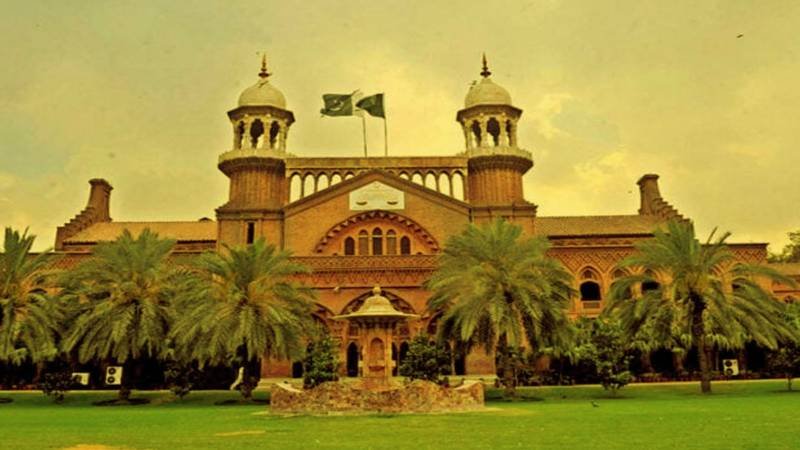
LAHORE — The Lahore High Court (LHC) on Thursday dismissed a petition requesting the postponement of the Medical and Dental College Admission Test (MDCAT) slated for August 16. The decision came after a hearing presided over by Justice Mirza Waqas Rauf, who evaluated the arguments presented by the petitioner, an FSc student named Talha, and the Pakistan Medical and Dental Council (PMDC). What Happened The petition was filed by Talha, who argued through his legal counsel that the timing of the MDCAT was problematic for many students currently engaged in their FSc practical examinations. The petitioner contended that the overlap of these academic commitments left insufficient time for students to adequately prepare for the crucial entrance test, potentially jeopardizing their future academic prospects. During the proceedings, Justice Rauf inquired whether the students would be rendered ineligible to sit for the MDCAT due to the scheduling conflict. The PMDC’s counsel assured the court that all eligible students would be permitted to take the exam. The judge further questioned the petitioner’s counsel about the core issue if eligibility was not a concern. The counsel reiterated that the primary issue was the lack of adequate preparation time for the students. Despite the presence of numerous students outside the courtroom in support of the petition, the court emphasized the focus on the individual petitioner before it. Justice Rauf remarked, “Only one petitioner is before us. Why are you claiming to represent everyone?” Following the presentation of arguments from both sides, the court decided to dismiss the plea, thereby maintaining the original schedule for the MDCAT examination. Background The MDCAT is a standardized test conducted annually for students seeking admission to medical and dental colleges across Pakistan. It serves as a critical gateway for aspiring medical professionals, determining their eligibility for further education in the medical field. The test is organized by the PMDC, which sets the schedule and guidelines for the examination process. Historically, the MDCAT has been a subject of contention due to its timing and the pressure it places on students already burdened with regular academic commitments. The overlap with FSc examinations has been a recurring issue, with students and educators frequently calling for better coordination between examination schedules to alleviate stress on students. Why It Matters The court’s decision to uphold the scheduled date for the MDCAT carries significant implications for the students involved and the broader educational framework in Pakistan. For the students, the ruling means they must balance their ongoing FSc practical exams with preparation for the MDCAT, a task that many find challenging due to the demanding nature of both assessments. From an educational policy perspective, the case highlights the need for more synchronized scheduling of examinations to prevent such conflicts in the future. The decision underscores the importance of effective communication and planning between different educational bodies to ensure that students are not unduly disadvantaged by overlapping academic requirements. Moreover, the ruling may set a precedent for how similar cases are handled in the future, potentially influencing the approach of educational authorities towards scheduling and student welfare considerations. The court’s emphasis on individual representation also points to the need for collective action and formal representation in addressing systemic issues within the educational sector. Key Takeaways The Lahore High Court dismissed a petition to postpone the MDCAT scheduled for August 16. The petitioner argued that the timing conflicted with ongoing FSc practical exams, affecting preparation time. The court emphasized that all eligible students would be allowed to sit for the MDCAT. The decision highlights the need for better coordination in examination scheduling to avoid student stress. The case may influence future educational policy and scheduling practices in Pakistan. Source Attribution This article is based on official government statements, press releases, and public communications from relevant authorities. Author: NEN Editorial Desk | Editor: NEN Newsroom | Fact Checked By: NEN Editorial Team Author: NEN Editorial Desk  |  Editor: NEN Newsroom  |  Last Updated: August 06, 2026  |  Source: Press Release from Government of Pakistan This article was produced by the NEN Editorial Desk in accordance with NEN Agency’s Editorial Policy and Fact-Checking Policy.
Pakistan

Committee Urges Swift Creation of Hostels for Working Women in Islamabad

ISLAMABAD — The Special Committee on Gender Mainstreaming has called for the urgent establishment of hostels for working women in Islamabad. This recommendation aims to address the increasing accommodation needs of women in the workforce and foster their participation in economic activities. What Happened On Thursday, the Special Committee on Gender Mainstreaming reiterated its call for the federal government to prioritize the creation of Working Women Hostels in the federal capital. The committee emphasized that providing safe and affordable housing is crucial for supporting women who contribute to various sectors of the economy. According to the committee, the lack of adequate accommodation options has been a significant barrier to women’s full participation in the workforce. The committee’s recommendation highlights the growing demand for housing solutions tailored to the needs of working women. As more women enter the workforce, the need for secure and affordable living arrangements becomes increasingly pressing. The committee believes that establishing such hostels will not only support women in their professional endeavors but also contribute to broader economic growth. In its session, the committee discussed the challenges faced by working women, particularly those who relocate to Islamabad for employment opportunities. The absence of suitable housing options often forces women to either spend a substantial portion of their income on rent or live in less secure environments. The proposed hostels are envisioned to provide a safe, affordable, and conducive living environment, enabling women to focus on their careers without the added stress of housing insecurity. Background Historically, the issue of inadequate housing for working women has been a persistent challenge in Pakistan. The capital city, Islamabad, being a hub for government and private sector jobs, attracts a significant number of women seeking employment. However, the city’s housing infrastructure has not kept pace with the growing demand, leaving many women with limited options. Previous attempts to address this issue have included proposals for public-private partnerships to develop women-specific housing projects. However, progress has been slow due to bureaucratic hurdles and funding constraints. The renewed call by the Special Committee on Gender Mainstreaming reflects an ongoing effort to bring this issue to the forefront of policy discussions. Why It Matters The establishment of Working Women Hostels in Islamabad is not just a matter of providing accommodation; it is a critical step towards achieving gender equality in the workplace. By ensuring that women have access to safe and affordable housing, the government can remove a significant barrier to their economic participation. Economically, facilitating women’s entry and retention in the workforce can lead to substantial gains. Studies have shown that increasing women’s participation in the labor force can boost a country’s GDP and foster economic resilience. For Pakistan, where women constitute nearly half of the population, tapping into this potential is essential for sustainable development. Socially, providing adequate housing for working women can empower them to pursue career opportunities without compromising their safety and well-being. It can also set a precedent for other cities in Pakistan to follow, promoting a more inclusive approach to urban planning and development. Politically, the committee’s recommendation aligns with Pakistan’s commitments to international gender equality frameworks, such as the United Nations Sustainable Development Goals. By addressing the housing needs of working women, the government can demonstrate its commitment to these global standards and enhance its international standing. Key Takeaways The Special Committee on Gender Mainstreaming has urged the federal government to prioritize the establishment of Working Women Hostels in Islamabad. The recommendation addresses the growing accommodation needs of women in the workforce. Providing safe and affordable housing is crucial for supporting women’s economic participation. Addressing this issue can lead to significant economic and social benefits for Pakistan. The initiative aligns with international gender equality commitments and can enhance Pakistan’s global standing. Source Attribution This article is based on official government statements, press releases, and public communications from relevant authorities. Author: NEN Editorial Desk | Editor: NEN Newsroom | Fact Checked By: NEN Editorial Team Author: NEN Editorial Desk  |  Editor: NEN Newsroom  |  Last Updated: August 06, 2026  |  Source: NEN Reporter This article was produced by the NEN Editorial Desk in accordance with NEN Agency’s Editorial Policy and Fact-Checking Policy.
World

Pakistan And Iran Sign MoU To Enhance Trade Relations, Aim For $10 Billion Target

ISLAMABAD — The Federation of Pakistan Chambers of Commerce and Industry (FPCCI) and the Iran Chamber of Commerce, Industries, Mines and Agriculture (ICCIMA) have signed a Memorandum of Understanding (MoU) to significantly enhance bilateral trade and investment. The agreement, signed on [date], aims to boost economic cooperation between the two nations, with an ambitious target of reaching $10 billion in trade. What Happened The FPCCI and ICCIMA formalized their commitment to deepen economic ties through the signing of the MoU, which outlines a framework for expanding trade, investment, and private sector cooperation. The ceremony was attended by key representatives from both chambers, emphasizing the mutual interest in strengthening economic partnerships. The MoU sets the groundwork for increased collaboration across various sectors, including agriculture, industry, and mining. Speaking at the event, a representative from FPCCI highlighted the potential for growth in bilateral trade, stating, “This agreement marks a new chapter in our economic relations with Iran. We are committed to exploring new opportunities and facilitating business exchanges that will benefit both countries.” Similarly, an ICCIMA official expressed optimism about the future of trade relations, noting that the MoU is a step towards realizing the full potential of economic cooperation between Pakistan and Iran. The agreement also includes provisions for regular meetings and exchanges between business communities in both countries, aimed at identifying and addressing barriers to trade. Additionally, the MoU encourages joint ventures and partnerships in sectors where both nations have competitive advantages. Background Pakistan and Iran have a long history of trade relations, but economic exchanges have often been hampered by geopolitical tensions and sanctions. Despite these challenges, both countries have consistently expressed a desire to enhance bilateral trade. In recent years, there have been several initiatives aimed at improving trade ties, including the establishment of a barter trade mechanism to circumvent banking restrictions. The current MoU builds on previous agreements and seeks to create a more structured and sustainable framework for economic cooperation. Historically, trade between Pakistan and Iran has been dominated by commodities such as rice, fruits, and textiles from Pakistan, and oil, petrochemicals, and metals from Iran. The new agreement aims to diversify this trade portfolio by encouraging investment in other sectors. Why It Matters The signing of the MoU between FPCCI and ICCIMA is significant for several reasons. Economically, it represents a concerted effort to increase trade volumes between Pakistan and Iran, which have remained below potential due to various constraints. Achieving the $10 billion trade target would not only boost economic growth in both countries but also create new jobs and business opportunities. Politically, the agreement signals a willingness to overcome past challenges and build a more cooperative relationship. This is particularly important in the context of regional stability, where economic ties can serve as a foundation for broader diplomatic engagement. Strengthening trade relations with Iran also aligns with Pakistan’s strategic goal of diversifying its economic partnerships and reducing reliance on traditional trading partners. On an international level, the MoU could have implications for Pakistan’s trade dynamics, as enhanced relations with Iran may open up new markets and reduce dependency on Western economies. This diversification is crucial for Pakistan’s economic resilience, especially in the face of global economic uncertainties. Key Takeaways The FPCCI and ICCIMA have signed an MoU to enhance bilateral trade and investment. The agreement targets a $10 billion trade volume between Pakistan and Iran. The MoU includes provisions for increased cooperation in agriculture, industry, and mining. Historically, trade between the two countries has been limited by geopolitical and economic challenges. Strengthening economic ties with Iran aligns with Pakistan’s strategic goals of diversifying trade partnerships. Source Attribution This article is based on official government statements, press releases, and public communications from relevant authorities. Author: NEN Editorial Desk | Editor: NEN Newsroom | Fact Checked By: NEN Editorial Team Author: NEN Editorial Desk  |  Editor: NEN Newsroom  |  Last Updated: August 06, 2026  |  Source: NEN Reporter This article was produced by the NEN Editorial Desk in accordance with NEN Agency’s Editorial Policy and Fact-Checking Policy.

Pakistan

Begum Shahi Mosque Endangered by Seepage and Encroachments

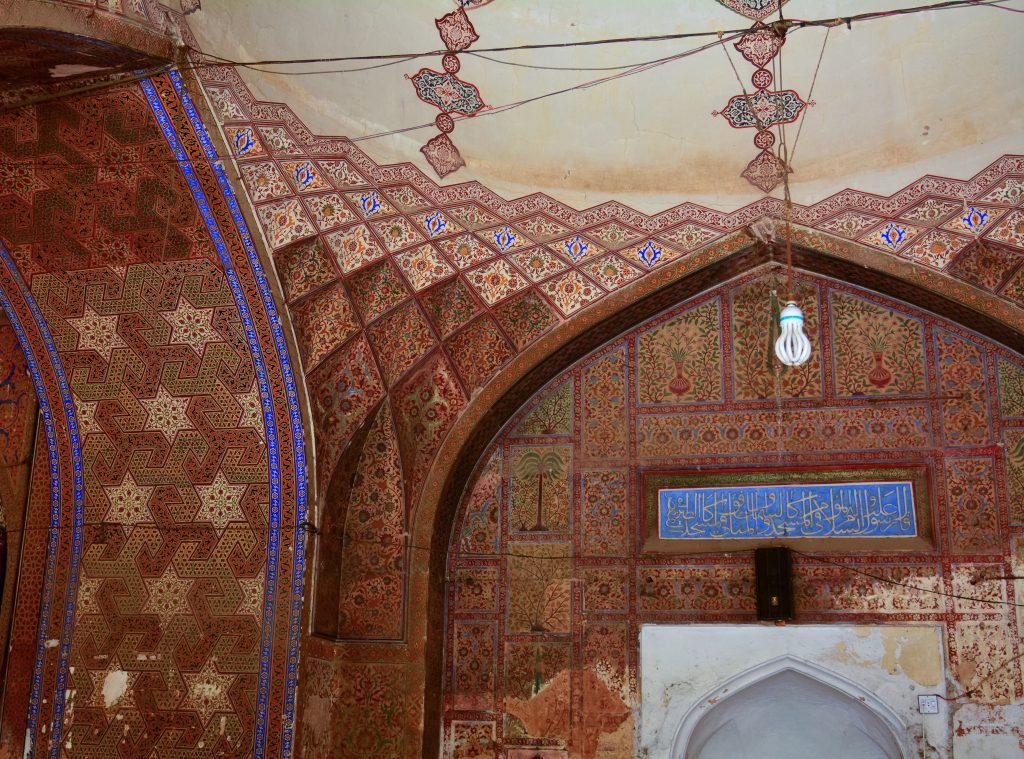
LAHORE — The historic Begum Shahi Mosque, a prominent Mughal-era monument in Lahore, is currently facing significant structural threats due to ongoing water seepage and illegal encroachments, according to officials on Thursday. Despite ongoing conservation efforts, these issues continue to pose serious risks to the integrity of the mosque. What Happened The Begum Shahi Mosque, constructed during the reign of Mughal Emperor Jahangir in the early 17th century, is experiencing severe structural challenges. Officials have reported that persistent water seepage is damaging the mosque’s foundations, while illegal encroachments are further exacerbating the situation. The mosque, often referred to as the ‘Mother of All Mosques’ due to its historical significance, is a vital part of Lahore’s architectural heritage. Conservation efforts have been underway for several years, aiming to preserve the mosque’s intricate frescoes and structural integrity. However, the continuous seepage has led to damp conditions that threaten the mosque’s walls and ceilings. An official from the Punjab Archaeology Department stated, “The seepage issue is critical and needs immediate attention to prevent irreversible damage.” In addition to the water-related issues, the mosque is surrounded by illegal encroachments that hinder conservation efforts. These encroachments not only obstruct access to the site for maintenance work but also contribute to the deterioration of the mosque’s surroundings. Local authorities have been urged to take swift action to remove these encroachments and facilitate the preservation of the mosque. Background The Begum Shahi Mosque holds a significant place in Pakistan’s cultural and historical landscape. Built in 1614 by Empress Nur Jahan, the mosque is a testament to the architectural prowess of the Mughal era. It served as a model for later Mughal mosques, including the famous Badshahi Mosque. Over the centuries, the mosque has witnessed numerous restoration projects, yet it continues to face challenges due to urban development and lack of adequate maintenance. In recent years, the Punjab government has initiated several conservation projects aimed at preserving the mosque’s unique architectural features. However, these efforts have often been hampered by administrative hurdles and insufficient funding. The mosque’s location in a densely populated area of Lahore further complicates conservation efforts, as urban encroachments continue to threaten its structural stability. Why It Matters The plight of the Begum Shahi Mosque underscores the broader challenges faced by heritage sites in Pakistan. As urbanization accelerates, many historic sites are at risk of being overshadowed by modern development. The mosque’s deterioration not only threatens a piece of Pakistan’s cultural heritage but also highlights the need for more robust policies to protect such sites. Economically, heritage sites like the Begum Shahi Mosque have the potential to boost tourism, contributing to local economies. However, without proper preservation, these opportunities may be lost. The mosque’s current state of disrepair could deter tourists and historians, impacting the cultural tourism sector in Lahore. Socially, the mosque serves as a place of worship and community gathering, making its preservation vital for maintaining cultural identity. The loss of such a site would be a significant blow to the community’s historical consciousness and identity. Key Takeaways The Begum Shahi Mosque is facing structural threats due to water seepage and illegal encroachments. Conservation efforts are ongoing but are hindered by administrative challenges and urban encroachment. The mosque is a significant cultural and historical site, reflecting Mughal architectural heritage. Preservation of the mosque is crucial for cultural tourism and community identity in Lahore. There is an urgent need for effective policies to protect heritage sites amid urban development. Source Attribution This article is based on official government statements, press releases, and public communications from relevant authorities. Author: NEN Editorial Desk | Editor: NEN Newsroom | Fact Checked By: NEN Editorial Team Author: NEN Editorial Desk  |  Editor: NEN Newsroom  |  Last Updated: August 06, 2026  |  Source: NEN Reporter This article was produced by the NEN Editorial Desk in accordance with NEN Agency’s Editorial Policy and Fact-Checking Policy.

World

Peshawar High Court Rejects Petitions by Former Afghan Generals

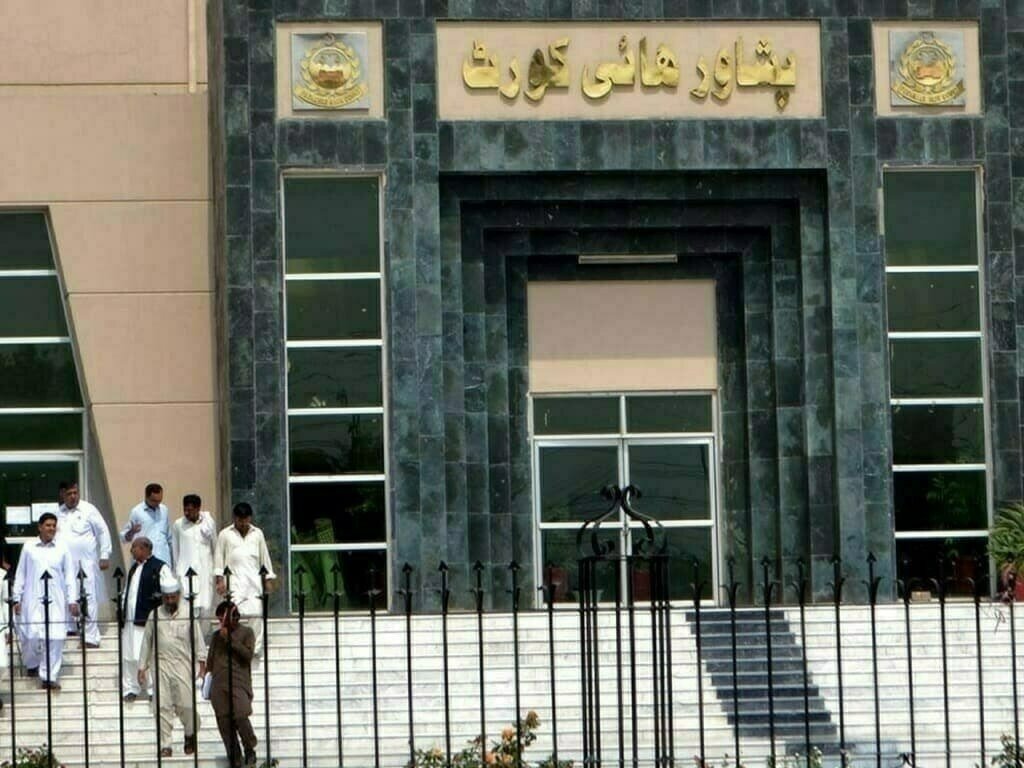
PESHAWAR — The Peshawar High Court on Thursday dismissed petitions filed by two former Afghan generals who sought temporary residence in Pakistan, visa renewals, and protection from deportation. The decision was delivered by a bench consisting of Justice Waqar Ahmad and Justice Kamran Hayat Miankhel. What Happened The Peshawar High Court issued a detailed written order dismissing the petitions of two former Afghan generals. The petitioners, who previously held significant positions in Afghanistan’s military and protective services, argued that their lives would be at risk if they were forced to return to Afghanistan following the change in government there. They requested the court’s intervention to allow them to remain temporarily in Pakistan and receive emergency medical treatment. The petitioners had already submitted applications to the relevant authorities for visa extension and renewal. They sought the court’s directive to prevent their arrest, harassment, and deportation until their visa applications were processed. However, the court clarified that issues related to visa renewal, extension, and the stay of foreign nationals are under the jurisdiction of government and administrative bodies, not the judiciary. In its decision, the court referenced Article 199 of the Constitution, stating there was no legal basis for judicial intervention in such administrative matters. As a result, the bench dismissed the petitions, leaving the former generals to pursue their requests through the appropriate governmental channels. Background The situation of Afghan nationals seeking refuge in Pakistan has been a complex issue, particularly after the Taliban’s takeover of Afghanistan in August 2021. Many former Afghan officials and military personnel have sought asylum or temporary refuge in neighboring countries, fearing persecution or retribution under the new regime. Pakistan, sharing a long and porous border with Afghanistan, has been a primary destination for Afghan refugees. The country has hosted millions of Afghan refugees over the past four decades, following various conflicts in Afghanistan. However, the legal and administrative processes for asylum seekers and visa renewals are governed by strict regulations, often leaving many in precarious situations. Why It Matters The dismissal of the petitions by the Peshawar High Court underscores the challenges faced by Afghan nationals seeking refuge in Pakistan. The court’s decision highlights the limitations of judicial intervention in matters that are primarily administrative and governmental. This ruling may set a precedent for similar cases, affecting the lives of numerous Afghan nationals in Pakistan. Economically, the influx of Afghan refugees and asylum seekers poses a challenge for Pakistan, which is already grappling with its own economic issues. The need for humanitarian assistance, coupled with the administrative burden of processing asylum and visa applications, strains Pakistan’s resources. Politically, the situation affects Pakistan’s diplomatic relations with Afghanistan and the international community. Pakistan’s handling of Afghan refugees is closely watched by international human rights organizations and could influence its global standing. Socially, the presence of Afghan refugees impacts local communities, leading to both humanitarian solidarity and tensions over resource allocation. The legal status of these individuals remains a contentious issue, with implications for their safety, employment, and integration into society. Key Takeaways The Peshawar High Court dismissed petitions from two former Afghan generals seeking to stay in Pakistan. The court ruled that visa and stay matters are administrative, not judicial, issues. Afghan nationals face significant challenges in securing legal status in Pakistan. The decision may impact future cases of Afghan asylum seekers in Pakistan. The situation has broader economic, political, and social implications for Pakistan. Source Attribution This article is based on official government statements, press releases, and public communications from relevant authorities. Author: NEN Editorial Desk | Editor: NEN Newsroom | Fact Checked By: NEN Editorial Team Author: NEN Editorial Desk  |  Editor: NEN Newsroom  |  Last Updated: August 06, 2026  |  Source: Press Release from Government of Pakistan This article was produced by the NEN Editorial Desk in accordance with NEN Agency’s Editorial Policy and Fact-Checking Policy.

Pakistan

Gold Prices Surge by Rs11,300 Per Tola in Pakistan

ISLAMABAD — Gold prices in Pakistan experienced a significant rise on Thursday as the rate for 24-karat gold per tola increased by Rs11,300, reaching Rs449,236. This surge was reported by the All Pakistan Sarafa Gems and Jewellers Association, reflecting the ongoing volatility in the precious metals market. What Happened The local gold market saw a substantial price hike, with 24-karat gold per tola now priced at Rs449,236. This increase of Rs11,300 marks a notable shift in the market, as reported by the All Pakistan Sarafa Gems and Jewellers Association. The association regularly provides updates on gold prices, which are closely monitored by investors and traders alike. The rise in gold prices is attributed to various factors, including international market trends and fluctuations in the value of the Pakistani rupee. The global gold market has been experiencing instability due to economic uncertainties, which often leads to increased demand for gold as a safe-haven asset. Additionally, local currency depreciation against the US dollar can further exacerbate the rise in gold prices domestically. According to market analysts, the current economic conditions, both globally and locally, are contributing to the unpredictability of gold prices. “The increase in gold prices is largely driven by the international market dynamics and the weakening of the Pakistani rupee,” stated a representative from the All Pakistan Sarafa Gems and Jewellers Association. Background Gold has traditionally been a popular investment in Pakistan, often seen as a hedge against inflation and currency devaluation. The country’s gold market is influenced by both international market trends and domestic economic conditions. Historically, gold prices in Pakistan have shown a tendency to rise during periods of economic uncertainty or when the local currency faces devaluation pressures. The All Pakistan Sarafa Gems and Jewellers Association plays a crucial role in setting and announcing gold prices in the country. The association’s rates are widely accepted and used as a benchmark by jewelers and traders across Pakistan. The association’s announcements are based on a combination of international gold market trends and local market conditions. Why It Matters The surge in gold prices holds significant implications for various stakeholders in Pakistan. For investors, the increase represents an opportunity to capitalize on the rising value of gold, which is often considered a stable investment during times of economic uncertainty. However, for consumers, particularly those planning weddings or other events that traditionally involve gold purchases, the price hike could pose financial challenges. Economically, the rise in gold prices can impact the country’s trade balance. As gold becomes more expensive, the cost of imports may rise, potentially affecting the overall trade deficit. This could lead to further pressure on the Pakistani rupee, which has already been facing depreciation against major currencies. Socially, the increase in gold prices may affect cultural practices and traditions that involve gold, such as dowries and gifts during weddings. Families may need to adjust their budgets or seek alternatives to gold, which could impact the local jewelry industry. On an international level, the fluctuation in gold prices reflects broader economic trends, including inflation concerns and geopolitical tensions. As countries navigate these challenges, gold remains a critical asset for both individual and institutional investors. Key Takeaways Gold prices in Pakistan rose by Rs11,300 per tola, reaching Rs449,236. The increase is attributed to international market trends and local currency depreciation. The All Pakistan Sarafa Gems and Jewellers Association provides regular updates on gold prices. The rise impacts investors, consumers, and the broader economic landscape in Pakistan. Gold remains a critical asset amid global economic uncertainties. Source Attribution This article is based on official government statements, press releases, and public communications from relevant authorities. Author: NEN Editorial Desk | Editor: NEN Newsroom | Fact Checked By: NEN Editorial Team Author: NEN Editorial Desk  |  Editor: NEN Newsroom  |  Last Updated: August 06, 2026  |  Source: NEN Reporter This article was produced by the NEN Editorial Desk in accordance with NEN Agency’s Editorial Policy and Fact-Checking Policy.

Scroll to Top