
2026

Pakistan

Ahsan Iqbal Directs Fiscal Reforms and Hydropower Initiatives for Gilgit-Baltistan

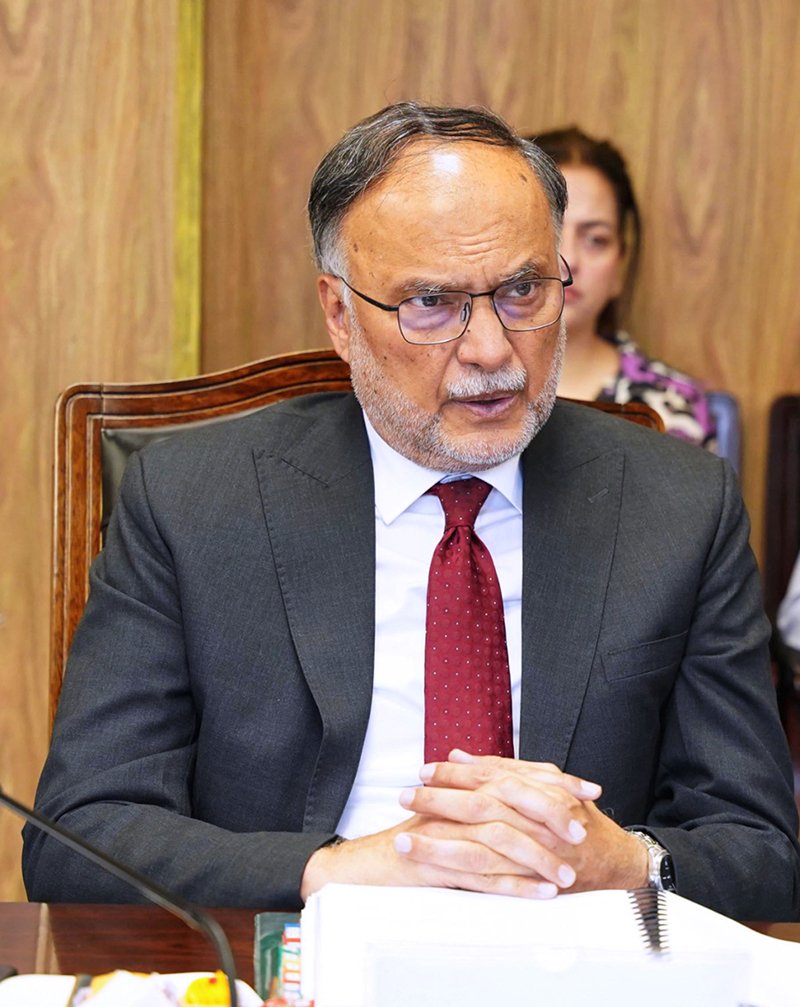
ISLAMABAD — Federal Minister for Planning, Development and Special Initiatives, Professor Ahsan Iqbal, on Wednesday directed the creation of a comprehensive roadmap for fiscal reforms and hydropower development in Gilgit-Baltistan (GB). This directive was issued during a meeting of the Prime Minister’s Review Committee, focusing on accelerating development projects in the region. What Happened During the meeting, Professor Ahsan Iqbal emphasized the need for timely and effective implementation of fiscal reforms and hydropower projects in Gilgit-Baltistan. He instructed relevant authorities to develop time-bound proposals to ensure that these initiatives are executed efficiently. The session was part of a broader strategy to enhance the economic infrastructure and energy capabilities of the region. Iqbal highlighted the importance of leveraging Gilgit-Baltistan’s natural resources, particularly its hydropower potential, to address energy shortages and foster economic growth. He stated, “The development of hydropower projects will not only meet the region’s energy needs but also contribute significantly to the national grid.” The committee also discussed various development projects aimed at improving the socio-economic conditions in Gilgit-Baltistan. These projects include infrastructure development, education, and healthcare improvements, which are crucial for the region’s integration into the national economic framework. Professor Iqbal urged the involved departments to collaborate closely and remove any bureaucratic hurdles that could delay project execution. He stressed the importance of transparency and accountability in the implementation process to ensure that the benefits of these projects reach the local population effectively. Background Gilgit-Baltistan, a region known for its strategic location and natural beauty, has long been a focus of development efforts by the Pakistani government. Historically, the region has faced challenges due to its remote location and lack of infrastructure. Over the years, various initiatives have been launched to improve connectivity and economic opportunities in the area. The region’s potential for hydropower generation is significant, with numerous rivers and streams that could be harnessed for energy production. Previous governments have initiated several projects, but progress has often been slow due to logistical and financial constraints. In recent years, the government has renewed its focus on integrating Gilgit-Baltistan into the national development agenda, recognizing its importance for regional stability and economic growth. Why It Matters The directives issued by Minister Ahsan Iqbal are crucial for several reasons. Firstly, the development of hydropower projects in Gilgit-Baltistan can significantly alleviate energy shortages in Pakistan, a country that has faced chronic power deficits affecting both industry and daily life. By harnessing the region’s hydropower potential, Pakistan can reduce its reliance on imported fuels and move towards a more sustainable energy future. Economically, the proposed fiscal reforms and development projects are expected to boost local economies, create jobs, and improve living standards in Gilgit-Baltistan. This could lead to greater economic integration with the rest of Pakistan, reducing regional disparities and fostering national unity. Politically, enhancing development in Gilgit-Baltistan aligns with Pakistan’s broader strategic interests in the region, particularly in light of its proximity to China and the China-Pakistan Economic Corridor (CPEC). Improved infrastructure and energy resources can enhance the region’s role as a critical hub for trade and investment. Key Takeaways Federal Minister Ahsan Iqbal has directed the formulation of a roadmap for fiscal reforms and hydropower development in Gilgit-Baltistan. The initiative aims to harness the region’s hydropower potential to address energy shortages and contribute to the national grid. Development projects in the region are expected to improve socio-economic conditions and enhance economic integration with Pakistan. The focus on Gilgit-Baltistan aligns with Pakistan’s strategic interests, particularly in relation to CPEC. Transparency and accountability in project implementation are emphasized to ensure effective delivery of benefits to the local population. Source Attribution This article is based on official government statements, press releases, and public communications from relevant authorities. Author: NEN Editorial Desk | Editor: NEN Newsroom | Fact Checked By: NEN Editorial Team Author: NEN Editorial Desk  |  Editor: NEN Newsroom  |  Last Updated: August 06, 2026  |  Source: NEN Reporter This article was produced by the NEN Editorial Desk in accordance with NEN Agency’s Editorial Policy and Fact-Checking Policy.
Pakistan

Heavy Rainfall Expected in Northern Pakistan on Thursday: PMD

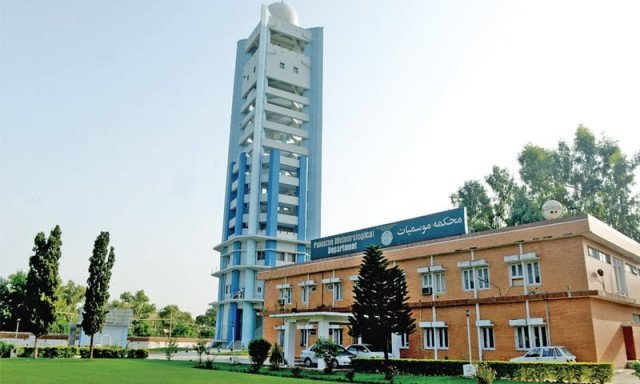
ISLAMABAD — The Pakistan Meteorological Department (PMD) has issued a weather forecast indicating the likelihood of rain and isolated heavy falls in the upper parts of the country on Thursday. The forecast highlights potential weather changes in regions including Kashmir, Gilgit-Baltistan, Khyber Pakhtunkhwa, Islamabad, and upper and central Punjab. What Happened The PMD’s latest forecast suggests that while most parts of Pakistan will experience mainly hot and humid conditions, there will be significant weather activity in the northern regions. According to the PMD, rain-wind/thundershowers are expected to occur in various areas, with isolated heavy falls anticipated in specific locations. This weather pattern is attributed to the prevailing meteorological conditions that are conducive to such developments. In Kashmir and Gilgit-Baltistan, residents are advised to prepare for potential heavy rainfall, which could lead to localized flooding in susceptible areas. Similarly, Khyber Pakhtunkhwa, Islamabad, and parts of Punjab may experience periods of intense rain accompanied by gusty winds and thunderstorms. The PMD has urged local authorities and the public to remain vigilant and take necessary precautions to mitigate the impact of these weather conditions. “We are closely monitoring the situation and will provide updates as needed,” a PMD official stated, emphasizing the importance of staying informed through official channels. Background Paksitan’s diverse topography and climate patterns often result in varied weather conditions across different regions. The northern areas, including Kashmir and Gilgit-Baltistan, are particularly prone to heavy rainfall during the monsoon season, which typically spans from July to September. This period is characterized by increased precipitation due to the southwesterly monsoon winds that bring moisture from the Arabian Sea. Historically, heavy rains in these regions have led to challenges such as flash floods, landslides, and disruptions to daily life. The PMD plays a crucial role in monitoring weather patterns and issuing timely forecasts to help mitigate the risks associated with extreme weather events. Why It Matters The anticipated rainfall in northern Pakistan holds significant implications for both the local population and the broader socio-economic landscape. For residents in affected areas, heavy rainfall can pose immediate risks, including flooding and damage to infrastructure. Such events can disrupt transportation, hinder access to essential services, and impact agriculture, which is a vital source of livelihood for many communities. Economically, the agricultural sector could face challenges as heavy rains may damage crops, affecting food supply and prices. This is particularly concerning in regions where agriculture is a major economic activity. Additionally, infrastructure damage from flooding can lead to costly repairs and impact economic productivity. On a social level, the safety and well-being of residents are paramount. Adequate preparation and timely response to weather warnings can help minimize the adverse effects on communities. The role of local authorities in disseminating information and coordinating emergency responses is crucial in safeguarding lives and property. Furthermore, the forecast serves as a reminder of the broader impacts of climate change, which is expected to increase the frequency and intensity of extreme weather events. This underscores the need for comprehensive climate adaptation strategies to enhance resilience in vulnerable areas. Key Takeaways The PMD forecasts rain and isolated heavy falls in northern Pakistan on Thursday. Regions likely to be affected include Kashmir, Gilgit-Baltistan, Khyber Pakhtunkhwa, Islamabad, and parts of Punjab. Residents are advised to stay informed and take precautions against potential flooding and infrastructure damage. Heavy rainfall poses risks to agriculture and infrastructure, with broader economic and social implications. The forecast highlights the ongoing challenges posed by climate change and the need for adaptive strategies. Source Attribution This article is based on official government statements, press releases, and public communications from relevant authorities. Author: NEN Editorial Desk | Editor: NEN Newsroom | Fact Checked By: NEN Editorial Team Author: NEN Editorial Desk  |  Editor: NEN Newsroom  |  Last Updated: August 06, 2026  |  Source: NEN Reporter This article was produced by the NEN Editorial Desk in accordance with NEN Agency’s Editorial Policy and Fact-Checking Policy.
Pakistan

ANP’s Sardar Babak Alleges PTI Misused KP Government Resources

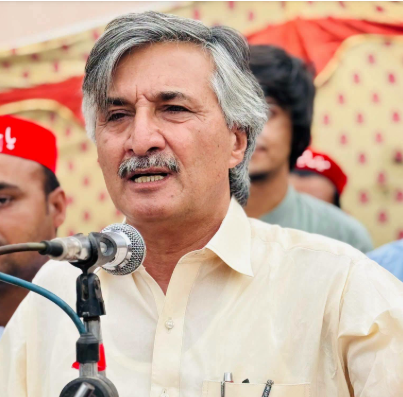
PESHAWAR — Awami National Party (ANP) leader Sardar Hussain Babak has accused the Pakistan Tehreek-e-Insaf (PTI) of exploiting Khyber Pakhtunkhwa (KP) government resources for a public meeting in Peshawar. Babak’s allegations, made on Wednesday, suggest that the ruling party employed official machinery to facilitate its political activities. What Happened In a statement issued on August 5, Sardar Hussain Babak criticized PTI for allegedly utilizing KP government resources to organize a public meeting in Peshawar. Babak described the event as a failure, asserting that it did not garner the anticipated public support. He claimed that the provincial government’s administrative machinery was inappropriately used to benefit PTI’s political agenda. Babak, a prominent figure in the ANP, expressed his discontent with what he described as the misuse of public resources for partisan purposes. “The use of government resources for political activities is not only unethical but also a betrayal of public trust,” Babak stated. He urged the authorities to investigate the matter and ensure accountability for any misuse of state resources. The allegations come at a time when PTI, led by former Prime Minister Imran Khan, is striving to maintain its influence in the KP region, a stronghold for the party. The public meeting in Peshawar was part of PTI’s broader strategy to consolidate support ahead of upcoming elections. Background The Pakistan Tehreek-e-Insaf (PTI) has been the ruling party in Khyber Pakhtunkhwa since 2013, having won consecutive provincial elections. The party’s governance in the region has been marked by various reforms, particularly in education and health. However, PTI has also faced criticism from opposition parties, including the ANP, for alleged mismanagement and misuse of resources. Historically, the ANP has been a significant political force in KP, advocating for the rights of Pashtuns and promoting secular policies. The party has often been at odds with PTI, particularly over issues related to governance and resource allocation. Allegations of misuse of government resources for political gain are not new in Pakistan, where political parties frequently accuse each other of such practices. Why It Matters The allegations by Sardar Babak highlight ongoing tensions between political parties in KP and raise questions about the ethical use of government resources. If true, the misuse of state machinery for political purposes could undermine public trust in the government and democratic processes. Such practices could also set a precedent for future administrations, potentially leading to a cycle of misuse and corruption. Economically, the alleged diversion of government resources for political activities can strain public finances, diverting funds from essential services such as education, health, and infrastructure. This could have long-term implications for the development of the region, affecting the quality of life for its residents. Politically, the accusations add to the challenges faced by PTI as it seeks to maintain its influence in KP. The party’s ability to address these allegations transparently could impact its credibility and electoral prospects. For the ANP, these accusations serve as an opportunity to rally support by positioning themselves as advocates for accountability and good governance. Key Takeaways Sardar Hussain Babak of ANP accuses PTI of misusing KP government resources for a public meeting. The allegations suggest that official machinery was employed for PTI’s political activities in Peshawar. Misuse of government resources for political purposes raises ethical concerns and could undermine public trust. The accusations come amid PTI’s efforts to consolidate support in its KP stronghold ahead of elections. Addressing these allegations transparently is crucial for PTI’s credibility and future electoral success. Source Attribution This article is based on official statements and public communications from relevant authorities. Author: NEN Editorial Desk | Editor: NEN Newsroom | Fact Checked By: NEN Editorial Team Author: NEN Editorial Desk  |  Editor: NEN Newsroom  |  Last Updated: August 06, 2026  |  Source: NEN Reporter This article was produced by the NEN Editorial Desk in accordance with NEN Agency’s Editorial Policy and Fact-Checking Policy.
Pakistan

Sialkot Chamber And Dutch Embassy Explore Trade And Investment Opportunities

ISLAMABAD — The Sialkot Chamber of Commerce and Industry (SCCI) engaged in discussions with a delegation from the Embassy of the Kingdom of the Netherlands to explore potential avenues for enhancing bilateral trade and investment. The meeting, held in Sialkot, focused on fostering sustainable economic cooperation between Pakistan and the Netherlands. What Happened The leadership of the Sialkot Chamber of Commerce and Industry (SCCI) hosted a delegation from the Dutch Embassy to discuss strategies for boosting trade and investment ties. The meeting aimed at identifying sectors where both countries could collaborate effectively for mutual economic benefits. Key areas of discussion included enhancing exports, attracting Dutch investments in Pakistan, and promoting sustainable business practices. During the meeting, the SCCI representatives highlighted the potential of Sialkot as a hub for manufacturing and export, particularly in sports goods, surgical instruments, and leather products. They emphasized the city’s capacity to meet international standards and cater to the demands of European markets. The Dutch delegation expressed interest in these sectors, recognizing the quality and competitiveness of Sialkot’s products. The Dutch Embassy’s delegation underscored the importance of sustainable economic cooperation and expressed willingness to support initiatives that align with green and sustainable business practices. The discussions also touched upon the need for technology transfer and capacity building to enhance productivity and innovation in Pakistani industries. Both parties agreed to continue dialogue and explore specific projects that could be initiated to strengthen trade relations. The meeting concluded with a commitment to facilitate further exchanges and visits to deepen understanding and cooperation. Background Sialkot is renowned for its export-oriented industries, particularly in sports goods and surgical instruments. The city contributes significantly to Pakistan’s export revenues, with its products being highly sought after in international markets. The SCCI plays a pivotal role in promoting trade and investment opportunities for local businesses. The Netherlands has been a key trading partner for Pakistan, with bilateral trade encompassing a range of goods and services. The Dutch government has shown interest in supporting sustainable development initiatives in Pakistan, aligning with global trends towards environmentally friendly business practices. Historically, Pakistan and the Netherlands have maintained cordial trade relations, with both countries benefiting from the exchange of goods and expertise. Recent efforts have focused on expanding these ties, particularly in sectors like agriculture, water management, and renewable energy. Why It Matters The discussions between the SCCI and the Dutch Embassy hold significant implications for Pakistan’s economic landscape. By exploring trade and investment opportunities, Pakistan can enhance its export capacity and attract foreign direct investment, crucial for economic growth and job creation. The emphasis on sustainable economic cooperation aligns with Pakistan’s broader goals of integrating environmentally friendly practices into its industrial sectors. This approach not only meets international standards but also opens up new markets for Pakistani products that comply with green certifications. The potential for technology transfer and capacity building is particularly important for Pakistan’s industries, which can benefit from Dutch expertise in innovation and efficiency. By adopting advanced technologies, Pakistani businesses can improve their competitiveness and expand their reach in global markets. Strengthening trade ties with the Netherlands could also serve as a model for Pakistan’s engagement with other European countries, helping diversify its trade portfolio and reduce reliance on traditional markets. Key Takeaways The SCCI and Dutch Embassy discussed enhancing bilateral trade and investment. Sialkot’s manufacturing sectors, particularly sports goods and surgical instruments, were highlighted. The focus was on sustainable economic cooperation and technology transfer. The meeting aims to boost Pakistan’s export capacity and attract Dutch investments. The discussions align with Pakistan’s goals for sustainable industrial practices. Source Attribution This article is based on official government statements, press releases, and public communications from relevant authorities. Author: NEN Editorial Desk | Editor: NEN Newsroom | Fact Checked By: NEN Editorial Team Author: NEN Editorial Desk  |  Editor: NEN Newsroom  |  Last Updated: August 05, 2026  |  Source: NEN Reporter This article was produced by the NEN Editorial Desk in accordance with NEN Agency’s Editorial Policy and Fact-Checking Policy.
Pakistan

Pakistan, Japan Strengthen Development Ties Under URAAN Pakistan Framework

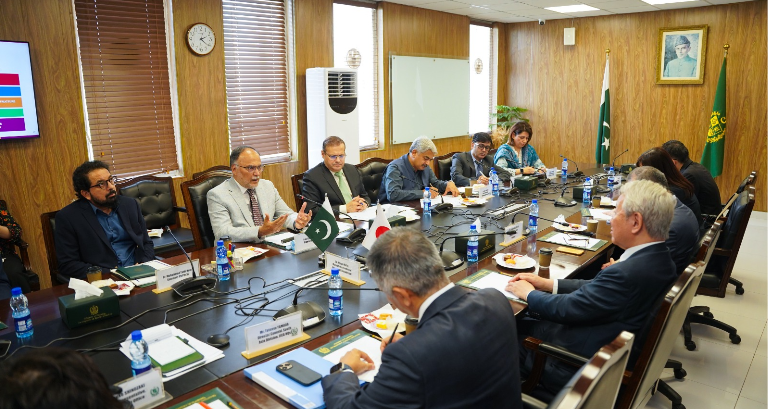
ISLAMABAD — Pakistan and Japan have reaffirmed their commitment to enhancing bilateral development cooperation, focusing on key areas like infrastructure, human resource development, digital transformation, tourism, and sustainable economic growth. This commitment aligns with Pakistan’s URAAN Pakistan 5Es framework, aiming to propel the nation’s development agenda. What Happened On Wednesday, during a high-level meeting in Islamabad, officials from Pakistan and Japan reiterated their dedication to deepening their development partnership. The meeting was attended by President of the Japan International Cooperation Agency (JICA) and key Pakistani officials, including Minister for Planning, Development, and Special Initiatives Ahsan Iqbal. Both parties expressed a mutual interest in leveraging Japan’s expertise in technology and infrastructure to support Pakistan’s economic and social development goals. Minister Ahsan Iqbal highlighted the importance of Japan’s role in Pakistan’s development landscape. “Japan has been a longstanding partner in our journey towards economic stability and growth,” he stated. The discussions centered around the URAAN Pakistan 5Es framework, which focuses on economic growth, energy, environment, education, and equity. This framework is seen as a blueprint for sustainable development in Pakistan. The Japanese delegation expressed their willingness to contribute to Pakistan’s digital transformation and infrastructure projects. They emphasized the potential for collaboration in renewable energy projects, which are crucial for Pakistan’s energy security and environmental sustainability. The meeting concluded with both sides agreeing to explore new avenues for cooperation, particularly in tourism and human resource development. Background Pakistan and Japan have a history of strong bilateral relations, particularly in the area of development cooperation. Japan has been one of Pakistan’s largest development partners, providing assistance in various sectors including health, education, and infrastructure. The URAAN Pakistan 5Es framework is a strategic initiative by the Pakistani government to streamline development efforts across key sectors, ensuring a holistic approach to national growth. In recent years, Japan has significantly contributed to Pakistan’s infrastructure projects, including the construction of roads and bridges, as well as in the energy sector. The two countries have also collaborated on educational initiatives, with Japan offering scholarships and training programs for Pakistani students and professionals. Why It Matters The reaffirmation of development ties between Pakistan and Japan is significant for several reasons. Economically, Japan’s involvement in Pakistan’s infrastructure and energy projects can lead to enhanced efficiency and sustainability, addressing some of the country’s pressing challenges such as energy shortages and outdated infrastructure. Socially, the focus on human resource development and education aligns with Pakistan’s need to equip its workforce with the skills necessary for a modern economy. Japan’s expertise in digital transformation can aid Pakistan in modernizing its industries and improving public services, thereby boosting productivity and economic growth. Politically, strengthening ties with Japan can enhance Pakistan’s position in the international arena, fostering goodwill and cooperation with a major global economic power. This partnership can also serve as a model for Pakistan’s engagement with other countries, emphasizing mutual benefits and shared goals. Internationally, the collaboration highlights the importance of sustainable development and the role of international partnerships in achieving global development goals. Japan’s commitment to supporting Pakistan’s development efforts is a testament to the potential of international cooperation in addressing complex challenges. Key Takeaways Pakistan and Japan have reaffirmed their commitment to deepen development cooperation under the URAAN Pakistan 5Es framework. The focus areas include infrastructure, human resource development, digital transformation, tourism, and sustainable economic growth. Japan’s expertise in technology and infrastructure is pivotal for Pakistan’s development goals. The partnership is significant for economic, social, and political reasons, enhancing Pakistan’s international standing. Both countries are exploring new avenues for collaboration, particularly in renewable energy and education. Source Attribution This article is based on official government statements, press releases, and public communications from relevant authorities. Author: NEN Editorial Desk | Editor: NEN Newsroom | Fact Checked By: NEN Editorial Team Author: NEN Editorial Desk  |  Editor: NEN Newsroom  |  Last Updated: August 05, 2026  |  Source: NEN Reporter This article was produced by the NEN Editorial Desk in accordance with NEN Agency’s Editorial Policy and Fact-Checking Policy.
World

PCJCCI Supports Low-Cost Housing Plan for Gwadar Fishermen

LAHORE — The Pakistan China Joint Chamber of Commerce and Industry (PCJCCI) has expressed its full support for the Government of Balochistan’s initiative to develop a low-cost housing scheme for the fishing community in Gwadar. PCJCCI President Nazir Hussain praised the initiative as a significant step towards inclusive development and social welfare. What Happened The Government of Balochistan announced plans to implement a low-cost housing scheme aimed at benefiting the fishermen of Gwadar, a region known for its strategic importance and economic potential. The initiative has been warmly welcomed by the PCJCCI, with President Nazir Hussain commending the government’s efforts to uplift the socio-economic conditions of the local fishing community. In a statement, Hussain highlighted the importance of such initiatives in promoting social welfare and economic development in underprivileged areas. He stated, “This initiative is a crucial step towards providing much-needed support to the fishing community, ensuring they have access to basic housing facilities.” The housing scheme is expected to provide affordable homes to hundreds of fishermen and their families, who have long faced challenges related to inadequate housing and infrastructure. The PCJCCI has been a strong advocate for development projects that foster economic growth and improve living standards in Gwadar, a key region in the China-Pakistan Economic Corridor (CPEC). The chamber believes that the housing initiative will not only improve the quality of life for the fishermen but also contribute to the overall economic development of the region. Background Gwadar, located on the southwestern coast of Balochistan, has been a focal point of development due to its strategic location and potential as a major port city. The city is central to the CPEC, a collection of infrastructure projects that aim to improve trade routes between Pakistan and China. Despite its economic significance, Gwadar has faced challenges related to poverty and inadequate infrastructure, particularly affecting its local fishing community. In recent years, the government has launched various initiatives to address these issues, including infrastructure development, educational programs, and now, the low-cost housing scheme. The fishing community, which plays a vital role in the local economy, has often been marginalized, making this housing initiative a critical component of broader efforts to promote equitable development in the region. Why It Matters The low-cost housing initiative is significant for several reasons. Economically, it represents an effort to integrate the local population into the broader development plans for Gwadar, ensuring that the benefits of economic growth are shared with the community. By providing affordable housing, the initiative aims to improve living conditions, reduce poverty, and enhance social stability in the region. Socially, the initiative addresses long-standing issues of inadequate housing and infrastructure that have plagued the fishing community. By improving living standards, the government hopes to foster a more inclusive society where all citizens have access to basic amenities and opportunities for economic advancement. Politically, the initiative demonstrates the government’s commitment to addressing the needs of marginalized communities, potentially strengthening its relationship with local populations and garnering support for future development projects. It also underscores the collaborative efforts between Pakistan and China in promoting regional development through initiatives like CPEC. Key Takeaways The PCJCCI supports the Balochistan government’s low-cost housing scheme for Gwadar fishermen. The initiative aims to provide affordable housing to improve living conditions for the fishing community. Gwadar’s development is crucial to the success of the China-Pakistan Economic Corridor. The housing scheme is part of broader efforts to promote equitable development in the region. Improving living standards for the fishing community is expected to enhance social stability and economic growth. Source Attribution This article is based on official government statements, press releases, and public communications from relevant authorities. Author: NEN Editorial Desk | Editor: NEN Newsroom | Fact Checked By: NEN Editorial Team Author: NEN Editorial Desk  |  Editor: NEN Newsroom  |  Last Updated: August 05, 2026  |  Source: NEN Reporter This article was produced by the NEN Editorial Desk in accordance with NEN Agency’s Editorial Policy and Fact-Checking Policy.
Pakistan

Dutch Envoy Highlights Importance Of Local Partnerships For Investment In Pakistan

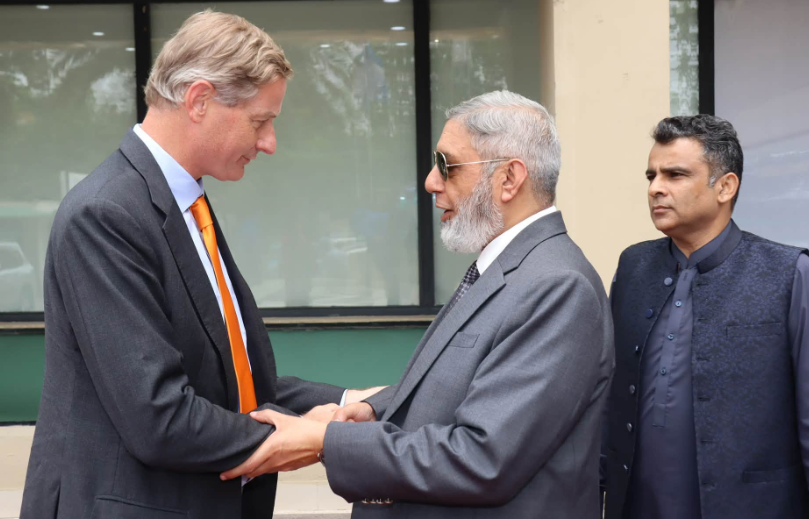
LAHORE — Hajo Provo Kluit, Charge d’Affaires of the Embassy of the Kingdom of the Netherlands, emphasized the critical role of local partnerships in facilitating Dutch investments in Pakistan. Speaking at the Lahore Chamber of Commerce and Industry (LCCI) on Wednesday, he underscored the chamber’s pivotal role in bridging the business community with the public sector. What Happened During his visit to the LCCI, Hajo Provo Kluit highlighted the potential for strengthening economic ties between Pakistan and the Netherlands through robust local collaborations. He noted that the LCCI serves as an essential conduit for fostering communication and cooperation between businesses and government entities. “The Lahore Chamber of Commerce and Industry is a vital bridge between the business community and the public sector, making it an indispensable partner for strengthening Pakistan-Netherlands economic relations,” Kluit stated. Kluit’s remarks come amid increasing interest from Dutch companies in exploring investment opportunities in Pakistan’s diverse sectors, including agriculture, water management, and renewable energy. He stressed that local partnerships are key to navigating the complexities of the Pakistani market and ensuring sustainable investment ventures. The Dutch envoy also discussed potential areas for collaboration, particularly in sectors where the Netherlands has significant expertise. He pointed out that Dutch companies are eager to bring their advanced technologies and sustainable practices to Pakistan, which could significantly benefit the local economy. Background The Netherlands and Pakistan have a long-standing economic relationship, with bilateral trade reaching significant levels over the past decade. The Netherlands is one of the top European investors in Pakistan, with Dutch companies operating in various sectors such as energy, agriculture, and logistics. The LCCI, established in 1923, has been instrumental in promoting trade and investment by facilitating dialogue between the private sector and government agencies. Historically, Dutch investments in Pakistan have focused on sectors where the Netherlands holds a competitive advantage, such as water management and agriculture. These sectors are crucial for Pakistan, given its challenges with water scarcity and the need for agricultural modernization. Why It Matters The emphasis on local partnerships by the Dutch envoy is significant for several reasons. Firstly, it highlights the importance of local knowledge and networks in facilitating foreign investments, which can lead to more effective and sustainable business operations. For Pakistan, attracting foreign investment is critical to boosting economic growth, creating jobs, and enhancing technological capabilities. Economically, increased Dutch investment could lead to the introduction of advanced technologies and sustainable practices in key sectors, such as agriculture and renewable energy. This could help Pakistan address some of its pressing challenges, such as food security and energy shortages. Politically, strengthening economic ties with the Netherlands aligns with Pakistan’s broader strategy to diversify its international partnerships and reduce dependency on traditional allies. It also positions Pakistan as a viable destination for European investors, potentially opening doors for further investments from other EU countries. On the international stage, successful Dutch investments in Pakistan could serve as a model for other countries looking to invest in the region, thereby enhancing Pakistan’s reputation as an investment-friendly nation. Key Takeaways Hajo Provo Kluit emphasized the importance of local partnerships for Dutch investments in Pakistan. The LCCI is seen as a crucial link between the business community and the public sector. Dutch companies are interested in sectors like agriculture, water management, and renewable energy. Strengthening Pakistan-Netherlands economic ties could boost Pakistan’s economy and technological capabilities. Successful collaborations could enhance Pakistan’s international investment appeal. Source Attribution This article is based on official statements from the Embassy of the Kingdom of the Netherlands and public communications from the Lahore Chamber of Commerce and Industry. Author: NEN Editorial Desk | Editor: NEN Newsroom | Fact Checked By: NEN Editorial Team Author: NEN Editorial Desk  |  Editor: NEN Newsroom  |  Last Updated: August 05, 2026  |  Source: NEN Reporter This article was produced by the NEN Editorial Desk in accordance with NEN Agency’s Editorial Policy and Fact-Checking Policy.

Pakistan

NIEF Urges Full Transition to Islamic Banking by December 2027

ISLAMABAD — The National Islamic Economic Forum (NIEF) has set an ambitious target for Pakistan’s financial sector, calling for a complete transition to Islamic banking by December 2027. This announcement was made during the fourth NIEF meeting held on Wednesday, where experts emphasized the need for economic reforms and the integration of modern technology to enhance employment opportunities for the youth. What Happened The fourth meeting of the National Islamic Economic Forum (NIEF) convened in Islamabad to discuss the future of Pakistan’s banking sector. The forum, comprising leading economists, bankers, and policymakers, unanimously called for a shift from conventional banking to a system fully compliant with Islamic principles by the end of 2027. The forum highlighted that such a transition would align the financial sector with the religious and ethical values of the majority of Pakistan’s population. During the discussions, participants underscored the importance of accelerating economic reforms to facilitate this transition. They stressed the need for adopting modern technology to improve the efficiency and reach of Islamic banking services. Furthermore, the forum emphasized that these changes could significantly increase employment opportunities, particularly for the country’s youth, by fostering a more inclusive and sustainable economic environment. “A complete transition to Islamic banking is not just a financial necessity but a moral imperative,” said a key speaker at the forum. The NIEF also called upon the government to create a supportive regulatory framework that would ease the transition process for banks and financial institutions. Background Islamic banking in Pakistan has been gaining traction over the past few decades. The State Bank of Pakistan (SBP) has been promoting Islamic banking as a viable alternative to conventional banking since the early 2000s. Islamic banking operates on principles that prohibit interest (riba) and promote risk-sharing, ethical investments, and asset-backed financing. In recent years, the market share of Islamic banking in Pakistan has been steadily increasing, reaching approximately 20% of the total banking sector by 2023. Despite this growth, the sector still faces challenges, including a lack of awareness among consumers and limited product offerings compared to conventional banks. Why It Matters The call for a complete transition to Islamic banking by 2027 is significant for several reasons. Economically, it represents a shift towards a banking system that could potentially offer more stability by avoiding the speculative practices often associated with conventional banking. This transition is also expected to attract investment from Islamic countries, boosting Pakistan’s economic ties with the Middle East and other regions. Socially, the move aligns with the values of a predominantly Muslim population, potentially increasing public trust in the financial system. By promoting ethical and socially responsible banking practices, Islamic banking can contribute to a more equitable distribution of wealth and resources. Politically, the initiative reflects Pakistan’s commitment to integrating Islamic principles into its economic policies, which could strengthen the government’s support among conservative constituencies. However, the transition will require significant policy adjustments and capacity building within the banking sector to ensure a smooth and effective changeover. Key Takeaways The National Islamic Economic Forum (NIEF) has set a deadline of December 2027 for Pakistan to transition fully to Islamic banking. The forum emphasized the need for economic reforms and the adoption of modern technology to facilitate this transition. Islamic banking currently holds about 20% of the market share in Pakistan’s banking sector. The transition is expected to increase employment opportunities and attract investment from Islamic countries. The move aligns with the ethical and religious values of the majority of Pakistan’s population. Source Attribution This article is based on official government statements, press releases, and public communications from relevant authorities. Author: NEN Editorial Desk | Editor: NEN Newsroom | Fact Checked By: NEN Editorial Team Author: NEN Editorial Desk  |  Editor: NEN Newsroom  |  Last Updated: August 05, 2026  |  Source: NEN Reporter This article was produced by the NEN Editorial Desk in accordance with NEN Agency’s Editorial Policy and Fact-Checking Policy.
World

PFF Hosts Luncheon for South Korea Hockey Team to Boost Sports Cooperation

LAHORE — The Pakistan Football Federation (PFF) hosted a luncheon on Wednesday in Lahore to honour the South Korea national hockey team, which is currently touring Pakistan. This event aimed to strengthen international sporting ties and foster goodwill between the two nations. What Happened The luncheon, held at the PFF headquarters, was attended by key officials from both the Pakistan Football Federation and the South Korea national hockey team. The event served as a platform for exchanging ideas and exploring opportunities for future collaboration in sports. The South Korean team is visiting Pakistan as part of a series of friendly matches and training sessions aimed at enhancing their skills and gaining international exposure. PFF President, Syed Ashfaq Hussain Shah, expressed his delight at hosting the South Korean team, emphasizing the importance of such interactions in promoting sports diplomacy. “We are honoured to welcome our South Korean friends and look forward to learning from each other,” he stated. The South Korean delegation, led by their team manager, reciprocated the sentiments, highlighting the warm hospitality extended by their Pakistani counterparts. During the luncheon, both parties discussed potential avenues for collaboration, including joint training camps, exchange programs, and friendly matches across different sports. The South Korean team also shared insights into their training methodologies and the development of hockey in their country, providing valuable learning opportunities for Pakistani sports officials. Background Pakistan and South Korea have a history of sporting exchanges, particularly in hockey, where both countries have achieved significant success on the international stage. Pakistan, once a dominant force in field hockey, has been striving to regain its former glory, while South Korea has consistently performed well in Asian competitions. The PFF’s initiative to host the South Korean hockey team is part of a broader strategy to enhance Pakistan’s international sports relations. Historically, Pakistan has engaged in similar exchanges with other nations to promote cultural understanding and share expertise in various sports disciplines. In recent years, the PFF has been actively working to revitalize football in Pakistan, seeking inspiration from successful sports models worldwide. The federation believes that fostering relationships with countries like South Korea can provide valuable insights and support for the development of sports infrastructure and talent in Pakistan. Why It Matters This event underscores the role of sports as a bridge for international cooperation and cultural exchange. By hosting the South Korean hockey team, the PFF is not only promoting goodwill but also positioning Pakistan as a welcoming destination for international sports teams. Such initiatives can enhance Pakistan’s image globally and attract more teams to visit, boosting tourism and local economies. Furthermore, the exchange of ideas and training techniques can significantly benefit Pakistan’s sports ecosystem. Learning from South Korea’s structured approach to sports development could help Pakistan in formulating effective strategies to nurture young talent and improve performance in international competitions. On a broader scale, fostering international sports relations aligns with Pakistan’s diplomatic goals, promoting peace and understanding through shared interests and mutual respect. This event is a step towards establishing long-term partnerships that can contribute to the growth of sports in both countries. Key Takeaways The PFF hosted a luncheon for the South Korea national hockey team to promote sports cooperation. Discussions included potential collaborations such as joint training camps and exchange programs. This initiative is part of Pakistan’s broader strategy to enhance international sports relations. Such events can improve Pakistan’s global image and attract more international sports teams. Learning from South Korea’s sports development could benefit Pakistan’s sports infrastructure. Source Attribution This article is based on official government statements, press releases, and public communications from relevant authorities. Author: NEN Editorial Desk | Editor: NEN Newsroom | Fact Checked By: NEN Editorial Team Author: NEN Editorial Desk  |  Editor: NEN Newsroom  |  Last Updated: August 05, 2026  |  Source: NEN Reporter This article was produced by the NEN Editorial Desk in accordance with NEN Agency’s Editorial Policy and Fact-Checking Policy.

Pakistan

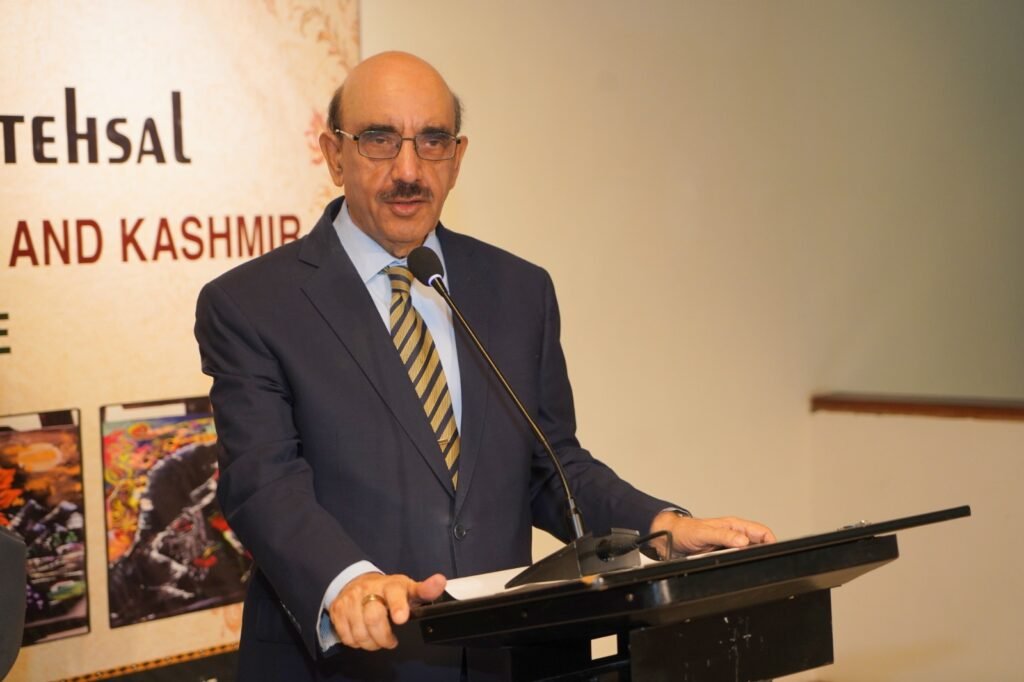
PNCA Hosts Ceremony and Walk for Youm-e-Istehsal Kashmir

ISLAMABAD — The Pakistan National Council of the Arts (PNCA), in collaboration with the Ministry of Kashmir Affairs and Gilgit-Baltistan, organized a solemn ceremony and a solidarity walk on Saturday to observe Youm-e-Istehsal Kashmir. The event aimed to express support for the people of Kashmir and mark the anniversary of the revocation of Article 370 by India, which granted special autonomy to the region. What Happened The PNCA event commenced with a dignified ceremony attended by government officials, artists, and civil society members, emphasizing Pakistan’s unwavering support for Kashmir. The ceremony featured speeches, cultural performances, and a photographic exhibition depicting the struggles faced by the Kashmiri people. A highlight of the event was the solidarity walk, which saw participants carrying banners and placards with messages of support for Kashmir’s right to self-determination. Minister for Kashmir Affairs and Gilgit-Baltistan, Ali Amin Gandapur, addressed the gathering, reiterating Pakistan’s commitment to the Kashmiri cause. “We stand with our Kashmiri brothers and sisters in their struggle for freedom and justice,” he stated. The minister also called on the international community to take notice of the human rights violations in the region. The event’s cultural segment included traditional Kashmiri music and dance performances, symbolizing the rich heritage and resilience of the Kashmiri people. The photographic exhibition showcased images of the region’s natural beauty juxtaposed with scenes of conflict and resistance, providing a poignant reminder of the ongoing struggle. Background Youm-e-Istehsal Kashmir, observed annually on August 5, marks the day in 2019 when the Indian government abrogated Article 370 of its constitution, revoking the special status of Jammu and Kashmir. This move was met with widespread condemnation in Pakistan and has been a focal point of diplomatic tensions between the two countries. Pakistan has consistently raised the issue at international forums, calling for the restoration of Kashmir’s special status and the implementation of United Nations resolutions on the matter. The revocation of Article 370 led to significant unrest in the region, with reports of increased military presence, communication blackouts, and restrictions on movement. Human rights organizations have highlighted numerous violations, including arbitrary detentions and the suppression of freedom of expression. Why It Matters The observance of Youm-e-Istehsal Kashmir by the PNCA underscores the importance Pakistan places on the Kashmir issue, both domestically and internationally. The event serves as a reminder of the ongoing conflict and the need for a peaceful resolution in line with the aspirations of the Kashmiri people. Economically, the situation in Kashmir has implications for regional stability, which is crucial for trade and development in South Asia. The persistent tensions between India and Pakistan over Kashmir have historically hindered economic cooperation and growth in the region. Politically, the Kashmir issue remains a core aspect of Pakistan’s foreign policy. By organizing events like the one held by PNCA, Pakistan seeks to keep the international community engaged with the issue, advocating for dialogue and adherence to international law. Socially, the solidarity expressed through such events strengthens national unity and reaffirms the commitment of the Pakistani people to support the Kashmiri struggle. It also serves to educate younger generations about the historical and cultural ties between Pakistan and Kashmir. Key Takeaways The PNCA, with the Ministry of Kashmir Affairs, organized a ceremony and walk to observe Youm-e-Istehsal Kashmir. The event included speeches, cultural performances, and a photographic exhibition. Youm-e-Istehsal Kashmir marks the revocation of Article 370 by India in 2019. Pakistan continues to advocate for Kashmir’s right to self-determination on international platforms. The observance highlights the socio-political and economic implications of the Kashmir conflict. Source Attribution This article is based on official government statements, press releases, and public communications from relevant authorities. Author: NEN Editorial Desk | Editor: NEN Newsroom | Fact Checked By: NEN Editorial Team Author: NEN Editorial Desk  |  Editor: NEN Newsroom  |  Last Updated: August 05, 2026  |  Source: NEN Reporter This article was produced by the NEN Editorial Desk in accordance with NEN Agency’s Editorial Policy and Fact-Checking Policy.

Scroll to Top