
Author name: Yasir Zubairi

Yasir Zubairi is the founder and publisher of NEN Agency (News Era Network). He leads NEN's coverage of Pakistan's national affairs, economy, foreign relations and sports, and is responsible for the accuracy and standards of every story published on nenagency.com.

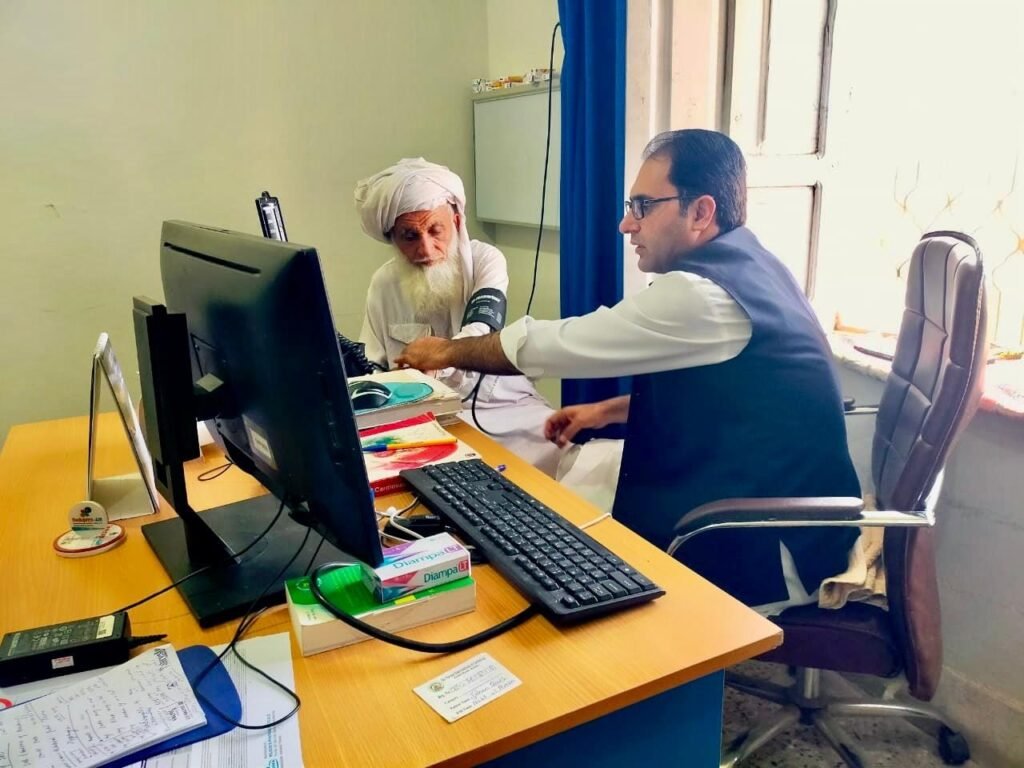
DHQ Wana Emerges as Leading Healthcare Facility in South Waziristan
Pakistan

DHQ Wana Emerges as Leading Healthcare Facility in South Waziristan

WANA — The District Headquarters (DHQ) Hospital in Wana has undergone significant improvements in management and infrastructure, establishing itself as a leading healthcare institution in South Waziristan. The transformation is attributed to enhanced governance, upgraded medical facilities, and a patient-centred approach, according to official sources. What Happened In recent months, the DHQ Hospital Wana has seen a series of strategic improvements aimed at elevating the quality of healthcare services provided to the local population. These enhancements include the introduction of advanced medical equipment, the recruitment of specialized medical staff, and the implementation of efficient management practices. The hospital’s administration has focused on creating a more patient-friendly environment, which has contributed to its growing reputation as a trusted healthcare provider in the region. According to the hospital administration, these changes have led to a notable increase in patient satisfaction and trust. “Our goal was to ensure that the people of South Waziristan have access to quality healthcare services without having to travel long distances,” a hospital official stated. The improvements have also resulted in a higher patient turnover, with more individuals opting for treatment at DHQ Wana rather than seeking medical care in distant urban centres. The hospital’s upgraded facilities now include a modern emergency department, improved diagnostic services, and expanded inpatient and outpatient services. These developments have been supported by the local government and health authorities, who have recognized the critical need for robust healthcare infrastructure in the region. Background South Waziristan, a district in Pakistan’s Khyber Pakhtunkhwa province, has historically faced challenges in healthcare provision due to its remote location and socio-economic conditions. The region has been affected by conflict and instability, which have further complicated efforts to establish reliable healthcare services. In the past, residents often had to travel to larger cities to receive adequate medical treatment, which was both time-consuming and costly. The government’s recent focus on improving healthcare infrastructure in remote areas is part of a broader strategy to enhance public services and promote regional development. The transformation of DHQ Wana is seen as a pilot project that could serve as a model for similar initiatives in other underserved areas. Why It Matters The transformation of DHQ Wana into a trusted healthcare institution holds significant implications for the people of South Waziristan. Access to quality healthcare is a fundamental right, and the improvements at DHQ Wana are a critical step towards ensuring that residents of this remote region can exercise that right. The hospital’s enhanced capabilities mean that patients can receive timely and effective treatment, which is crucial for improving health outcomes and reducing mortality rates in the area. Economically, the availability of reliable healthcare services can reduce the financial burden on families who previously had to travel long distances for medical care. This can lead to increased economic stability and improved quality of life for residents. Furthermore, the hospital’s success could attract more healthcare professionals to the area, addressing the shortage of skilled medical personnel that has long plagued the region. Politically, the government’s investment in healthcare infrastructure in South Waziristan demonstrates a commitment to addressing the needs of marginalized communities. This could enhance trust between the government and local populations, fostering a sense of inclusion and participation in national development efforts. Key Takeaways DHQ Wana has significantly improved its healthcare services through better management and upgraded facilities. The hospital now offers advanced medical equipment and specialized staff, increasing patient satisfaction. The transformation addresses long-standing healthcare access issues in the remote region of South Waziristan. Improved healthcare services can reduce the financial burden on families and enhance economic stability. The initiative reflects the government’s commitment to improving public services in marginalized areas. Source Attribution This article is based on official government statements, press releases, and public communications from relevant authorities. Author: NEN Editorial Desk | Editor: NEN Newsroom | Fact Checked By: NEN Editorial Team Author: NEN Editorial Desk  |  Editor: NEN Newsroom  |  Last Updated: July 26, 2026  |  Source: NEN Reporter This article was produced by the NEN Editorial Desk in accordance with NEN Agency’s Editorial Policy and Fact-Checking Policy.
Afghanistan Freedom Front Downs Two Taliban Drones In Badakhshan
Pakistan

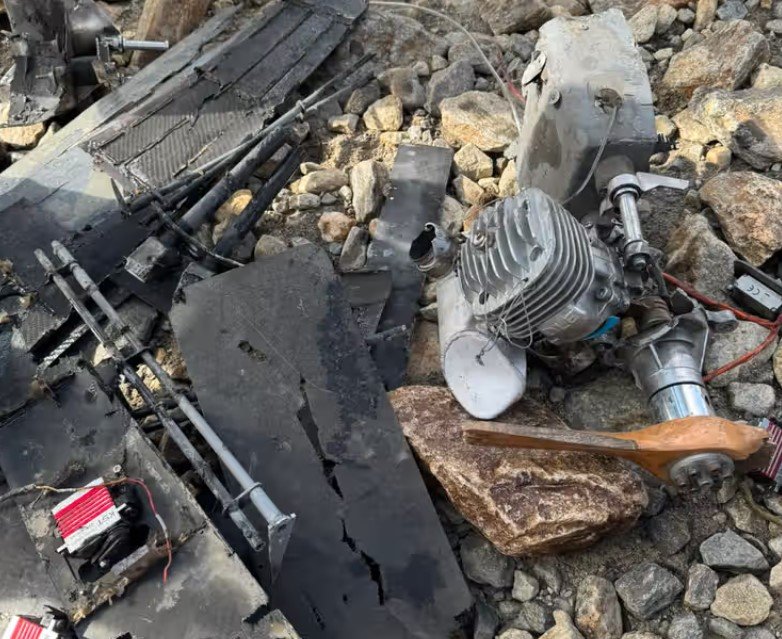
Afghanistan Freedom Front Downs Two Taliban Drones In Badakhshan

ISLAMABAD — The Afghanistan Freedom Front (AFF) has reportedly shot down two Taliban military drones in the Zebak district of Badakhshan province, Afghanistan. This incident, which occurred on July 25, 2023, highlights ongoing tensions between the Taliban and opposition groups within the region. What Happened According to a statement released by the Afghanistan Freedom Front, the Taliban drones were engaged in operations over territories controlled by the AFF in Badakhshan’s Zebak district. The AFF claims that the drones were part of a broader Taliban strategy to exert control over areas held by resistance forces. These drones were reportedly conducting reconnaissance missions to gather intelligence on AFF positions. The AFF’s statement further indicated that the Taliban had recently attempted a large-scale advance in the region, which prompted the group to take defensive measures, including the downing of the drones. The AFF, a resistance group opposing Taliban rule, has been active in various parts of Afghanistan, particularly in regions where the Taliban’s control is contested. While the Taliban has not yet responded to the AFF’s claims, this incident underscores the ongoing conflict and instability in Afghanistan, particularly in areas where opposition groups remain active. The use of drones by the Taliban signifies a shift towards more technologically advanced military tactics, which opposition groups like the AFF are now countering. Background The Afghanistan Freedom Front emerged as one of several resistance groups following the Taliban’s takeover of Afghanistan in August 2021. The group comprises former Afghan military personnel, local militias, and other anti-Taliban factions. Badakhshan province, located in northeastern Afghanistan, has been a focal point for resistance activities due to its challenging terrain and historical significance as a stronghold for anti-Taliban forces. The Taliban’s use of drones marks an evolution in their military capabilities, allowing them to conduct surveillance and gather intelligence on opposition movements. This technological adaptation reflects the Taliban’s efforts to consolidate power and suppress resistance in areas like Badakhshan, where opposition remains strong. Why It Matters The downing of Taliban drones by the Afghanistan Freedom Front is significant for several reasons. Firstly, it highlights the ongoing conflict between the Taliban and resistance groups, which continues to destabilize regions like Badakhshan. This instability poses challenges not only for the local population but also for international efforts to bring peace and security to Afghanistan. Economically, the persistent conflict in Afghanistan affects regional trade and development. Badakhshan, with its rich mineral resources, has the potential to contribute significantly to Afghanistan’s economy. However, ongoing conflict disrupts mining activities and deters investment, thereby hindering economic growth. Politically, the presence of active resistance groups like the AFF challenges the Taliban’s authority and complicates their efforts to establish a stable governance structure. This ongoing resistance could lead to further fragmentation of power within Afghanistan, making it difficult for the Taliban to maintain control over the entire country. Internationally, the situation in Afghanistan remains a concern for neighboring countries and global powers. The potential for Afghanistan to become a breeding ground for extremist activities poses a threat to regional and global security. The international community continues to monitor developments closely, with some nations providing support to resistance groups as part of broader efforts to counter the Taliban’s influence. Key Takeaways The Afghanistan Freedom Front claims to have shot down two Taliban military drones in Badakhshan’s Zebak district. This incident underscores ongoing tensions and conflict between the Taliban and resistance groups in Afghanistan. The Taliban’s use of drones signifies an advancement in their military tactics, posing new challenges for opposition forces. Persistent conflict in regions like Badakhshan affects economic development and regional stability. International attention remains focused on Afghanistan due to potential security threats and ongoing instability. Source Attribution This article is based on official statements and public communications from relevant authorities. Author: NEN Editorial Desk | Editor: NEN Newsroom | Fact Checked By: NEN Editorial Team Author: NEN Editorial Desk  |  Editor: NEN Newsroom  |  Last Updated: July 26, 2026  |  Source: Press Release from Government of Pakistan This article was produced by the NEN Editorial Desk in accordance with NEN Agency’s Editorial Policy and Fact-Checking Policy.
Elderly Vendor Showcases Fresh Dates on Rawalpindi Streets
Pakistan

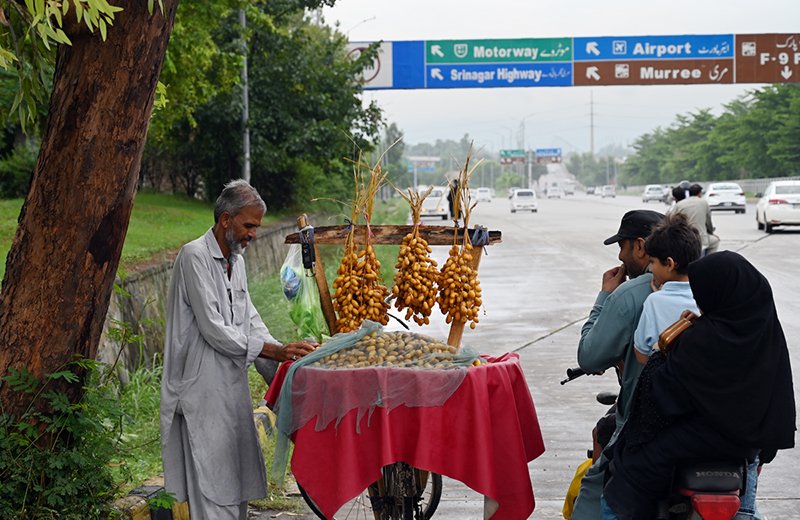
Elderly Vendor Showcases Fresh Dates on Rawalpindi Streets

RAWALPINDI — An elderly street vendor in Rawalpindi has become a focal point for local residents as he displays freshly harvested dates hanging in bunches on his roadside cart. The vendor’s cart, adorned with the seasonal produce, attracts a steady stream of customers eager to purchase the dates, a staple fruit in Pakistani diets. What Happened The scene is a familiar one in Rawalpindi, where street vendors play a crucial role in the local economy by providing fresh produce directly to consumers. The vendor, whose identity remains undisclosed, has set up his cart at a busy intersection, drawing passersby with the vibrant display of dates. The dates, sourced from the recent harvest, are presented in large, enticing bunches that hang from the sides of the cart. Customers, ranging from local families to individual shoppers, stop by to examine and purchase the dates. The vendor’s strategic location on a bustling street ensures a constant flow of potential buyers. According to eyewitnesses, the vendor engages with customers, offering them information about the quality and origin of the dates, which are known for their sweetness and nutritional value. One customer, who identified herself as Ayesha, expressed her satisfaction with the quality of the dates. “These dates are fresh and delicious. It’s wonderful to have access to such quality produce right on the street,” she said. The vendor’s initiative highlights the importance of street markets in providing accessible and affordable food options to the community. Background Rawalpindi, a city known for its vibrant street markets, has a long-standing tradition of street vending, particularly for fresh produce. Vendors like the one selling dates contribute significantly to the local economy by offering fresh, seasonal fruits and vegetables directly to consumers. This practice not only supports the livelihoods of the vendors but also provides an essential service to the community, offering fresh produce at competitive prices. Dates hold cultural and nutritional significance in Pakistan, often consumed during the holy month of Ramadan and throughout the year as a healthy snack. The fruit is rich in essential nutrients and provides a natural source of energy, making it a popular choice among consumers. Why It Matters The presence of street vendors selling fresh produce like dates is crucial for urban areas in Pakistan, where access to fresh fruits and vegetables can be limited by economic and logistical barriers. Street vendors help bridge this gap by bringing produce directly to consumers, often at lower prices than those found in supermarkets. Economically, street vending supports a significant portion of the informal sector, providing employment and income for many families. This sector is particularly important in urban areas, where formal employment opportunities may be scarce. The vendor’s success in Rawalpindi underscores the resilience and adaptability of small-scale entrepreneurs in Pakistan’s urban economy. Socially, the availability of fresh dates and other produce on the streets of Rawalpindi enhances food security and nutritional diversity for local residents. It also fosters a sense of community, as street markets often serve as social hubs where residents can gather, interact, and support local businesses. Key Takeaways An elderly vendor in Rawalpindi is attracting customers with fresh, seasonal dates. Street vending plays a vital role in providing affordable produce to urban consumers. Dates are culturally significant and nutritionally beneficial, popular across Pakistan. Street vendors contribute significantly to the informal economy and local employment. Access to fresh produce through street markets enhances food security and community interaction. Source Attribution This article is based on official government statements, press releases, and public communications from relevant authorities. Author: NEN Editorial Desk | Editor: NEN Newsroom | Fact Checked By: NEN Editorial Team Author: NEN Editorial Desk  |  Editor: NEN Newsroom  |  Last Updated: July 25, 2026  |  Source: NEN Reporter This article was produced by the NEN Editorial Desk in accordance with NEN Agency’s Editorial Policy and Fact-Checking Policy.
Monsoon Brings Fresh Consignments of Ornamental Plants to Islamabad Nursery
Pakistan

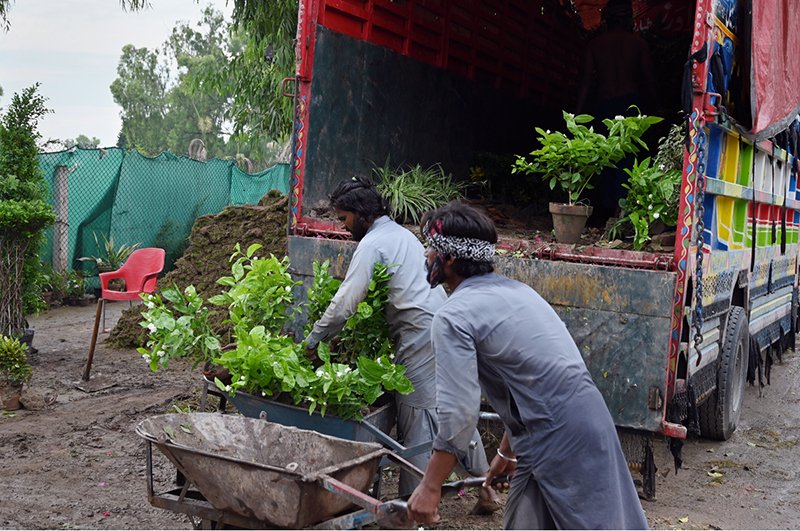
Monsoon Brings Fresh Consignments of Ornamental Plants to Islamabad Nursery

ISLAMABAD — Labourers were seen unloading flowering and ornamental plants from a truck at a local nursery in the H-9 area of the Federal Capital. This activity marks the arrival of fresh consignments of plants coinciding with the monsoon season, which is a critical period for horticulture in the region. What Happened The bustling scene at the H-9 nursery involved labourers using wheelbarrows to efficiently transport a variety of flowering and ornamental plants from delivery trucks to their respective display areas. The monsoon season, which typically spans from July to September, is a peak time for nurseries as the increased rainfall provides optimal conditions for planting and growing new stock. Nursery owners in Islamabad have reported a surge in demand for both flowering and ornamental plants during this period. The monsoon rains not only help in the growth of these plants but also encourage more people to engage in gardening activities. A local nursery manager stated, “The monsoon season is the best time for us to replenish our stock and offer a wider variety of plants to our customers, who are eager to beautify their homes and gardens.” With the arrival of these new consignments, nurseries are preparing for a busy season ahead. The plants, which include a range of species suitable for the local climate, are expected to attract both amateur and professional gardeners. The influx of plants is also anticipated to boost local sales and provide a temporary increase in employment opportunities for labourers involved in the unloading and arrangement of the plants. Background Islamabad’s nurseries have long been a staple for residents looking to enhance their gardens with a variety of plants. The H-9 area, known for its concentration of nurseries, becomes particularly vibrant during the monsoon season. This period is crucial for the horticultural industry as the natural rainfall reduces the need for artificial irrigation, making it an economically favorable time for planting. The monsoon season in Pakistan is characterized by heavy rains that replenish water tables and provide much-needed moisture to the soil. This natural irrigation is essential for the successful cultivation of both ornamental and flowering plants. Historically, the monsoon has been a time when nurseries stock up on new varieties to meet the increased demand from both local residents and businesses looking to enhance their landscapes. Why It Matters The arrival of fresh plant consignments during the monsoon season is significant for several reasons. Economically, it supports local businesses and provides employment opportunities for labourers involved in the horticultural supply chain. The increased activity in nurseries also stimulates related sectors, such as landscaping services and garden supplies, contributing to the local economy. Socially, the availability of a diverse range of plants encourages community engagement in gardening, which has been shown to have positive effects on mental health and well-being. Gardening activities can foster a sense of community as individuals share tips and experiences, and it promotes environmental awareness and stewardship. Environmentally, the monsoon season’s natural irrigation supports sustainable gardening practices. By reducing reliance on artificial watering systems, nurseries and gardeners can lower their water consumption, contributing to conservation efforts. The planting of ornamental and flowering plants also enhances urban green spaces, improving air quality and providing habitats for local wildlife. Key Takeaways Labourers are actively unloading new consignments of ornamental plants at Islamabad’s H-9 nursery during the monsoon season. The monsoon season provides optimal conditions for planting, boosting demand for flowering and ornamental plants. This period supports local nurseries economically and offers temporary employment opportunities for labourers. Gardening during the monsoon season promotes community engagement and environmental sustainability. The increased activity in nurseries contributes to the local economy and enhances urban green spaces. Source Attribution This article is based on official government statements, press releases, and public communications from relevant authorities. Author: NEN Editorial Desk | Editor: NEN Newsroom | Fact Checked By: NEN Editorial Team Author: NEN Editorial Desk  |  Editor: NEN Newsroom  |  Last Updated: July 25, 2026  |  Source: NEN Reporter This article was produced by the NEN Editorial Desk in accordance with NEN Agency’s Editorial Policy and Fact-Checking Policy.
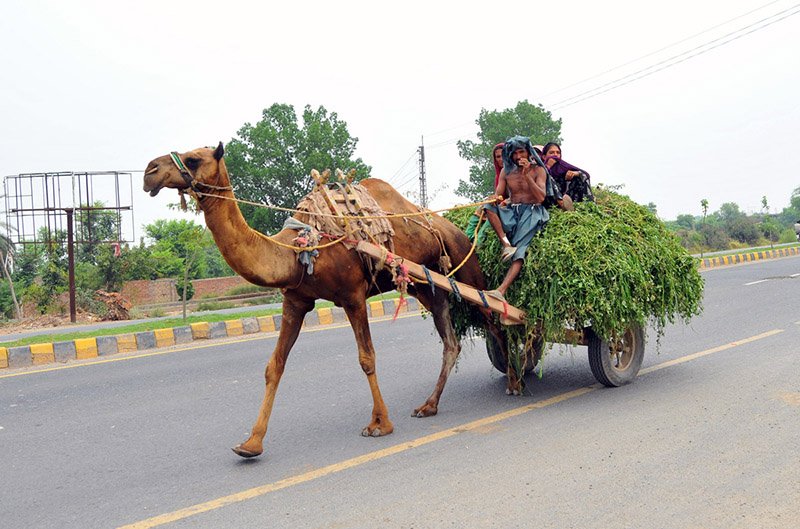
Camel-Drawn Cart Highlights Traditional Transport in Multan
Pakistan

Camel-Drawn Cart Highlights Traditional Transport in Multan

MULTAN — A camel pulling a cart laden with fresh green fodder while simultaneously carrying a family was spotted navigating a city road in Multan, illustrating a traditional mode of transport that remains a vital part of daily life for many residents. What Happened In Multan, a city known for its rich history and cultural heritage, a camel-drawn cart was observed making its way through the bustling streets. The cart, heavily loaded with fresh green fodder, also carried a family, showcasing a scene that is both a nod to traditional practices and a practical solution for transportation and livelihood. The use of camels for transport in Multan is not uncommon, as these animals are well-suited to the region’s climate and terrain. They provide an economical and efficient means of moving goods and people, especially in areas where modern vehicles may not be as accessible or affordable. Local residents often rely on camel carts for transporting agricultural produce, household goods, and even as a means of personal transport. The sight of a camel cart in the city serves as a reminder of the enduring significance of traditional practices in the face of modernity. It also highlights the adaptability and resilience of communities that continue to embrace these age-old methods. Background Multan, one of the oldest cities in the Indian subcontinent, has a long history of using animals for transport. The camel, often referred to as the ‘ship of the desert,’ has been an integral part of life in the region for centuries. Historically, camels have been used for trade caravans, agricultural work, and transportation across the arid landscapes of South Asia. Despite the advent of modern vehicles, many areas in Pakistan, including parts of Multan, still rely on traditional modes of transport. This is due to various factors such as economic constraints, cultural preferences, and the geographical landscape that can make modern vehicles impractical. The camel cart is a symbol of the region’s enduring cultural heritage and its ability to adapt to changing times while preserving traditional practices. Why It Matters The continued use of camel carts in Multan is significant for several reasons. Economically, it provides a cost-effective transportation option for many families who may not afford motorized vehicles. This is particularly important in rural and semi-urban areas where economic opportunities can be limited. Socially, the camel cart is a cultural icon that reinforces community identity and continuity. It represents a way of life that has been passed down through generations, offering a sense of stability and tradition in a rapidly modernizing world. From an environmental perspective, camel carts offer a sustainable alternative to motorized transport, reducing reliance on fossil fuels and lowering carbon emissions. This aligns with global efforts to promote environmentally friendly practices and reduce the carbon footprint of transportation systems. Furthermore, the presence of camel carts in urban settings like Multan underscores the diverse transport needs of the population and highlights the importance of inclusive transport policies that cater to all segments of society. It also raises awareness about the need to preserve cultural heritage while embracing technological advancements. Key Takeaways Camel carts remain a practical and economical mode of transport in Multan. The use of camel carts highlights the cultural heritage and traditional practices of the region. Camel-drawn transport offers an environmentally friendly alternative to motorized vehicles. The persistence of traditional transport methods reflects the diverse needs of the population. Preserving traditional practices is vital for cultural continuity amid modernization. Source Attribution This article is based on official government statements, press releases, and public communications from relevant authorities. Author: NEN Editorial Desk | Editor: NEN Newsroom | Fact Checked By: NEN Editorial Team Author: NEN Editorial Desk  |  Editor: NEN Newsroom  |  Last Updated: July 25, 2026  |  Source: NEN Reporter This article was produced by the NEN Editorial Desk in accordance with NEN Agency’s Editorial Policy and Fact-Checking Policy.
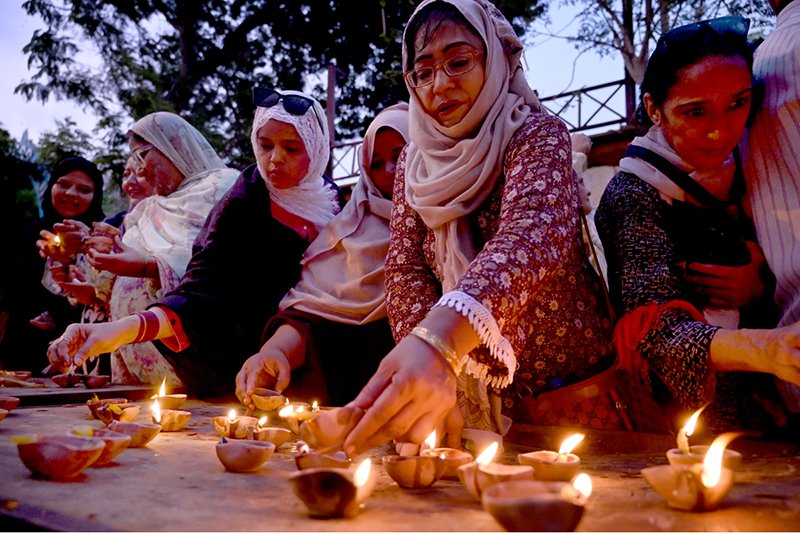
Civil Society Protests Labourers’ Killing With Vigil in Karachi
Pakistan

Civil Society Protests Labourers’ Killing With Vigil in Karachi

KARACHI — Members of civil society gathered outside the Karachi Press Club on Tuesday evening to hold a vigil in protest against the recent killing of labourers in Balochistan. The demonstrators lit earthen lamps to commemorate the victims and to call for justice and accountability. What Happened The protest was organized in response to the tragic killing of several labourers in Balochistan, a province that has witnessed ongoing violence and unrest. The demonstrators, comprising various civil society groups, human rights activists, and concerned citizens, assembled at the Karachi Press Club, a traditional venue for public demonstrations and expressions of dissent in the city. The participants lit earthen lamps, a symbolic gesture to honor the deceased and to shed light on the plight of labourers who often work under perilous conditions in remote areas of the country. The gathering was peaceful, with participants holding placards and banners demanding justice for the victims and urging the authorities to take swift action against those responsible for the killings. One of the organizers, speaking on condition of anonymity, stated, “We are here to show solidarity with the families of the victims and to demand that the government take concrete steps to ensure the safety and security of labourers across the country.” The protestors called for enhanced security measures and better protection for workers, particularly those employed in conflict-prone regions. Background Balochistan has long been a hotspot for violence, with various insurgent groups operating in the region. The province, rich in natural resources, has seen frequent attacks on infrastructure and personnel, often targeting workers involved in development projects. These attacks have been attributed to separatist elements who oppose the central government’s policies and demand greater autonomy for the region. The killing of labourers in Balochistan is not an isolated incident. Over the years, numerous workers have fallen victim to such violence, highlighting the ongoing security challenges faced by those working in the province. The government has repeatedly vowed to improve security and bring perpetrators to justice, but the cycle of violence continues to claim lives. Why It Matters The killing of labourers in Balochistan has significant implications for Pakistan’s socio-economic and political landscape. Economically, the province is vital due to its natural resources and strategic location, which are crucial for national development projects, including the China-Pakistan Economic Corridor (CPEC). Continued violence poses a threat to these projects, potentially deterring investment and slowing economic growth. Socially, the repeated targeting of labourers exacerbates the sense of insecurity and marginalization felt by the local population. It highlights the need for comprehensive strategies to address the root causes of violence, including poverty, lack of education, and political disenfranchisement. Ensuring the safety of workers is essential for fostering trust and cooperation between the government and the local communities. Politically, the situation in Balochistan remains a sensitive issue. The government’s ability to maintain law and order in the province is crucial for national stability. Failure to protect citizens and bring perpetrators to justice undermines public confidence in the state’s capacity to govern effectively, potentially fueling further unrest. Key Takeaways Civil society in Karachi held a vigil to protest the killing of labourers in Balochistan. The protest highlighted the ongoing security challenges faced by workers in conflict-prone regions. Balochistan’s violence threatens economic projects and national stability. Addressing the root causes of violence is essential for long-term peace and development. The government’s response to such incidents is critical for maintaining public trust. Source Attribution This article is based on official government statements, press releases, and public communications from relevant authorities. Author: NEN Editorial Desk | Editor: NEN Newsroom | Fact Checked By: NEN Editorial Team Author: NEN Editorial Desk  |  Editor: NEN Newsroom  |  Last Updated: July 25, 2026  |  Source: NEN Reporter This article was produced by the NEN Editorial Desk in accordance with NEN Agency’s Editorial Policy and Fact-Checking Policy.

Asif Ali Khan Durrani Discusses Middle East Power Shifts at PIIA Seminar
World

Asif Ali Khan Durrani Discusses Middle East Power Shifts at PIIA Seminar

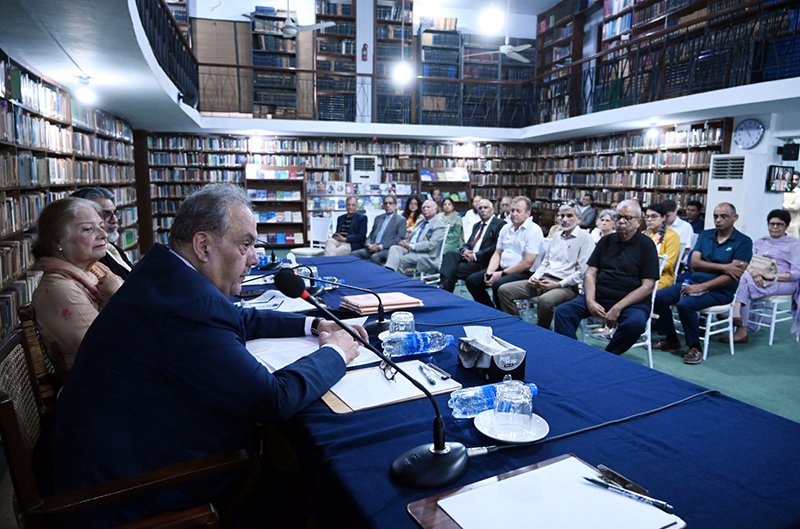
KARACHI — Former Ambassador to Iran and the UAE, Asif Ali Khan Durrani, addressed a seminar titled “Changing Dynamics of Power in the Middle East,” organized by the Pakistan Institute of International Affairs (PIIA) in Karachi. The seminar focused on the evolving geopolitical landscape in the Middle East and its implications for regional and global politics. What Happened During the seminar held on Thursday, Asif Ali Khan Durrani, who has also served as Pakistan’s Special Representative for Afghanistan, provided an in-depth analysis of the shifting power dynamics in the Middle East. He highlighted the complex interplay of regional alliances, the influence of major powers, and the impact of ongoing conflicts on the geopolitical stability of the region. Durrani emphasized the importance of understanding the historical context of Middle Eastern politics to comprehend current developments. He noted, “The Middle East has always been a region of strategic importance due to its vast energy resources and its pivotal location, which connects Asia, Africa, and Europe.” He further elaborated on the role of external powers, particularly the United States, Russia, and China, in shaping the region’s political landscape. “The involvement of these powers often complicates regional issues, as their interests do not always align with those of the Middle Eastern countries,” Durrani stated. The seminar also addressed the ongoing conflicts in Syria and Yemen, the Iranian nuclear deal, and the normalization of relations between Israel and several Arab states. Durrani pointed out that these developments have significant implications for regional security and economic cooperation. Background The Middle East has historically been a region of strategic interest due to its vast oil reserves and geopolitical significance. Over the past decade, the region has witnessed significant upheaval, including the Arab Spring, the rise and fall of ISIS, and shifting alliances among key players such as Saudi Arabia, Iran, and Turkey. Pakistan has maintained a keen interest in Middle Eastern affairs, given its economic ties and the presence of a large Pakistani diaspora in the Gulf states. The country has historically balanced its relations with various regional powers while advocating for peaceful resolutions to conflicts. Why It Matters The shifting dynamics in the Middle East have far-reaching implications for Pakistan, both economically and politically. As a country with deep-rooted ties to the region, changes in Middle Eastern geopolitics can influence Pakistan’s foreign policy and economic strategies. Economically, Pakistan relies on remittances from its expatriates in the Gulf, which constitute a significant portion of its foreign exchange reserves. Any instability in the region could affect the livelihood of millions of Pakistani workers and, by extension, the Pakistani economy. Politically, Pakistan’s diplomatic relations with Middle Eastern countries are crucial for its strategic interests. The evolving alliances and conflicts in the region require Pakistan to navigate its foreign policy carefully to maintain its relationships and protect its national interests. Furthermore, the seminar’s discussions underscore the importance of Pakistan’s role in advocating for peace and stability in the Middle East. As a Muslim-majority country with historical ties to the region, Pakistan can play a mediating role in resolving conflicts and fostering dialogue among regional powers. Key Takeaways Asif Ali Khan Durrani addressed a seminar on Middle Eastern power dynamics at the PIIA in Karachi. The seminar highlighted the influence of major powers and ongoing conflicts in the region. Pakistan’s economic and political interests are closely tied to Middle Eastern stability. The seminar underscored the need for Pakistan to navigate its foreign policy carefully. Pakistan can play a mediating role in fostering peace and dialogue in the Middle East. Source Attribution This article is based on official statements and public communications from relevant authorities. Author: NEN Editorial Desk | Editor: NEN Newsroom | Fact Checked By: NEN Editorial Team Author: NEN Editorial Desk  |  Editor: NEN Newsroom  |  Last Updated: July 25, 2026  |  Source: NEN Reporter This article was produced by the NEN Editorial Desk in accordance with NEN Agency’s Editorial Policy and Fact-Checking Policy.

Three Individuals Charged for Violating Section 144 in Gujrat
Pakistan

Three Individuals Charged for Violating Section 144 in Gujrat

GUJRAT — The district administration of Gujrat has registered cases against three individuals for violating Section 144, which prohibits bathing and swimming in rivers, canals, and rain-fed water channels during the monsoon season. This action was taken under the directive of Deputy Commissioner Gujrat Noor-ul-Ain Qureshi. What Happened In response to the ongoing monsoon season, the Gujrat district administration has intensified its efforts to enforce Section 144, aimed at preventing accidents and ensuring public safety. On the orders of Deputy Commissioner Noor-ul-Ain Qureshi, three cases were filed against individuals who were found violating this regulation. The individuals were reportedly caught engaging in swimming activities in restricted water bodies, thereby defying the legal order. The enforcement of Section 144 is a preventive measure to avoid potential drownings and accidents that are more likely during the monsoon season when water levels rise significantly. The district administration has been vigilant in monitoring these activities and is committed to taking strict action against violators to safeguard public safety. Deputy Commissioner Qureshi emphasized the importance of adhering to the restrictions, stating, “The safety of our citizens is our top priority, and we will not tolerate any actions that put lives at risk.” Local authorities have been conducting regular patrols and awareness campaigns to inform the public about the dangers of swimming in these water bodies during the monsoon. Despite these efforts, some individuals continue to disregard the warnings, prompting the administration to take legal action. Background Section 144 is a legal provision in Pakistan that allows the government to prohibit certain activities in order to maintain public order and safety. It is commonly invoked during times of potential unrest or when there is a significant threat to public safety. In the context of the monsoon season, Section 144 is often applied to restrict access to water bodies to prevent drowning incidents, which are a frequent occurrence during this period. Historically, the monsoon season in Pakistan is marked by heavy rainfall, leading to increased water levels in rivers and canals. This natural phenomenon, while essential for agriculture, poses significant risks to communities living near these water bodies. In past years, there have been numerous incidents of drowning, prompting authorities to enforce strict regulations. Why It Matters The enforcement of Section 144 in Gujrat is significant for several reasons. Firstly, it underscores the government’s commitment to public safety, particularly during the hazardous monsoon season. By taking legal action against violators, the district administration is sending a strong message that public safety regulations must be adhered to. Economically, the monsoon season is crucial for Pakistan’s agricultural sector, as it provides much-needed water for crops. However, the associated risks of flooding and drowning necessitate a balanced approach to ensure both agricultural benefits and public safety. The enforcement of Section 144 helps mitigate these risks, thereby protecting lives and reducing the potential burden on emergency services and healthcare facilities. Socially, the move highlights the importance of community awareness and cooperation in adhering to safety regulations. By educating the public about the dangers of swimming in swollen rivers and canals, authorities aim to foster a culture of safety and responsibility. This is particularly important in rural areas where access to information and emergency services may be limited. Politically, the enforcement of such regulations reflects the government’s proactive stance in addressing public safety concerns. It demonstrates a commitment to upholding the rule of law and ensuring that citizens’ well-being is prioritized, which can enhance public trust in governmental institutions. Key Takeaways Three individuals have been charged in Gujrat for violating Section 144 during the monsoon season. Section 144 prohibits swimming in rivers, canals, and rain-fed channels to prevent accidents. The district administration is actively enforcing this regulation to ensure public safety. The monsoon season poses significant risks, necessitating strict adherence to safety measures. Enforcement of Section 144 reflects the government’s commitment to public safety and law enforcement. Source Attribution This article is based on official government statements, press releases, and public communications from relevant authorities. Author: NEN Editorial Desk | Editor: NEN Newsroom | Fact Checked By: NEN Editorial Team Author: NEN Editorial Desk  |  Editor: NEN Newsroom  |  Last Updated: July 25, 2026  |  Source: NEN Reporter This article was produced by the NEN Editorial Desk in accordance with NEN Agency’s Editorial Policy and Fact-Checking Policy.
Chowk Sarwar Shaheed Issues Notices for Unsafe Buildings Before Monsoon
Pakistan

Chowk Sarwar Shaheed Issues Notices for Unsafe Buildings Before Monsoon

CHOWK SARWAR SHAHEED — The Municipal Committee of Chowk Sarwar Shaheed has initiated a campaign to address the risks posed by unsafe structures as the monsoon season approaches. On Saturday, officials issued warning notices to owners of buildings deemed dilapidated or in need of repair, aiming to mitigate potential hazards during the upcoming heavy rains. What Happened The Municipal Committee of Chowk Sarwar Shaheed has launched a proactive measure to ensure public safety by targeting buildings that pose a risk during the monsoon season. The initiative involves issuing warning notices to property owners whose buildings have been identified as unsafe or requiring urgent repairs. This action is part of a broader strategy to prevent accidents and structural failures that could result from heavy rainfall. According to municipal officials, the campaign began on Saturday and focuses on identifying structures that are particularly vulnerable to the adverse effects of the monsoon. The committee has conducted thorough inspections and assessments to determine which buildings require immediate attention. Owners of these properties have been served notices, urging them to undertake necessary repairs to fortify their buildings against potential damage. The monsoon season in Pakistan is characterized by heavy rains that can lead to flooding and structural damage, particularly in areas with older or poorly maintained buildings. The municipal committee’s actions are a response to these risks, aiming to protect both property and lives. The officials emphasized the importance of compliance with the notices, warning that failure to address the identified issues could result in further legal action or penalties. Background Chowk Sarwar Shaheed, like many areas in Pakistan, is vulnerable to the challenges posed by the monsoon season. Historically, the region has experienced significant rainfall during this period, leading to issues such as flooding, waterlogging, and damage to infrastructure. In previous years, inadequate preparation and maintenance of buildings have exacerbated these problems, resulting in accidents and, in some cases, casualties. The legal framework governing building safety in Pakistan mandates regular inspections and maintenance of structures to ensure they meet safety standards. However, enforcement of these regulations has often been inconsistent, leading to a backlog of buildings in need of repair or reinforcement. The current initiative by the Municipal Committee of Chowk Sarwar Shaheed is part of an ongoing effort to address these challenges and enhance the resilience of the community’s infrastructure. Why It Matters The proactive measures taken by the Municipal Committee of Chowk Sarwar Shaheed are crucial for several reasons. Economically, ensuring the safety of buildings can prevent costly damage and loss of property, which can have a significant impact on local economies. Socially, the initiative enhances community safety, reducing the risk of accidents and injuries during the monsoon season. Politically, the campaign reflects a commitment by local authorities to prioritize public safety and infrastructure resilience. It demonstrates an awareness of the challenges posed by climate change and extreme weather events, which are becoming increasingly frequent and severe. By addressing these issues head-on, the municipal committee is setting a precedent for other regions to follow. Internationally, Pakistan’s efforts to improve infrastructure safety and resilience can enhance its reputation as a country committed to sustainable development and disaster risk reduction. It aligns with global initiatives to address the impacts of climate change and improve urban planning and management. Key Takeaways The Municipal Committee of Chowk Sarwar Shaheed has issued notices to owners of unsafe buildings ahead of the monsoon season. The initiative aims to prevent structural failures and accidents during heavy rains. Building safety regulations in Pakistan require regular inspections and maintenance, but enforcement has been inconsistent. The campaign reflects a broader commitment to public safety and infrastructure resilience. These efforts align with global initiatives to address climate change impacts and improve urban management. Source Attribution This article is based on official government statements, press releases, and public communications from relevant authorities. Author: NEN Editorial Desk | Editor: NEN Newsroom | Fact Checked By: NEN Editorial Team Author: NEN Editorial Desk  |  Editor: NEN Newsroom  |  Last Updated: July 25, 2026  |  Source: NEN Reporter This article was produced by the NEN Editorial Desk in accordance with NEN Agency’s Editorial Policy and Fact-Checking Policy.

Gujrat Establishes 24-Hour Control Room for Monsoon Emergencies
Pakistan

Gujrat Establishes 24-Hour Control Room for Monsoon Emergencies

GUJRAT — The district administration of Gujrat has inaugurated a 24-hour Emergency Control Room to manage and coordinate relief operations in response to rain-related emergencies during the ongoing monsoon season. This initiative, announced on Saturday, aims to ensure a swift and organized response to potential disasters caused by heavy rainfall. What Happened In a proactive measure to address the challenges posed by the monsoon rains, the Gujrat district administration has set up a dedicated control room that will operate around the clock. This facility is tasked with overseeing the coordination of relief efforts, ensuring that resources are efficiently allocated, and that emergency services are promptly deployed to areas affected by severe weather conditions. The decision to establish this control room comes amid forecasts of heavy rainfall in the region, which has historically led to flooding and other related emergencies. The control room will serve as a central hub for communication and coordination among various government departments, emergency services, and local organizations involved in disaster management. According to the district administration, the control room is equipped with the necessary technology and staffed by trained personnel who will monitor weather conditions, track emergency calls, and dispatch response teams as needed. The administration has emphasized the importance of a coordinated response to minimize the impact of monsoon-related disasters on the local population. Background Gujrat, like many other regions in Pakistan, is vulnerable to the effects of the monsoon season, which typically lasts from June to September. The heavy rains often lead to flooding, landslides, and infrastructure damage, posing significant risks to communities and local economies. In recent years, the government has been working to improve its disaster response capabilities, including the establishment of emergency control rooms in vulnerable areas. The National Disaster Management Authority (NDMA) has been instrumental in guiding these efforts, providing technical support and resources to local administrations. The creation of the control room in Gujrat is part of a broader strategy to enhance local disaster preparedness and response capabilities across the country. Why It Matters The establishment of a 24-hour control room in Gujrat is a critical step in improving the district’s ability to respond to natural disasters. By centralizing coordination efforts, the administration can ensure that resources are deployed more efficiently and that affected communities receive timely assistance. This initiative is particularly important given the increasing frequency and intensity of extreme weather events attributed to climate change. For the residents of Gujrat, the control room represents a lifeline during the monsoon season, providing a direct channel for reporting emergencies and receiving assistance. It also reflects a growing recognition of the need for localized disaster management solutions that can be tailored to the specific challenges faced by different regions. On a broader scale, the successful implementation of this control room could serve as a model for other districts in Pakistan, encouraging the adoption of similar measures to enhance disaster resilience. As the country continues to grapple with the impacts of climate change, such initiatives are essential for safeguarding lives and livelihoods. Key Takeaways The Gujrat district administration has set up a 24-hour Emergency Control Room to manage monsoon emergencies. The control room will coordinate relief efforts and ensure a swift response to rain-related disasters. This initiative is part of broader efforts to improve disaster preparedness and response capabilities in Pakistan. The control room serves as a central hub for communication among government departments and emergency services. It highlights the importance of localized solutions to address the impacts of climate change and extreme weather events. Source Attribution This article is based on official government statements, press releases, and public communications from relevant authorities. Author: NEN Editorial Desk | Editor: NEN Newsroom | Fact Checked By: NEN Editorial Team Author: NEN Editorial Desk  |  Editor: NEN Newsroom  |  Last Updated: July 25, 2026  |  Source: NEN Reporter This article was produced by the NEN Editorial Desk in accordance with NEN Agency’s Editorial Policy and Fact-Checking Policy.

Scroll to Top