

Author name: Yasir Zubairi

Yasir Zubairi is the founder and publisher of NEN Agency (News Era Network). He leads NEN's coverage of Pakistan's national affairs, economy, foreign relations and sports, and is responsible for the accuracy and standards of every story published on nenagency.com.

Financial Markets Association Releases September 14 Exchange Rates Bulletin
World

Financial Markets Association Releases September 14 Exchange Rates Bulletin

KARACHI — The Financial Markets Association of Pakistan’s Exchange Rates Committee released the latest foreign exchange rates bulletin on Monday, September 14, 2026. The bulletin provides conversion rates for various foreign currencies, crucial for forward cover and deposits, excluding FE-25 deposits. What Happened The Exchange Rates Committee of the Financial Markets Association of Pakistan has issued the official exchange rates for September 14, 2026. According to the bulletin, the State Bank of Pakistan (SBP) settlement value date is set for the same day. The conversion rates are as follows: the US dollar (USD) stands at 277.2955, the British pound (GBP) at 374.4876, the euro (EUR) at 321.6628, and the Japanese yen (JPY) at 1.7998. The issuance of these rates is a routine procedure, yet it holds significant importance for traders, investors, and businesses involved in foreign transactions. These rates serve as a benchmark for financial institutions and businesses to conduct currency exchange operations, manage foreign exchange risk, and make informed decisions regarding international trade and investment. The bulletin’s release comes amid a fluctuating global economic environment, where exchange rates play a critical role in determining the competitiveness of a country’s exports and imports. The rates are determined based on a multitude of factors, including global market trends, economic indicators, and geopolitical developments. Background Exchange rates are a vital component of international finance and trade, influencing the cost of goods and services across borders. The Financial Markets Association of Pakistan, through its Exchange Rates Committee, regularly publishes these rates to ensure transparency and provide guidance to market participants. The State Bank of Pakistan also plays a role by setting the settlement value date, which is crucial for the timing of transactions. Historically, Pakistan’s currency has experienced volatility due to various internal and external factors, including political instability, economic policies, and global market conditions. The exchange rate system in Pakistan has evolved over the years, moving from a fixed exchange rate regime to a more flexible one, allowing market forces to play a greater role in determining the value of the Pakistani rupee against other currencies. Why It Matters The release of the exchange rates bulletin is significant for several reasons. Economically, it impacts the cost of imports and exports, influencing the trade balance and overall economic health of the country. A higher exchange rate for the US dollar, for instance, can make imports more expensive, affecting inflation and consumer prices. Conversely, it can make exports cheaper and more competitive internationally, potentially boosting the country’s export revenues. For businesses and investors, these rates are crucial for financial planning and risk management. Companies engaged in international trade must hedge against currency fluctuations to protect their profit margins. Investors in foreign assets also rely on these rates to assess the potential returns on their investments. On a broader scale, exchange rates can influence monetary policy decisions. The State Bank of Pakistan may adjust interest rates or intervene in the foreign exchange market to stabilize the currency and control inflation. Such actions can have wide-ranging effects on economic growth, employment, and the overall financial stability of the country. Key Takeaways The Financial Markets Association of Pakistan released the official exchange rates for September 14, 2026. The US dollar is valued at 277.2955, the British pound at 374.4876, the euro at 321.6628, and the Japanese yen at 1.7998. Exchange rates are crucial for international trade, investment decisions, and economic policy-making. Fluctuations in exchange rates can impact inflation, consumer prices, and export competitiveness. Businesses and investors use these rates for financial planning and risk management. Source Attribution This article is based on official government statements, press releases, and public communications from relevant authorities. Author: NEN Editorial Desk | Editor: NEN Newsroom | Fact Checked By: NEN Editorial Team Author: NEN Editorial Desk  |  Editor: NEN Newsroom  |  Last Updated: September 14, 2026  |  Source: NEN Reporter This article was produced by the NEN Editorial Desk in accordance with NEN Agency’s Editorial Policy and Fact-Checking Policy.
Gold Prices Decline Sharply in Pakistan and Global Markets
World

Gold Prices Decline Sharply in Pakistan and Global Markets

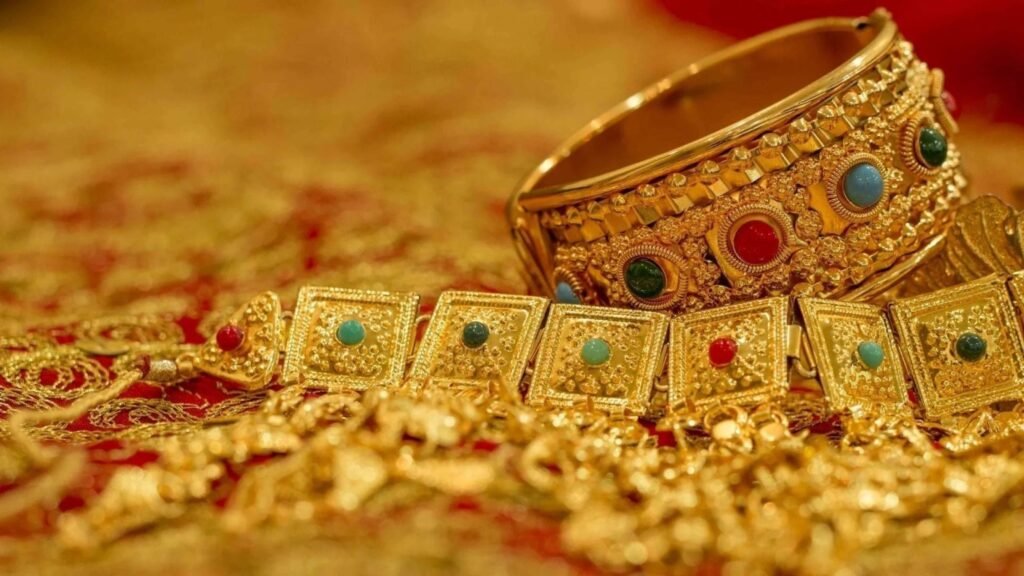
LAHORE — Gold prices have witnessed a significant decline in both Pakistani and international markets as of September 14, following a temporary stabilization. According to the All Pakistan Sarafa Association, the price of 24-karat gold in Pakistan fell by Rs3,800 per tola, bringing the new price to Rs453,336. Concurrently, the price of 10 grams of gold also saw a reduction, reflecting broader trends in the global market. What Happened The All Pakistan Sarafa Association reported a substantial drop in gold prices, marking a continuation of the recent volatility in the precious metals market. The price of 24-karat gold, a standard measure for purity, decreased by Rs3,800 per tola. This adjustment comes after a brief period of stability, indicating ongoing fluctuations influenced by international market dynamics. Globally, gold prices have been under pressure due to a variety of economic factors. Analysts attribute the decline to strengthening of the US dollar and expectations of interest rate hikes by major central banks. These factors typically make gold a less attractive investment as the opportunity cost of holding non-yielding bullion increases. In Pakistan, the local currency’s performance against the dollar also plays a crucial role in determining gold prices. The recent depreciation of the Pakistani rupee has compounded the impact of global trends, leading to more pronounced price shifts domestically. Background Gold has traditionally been considered a safe-haven asset, particularly during times of economic uncertainty. In Pakistan, gold is not only a popular investment but also holds cultural significance, often used in weddings and other significant life events. The gold market in Pakistan is heavily influenced by international prices, given that the country imports a significant portion of its gold. The All Pakistan Sarafa Association, a key body in the gold trade, regularly monitors and announces price adjustments based on global market movements and domestic economic conditions. Historically, gold prices have been volatile, influenced by geopolitical tensions, economic policies, and changes in supply and demand dynamics. In recent years, factors such as the COVID-19 pandemic and subsequent economic recovery efforts have further contributed to price fluctuations. Why It Matters The decline in gold prices carries significant implications for various stakeholders in Pakistan. For consumers, particularly those planning weddings or other events requiring gold purchases, the reduced prices may offer some relief. However, for investors who have traditionally relied on gold as a hedge against inflation and currency depreciation, the current volatility presents challenges. Economically, the fluctuation in gold prices can affect the country’s trade balance. As gold imports constitute a substantial portion of Pakistan’s import bill, changes in prices can impact foreign exchange reserves and the overall economic outlook. Politically, the government’s ability to manage economic stability is often scrutinized in light of such market changes. The interplay between gold prices, currency stability, and inflation rates is complex and requires careful policy management to mitigate adverse impacts on the economy. Internationally, Pakistan’s gold market is a reflection of broader economic trends. The country’s response to these changes, including potential adjustments in monetary policy or import regulations, can influence its economic relationships and standing in the global market. Key Takeaways The price of 24-karat gold in Pakistan decreased by Rs3,800 per tola, now at Rs453,336. Global market trends, including a strong US dollar and interest rate expectations, are influencing gold prices. Domestic factors, such as the rupee’s depreciation, exacerbate price volatility in Pakistan. The decline in gold prices impacts consumers, investors, and the broader economic landscape. Pakistan’s gold market trends are indicative of larger international economic dynamics. Source Attribution This article is based on official statements from the All Pakistan Sarafa Association and public communications from relevant authorities. Author: NEN Editorial Desk | Editor: NEN Newsroom | Fact Checked By: NEN Editorial Team Author: NEN Editorial Desk  |  Editor: NEN Newsroom  |  Last Updated: September 14, 2026  |  Source: NEN Reporter This article was produced by the NEN Editorial Desk in accordance with NEN Agency’s Editorial Policy and Fact-Checking Policy.
Lebanese Minister Meets Pakistan Army Chief During Visit
Pakistan

Lebanese Minister Meets Pakistan Army Chief During Visit

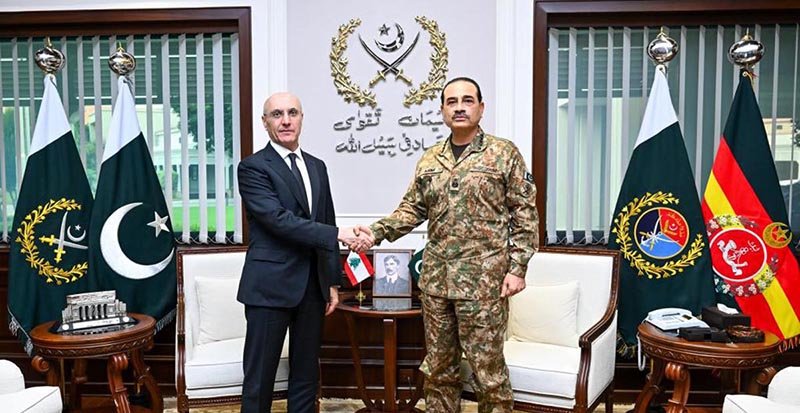
RAWALPINDI — Lebanese Minister of Interior and Municipalities Ahmad Al Hajjar met with Pakistan’s Chief of Army Staff, Field Marshal Syed Asim Munir, at the General Headquarters in Rawalpindi. The meeting took place during Al Hajjar’s two-day official visit to Pakistan. What Happened On his visit to Pakistan, Ahmad Al Hajjar, the Lebanese Minister of Interior and Municipalities, held discussions with Field Marshal Syed Asim Munir, the Chief of Army Staff and Chief of Defence Forces of Pakistan. The meeting occurred at the General Headquarters (GHQ) in Rawalpindi, a key location for military and strategic discussions in Pakistan. The discussions between the two officials focused on enhancing bilateral ties, particularly in areas of mutual interest such as security cooperation and regional stability. According to official sources, the meeting underscored the importance of collaboration between Lebanon and Pakistan in tackling shared challenges, including terrorism and regional security threats. During the meeting, Field Marshal Munir emphasized Pakistan’s commitment to fostering strong relations with Lebanon. He stated, “Our countries share a common interest in promoting peace and stability in the region, and we look forward to working closely with Lebanon to achieve these goals.” Minister Al Hajjar reciprocated the sentiment, expressing Lebanon’s desire to strengthen ties with Pakistan. The two leaders also discussed potential areas for future cooperation, including training programs for Lebanese military personnel in Pakistan, which has a well-regarded military training infrastructure. Discussions highlighted the potential for joint exercises and intelligence sharing to enhance the capabilities of both nations in addressing security challenges. Background Pakistan and Lebanon have maintained diplomatic relations since the mid-20th century, with both countries often engaging in dialogue to promote mutual interests. Historically, Pakistan has provided support to Lebanon in various capacities, including military training and humanitarian aid during times of crisis. Lebanon, situated in a geopolitically sensitive region, faces numerous security challenges, including internal political instability and external threats from neighboring conflicts. Pakistan, with its experience in counter-terrorism and military operations, offers valuable expertise and support to Lebanon in addressing these challenges. Why It Matters The meeting between Minister Al Hajjar and Field Marshal Munir is significant for several reasons. Firstly, it highlights the ongoing efforts by both countries to strengthen their bilateral relations through strategic dialogue and cooperation. Such meetings are crucial for fostering trust and understanding between nations, particularly in regions plagued by instability. Economically, enhanced cooperation between Pakistan and Lebanon could open avenues for trade and investment, benefiting both countries. Pakistan’s defense industry, which has been expanding its reach internationally, could find new markets in Lebanon, while Lebanese businesses could explore opportunities in Pakistan’s growing economy. On a broader scale, the collaboration between Pakistan and Lebanon could contribute to regional stability. As both countries face threats from terrorism and political unrest, joint efforts in security and intelligence could help mitigate these challenges. By working together, Pakistan and Lebanon can play a role in promoting peace and security in the Middle East and South Asia. Furthermore, this meeting underscores Pakistan’s role as a key player in regional diplomacy. By engaging with countries like Lebanon, Pakistan demonstrates its commitment to fostering peace and cooperation beyond its immediate borders, enhancing its standing in the international community. Key Takeaways Lebanese Minister Ahmad Al Hajjar met with Pakistan’s Army Chief during a two-day visit. The meeting focused on enhancing bilateral ties and security cooperation. Discussions included potential military training programs and joint exercises. Strengthened relations could lead to economic and strategic benefits for both nations. Collaboration aims to contribute to regional stability and security. Source Attribution This article is based on official government statements, press releases, and public communications from relevant authorities. Author: NEN Editorial Desk | Editor: NEN Newsroom | Fact Checked By: NEN Editorial Team Author: NEN Editorial Desk  |  Editor: NEN Newsroom  |  Last Updated: September 14, 2026  |  Source: Press Release from Government of Pakistan This article was produced by the NEN Editorial Desk in accordance with NEN Agency’s Editorial Policy and Fact-Checking Policy.
HBL Microfinance Bank and SUPARCO Enhance Agri-Financing in Punjab
Pakistan

HBL Microfinance Bank and SUPARCO Enhance Agri-Financing in Punjab

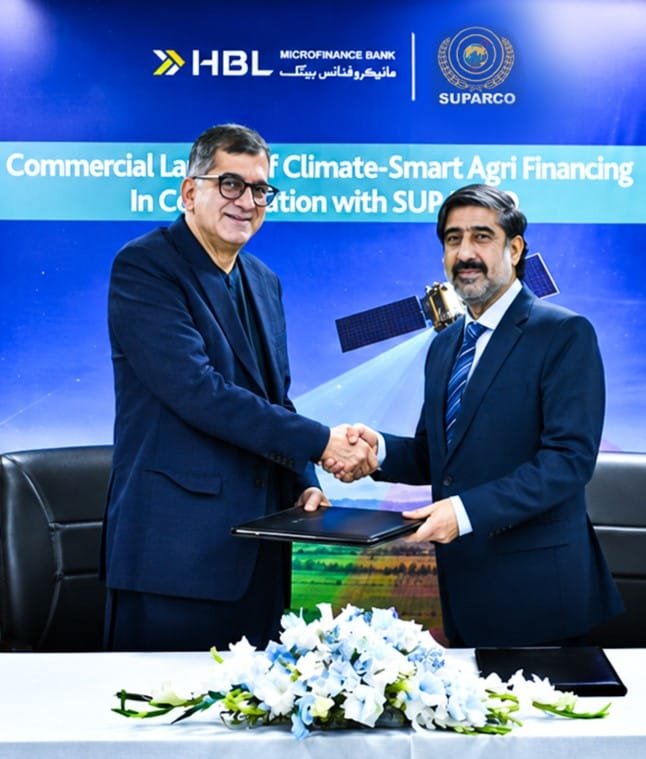
ISLAMABAD — HBL Microfinance Bank (HBL MfB) and the Pakistan Space & Upper Atmosphere Research Commission (SUPARCO) have announced the expansion of their Climate-Smart Agri-Financing initiative to farmers throughout Punjab. This development, reported on September 14, aims to revolutionize agricultural finance by leveraging satellite data intelligence and technology-driven risk assessment. What Happened The collaboration between HBL MfB and SUPARCO is set to extend satellite-enabled agricultural financing to a larger number of farmers in Punjab. Initially launched as a pilot project, this initiative utilizes satellite technology to assess agricultural risks more effectively, thereby facilitating better financial support for farmers. The technology helps in monitoring crop health, predicting yields, and assessing weather patterns, which are crucial for making informed lending decisions. HBL Microfinance Bank’s CEO, commenting on the expansion, stated, “This initiative is a game-changer for the agricultural sector in Pakistan. By integrating satellite technology, we can provide more accurate and timely financial services to farmers, enhancing their productivity and resilience against climate-related challenges.” The program is designed to offer customized financial solutions that cater to the specific needs of farmers, thereby promoting sustainable agricultural practices. SUPARCO’s involvement brings advanced satellite data analysis capabilities to the initiative. By utilizing its expertise in space technology, SUPARCO can provide detailed insights into crop conditions and environmental factors, enabling HBL MfB to tailor its financial products to the unique needs of the agricultural sector. Background Agriculture plays a vital role in Pakistan’s economy, contributing approximately 24% to the GDP and employing nearly half of the country’s labor force. However, the sector faces numerous challenges, including climate change, resource scarcity, and outdated farming practices. Traditional financing models have often fallen short in addressing the unique risks associated with agriculture, leading to a gap in financial inclusion for farmers. The partnership between HBL MfB and SUPARCO is part of a broader effort to modernize agricultural finance in Pakistan. By incorporating satellite technology, the initiative aims to overcome the limitations of conventional risk assessment methods, providing farmers with better access to credit and financial services. Why It Matters The expansion of satellite-enabled agri-financing in Punjab holds significant implications for the agricultural sector and the broader economy. By improving access to finance, the initiative can enhance agricultural productivity, leading to increased food security and economic growth. Farmers can benefit from more accurate risk assessments, allowing them to make informed decisions about crop management and investment. Moreover, the initiative aligns with Pakistan’s efforts to address climate change and promote sustainable development. By providing farmers with the tools and resources needed to adapt to changing environmental conditions, the program supports the country’s climate resilience goals. It also encourages the adoption of climate-smart agricultural practices, which can reduce the sector’s environmental footprint and contribute to long-term sustainability. On an international level, the collaboration demonstrates Pakistan’s commitment to leveraging technology for development. By integrating space technology into agricultural finance, the country positions itself as a leader in innovative financial solutions, potentially attracting further investment and collaboration from international partners. Key Takeaways HBL Microfinance Bank and SUPARCO have expanded their satellite-enabled agri-financing initiative to farmers across Punjab. The initiative utilizes satellite data to improve risk assessment and provide customized financial solutions for farmers. This development aims to enhance agricultural productivity, food security, and climate resilience in Pakistan. The program supports the adoption of climate-smart agricultural practices, contributing to sustainable development goals. Pakistan’s use of space technology in agriculture demonstrates its commitment to innovation and international collaboration. Source Attribution This article is based on official government statements, press releases, and public communications from relevant authorities. Author: NEN Editorial Desk | Editor: NEN Newsroom | Fact Checked By: NEN Editorial Team Author: NEN Editorial Desk  |  Editor: NEN Newsroom  |  Last Updated: September 14, 2026  |  Source: NEN Reporter This article was produced by the NEN Editorial Desk in accordance with NEN Agency’s Editorial Policy and Fact-Checking Policy.

Pakistan And Lebanon Sign MoU On Transfer Of Sentenced Persons
Pakistan

Pakistan And Lebanon Sign MoU On Transfer Of Sentenced Persons

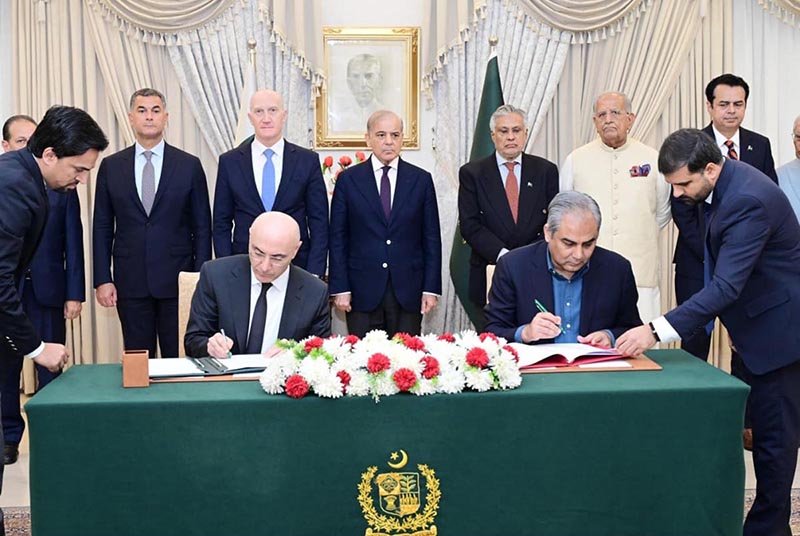
ISLAMABAD — Prime Minister Muhammad Shehbaz Sharif witnessed the signing of a Memorandum of Understanding (MoU) between Pakistan and Lebanon on the transfer of sentenced persons on Thursday. The ceremony, held in Islamabad, marks a significant step in fostering legal cooperation between the two nations. What Happened The MoU was signed in the presence of Prime Minister Muhammad Shehbaz Sharif, who emphasized the importance of international cooperation in legal matters. The agreement aims to facilitate the transfer of sentenced individuals between Pakistan and Lebanon, allowing them to serve their sentences in their home countries. This initiative is part of broader efforts to improve the rehabilitation process and uphold human rights by enabling prisoners to be closer to their families. Prime Minister Sharif expressed his optimism about the agreement, stating, “This MoU is a testament to our commitment to enhancing legal cooperation and ensuring justice for our citizens abroad.” The signing ceremony was attended by high-ranking officials from both countries, underscoring the diplomatic significance of the agreement. The MoU outlines the procedures and conditions under which sentenced persons can be transferred. It includes provisions for mutual consent, ensuring that both the sentencing and receiving countries agree to the transfer. This agreement is expected to benefit numerous Pakistani and Lebanese nationals currently serving sentences away from their home countries. Background The agreement between Pakistan and Lebanon is part of a broader trend of international treaties focused on the transfer of sentenced persons. Such agreements are designed to facilitate the rehabilitation of prisoners by allowing them to serve their sentences in familiar environments, which can aid in reducing recidivism rates and improving reintegration into society. Pakistan has previously entered into similar agreements with several other countries, including the United Kingdom and Saudi Arabia. These agreements are often seen as a way to address humanitarian concerns and improve diplomatic relations. The transfer of sentenced persons is governed by international law, with the United Nations Model Agreement on the Transfer of Foreign Prisoners serving as a guiding framework. Why It Matters The signing of the MoU between Pakistan and Lebanon holds significant implications for both countries. For Pakistan, it represents a continuation of its efforts to enhance international legal cooperation and protect the rights of its citizens abroad. The agreement is expected to strengthen diplomatic ties with Lebanon, providing a foundation for further collaboration in other areas such as trade and security. From a humanitarian perspective, the agreement is crucial for the well-being of prisoners. Serving a sentence in a foreign country can be challenging due to language barriers, cultural differences, and lack of family support. By allowing prisoners to serve their sentences in their home countries, the agreement aims to improve their mental health and facilitate their reintegration into society upon release. Economically, the agreement could reduce the financial burden on both countries’ prison systems by allowing for the repatriation of foreign nationals. This can lead to cost savings and more efficient allocation of resources within the correctional facilities of both nations. Key Takeaways Pakistan and Lebanon have signed an MoU for the transfer of sentenced persons, witnessed by Prime Minister Shehbaz Sharif. The agreement aims to facilitate the transfer of prisoners to their home countries, enhancing rehabilitation and human rights. This MoU is part of Pakistan’s broader strategy to improve international legal cooperation and protect its citizens abroad. The agreement is expected to strengthen diplomatic relations between Pakistan and Lebanon. Transferring prisoners can reduce the financial burden on both countries’ prison systems. Source Attribution The article is based on official government statements, press releases, and public communications from relevant authorities. Author: NEN Editorial Desk | Editor: NEN Newsroom | Fact Checked By: NEN Editorial Team Author: NEN Editorial Desk  |  Editor: NEN Newsroom  |  Last Updated: September 14, 2026  |  Source: Press Release from Government of Pakistan This article was produced by the NEN Editorial Desk in accordance with NEN Agency’s Editorial Policy and Fact-Checking Policy.
Gold Prices Drop by Rs3,800 Per Tola in Pakistan
Pakistan

Gold Prices Drop by Rs3,800 Per Tola in Pakistan

ISLAMABAD — The price of gold in Pakistan witnessed a significant decline on Monday, with the rate for 24-karat gold per tola dropping by Rs3,800. The new price settled at Rs453,336, as reported by the All Pakistan Sarafa Gems and Jewellers Association. What Happened The local gold market experienced a notable decrease in prices, reflecting global trends where gold prices have been fluctuating due to various economic factors. The All Pakistan Sarafa Gems and Jewellers Association announced the updated rates, which showed a reduction of Rs3,800 per tola for 24-karat gold. This adjustment brought the price down to Rs453,336 per tola, marking a significant shift in the market. Market analysts attribute this decline to several factors, including changes in the international gold market, currency fluctuations, and domestic economic conditions. The global gold market has been under pressure due to rising interest rates and a stronger US dollar, which typically leads to lower gold prices as investors seek higher returns from other assets. Additionally, local factors such as the Pakistani rupee’s performance against the US dollar and domestic demand for gold also play a crucial role in determining gold prices. The recent strengthening of the rupee may have contributed to the reduced gold prices, as a stronger local currency makes imports, including gold, cheaper. Background Gold has traditionally been a popular investment and a hedge against inflation in Pakistan. The country’s gold market is influenced by both international and domestic factors. Historically, gold prices in Pakistan have mirrored global trends, with local demand and currency exchange rates also impacting prices. In recent years, Pakistan has faced economic challenges, including inflation and currency depreciation, which have affected the purchasing power of consumers. As a result, fluctuations in gold prices are closely monitored by investors and the general public alike. The All Pakistan Sarafa Gems and Jewellers Association plays a key role in setting gold prices in the country, taking into account international market trends and local economic conditions. Their announcements are considered authoritative and are widely followed by traders and consumers. Why It Matters The decline in gold prices holds significant implications for various stakeholders in Pakistan. For consumers, particularly those planning weddings or other significant life events, lower gold prices can lead to cost savings. Gold jewellery is a traditional gift and investment in Pakistani culture, and price reductions can make it more accessible to a broader segment of the population. For investors, the drop in gold prices may prompt a reassessment of investment strategies. Gold is often seen as a safe haven during economic uncertainty, and its price movements can influence investment decisions. A decrease in prices might lead some investors to diversify their portfolios or consider other investment options. Economically, the reduction in gold prices can have broader implications. It may affect the trade balance, as gold imports become cheaper, potentially reducing the overall import bill. This could provide some relief to the country’s foreign exchange reserves, which have been under pressure in recent times. On a macroeconomic level, the gold price drop might influence monetary policy decisions. Central banks often monitor commodity prices, including gold, as part of their economic assessments. Changes in gold prices can impact inflation expectations and influence interest rate decisions. Key Takeaways Gold prices in Pakistan decreased by Rs3,800 per tola, settling at Rs453,336. The decline reflects global trends and local economic factors, including currency fluctuations. Lower gold prices may benefit consumers, especially those purchasing jewellery for cultural events. The drop could influence investment strategies and economic policies in Pakistan. Gold remains a significant investment and cultural asset in the country. Source Attribution This article is based on official statements and public communications from relevant authorities. Author: NEN Editorial Desk | Editor: NEN Newsroom | Fact Checked By: NEN Editorial Team Author: NEN Editorial Desk  |  Editor: NEN Newsroom  |  Last Updated: September 14, 2026  |  Source: NEN Reporter This article was produced by the NEN Editorial Desk in accordance with NEN Agency’s Editorial Policy and Fact-Checking Policy.
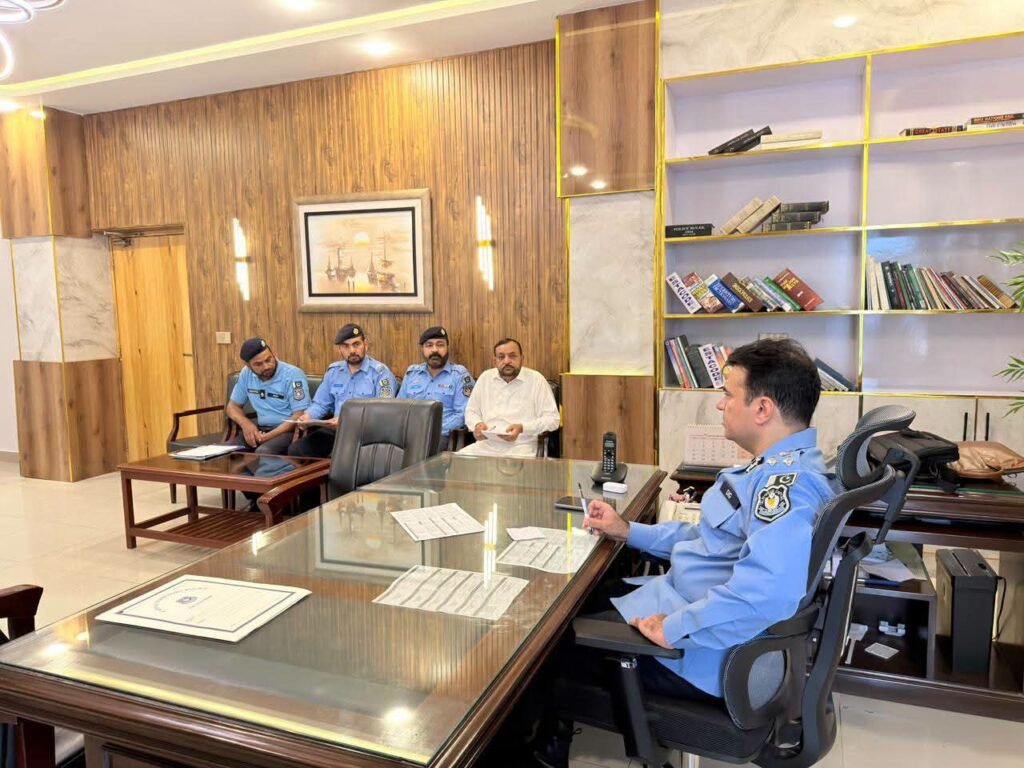
Islamabad DIG Pledges Zero Tolerance for Corruption, Upholds Rule of Law
Pakistan

Islamabad DIG Pledges Zero Tolerance for Corruption, Upholds Rule of Law

ISLAMABAD — Deputy Inspector General (DIG) Islamabad Ali Waseem has reiterated a firm stance against corruption within the police force, emphasizing that no individual is above the law. This declaration was made during a meeting held on September 14 with senior police officials to discuss strategies for enhancing public service and ensuring timely police responses. What Happened During the meeting, DIG Ali Waseem addressed his staff, underlining the importance of collective efforts to uphold the rule of law and deliver effective police services to citizens. An official present at the meeting reported that DIG Ali stressed the necessity for all officers to work in unison to combat corruption and maintain public trust in law enforcement agencies. “All officers must work together to ensure the rule of law is upheld and that corruption is eradicated from our ranks,” DIG Ali was quoted as saying. He further emphasized that the police department would adopt a zero-tolerance policy towards any form of corruption, asserting that any officer found engaging in corrupt practices would face strict disciplinary action. The meeting also focused on improving the efficiency of police services and ensuring that officers are responsive to the needs of the public. DIG Ali highlighted the importance of professional responsibility and accountability among police personnel, urging them to prioritize public service in their daily operations. Background Corruption within law enforcement agencies has been a persistent issue in Pakistan, undermining public trust and the effective functioning of the justice system. The police force, in particular, has faced criticism for instances of bribery, misuse of power, and lack of accountability. Efforts to reform the police have been ongoing, with various initiatives aimed at improving transparency and accountability. In recent years, the government has introduced several measures to combat corruption, including the establishment of anti-corruption units and the implementation of stricter oversight mechanisms. However, challenges remain, and the commitment of senior officials like DIG Ali Waseem is crucial in driving meaningful change within the police force. Why It Matters The commitment to zero tolerance for corruption by a senior police official like DIG Ali Waseem is significant for several reasons. Firstly, it sends a strong message to both the police force and the public that corruption will not be tolerated, thereby potentially restoring public confidence in law enforcement agencies. When citizens trust the police, they are more likely to cooperate with law enforcement efforts, which can lead to more effective crime prevention and resolution. Secondly, by emphasizing accountability and professional responsibility, DIG Ali’s stance could lead to improved internal practices within the police department. This can enhance the efficiency and responsiveness of police services, ensuring that citizens receive timely and fair treatment. In a broader context, combating corruption within the police is essential for the overall integrity of the justice system in Pakistan, as it ensures that laws are applied fairly and justly. Finally, DIG Ali’s commitment aligns with national and international efforts to combat corruption, which is seen as a major impediment to development and governance. By addressing corruption within its ranks, the Islamabad police force can contribute to the broader goal of creating a more transparent and accountable public sector in Pakistan. Key Takeaways DIG Islamabad Ali Waseem has pledged zero tolerance for corruption within the police force. The meeting focused on enhancing public service and ensuring timely police responses. Corruption in law enforcement undermines public trust and the justice system’s effectiveness. Combating corruption is crucial for restoring public confidence and improving police efficiency. DIG Ali’s stance supports broader national and international anti-corruption efforts. Source Attribution This article is based on official government statements, press releases, and public communications from relevant authorities. Author: NEN Editorial Desk | Editor: NEN Newsroom | Fact Checked By: NEN Editorial Team Author: NEN Editorial Desk  |  Editor: NEN Newsroom  |  Last Updated: September 14, 2026  |  Source: NEN Reporter This article was produced by the NEN Editorial Desk in accordance with NEN Agency’s Editorial Policy and Fact-Checking Policy.
Pakistan’s Young Tennis Team Arrives in Singapore for WT Asia Finals
Pakistan

Pakistan’s Young Tennis Team Arrives in Singapore for WT Asia Finals

ISLAMABAD — Pakistan’s young tennis talents have arrived in Singapore to participate in the World Tennis (WT) Asia 12 & Under Team Competition Finals, scheduled from September 15 to 20. The team, consisting of Muhammad Aayan, Muhammad Faizan, and Muhammad Ibraheem Hussain Gill, will be led by team captain Heera Ashiq. What Happened The Pakistani team reached Singapore with high hopes of showcasing their skills on an international platform. The WT Asia 12 & Under Team Competition Finals is a prestigious event that gathers young tennis players from across Asia, providing them with an opportunity to compete at a higher level and gain valuable international experience. The competition will see teams from various countries vying for the top spot, with matches scheduled over six days. The young Pakistani players, having trained rigorously under the guidance of their captain, are prepared to face the challenges ahead. “We are excited to compete and represent Pakistan on such a significant stage,” said Heera Ashiq, the team captain. This participation marks an important step in the development of young athletes in Pakistan, as it allows them to measure their skills against their peers from other nations. The experience gained from such tournaments is crucial for the players’ growth and future prospects in the sport. Background The WT Asia 12 & Under Team Competition is part of the International Tennis Federation’s (ITF) initiative to promote tennis among young players globally. The competition aims to provide a platform for young athletes to gain exposure and experience in competitive tennis. The event has been instrumental in identifying and nurturing young talent, helping them transition to higher levels of competition. Pakistan has been participating in various international tennis competitions over the years, with the aim of improving the standards of the sport within the country. The Pakistan Tennis Federation (PTF) has been actively working to promote tennis among the youth, organizing training camps and encouraging participation in international tournaments. Why It Matters The participation of Pakistan’s young tennis team in the WT Asia 12 & Under Team Competition Finals holds significant importance for several reasons. Firstly, it provides the young athletes with an invaluable opportunity to gain international exposure, which is crucial for their development and confidence. Competing against players from other countries allows them to understand the global standards of the sport and adapt their training accordingly. Economically, success in such international competitions can lead to increased sponsorship and funding opportunities for the players and the sport in Pakistan. This, in turn, can help improve the infrastructure and facilities available for tennis training in the country, fostering a new generation of athletes. Socially, the team’s participation can inspire other young athletes in Pakistan to pursue sports as a viable career option. It highlights the importance of sports in personal development and the potential for international recognition. Politically, successful participation in international sports events can enhance Pakistan’s image on the global stage, showcasing the country’s commitment to nurturing young talent and promoting sports. It can also lead to increased cooperation and exchanges with other countries in the field of sports development. Key Takeaways Pakistan’s young tennis team is competing in the WT Asia 12 & Under Team Competition Finals in Singapore. The team comprises Muhammad Aayan, Muhammad Faizan, and Muhammad Ibraheem Hussain Gill, led by captain Heera Ashiq. The competition provides international exposure and development opportunities for young athletes. Success in the tournament can boost sponsorship, funding, and infrastructure for tennis in Pakistan. The event highlights the importance of sports in personal and national development. Source Attribution This article is based on official government statements, press releases, and public communications from relevant authorities. Author: NEN Editorial Desk | Editor: NEN Newsroom | Fact Checked By: NEN Editorial Team Author: NEN Editorial Desk  |  Editor: NEN Newsroom  |  Last Updated: September 14, 2026  |  Source: NEN Reporter This article was produced by the NEN Editorial Desk in accordance with NEN Agency’s Editorial Policy and Fact-Checking Policy.

Pakistan Women’s Cricket Team Heads to Japan for 2026 Asian Games
Pakistan

Pakistan Women’s Cricket Team Heads to Japan for 2026 Asian Games

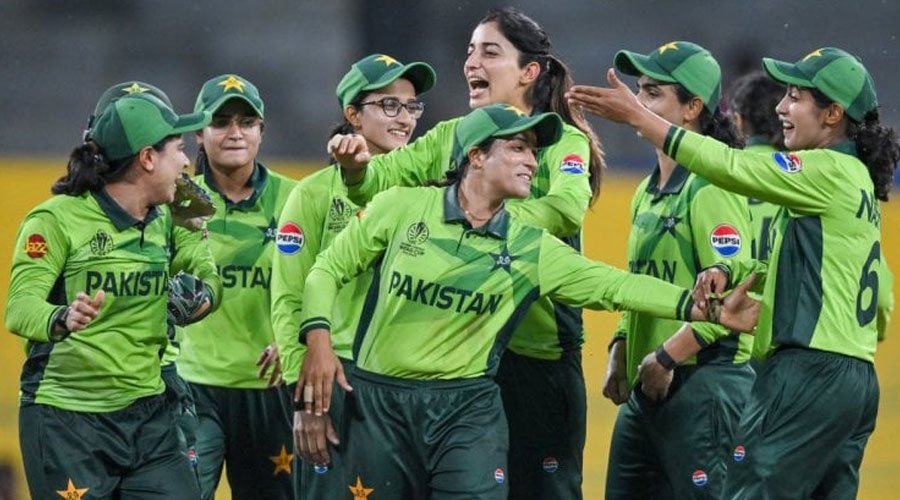
ISLAMABAD — The Pakistan women’s cricket team has set off for Japan from Dubai to participate in the 2026 Asian Games. The squad, however, is traveling without wicketkeeper-batter Muneeba Ali, who stayed back due to her mother’s illness. The team comprises 14 members, ready to represent Pakistan on the international stage. What Happened The departure of the Pakistan women’s cricket team marks a significant step in their preparation for the upcoming Asian Games 2026. The team left from Dubai, a central hub for international travel, en route to Japan where the games are scheduled to take place. This journey is part of the team’s broader strategy to gain international experience and exposure, crucial for their development and performance in global competitions. Unfortunately, Muneeba Ali, a key player known for her skills behind the stumps and with the bat, was unable to accompany her teammates. Her absence is due to personal reasons, as she opted to stay back to support her family during her mother’s illness. This development necessitates adjustments in the team’s strategy, as they will have to compensate for her absence both in terms of wicketkeeping and batting. The 14-member squad is expected to showcase their skills and compete fiercely against other participating nations. The Asian Games provide a platform for athletes from across the continent to demonstrate their prowess, and the Pakistan women’s cricket team is keen to make their mark in the tournament. Background The Asian Games, held every four years, are a multi-sport event that includes various disciplines, with cricket being a significant part of the competition. Pakistan has a history of participating in the Asian Games, with both men’s and women’s teams competing in past editions. The inclusion of cricket in the Asian Games underscores the sport’s growing popularity and importance in the region. Historically, Pakistan has been a strong contender in cricket, with the men’s team achieving significant success on the international stage. The women’s team, while relatively newer to the international scene, has been making strides and gaining recognition for their performances. Participation in events like the Asian Games is crucial for their development and helps in promoting women’s cricket in Pakistan. Why It Matters The participation of the Pakistan women’s cricket team in the Asian Games holds substantial significance for several reasons. Economically, it highlights the investment and resources allocated towards women’s sports in Pakistan, reflecting a shift towards gender equality in sports. Socially, it serves as an inspiration for young girls across the country, demonstrating that they too can aspire to represent their nation at international levels. Politically, the team’s presence in Japan signifies strengthening ties and sports diplomacy between the two nations. Internationally, it provides an opportunity for the team to compete against some of the best in Asia, helping improve their skills and strategies. This exposure is invaluable as it prepares the team for future competitions, including the ICC Women’s World Cup and other international tours. The absence of Muneeba Ali, while unfortunate, also highlights the personal challenges athletes face and the need for support systems to manage both professional and personal responsibilities. Her situation brings to light the importance of mental health and family support in sports, areas that are gaining increasing attention worldwide. Key Takeaways The Pakistan women’s cricket team has departed for Japan to participate in the 2026 Asian Games. Wicketkeeper-batter Muneeba Ali is absent due to her mother’s illness. The team comprises 14 members eager to compete on the international stage. The Asian Games are a crucial platform for showcasing and developing women’s cricket in Pakistan. The event underscores the importance of sports diplomacy and international exposure for athletes. Source Attribution This article is based on official government statements, press releases, and public communications from relevant authorities. Author: NEN Editorial Desk | Editor: NEN Newsroom | Fact Checked By: NEN Editorial Team Author: NEN Editorial Desk  |  Editor: NEN Newsroom  |  Last Updated: September 14, 2026  |  Source: NEN Reporter This article was produced by the NEN Editorial Desk in accordance with NEN Agency’s Editorial Policy and Fact-Checking Policy.

FBR Launches Digital Invoicing System to Modernize Tax Collection
Pakistan

FBR Launches Digital Invoicing System to Modernize Tax Collection

HYDERABAD — The Federal Board of Revenue (FBR) has introduced a digital invoicing system aimed at modernizing tax collection processes across Pakistan. This initiative was highlighted during a special awareness and training session organized by the Hyderabad Chamber of Small Traders & Small Industry (HCSTSI) on September 14, 2023. The event, held at the Chamber Secretariat, saw participation from numerous chamber members, traders, industrialists, and business community representatives. What Happened The session, conducted in collaboration with Cystence Private Company, focused on educating stakeholders about the new digital invoicing system. Ahmed Idrees Chohan, a prominent figure at the event, emphasized the importance of this technological advancement for the country’s tax infrastructure. “The digital invoicing system is a pivotal step towards a more transparent and efficient tax collection process,” Chohan stated, underscoring the government’s commitment to leveraging technology for improved governance. Participants were briefed on the operational aspects of the digital invoicing system, which is designed to streamline the invoicing process, reduce errors, and enhance compliance. The system is expected to facilitate real-time data sharing between businesses and the FBR, thereby minimizing the scope for tax evasion and improving revenue collection. Speakers at the session also addressed concerns from the business community regarding the transition to digital invoicing. They assured attendees that the FBR would provide comprehensive support and resources to ensure a smooth implementation. Training programs and technical assistance will be made available to help businesses adapt to the new system. Background The introduction of digital invoicing by the FBR is part of a broader strategy to modernize Pakistan’s tax administration. Historically, the country’s tax system has faced challenges such as low compliance rates and a significant informal economy. Previous efforts to reform tax collection have included the introduction of electronic filing systems and the expansion of the tax net. In recent years, the FBR has been under pressure to increase tax revenues to meet fiscal targets set by the government and international financial institutions. The digital invoicing initiative is seen as a continuation of these reform efforts, aimed at increasing transparency and efficiency in the tax system. Why It Matters The implementation of a digital invoicing system is a significant development for Pakistan’s economy. By automating the invoicing process, the FBR aims to reduce the administrative burden on businesses and improve compliance rates. This could lead to an increase in tax revenues, which are crucial for funding public services and infrastructure projects. For businesses, the transition to digital invoicing represents both a challenge and an opportunity. While some may face initial difficulties in adapting to the new system, the long-term benefits include reduced paperwork, faster processing times, and greater accuracy in tax reporting. This can enhance business efficiency and competitiveness in the global market. On a broader scale, the success of the digital invoicing system could serve as a model for other sectors in Pakistan looking to embrace digital transformation. It aligns with the government’s vision of a ‘Digital Pakistan’ and could attract foreign investment by showcasing the country’s commitment to modernizing its economic infrastructure. Key Takeaways The FBR has launched a digital invoicing system to modernize tax collection in Pakistan. A training session was held in Hyderabad to educate the business community about the new system. The initiative aims to enhance transparency, reduce tax evasion, and increase revenue collection. Businesses will receive support and resources to facilitate the transition to digital invoicing. The system is part of broader efforts to reform and modernize Pakistan’s tax administration. Source Attribution This article is based on official government statements, press releases, and public communications from relevant authorities. Author: NEN Editorial Desk | Editor: NEN Newsroom | Fact Checked By: NEN Editorial Team Author: NEN Editorial Desk  |  Editor: NEN Newsroom  |  Last Updated: September 14, 2026  |  Source: NEN Reporter This article was produced by the NEN Editorial Desk in accordance with NEN Agency’s Editorial Policy and Fact-Checking Policy.

Scroll to Top