

Author name: Yasir Zubairi

Yasir Zubairi is the founder and publisher of NEN Agency (News Era Network). He leads NEN's coverage of Pakistan's national affairs, economy, foreign relations and sports, and is responsible for the accuracy and standards of every story published on nenagency.com.

Gold Price Per Tola Rises by Rs 13,700 in Pakistan
Pakistan

Gold Price Per Tola Rises by Rs 13,700 in Pakistan

ISLAMABAD — The price of gold in Pakistan has seen a substantial increase, with the cost per tola rising by Rs 13,700 in the local exchange markets. This surge, recorded on Thursday, reflects significant fluctuations in the precious metals market, impacting both gold and silver prices across the country. What Happened The local bullion markets in Pakistan have reported a historic rise in the prices of gold and silver. The price of one tola of gold has surged by Rs 13,700, marking a significant increase that has caught the attention of investors and market analysts alike. Similarly, the price of silver has also experienced an upward trend, rising by Rs 369 per tola. Market experts attribute this sharp increase to a combination of factors, including international market trends, currency fluctuations, and domestic demand dynamics. The gold market is particularly sensitive to global economic indicators, and recent geopolitical tensions have contributed to the volatility in prices. According to a local bullion dealer, “The increase in gold prices is largely driven by international market conditions and the depreciation of the Pakistani rupee against the US dollar.” This sentiment is echoed by other market participants who note that gold prices are often influenced by external economic factors beyond local control. Background Historically, gold has been a preferred investment in Pakistan, often seen as a safe haven during times of economic uncertainty. The country’s gold market is heavily influenced by global trends, with prices fluctuating in response to international events and currency exchange rates. In recent years, the Pakistani rupee has experienced depreciation against major currencies, further impacting the cost of imported goods, including gold. Additionally, geopolitical tensions and economic policies have played a role in shaping the market dynamics for precious metals. The local demand for gold, driven by cultural and economic factors, also contributes to price changes. Gold is traditionally used in weddings and other cultural ceremonies, maintaining a steady demand even during periods of price volatility. Why It Matters The significant rise in gold prices has several implications for the Pakistani economy and its citizens. For investors, the increase represents both an opportunity and a challenge. While higher prices can lead to increased returns for those holding gold, they also pose a barrier to new investors looking to enter the market. For the average consumer, the rise in gold prices may affect purchasing power, particularly for those planning weddings or other events where gold is traditionally exchanged. This could lead to adjustments in consumer behavior, with some opting for alternative investments or reducing the quantity of gold purchased. On a broader scale, the increase in gold prices can impact inflation rates, as higher costs for precious metals can contribute to overall price increases in the economy. This, in turn, may influence monetary policy decisions by the State Bank of Pakistan, as it seeks to balance inflation control with economic growth. Internationally, the rise in gold prices highlights the interconnectedness of global markets and the impact of geopolitical events on local economies. As Pakistan navigates these challenges, the government and financial institutions may need to implement measures to stabilize the currency and manage inflationary pressures. Key Takeaways The price of gold per tola in Pakistan has increased by Rs 13,700. Silver prices have also risen, with an increase of Rs 369 per tola. International market trends and currency fluctuations are key factors driving the price surge. The rise in prices impacts both investors and consumers, influencing purchasing decisions and economic behavior. Monetary policy adjustments may be necessary to address inflationary pressures resulting from increased gold prices. Source Attribution This article is based on official government statements, press releases, and public communications from relevant authorities. Author: NEN Editorial Desk | Editor: NEN Newsroom | Fact Checked By: NEN Editorial Team Author: NEN Editorial Desk  |  Editor: NEN Newsroom  |  Last Updated: August 21, 2026  |  Source: NEN Reporter This article was produced by the NEN Editorial Desk in accordance with NEN Agency’s Editorial Policy and Fact-Checking Policy.
Pakistan Intensifies Efforts to Address Malnutrition and Nutrient Deficiencies
Pakistan

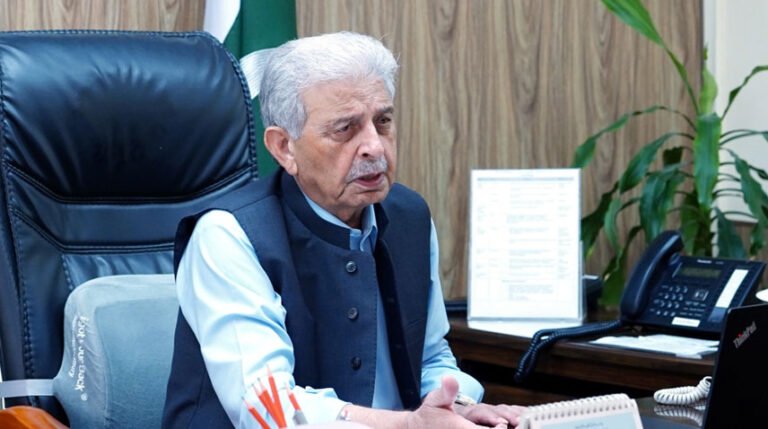
Pakistan Intensifies Efforts to Address Malnutrition and Nutrient Deficiencies

ISLAMABAD — Pakistan has launched an intensified national initiative to tackle malnutrition and micronutrient deficiencies, as announced by Federal Minister for National Food Security and Research Rana Tanveer Hussain on Thursday. The government aims to enhance nutrition outcomes through coordinated efforts between federal and provincial authorities. What Happened In a recent statement, Federal Minister Rana Tanveer Hussain highlighted the critical need for a unified approach to combat malnutrition and nutrient deficiencies across Pakistan. He stressed that improving the nutritional status of the population requires a concerted effort involving both federal and provincial governments. The minister’s remarks underscore the government’s commitment to addressing these pressing health issues that affect millions of Pakistanis. The initiative aims to implement comprehensive strategies to improve dietary intake and address the root causes of malnutrition. This includes increasing access to nutritious food, enhancing public awareness about healthy eating habits, and ensuring the availability of essential vitamins and minerals. The government plans to collaborate with international organizations, non-governmental organizations, and the private sector to amplify the impact of these efforts. Minister Hussain stated, “It is imperative that we work together to ensure that every citizen has access to the nutrients they need for a healthy life. This requires strong coordination and commitment from all levels of government.” The initiative will also focus on vulnerable populations, including children and women, who are disproportionately affected by malnutrition. Background Malnutrition has been a persistent issue in Pakistan, with significant implications for public health and economic development. According to the Global Nutrition Report, Pakistan ranks among the countries with the highest rates of malnutrition, affecting nearly 40% of children under five years of age. The prevalence of stunting, wasting, and micronutrient deficiencies such as iron and vitamin A is alarmingly high. Previous efforts to address malnutrition in Pakistan have included various government programs and international aid initiatives. However, challenges such as inadequate funding, lack of infrastructure, and insufficient coordination among stakeholders have hindered progress. The current initiative seeks to overcome these barriers by fostering greater collaboration and resource allocation. Why It Matters The intensified focus on combating malnutrition and nutrient deficiencies is crucial for Pakistan’s future. Malnutrition not only affects individual health but also has broader social and economic implications. Children who suffer from malnutrition are at risk of impaired cognitive development, reduced educational attainment, and lower productivity in adulthood. This, in turn, affects the country’s human capital and economic growth potential. By addressing malnutrition, Pakistan can improve health outcomes, reduce healthcare costs, and enhance the quality of life for its citizens. Moreover, tackling nutrient deficiencies can prevent a range of health issues, including anemia, weakened immune systems, and increased susceptibility to infections. The initiative also aligns with Pakistan’s commitment to achieving the United Nations Sustainable Development Goals, particularly Goal 2, which aims to end hunger and improve nutrition by 2030. Internationally, Pakistan’s efforts to combat malnutrition can serve as a model for other developing countries facing similar challenges. By demonstrating effective strategies and fostering partnerships, Pakistan can contribute to global efforts to eradicate malnutrition and promote health and well-being. Key Takeaways Pakistan has launched a national initiative to combat malnutrition and nutrient deficiencies, emphasizing coordination between federal and provincial governments. The initiative aims to improve dietary intake, increase access to nutritious food, and focus on vulnerable populations such as children and women. Malnutrition affects nearly 40% of children under five in Pakistan, with significant implications for public health and economic development. Addressing malnutrition can improve health outcomes, reduce healthcare costs, and enhance the country’s human capital. The initiative aligns with Pakistan’s commitment to the United Nations Sustainable Development Goals, particularly Goal 2. Source Attribution This article is based on official government statements, press releases, and public communications from relevant authorities. Author: NEN Editorial Desk | Editor: NEN Newsroom | Fact Checked By: NEN Editorial Team Author: NEN Editorial Desk  |  Editor: NEN Newsroom  |  Last Updated: August 21, 2026  |  Source: NEN Reporter This article was produced by the NEN Editorial Desk in accordance with NEN Agency’s Editorial Policy and Fact-Checking Policy.
Lahore Vendor Showcases Handmade Wooden Bird Nests at Local Nursery
Pakistan

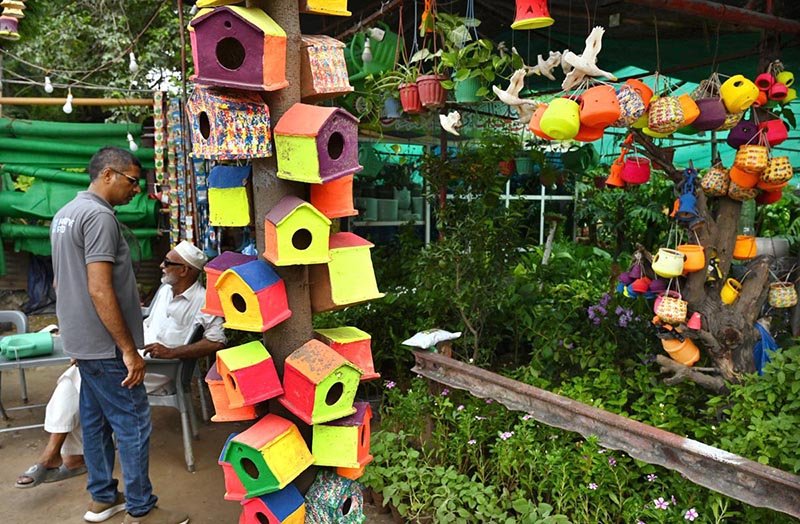
Lahore Vendor Showcases Handmade Wooden Bird Nests at Local Nursery

LAHORE — A local vendor in Lahore is capturing the attention of customers with his intricately crafted wooden bird nests, displayed prominently outside a plant nursery. The vendor aims to attract nature enthusiasts and garden lovers by offering these unique, handmade products as a way to enhance their outdoor spaces. What Happened On August 20, in the bustling city of Lahore, a vendor set up an eye-catching display of handmade wooden bird nests outside a popular plant nursery. These nests, crafted with precision and care, are designed to provide a natural and aesthetically pleasing addition to gardens and outdoor areas. The vendor, who has been in the business of crafting wooden items for several years, sees this as an opportunity to cater to the growing interest in eco-friendly and sustainable garden products. According to the vendor, the bird nests are made from locally sourced wood, ensuring that each piece is unique and environmentally friendly. “I wanted to create something that not only serves a functional purpose but also adds beauty to people’s gardens,” the vendor explained. “Birds are an essential part of our ecosystem, and these nests provide them with a safe place to live and thrive.” The display has attracted a steady stream of customers who are drawn to the craftsmanship and the ecological benefits of the nests. Many visitors to the nursery have expressed interest in purchasing the nests, not only for their gardens but also as gifts for friends and family who appreciate nature and wildlife. Background Lahore, known for its rich cultural heritage and vibrant markets, has seen a growing trend towards sustainable and eco-friendly products. In recent years, there has been an increased awareness of the importance of biodiversity and the role that urban gardens and green spaces play in supporting local wildlife. This shift in consumer preferences has led to a rise in demand for products that are both functional and environmentally conscious. The concept of using handmade wooden bird nests is not new, but it has gained popularity as more people seek to create harmonious and sustainable environments in their homes and gardens. The use of natural materials and traditional crafting techniques aligns with the broader movement towards sustainability and conservation. Why It Matters The initiative by the Lahore vendor to promote handmade wooden bird nests is significant in several ways. Economically, it supports local artisans and craftsmen by providing them with a platform to showcase their skills and products. This not only boosts their income but also encourages the preservation of traditional crafting techniques that might otherwise be lost. Socially, the availability of these bird nests encourages community members to engage with nature and take an active role in conservation efforts. By providing habitats for birds, residents contribute to the preservation of local biodiversity and help maintain ecological balance. This is particularly important in urban areas where natural habitats are often limited. Furthermore, the initiative aligns with global environmental goals by promoting the use of sustainable materials and reducing reliance on mass-produced, non-biodegradable products. As awareness of environmental issues continues to grow, initiatives like this one play a crucial role in fostering a culture of sustainability and responsible consumption. Key Takeaways A Lahore vendor is attracting customers with handmade wooden bird nests displayed at a plant nursery. The nests are crafted from locally sourced wood, emphasizing eco-friendliness and sustainability. This initiative supports local artisans and promotes traditional crafting techniques. The bird nests encourage urban residents to engage in conservation efforts and support local biodiversity. Such initiatives align with global environmental goals by promoting sustainable materials and responsible consumption. Source Attribution This article is based on official government statements, press releases, and public communications from relevant authorities. Author: NEN Editorial Desk | Editor: NEN Newsroom | Fact Checked By: NEN Editorial Team Author: NEN Editorial Desk  |  Editor: NEN Newsroom  |  Last Updated: August 21, 2026  |  Source: Press Release from Ministry of Commerce This article was produced by the NEN Editorial Desk in accordance with NEN Agency’s Editorial Policy and Fact-Checking Policy.
Pakistan’s Investment Minister Meets SESRIC Director General in Islamabad
Pakistan

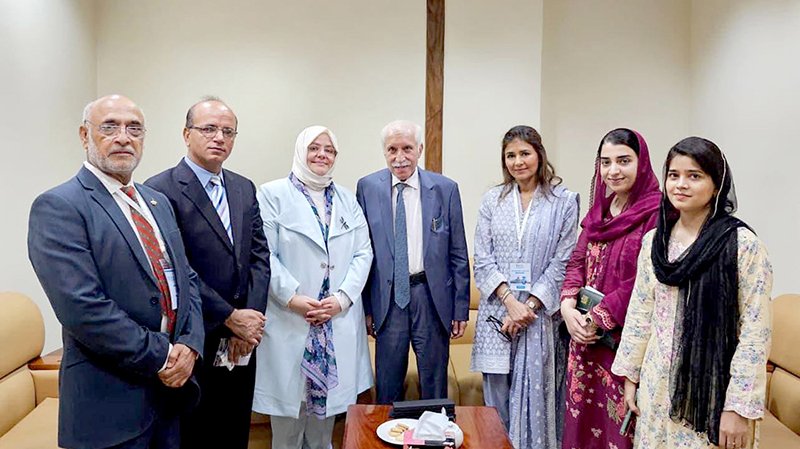
Pakistan’s Investment Minister Meets SESRIC Director General in Islamabad

ISLAMABAD — Federal Minister for Board of Investment (BOI), Qaiser Ahmed Sheikh, held a meeting with Zehra Zümrüt Selçuk, Director General of the Statistical, Economic and Social Research and Training Centre for Islamic Countries (SESRIC), on August 20 in Islamabad. The meeting focused on enhancing cooperation in statistical and economic research among Islamic countries. What Happened The meeting between Minister Qaiser Ahmed Sheikh and Director General Zehra Zümrüt Selçuk took place in the capital, where both parties discussed avenues for collaboration in economic research and training. The discussions aimed at leveraging SESRIC’s expertise to bolster Pakistan’s economic data analytics and research capabilities. The BOI minister emphasized the importance of data-driven decision-making in fostering economic growth and attracting foreign investment. Minister Sheikh highlighted Pakistan’s commitment to improving its investment climate and expressed interest in SESRIC’s support in developing robust statistical frameworks. “Our goal is to create a conducive environment for investors by ensuring transparency and reliability in economic data,” Sheikh stated. He further noted that SESRIC’s role in providing technical assistance and training could significantly enhance the capacity of Pakistani institutions. Director General Selçuk acknowledged Pakistan’s efforts and expressed SESRIC’s readiness to assist in various research and training initiatives. “SESRIC is committed to supporting member countries in achieving sustainable economic development through enhanced statistical and research capabilities,” she said. The meeting concluded with both sides agreeing to explore specific projects and initiatives that could be undertaken in the near future. Background SESRIC, established in 1977, serves as a subsidiary organ of the Organisation of Islamic Cooperation (OIC). It is responsible for collecting and disseminating socio-economic statistics and providing training to member states. Pakistan has been an active member of the OIC and has engaged with SESRIC on multiple fronts to enhance its economic research and statistical capacities. In recent years, Pakistan has focused on improving its investment climate to attract foreign direct investment (FDI). The Board of Investment plays a crucial role in this regard, facilitating investors and promoting Pakistan as a viable investment destination. Collaborations with international organizations like SESRIC are part of Pakistan’s broader strategy to align with global standards and practices in economic research and data management. Why It Matters The meeting between Pakistan’s BOI and SESRIC is significant as it underscores the country’s commitment to strengthening its economic research capabilities. In an era where data-driven policies are pivotal, enhancing statistical frameworks can lead to more informed decision-making and policy formulation. This, in turn, can foster a more stable and attractive investment environment. For Pakistan, improving its statistical and economic research infrastructure is crucial for several reasons. Firstly, it can help in accurately assessing the economic landscape, identifying growth opportunities, and addressing challenges. Secondly, reliable data is essential for building investor confidence, as it provides a transparent view of the market dynamics. Lastly, collaboration with SESRIC can facilitate knowledge exchange and capacity building, enabling Pakistan to adopt best practices from other OIC member countries. On a broader scale, strengthening ties with SESRIC aligns with Pakistan’s foreign policy goals of enhancing cooperation with Islamic countries. By leveraging SESRIC’s expertise, Pakistan can not only improve its domestic economic policies but also contribute to regional economic integration and development. Key Takeaways Federal Minister Qaiser Ahmed Sheikh met with SESRIC Director General Zehra Zümrüt Selçuk to discuss economic research collaboration. The meeting aimed at leveraging SESRIC’s expertise to enhance Pakistan’s statistical and economic research capabilities. Improving statistical frameworks is crucial for fostering a transparent and attractive investment climate in Pakistan. Collaboration with SESRIC supports Pakistan’s broader strategy of aligning with global economic research standards. Strengthening ties with SESRIC aligns with Pakistan’s foreign policy goals of enhancing cooperation with Islamic countries. Source Attribution This article is based on official government statements, press releases, and public communications from relevant authorities. Author: NEN Editorial Desk | Editor: NEN Newsroom | Fact Checked By: NEN Editorial Team Author: NEN Editorial Desk  |  Editor: NEN Newsroom  |  Last Updated: August 21, 2026  |  Source: Press Release from Finance Division This article was produced by the NEN Editorial Desk in accordance with NEN Agency’s Editorial Policy and Fact-Checking Policy.
Pakistan Aims for Full Dialogue Partnership with ASEAN, Says Minister Khichi
Pakistan

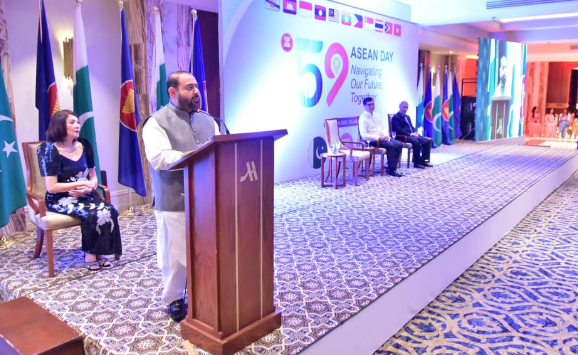
Pakistan Aims for Full Dialogue Partnership with ASEAN, Says Minister Khichi

ISLAMABAD — Pakistan is actively pursuing a full dialogue partnership with the Association of Southeast Asian Nations (ASEAN), Federal Minister for Cultural Heritage Aurangzeb Khichi announced on Thursday. The move is part of Pakistan’s broader strategy to enhance trade, investment, and economic cooperation with ASEAN member states. What Happened During a ceremony in Islamabad, Minister Aurangzeb Khichi emphasized Pakistan’s commitment to forging stronger ties with ASEAN. He stated, “Pakistan aspires to become a full dialogue partner of ASEAN to unlock new opportunities in trade, investment, and economic cooperation.” This announcement underscores Pakistan’s strategic interest in deepening its engagement with Southeast Asia, a region known for its dynamic economic growth and significant geopolitical influence. The minister highlighted the potential benefits of such a partnership, including increased market access for Pakistani goods and services, enhanced bilateral trade, and collaboration in various sectors such as technology, education, and cultural exchange. Khichi also pointed out that ASEAN’s collective economic strength presents a valuable opportunity for Pakistan to diversify its trade partners and reduce reliance on traditional markets. Khichi’s remarks come at a time when Pakistan is seeking to expand its economic horizons and integrate more closely with regional economies. The pursuit of a full dialogue partnership with ASEAN is seen as a strategic move to align with the economic dynamism of Southeast Asia, which is home to some of the world’s fastest-growing economies. Background ASEAN, established in 1967, is a regional organization comprising 10 Southeast Asian countries, including Indonesia, Malaysia, the Philippines, Singapore, and Thailand. It aims to promote economic growth, cultural exchange, and political stability in the region. Pakistan has been an ASEAN Sectoral Dialogue Partner since 1993, which allows it to engage with ASEAN on specific issues of mutual interest. Over the years, Pakistan has sought to elevate its status within ASEAN to a full dialogue partner, a designation that would enable more comprehensive cooperation across a broader range of sectors. Full dialogue partners of ASEAN include countries like China, Japan, and India, which have established extensive economic and strategic ties with the region. Why It Matters The pursuit of a full dialogue partnership with ASEAN is significant for Pakistan’s economic and geopolitical strategy. As Pakistan faces economic challenges, including a trade deficit and the need for foreign investment, closer ties with ASEAN could provide a much-needed boost to its economy. The ASEAN region, with a combined GDP of over $3 trillion, offers vast opportunities for trade and investment that could help Pakistan diversify its economic partnerships. Moreover, a full dialogue partnership with ASEAN would enhance Pakistan’s geopolitical standing in the Asia-Pacific region. It would allow Pakistan to participate more actively in regional discussions on economic and security issues, thereby increasing its influence in a strategically important area. This could also lead to greater collaboration in addressing regional challenges such as climate change, terrorism, and maritime security. For ASEAN, strengthening ties with Pakistan could provide access to a market of over 220 million people and a gateway to South Asia. It would also support ASEAN’s goal of expanding its partnerships beyond its immediate neighborhood, thereby enhancing its global reach and influence. Key Takeaways Pakistan is seeking a full dialogue partnership with ASEAN to enhance trade and economic cooperation. Minister Aurangzeb Khichi emphasized the potential benefits of increased market access and bilateral trade. ASEAN is a key regional organization with significant economic and geopolitical influence. Closer ties with ASEAN could boost Pakistan’s economy and geopolitical standing. The partnership would benefit ASEAN by providing access to Pakistan’s large market and strategic location. Source Attribution This article is based on official government statements and public communications from relevant authorities. Author: NEN Editorial Desk | Editor: NEN Newsroom | Fact Checked By: NEN Editorial Team Author: NEN Editorial Desk  |  Editor: NEN Newsroom  |  Last Updated: August 21, 2026  |  Source: NEN Reporter This article was produced by the NEN Editorial Desk in accordance with NEN Agency’s Editorial Policy and Fact-Checking Policy.
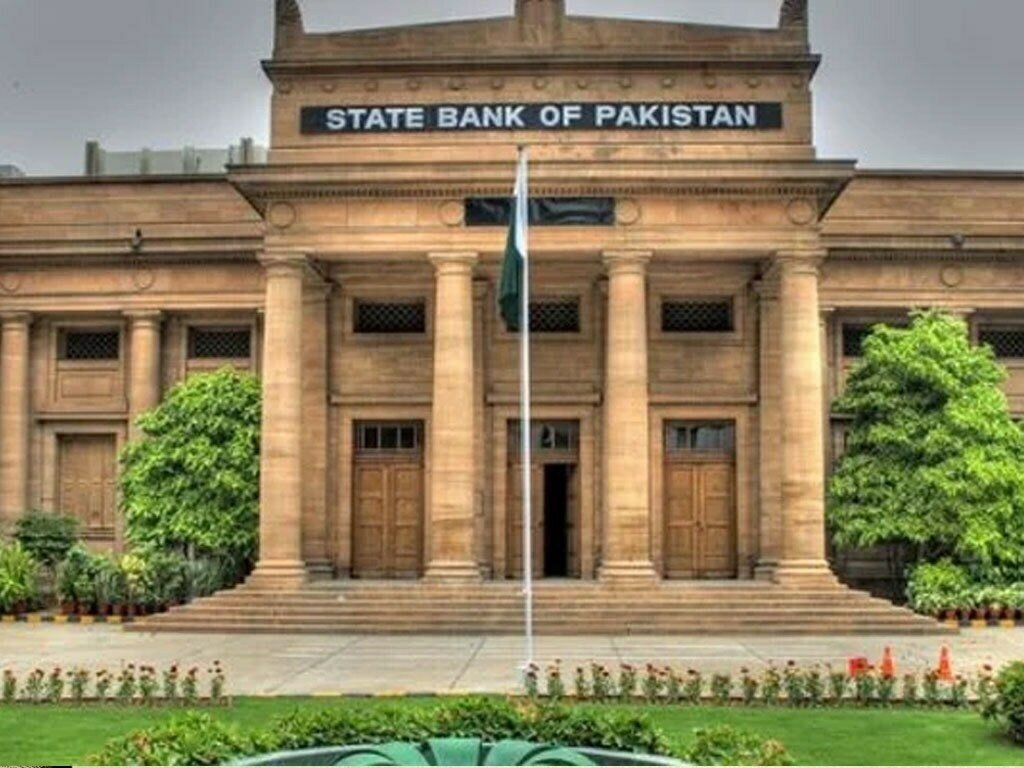
Pakistan’s Foreign Reserves Surpass $22.5 Billion Mark
World

Pakistan’s Foreign Reserves Surpass $22.5 Billion Mark

KARACHI — Pakistan’s total liquid foreign reserves have risen to $22.5 billion, marking a notable increase in the country’s financial stability. The State Bank of Pakistan (SBP) reported that its reserves increased to $17.08 billion as of August 13, 2026, reflecting a $25 million rise within a week. What Happened The State Bank of Pakistan (SBP) announced an increase in its foreign exchange reserves, which reached $17.08 billion by the end of the week on August 13, 2026. This represents a $25 million increment compared to the previous week. However, the net foreign reserves held by commercial banks saw a decrease of $17 million, bringing their total to $5.42 billion. As a result, the overall liquid foreign reserves of the country now stand at $22.51 billion. In the preceding week, ending on August 7, 2026, Pakistan’s total liquid foreign reserves were recorded at $22.50 billion. Of this amount, the SBP held $17.06 billion, while commercial banks accounted for $5.44 billion. The recent changes indicate a modest but positive shift in the central bank’s reserves, although commercial banks experienced a slight decline. The SBP’s weekly statement provided a detailed breakdown of the foreign reserves, highlighting the fluctuations in both the central and commercial banks’ holdings. These figures are crucial for understanding Pakistan’s economic health and its ability to manage external obligations. Background Foreign reserves are a critical component of a country’s economic framework, serving as a buffer against economic shocks and a tool for managing currency stability. Pakistan has historically faced challenges in maintaining adequate foreign reserves due to a variety of factors, including trade deficits, external debt obligations, and geopolitical tensions. In recent years, Pakistan has undertaken several measures to bolster its foreign reserves, including securing loans from international financial institutions and implementing economic reforms aimed at boosting exports and attracting foreign investment. The SBP plays a pivotal role in managing these reserves and ensuring that the country can meet its international financial commitments. The fluctuations in foreign reserves also reflect broader economic trends, such as changes in trade balances, remittances from overseas Pakistanis, and foreign direct investment inflows. Monitoring these reserves is essential for assessing the country’s economic resilience and its capacity to navigate financial challenges. Why It Matters The increase in Pakistan’s foreign reserves is a positive indicator for the country’s economic stability. Higher reserves enhance the SBP’s ability to intervene in foreign exchange markets to stabilize the Pakistani rupee, which has faced volatility in recent years. A stable currency is crucial for maintaining investor confidence and promoting economic growth. Moreover, robust foreign reserves provide a cushion against external economic shocks, such as fluctuations in global oil prices or unexpected changes in international trade dynamics. This financial buffer is particularly important for Pakistan, which relies heavily on imported goods and faces significant external debt obligations. The rise in reserves also has implications for Pakistan’s credit rating and its ability to secure favorable terms in international financial markets. A strong reserve position can lead to improved credit ratings, reducing borrowing costs and facilitating access to international capital. For the average Pakistani citizen, stable foreign reserves can translate into more predictable prices for imported goods and services, as well as greater economic opportunities through increased investment and job creation. The government’s ability to manage foreign reserves effectively is therefore closely linked to broader economic well-being and development. Key Takeaways Pakistan’s total liquid foreign reserves have risen to $22.5 billion as of August 13, 2026. The State Bank of Pakistan’s reserves increased by $25 million, reaching $17.08 billion. Commercial banks’ foreign reserves decreased by $17 million, totaling $5.42 billion. Higher reserves enhance economic stability and provide a buffer against external shocks. Stable reserves are crucial for maintaining currency stability and investor confidence. Source Attribution This article is based on official government statements, press releases, and public communications from relevant authorities. Author: NEN Editorial Desk | Editor: NEN Newsroom | Fact Checked By: NEN Editorial Team Author: NEN Editorial Desk  |  Editor: NEN Newsroom  |  Last Updated: August 20, 2026  |  Source: NEN Reporter This article was produced by the NEN Editorial Desk in accordance with NEN Agency’s Editorial Policy and Fact-Checking Policy.
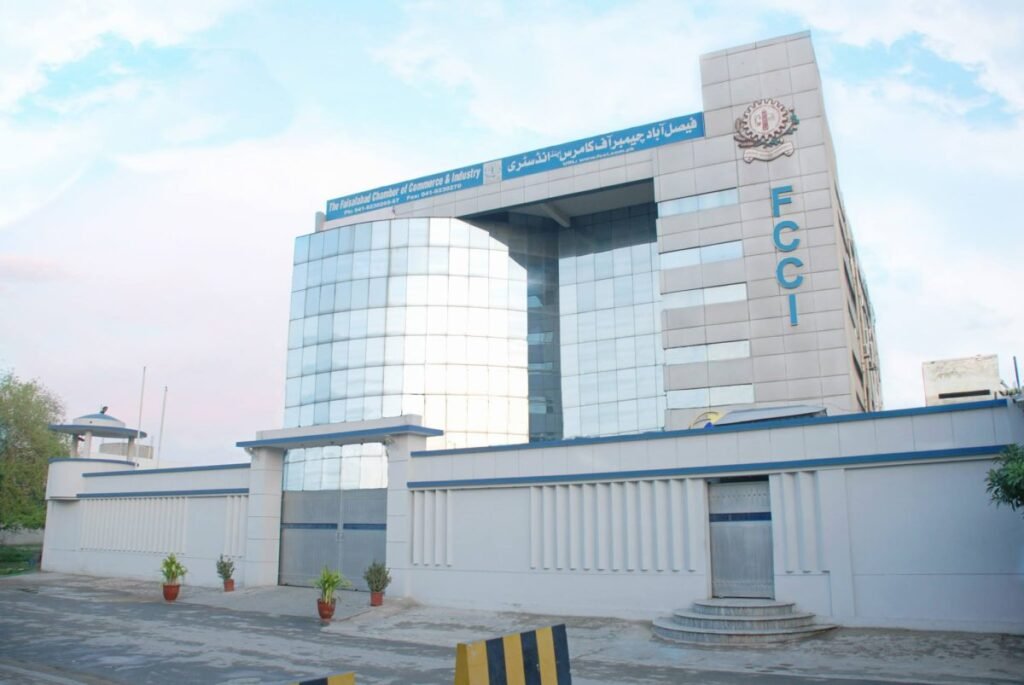
Tripartite Consensus Crucial for Reviving Pakistan’s Industrial Sector
World

Tripartite Consensus Crucial for Reviving Pakistan’s Industrial Sector

ISLAMABAD — Mian Muhammad Adrees, former President of the Federation of Pakistan Chambers of Commerce & Industry (FPCCI), emphasized the necessity of a tripartite consensus among employers, workers, and the government to rejuvenate Pakistan’s industrial sector. He highlighted the importance of collaborative policy-making to align with the evolving global economic landscape. What Happened In a recent statement, Mian Muhammad Adrees articulated that Pakistan’s industrial growth is contingent upon a unified approach involving all stakeholders. He argued that the current economic challenges require a comprehensive strategy that integrates the perspectives of employers, labor forces, and governmental bodies. “We need to redesign our policies to reflect the realities of a rapidly changing global marketplace,” Adrees stated. Adrees underscored that the industrial sector is pivotal for sustainable economic growth and that its revival is critical for Pakistan’s broader economic stability. He called for a concerted effort to address the structural issues plaguing the industry, such as outdated regulations, inadequate infrastructure, and the lack of technological advancement. The former FPCCI president also pointed out the need for investment in human capital and technological innovation. He stressed that without these investments, Pakistan would struggle to compete internationally. Adrees’s remarks come at a time when the country is grappling with economic challenges exacerbated by global market fluctuations and domestic policy constraints. Background Pakistan’s industrial sector has historically been a significant contributor to the national GDP, providing employment to millions and driving economic activity. However, in recent years, the sector has faced numerous challenges, including energy shortages, regulatory hurdles, and a lack of investment in modern technologies. Past efforts to revitalize the industry have often been hampered by a lack of coordination among key stakeholders. The absence of a cohesive policy framework that incorporates the needs and insights of employers, workers, and the government has led to fragmented initiatives with limited success. Moreover, the global economic environment has become increasingly competitive, with rapid advancements in technology and shifting trade dynamics. These changes necessitate a proactive approach to policy-making that anticipates future trends and prepares the industrial sector to adapt and thrive. Why It Matters The call for a tripartite consensus is significant as it addresses the root causes of the industrial sector’s stagnation. By fostering collaboration among employers, workers, and the government, Pakistan can develop a more resilient and competitive industrial base. This is crucial for enhancing productivity, creating jobs, and boosting exports. Economically, a revitalized industrial sector can help reduce Pakistan’s trade deficit by increasing the production of goods for export. This would not only improve the country’s balance of payments but also strengthen its currency and economic standing internationally. Socially, the creation of new jobs in the industrial sector would alleviate unemployment and improve living standards for many Pakistanis. It would also encourage skill development and innovation, which are essential for long-term economic growth. Politically, achieving a tripartite consensus could enhance trust and cooperation among different societal groups, leading to more stable governance and policy continuity. This stability is vital for attracting foreign investment and fostering economic development. Key Takeaways Mian Muhammad Adrees calls for a tripartite consensus to revive Pakistan’s industrial sector. Collaboration among employers, workers, and the government is deemed essential for sustainable growth. Investment in human capital and technology is crucial for international competitiveness. A revitalized industrial sector could reduce the trade deficit and create jobs. Political stability and policy continuity are necessary for attracting foreign investment. Source Attribution This article is based on official statements and public communications from the Federation of Pakistan Chambers of Commerce & Industry. Author: NEN Editorial Desk | Editor: NEN Newsroom | Fact Checked By: NEN Editorial Team Author: NEN Editorial Desk  |  Editor: NEN Newsroom  |  Last Updated: August 20, 2026  |  Source: NEN Reporter This article was produced by the NEN Editorial Desk in accordance with NEN Agency’s Editorial Policy and Fact-Checking Policy.
IFC and Bank Alfalah Launch Pakistan’s First Diversified Payment Rights Programme
World

IFC and Bank Alfalah Launch Pakistan’s First Diversified Payment Rights Programme

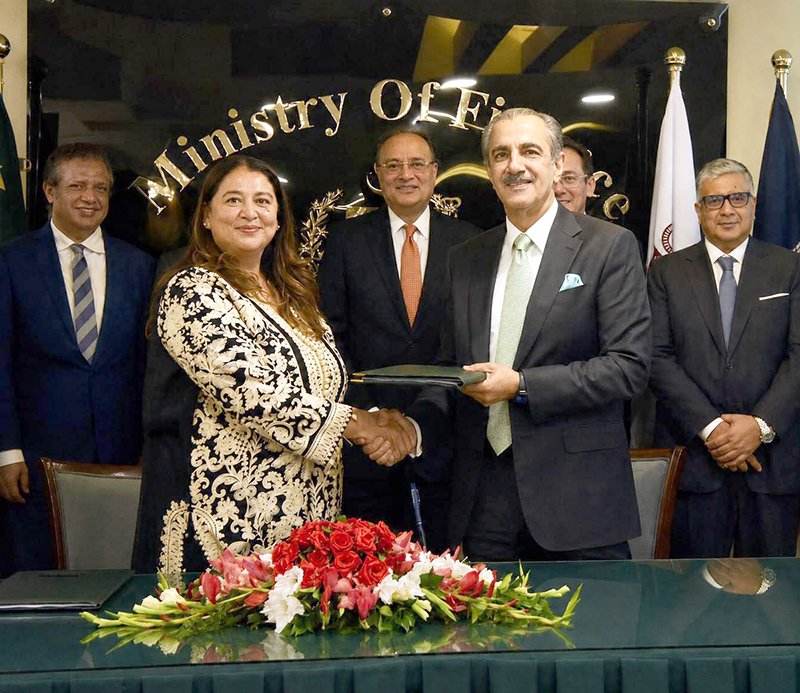
ISLAMABAD — The International Finance Corporation (IFC) and Bank Alfalah Limited (BAFL) have signed a project agreement to launch Pakistan’s first Diversified Payment Rights (DPR) programme. The signing ceremony took place at the Finance Division in the presence of Federal Minister for Finance and Revenue, Senator Muhammad Aurangzeb. What Happened The agreement marks a pioneering step in Pakistan’s financial sector as it introduces the country’s first DPR programme. The initiative is a collaboration between IFC, a member of the World Bank Group, and Bank Alfalah, one of Pakistan’s leading private banks. The ceremony was attended by key stakeholders, including government officials and representatives from both institutions. The DPR programme is designed to enhance Bank Alfalah’s capacity to manage its foreign currency liquidity and diversify its funding base. By securitizing future payment flows, the programme aims to provide the bank with a stable source of funding, thereby strengthening its financial position and enabling it to extend more credit to businesses and consumers. Senator Muhammad Aurangzeb, present at the event, expressed optimism about the programme’s potential impact on Pakistan’s economy. He stated, “This initiative is a testament to the commitment of both the government and the private sector to innovate and strengthen our financial infrastructure.” Background Diversified Payment Rights (DPR) are a form of securitization that involves the sale of future payment receivables, typically from foreign currency transactions. This financial instrument has been used in various emerging markets to improve liquidity and access to international capital markets. In Pakistan, the introduction of DPRs represents a significant development in the financial sector, offering new avenues for funding and risk management. Bank Alfalah, established in 1997, has grown to become one of the largest private banks in Pakistan, with a network of over 700 branches across the country. The bank has been at the forefront of adopting innovative financial solutions to meet the evolving needs of its customers. The partnership with IFC aligns with its strategy to enhance its financial offerings and expand its market presence. Why It Matters The launch of the DPR programme is expected to have far-reaching implications for Pakistan’s banking sector and the broader economy. By providing Bank Alfalah with a more diversified funding base, the programme will help mitigate foreign exchange risks and improve the bank’s ability to lend to the private sector. This, in turn, can stimulate economic growth by facilitating increased investment and consumption. Moreover, the collaboration with IFC underscores the confidence of international financial institutions in Pakistan’s economic potential. It highlights the country’s efforts to integrate into the global financial system and attract foreign investment. The programme also sets a precedent for other banks in Pakistan to explore similar financial instruments, potentially leading to a more resilient and dynamic banking sector. On a broader scale, the DPR programme aligns with Pakistan’s economic reform agenda, which aims to enhance financial stability, promote investment, and support sustainable development. By strengthening the financial sector’s capacity to manage risks and access international capital, the programme contributes to the country’s long-term economic resilience. Key Takeaways The DPR programme is Pakistan’s first initiative of its kind, aimed at enhancing Bank Alfalah’s foreign currency liquidity. The agreement was signed in the presence of Federal Minister for Finance and Revenue, Senator Muhammad Aurangzeb. IFC’s involvement reflects international confidence in Pakistan’s economic potential and financial sector. The programme is expected to stimulate economic growth by enabling increased lending to businesses and consumers. This initiative aligns with Pakistan’s broader economic reform agenda to promote financial stability and attract foreign investment. Source Attribution This article is based on official government statements, press releases, and public communications from relevant authorities. Author: NEN Editorial Desk | Editor: NEN Newsroom | Fact Checked By: NEN Editorial Team Author: NEN Editorial Desk  |  Editor: NEN Newsroom  |  Last Updated: August 20, 2026  |  Source: Press Release from Finance Division This article was produced by the NEN Editorial Desk in accordance with NEN Agency’s Editorial Policy and Fact-Checking Policy.
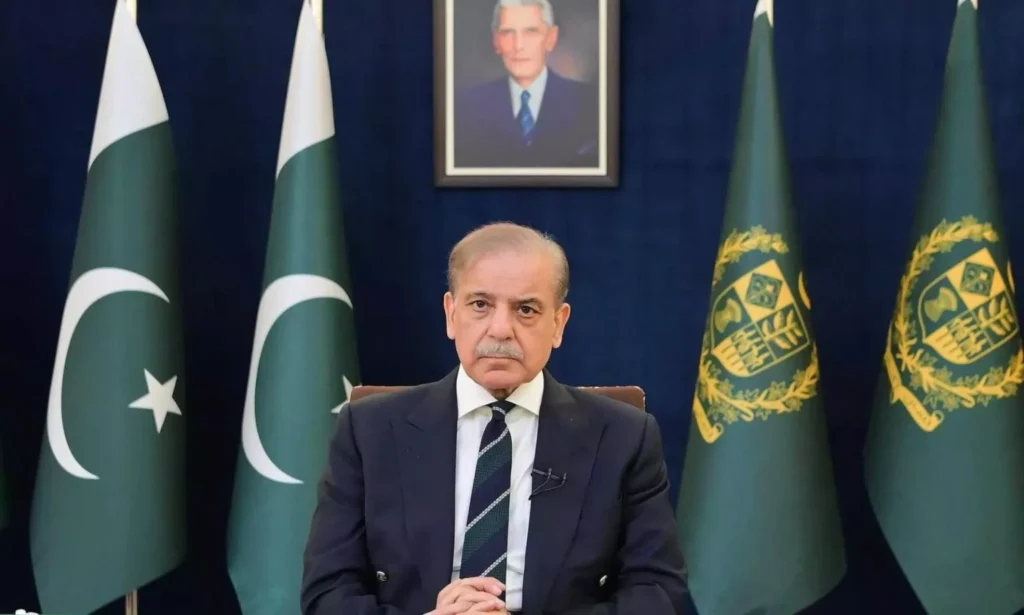
Finance Minister Launches Proof Of Life Certificate For Pensioners
World

Finance Minister Launches Proof Of Life Certificate For Pensioners

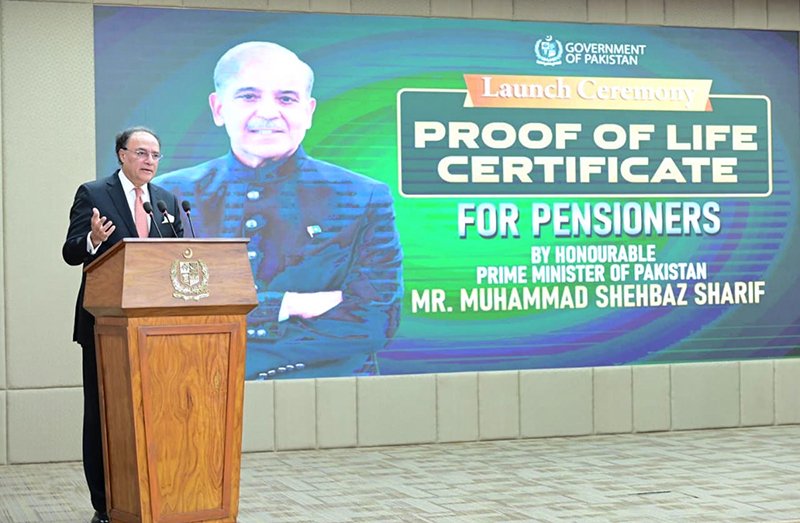
ISLAMABAD — Finance Minister Muhammad Aurangzeb officially launched the ‘Proof of Life’ certificate for pensioners during a ceremony held in Islamabad on August 20. The initiative aims to streamline the process for pensioners to confirm their eligibility and continue receiving benefits, enhancing transparency and efficiency in the pension system. What Happened During the ceremony, Finance Minister Muhammad Aurangzeb emphasized the government’s commitment to improving the welfare of pensioners. The ‘Proof of Life’ certificate is designed to simplify the verification process for pensioners, who previously faced bureaucratic hurdles in proving their continued eligibility for pension benefits. The certificate will serve as a digital tool, allowing pensioners to confirm their status without the need for physical visits to government offices. Minister Aurangzeb stated, “This initiative is part of our broader strategy to digitize government services and reduce the administrative burden on our senior citizens. We are committed to ensuring that pensioners receive their due benefits in a timely and efficient manner.” The launch of this certificate is expected to benefit thousands of pensioners across the country, making the process more accessible and less time-consuming. The ceremony was attended by various government officials and representatives from the finance sector, who praised the initiative as a step forward in modernizing Pakistan’s pension system. The digital certificate will be integrated with the National Database and Registration Authority (NADRA), ensuring that the verification process is both secure and reliable. Background The introduction of the ‘Proof of Life’ certificate comes in the context of ongoing efforts by the Pakistani government to reform and improve the efficiency of its pension system. Historically, pensioners have faced significant challenges in accessing their benefits, often requiring multiple visits to government offices to prove their eligibility. These challenges have been compounded by bureaucratic inefficiencies and a lack of digital infrastructure. In recent years, the government has prioritized the digitization of various public services, aiming to enhance transparency and reduce corruption. The pension system, in particular, has been a focus area due to its impact on the lives of senior citizens who rely on timely disbursements for their livelihood. The ‘Proof of Life’ certificate is part of a series of reforms intended to address these issues. Why It Matters The launch of the ‘Proof of Life’ certificate is significant for several reasons. Economically, it promises to reduce the administrative costs associated with the pension verification process. By digitizing the system, the government can allocate resources more efficiently, potentially saving millions in operational expenses. Socially, the initiative is a boon for pensioners, many of whom are elderly and face mobility challenges. The digital verification process reduces the need for physical visits to government offices, thus minimizing the risk of exposure to health hazards, particularly in the context of the ongoing COVID-19 pandemic. Politically, the move aligns with the government’s broader agenda of digital transformation and public sector reform. It demonstrates a commitment to leveraging technology to improve governance and service delivery, which could enhance public trust in government institutions. Internationally, this initiative positions Pakistan as a forward-thinking nation in terms of adopting digital solutions for public administration. It reflects a growing trend among countries to modernize their public services, aligning with global best practices in governance. Key Takeaways The ‘Proof of Life’ certificate aims to streamline pension verification for senior citizens. It is part of the government’s broader digital transformation strategy. The initiative is expected to reduce administrative costs and improve service efficiency. Pensioners will benefit from a more accessible and less time-consuming process. The move enhances Pakistan’s international standing in digital governance. Source Attribution This article is based on official government statements, press releases, and public communications from relevant authorities. Author: NEN Editorial Desk | Editor: NEN Newsroom | Fact Checked By: NEN Editorial Team Author: NEN Editorial Desk  |  Editor: NEN Newsroom  |  Last Updated: August 20, 2026  |  Source: Press Release from Finance Division This article was produced by the NEN Editorial Desk in accordance with NEN Agency’s Editorial Policy and Fact-Checking Policy.

PM Urges Global Institutions to Combat Terrorism Collectively
World

PM Urges Global Institutions to Combat Terrorism Collectively

ISLAMABAD — Prime Minister Shehbaz Sharif has made a call to action for institutions at global, national, and individual levels to unite against terrorism and uphold international law. This appeal coincides with the International Day of Remembrance and Tribute to victims of terrorism, emphasizing the importance of collective efforts against subversion and negative tendencies. What Happened On August 20, Prime Minister Shehbaz Sharif addressed the international community, urging a unified stance against terrorism. His statement highlighted the necessity for institutions worldwide to actively participate in combating terrorism and promoting universal human values. The Prime Minister emphasized that the fight against terrorism is not only a national concern but a global imperative that requires cooperation and adherence to international legal frameworks. Sharif’s message was delivered on the occasion of the International Day of Remembrance and Tribute to victims of terrorism, a day dedicated to honoring those who have suffered as a result of terrorist acts. He stressed the importance of remembering the victims and ensuring that their suffering is not in vain by taking decisive actions to prevent future acts of terror. “We must raise our voices against terrorism, subversion, and all negative tendencies while upholding universal human values and the rule of international law,” the Prime Minister stated. His call to action is a reminder of the ongoing threat posed by terrorism and the need for a coordinated response from all sectors of society. Background Pakistan has a long history of dealing with terrorism, having faced numerous attacks over the years that have claimed thousands of lives. The country has been a frontline state in the global war on terror, particularly after the events of September 11, 2001. Efforts to combat terrorism have included military operations, intelligence sharing, and regional cooperation. The International Day of Remembrance and Tribute to the victims of terrorism was established by the United Nations to honor and support the victims and survivors of terrorism. It aims to promote and protect the full enjoyment of their human rights and fundamental freedoms. Why It Matters The Prime Minister’s call for a united front against terrorism is significant in several ways. Economically, terrorism has a detrimental impact on countries by disrupting trade, tourism, and investment. By advocating for a collective response, Pakistan seeks to foster a safer environment that can lead to economic stability and growth. Socially, terrorism instills fear and divides communities. A unified approach to combating terrorism can help bridge divides and promote peace and stability within societies. It also reinforces the importance of human rights and the rule of law, which are essential for social cohesion and justice. Politically, the Prime Minister’s statement underscores Pakistan’s commitment to international cooperation in the fight against terrorism. It positions the country as a proactive player on the global stage, advocating for policies that promote peace and security. This can enhance Pakistan’s diplomatic relations and strengthen its role in international forums. Internationally, terrorism is a transnational threat that requires a coordinated response. By calling on global institutions to act, Pakistan is emphasizing the need for international solidarity and collaboration. This approach can lead to more effective strategies and policies to prevent and counter terrorism worldwide. Key Takeaways Prime Minister Shehbaz Sharif calls for global and national institutions to unite against terrorism. The statement was made on the International Day of Remembrance and Tribute to victims of terrorism. Sharif emphasizes the importance of upholding international law and human values. Pakistan’s history with terrorism highlights the need for a coordinated global response. The call to action seeks to foster economic stability, social cohesion, and international cooperation. Source Attribution This article is based on official government statements and public communications from relevant authorities. Author: NEN Editorial Desk | Editor: NEN Newsroom | Fact Checked By: NEN Editorial Team Author: NEN Editorial Desk  |  Editor: NEN Newsroom  |  Last Updated: August 20, 2026  |  Source: NEN Reporter This article was produced by the NEN Editorial Desk in accordance with NEN Agency’s Editorial Policy and Fact-Checking Policy.

Scroll to Top