
Author name: Yasir Zubairi

Yasir Zubairi is the founder and publisher of NEN Agency (News Era Network). He leads NEN's coverage of Pakistan's national affairs, economy, foreign relations and sports, and is responsible for the accuracy and standards of every story published on nenagency.com.

China Issues Flood Emergency Alert in Four Provinces
World

China Issues Flood Emergency Alert in Four Provinces

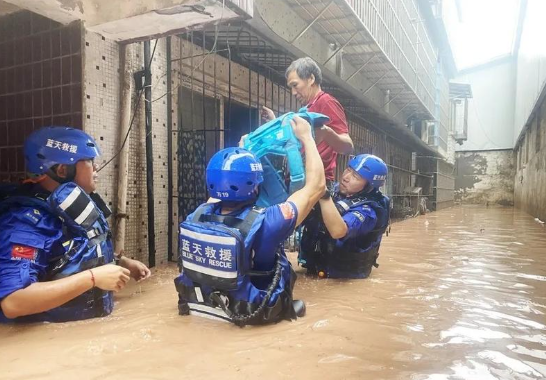
BEIJING — China’s Ministry of Water Resources has initiated a Level-IV emergency flood response across four provincial regions, as the country braces for heavy rainfall induced by Typhoon Dolphin and a cold air mass. The affected areas are primarily in central and northern China, where weather forecasts predict significant precipitation in the coming days. What Happened On Monday, the Ministry of Water Resources announced the activation of a Level-IV emergency flood response for four provinces due to the anticipated impact of Typhoon Dolphin. The typhoon, coupled with a cold air mass, is expected to bring substantial rainfall to central and northern China, increasing the risk of flooding in these regions. The Level-IV emergency response is the lowest in China’s four-tier emergency response system. It involves heightened monitoring and preparedness measures to manage potential flood risks. Local authorities in the affected provinces have been instructed to remain vigilant and implement necessary precautions to safeguard lives and property. According to the ministry, the provinces of Hebei, Shanxi, Henan, and Shandong are expected to experience the heaviest rainfall. “Local governments must prioritize the safety of people’s lives and property,” stated a ministry official, emphasizing the need for coordinated efforts to mitigate the impact of potential floods. Weather forecasts indicate that the typhoon will bring heavy downpours, with some areas potentially receiving over 100 millimeters of rain within a 24-hour period. The ministry has urged local authorities to prepare for possible evacuations and to ensure that emergency response teams are ready to act swiftly if conditions worsen. Background China’s emergency response system for floods is categorized into four levels, with Level I being the most severe. The system is designed to provide a structured response to varying degrees of flood risk, allowing for efficient resource allocation and coordination among different government agencies and local authorities. Typhoon Dolphin is the latest in a series of weather events impacting China this year. The country has faced several typhoons and heavy rainfall events, which have led to significant flooding in various regions. These events have highlighted the vulnerability of certain areas to extreme weather conditions, prompting the government to enhance its disaster preparedness and response strategies. Historically, China has experienced severe flooding, particularly during the summer months. The Yangtze River basin, in particular, is prone to flooding, which can result in widespread damage and displacement of communities. Why It Matters The activation of a flood emergency response in four provinces underscores the ongoing challenges China faces in managing natural disasters. The potential for severe flooding poses significant risks to both urban and rural communities, impacting infrastructure, agriculture, and the overall economy. Economically, flooding can disrupt supply chains, damage crops, and affect industrial production, leading to financial losses. Socially, the displacement of communities and the potential loss of life highlight the human cost of such natural disasters. Politically, the government’s response to natural disasters is closely scrutinized, as effective management can bolster public confidence, while inadequate responses may lead to criticism and unrest. The activation of the emergency response reflects the government’s commitment to proactive disaster management and the protection of its citizens. Internationally, China’s handling of natural disasters is observed by other nations, as it provides insights into the country’s resilience and capacity to manage large-scale emergencies. The response to Typhoon Dolphin will be a test of China’s disaster preparedness and its ability to coordinate efforts across multiple regions. Key Takeaways China has activated a Level-IV emergency flood response for four provinces due to Typhoon Dolphin. The affected regions are Hebei, Shanxi, Henan, and Shandong, with heavy rainfall expected. The emergency response involves heightened monitoring and preparedness measures. Flooding poses economic, social, and political challenges for China. Effective disaster management is crucial for maintaining public confidence and minimizing damage. Source Attribution This article is based on official government statements, press releases, and public communications from relevant authorities. Author: NEN Editorial Desk | Editor: NEN Newsroom | Fact Checked By: NEN Editorial Team Author: NEN Editorial Desk  |  Editor: NEN Newsroom  |  Last Updated: August 11, 2026  |  Source: NEN Reporter This article was produced by the NEN Editorial Desk in accordance with NEN Agency’s Editorial Policy and Fact-Checking Policy.


China’s Digital Publishing Expo to Feature Cultural Gaming Section
World

China’s Digital Publishing Expo to Feature Cultural Gaming Section

BEIJING — The upcoming China International Digital Publishing Expo, set to commence on August 27 in Jinan, Shandong Province, will introduce a new exhibition area dedicated to the fusion of traditional Chinese culture with online gaming. This marks the first time the expo will highlight cultural gaming, reflecting the growing synergy between China’s rich cultural heritage and its burgeoning digital entertainment sector. What Happened The 16th edition of the China International Digital Publishing Expo will run from August 27 to 29, offering a platform for over 500 exhibitors, including delegations from 20 provincial-level regions across China and international participants from more than 30 countries and regions. The event is organized by the Chinese Academy of Press and Publication, among others, and aims to showcase the latest advancements in digital publishing and gaming. A significant highlight of this year’s expo is the introduction of an exhibition area that focuses on the integration of traditional Chinese culture with online games. This initiative is in response to the increasing popularity of domestically developed games like “Black Myth: Wukong,” which have successfully blended cultural themes with cutting-edge technology. Such games not only entertain but also serve as vehicles for cultural expression and preservation, bringing ancient Chinese stories and characters to a global audience. In addition to the cultural gaming section, the expo will feature one main forum, six thematic forums, and over 80 supporting activities. These sessions will cover a range of topics, including digital publishing, human-machine collaboration, interdisciplinary construction, and global academic communication. The Chinese Academy of Press and Publication will also present interim achievements in setting industry standards for AI applications, underscoring the role of artificial intelligence in the future of digital publishing. Background First held in 2005, the China International Digital Publishing Expo has become a pivotal event for the digital publishing industry, promoting technological advancements and international collaboration. The expo serves as a barometer for the industry’s growth and innovation, providing insights into emerging trends and technologies. China’s gaming industry has seen remarkable growth over the years. In 2025, the domestic gaming market generated over 350 billion yuan (approximately 52 billion U.S. dollars) in sales revenue, marking a 7.68 percent increase from the previous year. The number of gaming users in China reached 683 million, reflecting a 1.35 percent rise. This growth is attributed to technological innovations and the increasing appeal of culturally enriched gaming experiences. Why It Matters The inclusion of a cultural gaming section at the expo is significant for several reasons. Economically, it highlights the potential of the gaming industry as a driver of growth in China’s digital economy. The sector not only contributes substantial revenue but also creates employment opportunities and stimulates technological advancements. Socially, the integration of traditional culture with modern gaming offers a unique way to engage younger audiences with their heritage. It provides a platform for cultural education and preservation, ensuring that traditional stories and values are passed down to future generations in an engaging format. On an international level, the expo and its new cultural gaming section underscore China’s role as a leader in digital innovation. By showcasing how traditional culture can be seamlessly integrated with modern technology, China sets an example for other countries looking to preserve their cultural heritage in the digital age. Key Takeaways The China International Digital Publishing Expo will feature a new cultural gaming section for the first time. The expo will run from August 27 to 29 in Jinan, Shandong Province, with over 500 exhibitors. China’s gaming industry generated over 350 billion yuan in revenue in 2025, with 683 million users. The event will include forums and activities on digital publishing and AI applications. The expo highlights China’s leadership in integrating traditional culture with digital technology. Source Attribution This article is based on official government statements, press releases, and public communications from relevant authorities. Author: NEN Editorial Desk | Editor: NEN Newsroom | Fact Checked By: NEN Editorial Team Author: NEN Editorial Desk  |  Editor: NEN Newsroom  |  Last Updated: August 11, 2026  |  Source: NEN Reporter This article was produced by the NEN Editorial Desk in accordance with NEN Agency’s Editorial Policy and Fact-Checking Policy.

First Lady Highlights Minority Communities’ Role in Pakistan’s Progress
Pakistan

First Lady Highlights Minority Communities’ Role in Pakistan’s Progress

ISLAMABAD — On Tuesday, First Lady Bibi Asifa Bhutto Zardari emphasized the vital contributions of minority communities to Pakistan’s development across various sectors, including education, healthcare, law, public service, business, the armed forces, arts, and sports. Her remarks were made in a message commemorating National Minorities Day, observed annually on August 11. What Happened First Lady Asifa Bhutto Zardari, in her statement, extended warm greetings to minority communities across the nation, acknowledging their significant role in Pakistan’s progress. She highlighted that the achievements of these communities are integral to the country’s development narrative. The First Lady’s message underscored the importance of recognizing the valuable contributions of minority groups and reaffirmed the principle of equality for all citizens. “Equality must be reflected in the rights and opportunities available to every citizen. The law must protect all citizens equally and every Pakistani should be able to participate fully in the social, economic and civic life of the country without discrimination on the basis of religion,” she stated. Her remarks also emphasized the need for equal opportunities for young people and women from minority communities to pursue education, develop skills, and contribute to the nation’s future. Asifa Bhutto called on families, educational institutions, communities, and public institutions to promote respect, understanding, and equal treatment among citizens. She stressed that the values taught to young people today would shape the future of Pakistan. The First Lady paid tribute to the minority communities’ contributions and expressed hope for continued progress with equality and opportunity for all citizens. Background National Minorities Day in Pakistan is observed annually on August 11 to honor the contributions of minority communities to the country’s development. The day serves as a reminder of the commitment to equality and the protection of minority rights as enshrined in Pakistan’s constitution. Historically, minority communities have played a crucial role in various sectors, contributing to the nation’s socio-economic and cultural fabric. Pakistan’s legal framework, including the Constitution, guarantees equal rights to all citizens, irrespective of their religion or ethnicity. However, the implementation of these rights has faced challenges, with minority communities often advocating for greater inclusion and protection against discrimination. Why It Matters The recognition of minority communities’ contributions is significant in promoting social cohesion and national unity in Pakistan. By acknowledging the diverse contributions of all citizens, the nation can foster an inclusive environment that encourages participation from all segments of society. This inclusivity is crucial for sustainable development and progress. Economically, empowering minority communities can lead to a more diverse and skilled workforce, driving innovation and growth. Socially, it enhances mutual respect and understanding among different groups, reducing tensions and fostering harmony. Politically, it strengthens democratic values by ensuring that all voices are heard and represented in decision-making processes. Internationally, Pakistan’s commitment to minority rights and inclusion can improve its image as a progressive and tolerant nation, potentially attracting foreign investment and strengthening diplomatic relations. The First Lady’s message reinforces the importance of these principles and the need for continued efforts to ensure equality and opportunity for all citizens. Key Takeaways First Lady Asifa Bhutto Zardari highlighted the contributions of minority communities to Pakistan’s development. Her message emphasized the importance of equality and non-discrimination for all citizens. National Minorities Day serves as a reminder of the commitment to minority rights in Pakistan. Empowering minority communities can drive economic growth and social cohesion. Pakistan’s commitment to inclusion can enhance its international image and relations. Source Attribution This article is based on official government statements, press releases, and public communications from relevant authorities. Author: NEN Editorial Desk | Editor: NEN Newsroom | Fact Checked By: NEN Editorial Team Author: NEN Editorial Desk  |  Editor: NEN Newsroom  |  Last Updated: August 11, 2026  |  Source: NEN Reporter This article was produced by the NEN Editorial Desk in accordance with NEN Agency’s Editorial Policy and Fact-Checking Policy.
Philippines and Pakistan Aim to Enhance Bilateral Trade to $500 Million
Pakistan

Philippines and Pakistan Aim to Enhance Bilateral Trade to $500 Million

ISLAMABAD — The Ambassador of the Philippines to Pakistan, Dr. Emmanuel R. Fernandez, emphasized the commitment to strengthen bilateral trade between Pakistan and the Philippines to $500 million. Speaking on Monday, Dr. Fernandez highlighted the crucial role of the private sector and chambers of commerce in both countries in achieving this objective. What Happened During a meeting held in Islamabad, Dr. Emmanuel R. Fernandez, the Philippines’ Ambassador to Pakistan, reiterated the goal of increasing bilateral trade between the two nations to $500 million. The ambassador underscored the significance of collaboration between the private sectors and chambers of commerce in both countries to reach this target. He stated, “The current level of trade between our countries is not reflective of the potential that exists. We need to engage more actively with our respective business communities to unlock this potential.” Dr. Fernandez pointed out that the current trade volume is significantly below the desired target, urging businesses and trade organizations to seek new avenues for cooperation. The ambassador also mentioned the importance of diversifying trade portfolios and exploring sectors such as agriculture, textiles, and technology, which could serve as key areas for mutual growth. In his address, Dr. Fernandez also highlighted the need for regular trade exhibitions and business forums to facilitate direct interaction between business leaders from both countries. He expressed optimism that such initiatives would lead to a more robust economic partnership. Background The trade relationship between Pakistan and the Philippines has historically been modest, with both countries primarily engaging in the exchange of goods such as textiles, agricultural products, and electronics. Over the years, several attempts have been made to enhance economic ties, but various challenges, including logistical hurdles and limited market access, have impeded significant progress. In recent years, both nations have expressed a renewed interest in strengthening economic cooperation. The Philippines is one of the rapidly growing economies in Southeast Asia, while Pakistan’s strategic location offers potential as a gateway for trade with Central Asia and the Middle East. The current push to elevate trade relations is part of a broader strategy to capitalize on these opportunities and foster a more dynamic economic partnership. Why It Matters Enhancing trade relations between Pakistan and the Philippines holds significant economic and strategic importance. For Pakistan, increasing trade with the Philippines could help diversify its export markets, reducing reliance on traditional partners and potentially leading to more stable economic growth. This diversification is particularly crucial in the context of global economic uncertainties and shifting trade dynamics. For the Philippines, expanding trade with Pakistan offers access to a new market with considerable potential. Pakistan’s large population and growing middle class present opportunities for Filipino businesses, particularly in sectors such as consumer goods, agriculture, and technology. Strengthening trade ties could also lead to increased investment flows, benefiting both economies. On a broader scale, the initiative to boost trade to $500 million is reflective of a growing trend of regional economic integration in Asia. As countries seek to build more resilient and interconnected economies, partnerships like the one between Pakistan and the Philippines play a crucial role in fostering regional stability and prosperity. Key Takeaways The Philippines and Pakistan aim to increase bilateral trade to $500 million. Private sectors and chambers of commerce are pivotal in achieving this goal. Current trade levels are below potential, with opportunities in agriculture, textiles, and technology. Strengthening trade ties could lead to diversified markets and increased investment. This initiative aligns with broader regional economic integration trends in Asia. Source Attribution This article is based on official government statements, press releases, and public communications from relevant authorities. Author: NEN Editorial Desk | Editor: NEN Newsroom | Fact Checked By: NEN Editorial Team Author: NEN Editorial Desk  |  Editor: NEN Newsroom  |  Last Updated: August 11, 2026  |  Source: NEN Reporter This article was produced by the NEN Editorial Desk in accordance with NEN Agency’s Editorial Policy and Fact-Checking Policy.
Language, Cultural Exchange Vital for Strengthening Pakistan-China Relations
World

Language, Cultural Exchange Vital for Strengthening Pakistan-China Relations

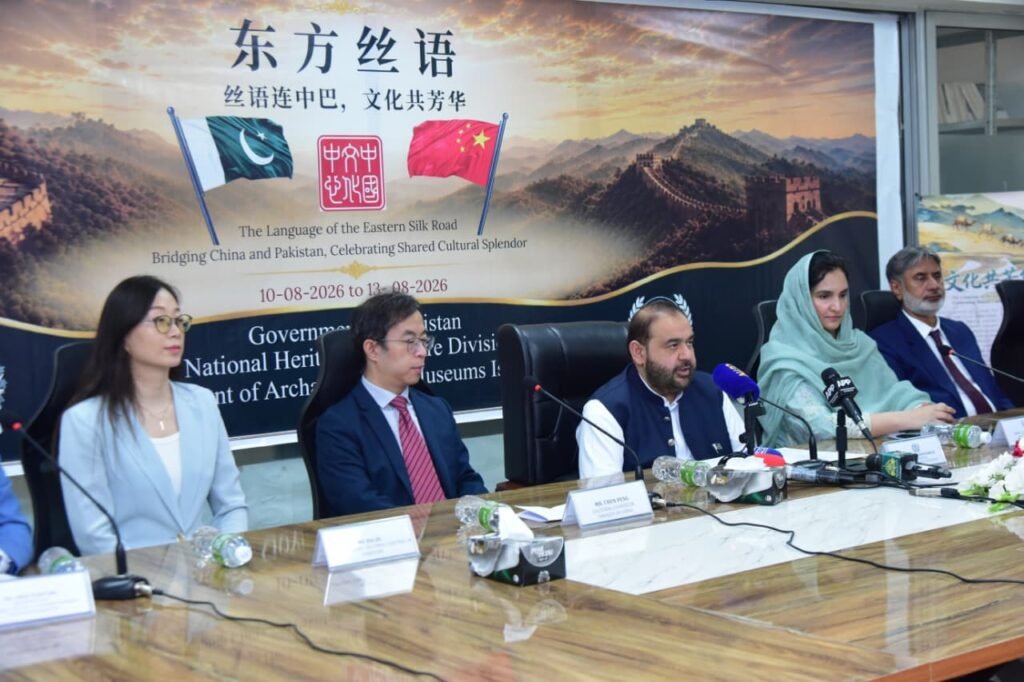
ISLAMABAD — Federal Minister for National Heritage and Culture, Aurangzeb Khan Khichi, emphasized the importance of language and cultural exchange in enhancing the longstanding friendship between Pakistan and China. Speaking at the inauguration of the Chinese Language and Chinese Culture Experience Course at the Department of Archaeology on August 10, Khichi highlighted the role of such initiatives in fostering people-to-people connections. What Happened On August 10, Federal Minister Aurangzeb Khan Khichi addressed the opening ceremony of a new initiative aimed at promoting cultural ties between Pakistan and China. The event marked the launch of the Chinese Language and Chinese Culture Experience Course, designed to provide participants with an immersive understanding of Chinese language and culture. The initiative is part of broader efforts to strengthen bilateral relations through educational and cultural exchanges. In his address, Khichi underscored the significance of cultural diplomacy in international relations. He stated, “Language and cultural exchanges are crucial for building bridges between nations. They help in understanding each other’s values and traditions, thereby deepening mutual respect and cooperation.” The minister also acknowledged the historical ties between the two countries, noting that such programs could further solidify their partnership. The course, hosted by the Department of Archaeology, aims to equip participants with basic language skills and cultural knowledge that can facilitate better communication and collaboration. It includes modules on Chinese history, art, and customs, providing a comprehensive overview of the country’s rich cultural heritage. Background Pakistan and China have enjoyed a robust bilateral relationship, often described as an “all-weather friendship.” This partnership has been characterized by strong economic, military, and diplomatic ties. Over the years, both nations have engaged in numerous cultural exchange programs to enhance mutual understanding and cooperation. The China-Pakistan Economic Corridor (CPEC), a flagship project under China’s Belt and Road Initiative, has further cemented the relationship, with significant investments in infrastructure and energy projects in Pakistan. Cultural exchanges, such as language courses and joint artistic endeavors, are seen as complementary to these economic collaborations, fostering goodwill and understanding at the grassroots level. Why It Matters The emphasis on cultural and language exchange is significant in the context of Pakistan-China relations. As economic ties continue to grow, there is a parallel need for increased cultural understanding to ensure that collaborations are successful and mutually beneficial. Language proficiency and cultural awareness can play a crucial role in overcoming communication barriers and facilitating smoother interactions in various sectors, including business, education, and tourism. Moreover, such initiatives contribute to the broader goal of soft diplomacy, where cultural ties are leveraged to enhance political and economic relations. For Pakistan, strengthening its relationship with China is vital for economic growth and regional stability. As China continues to expand its global influence, understanding its culture and language becomes increasingly important for Pakistani citizens and policymakers alike. Furthermore, these exchanges can have a positive impact on the younger generation, providing them with opportunities to engage with different cultures and perspectives. This exposure can foster a more inclusive and global mindset, preparing them for future challenges in an interconnected world. Key Takeaways Federal Minister Aurangzeb Khan Khichi highlighted the importance of language and cultural exchange in strengthening Pakistan-China ties. The Chinese Language and Chinese Culture Experience Course aims to enhance mutual understanding through education. Pakistan and China have a long-standing partnership, reinforced by economic projects like CPEC. Cultural exchanges are crucial for overcoming communication barriers and fostering cooperation. Such initiatives contribute to soft diplomacy and prepare the younger generation for global engagement. Source Attribution This article is based on official statements and public communications from the Ministry of National Heritage and Culture. Author: NEN Editorial Desk | Editor: NEN Newsroom | Fact Checked By: NEN Editorial Team Author: NEN Editorial Desk  |  Editor: NEN Newsroom  |  Last Updated: August 11, 2026  |  Source: NEN Reporter This article was produced by the NEN Editorial Desk in accordance with NEN Agency’s Editorial Policy and Fact-Checking Policy.
UN Reports Hundreds Of Israeli Strikes In Southern Lebanon Escalation
World

UN Reports Hundreds Of Israeli Strikes In Southern Lebanon Escalation

UNITED NATIONS — The United Nations Interim Force in Lebanon (UNIFIL) has reported a significant increase in military activity by Israeli forces in southern Lebanon, with hundreds of projectiles fired and multiple breaches of Lebanese airspace occurring over a three-day period. According to the UN peacekeeping mission, Israeli forces launched 455 projectiles into the region and violated airspace 97 times between Friday and Sunday, marking one of the most intense periods of conflict in recent months. What Happened The surge in hostilities was documented by UNIFIL, which has been monitoring the border area between Lebanon and Israel. The mission reported that the highest number of projectiles, 229, were fired on Saturday alone. This escalation has raised concerns about the potential for further conflict in the already volatile region. UNIFIL’s mandate includes monitoring the cessation of hostilities, supporting the Lebanese Armed Forces, and ensuring humanitarian access to civilian populations. The peacekeeping mission has been on high alert as tensions have risen, underscoring the fragility of the peace process in the area. In response to the increased military activity, UNIFIL has called for restraint from all parties involved. The mission emphasized the importance of maintaining the cessation of hostilities to prevent further escalation and to protect civilian lives. The Lebanese government has condemned the Israeli actions, labeling them as violations of Lebanese sovereignty and international law. The Israeli government has not publicly commented on the specific incidents reported by UNIFIL but has previously stated that its military operations in the region are in response to threats from Hezbollah, the Lebanese militant group. Background The conflict between Israel and Lebanon has a long and complex history, with intermittent periods of violence punctuating the uneasy peace. The 2006 Lebanon War was a significant conflict that resulted in widespread destruction and loss of life, leading to the deployment of UNIFIL to monitor the ceasefire and assist in rebuilding efforts. UNIFIL was established in 1978 following the Israeli invasion of Lebanon and has since played a critical role in maintaining peace along the border. Despite its efforts, sporadic clashes and military exchanges have continued, often involving Hezbollah, which Israel considers a terrorist organization. The recent flare-up is part of a broader pattern of tensions in the Middle East, where geopolitical rivalries and local conflicts frequently intersect, complicating efforts for lasting peace. Why It Matters The escalation of hostilities in southern Lebanon has significant implications for regional stability. The area is a flashpoint for broader Middle Eastern tensions, involving not only Lebanon and Israel but also regional powers such as Iran and Syria. Any increase in military activity risks drawing these actors into a larger conflict, with potentially devastating consequences. For Lebanon, already grappling with economic turmoil and political instability, the threat of renewed conflict adds to the challenges facing the country. The Lebanese population, particularly those in the south, are at risk of displacement and further hardship should the situation deteriorate. Internationally, the situation underscores the challenges facing UN peacekeeping missions, which operate in complex and often hostile environments. The ability of UNIFIL to maintain peace and stability in southern Lebanon is critical not only for the immediate region but also for the credibility of international peacekeeping efforts worldwide. Key Takeaways UNIFIL reports 455 Israeli projectiles fired into southern Lebanon over three days. The highest single-day total of 229 projectiles was recorded on Saturday. Lebanon condemns the actions as violations of sovereignty and international law. The escalation highlights the ongoing volatility in the Israel-Lebanon border region. Increased hostilities pose risks to regional stability and international peacekeeping efforts. Source Attribution This article is based on official statements from the United Nations and public communications from relevant authorities. Author: NEN Editorial Desk | Editor: NEN Newsroom | Fact Checked By: NEN Editorial Team Author: NEN Editorial Desk  |  Editor: NEN Newsroom  |  Last Updated: August 11, 2026  |  Source: NEN Reporter This article was produced by the NEN Editorial Desk in accordance with NEN Agency’s Editorial Policy and Fact-Checking Policy.
Cholpon-Ata Summit Reshapes Central Asian Geopolitics, Expands European Corridors
World

Cholpon-Ata Summit Reshapes Central Asian Geopolitics, Expands European Corridors

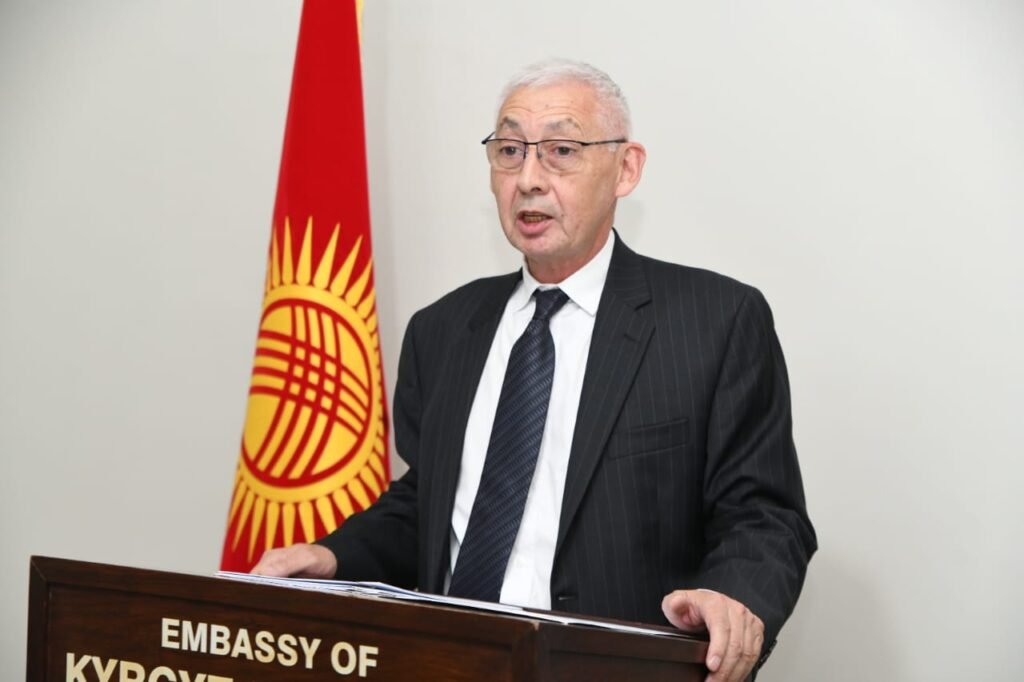
ISLAMABAD — Kyrgyzstan’s Charge d’Affaires in Pakistan, Aibek Tilebeliev, has highlighted the significance of the recent Cholpon-Ata Summit, describing it as a pivotal moment for Central Asian geopolitics. Held in Kyrgyzstan, the summit brought together the heads of state from Central Asia and the Republic of Azerbaijan, marking a new era of regional cooperation and connectivity. What Happened The Cholpon-Ata Summit, an informal consultative meeting, was convened to discuss and enhance regional collaboration among Central Asian nations and Azerbaijan. According to Aibek Tilebeliev, the summit has been instrumental in opening new corridors to Europe, which could significantly boost trade and energy exchanges. The summit, held on August 10, 2023, in the picturesque town of Cholpon-Ata, focused on creating a unified approach to regional challenges and opportunities. Tilebeliev emphasized the summit’s role in redefining geopolitical dynamics by fostering stronger ties among participating countries. “This expanded platform has created new opportunities for connectivity, trade, and energy collaboration,” he stated. The summit’s discussions revolved around enhancing infrastructure, streamlining trade routes, and developing energy projects that could serve as a backbone for regional economic growth. The leaders also explored the potential of tapping into the vast natural resources of Central Asia and Azerbaijan. By leveraging these resources, the countries aim to establish themselves as key players in the global energy market. The summit underscored the importance of collective efforts in addressing common regional issues such as security, economic development, and climate change. Background The Cholpon-Ata Summit is part of a broader initiative to strengthen regional cooperation in Central Asia, a region historically characterized by diverse political and economic landscapes. In recent years, there has been a growing recognition of the need for a collaborative approach to harness the region’s potential. Previous summits and meetings have laid the groundwork for this latest gathering, which aims to solidify partnerships and create a cohesive regional strategy. Central Asia has long been a crossroads of trade and cultural exchange, with the Silk Road serving as a historical conduit between East and West. In the modern era, the region’s strategic location offers significant opportunities for economic integration and development. The summit builds on past efforts to revitalize these historical connections and adapt them to contemporary geopolitical realities. Why It Matters The outcomes of the Cholpon-Ata Summit are poised to have far-reaching implications for Central Asia and beyond. Economically, the establishment of new corridors to Europe could facilitate increased trade and investment, providing a much-needed boost to regional economies. For Pakistan, enhanced connectivity with Central Asia could open up new markets and create opportunities for collaboration in sectors such as energy, agriculture, and technology. Politically, the summit represents a shift towards greater regional integration, which could contribute to stability and security in a historically volatile area. By working together, Central Asian countries and Azerbaijan can address shared challenges more effectively, reducing the risk of conflict and fostering a more stable environment for growth. Internationally, the summit’s focus on energy cooperation could have significant implications for global energy markets. As Central Asia and Azerbaijan develop their energy resources, they could become key suppliers to Europe, diversifying supply sources and enhancing energy security for the continent. Key Takeaways The Cholpon-Ata Summit marks a significant step in Central Asian regional cooperation. New corridors to Europe could boost trade and energy exchanges. The summit emphasizes the importance of collective efforts to address regional challenges. Enhanced connectivity could create new opportunities for Pakistan and other neighboring countries. Central Asia and Azerbaijan aim to become key players in the global energy market. Source Attribution This article is based on official government statements and public communications from relevant authorities. Author: NEN Editorial Desk | Editor: NEN Newsroom | Fact Checked By: NEN Editorial Team Author: NEN Editorial Desk  |  Editor: NEN Newsroom  |  Last Updated: August 11, 2026  |  Source: NEN Reporter This article was produced by the NEN Editorial Desk in accordance with NEN Agency’s Editorial Policy and Fact-Checking Policy.
Federal Ministers Discuss Real Estate Regulatory Authority in Islamabad Meeting
Pakistan

Federal Ministers Discuss Real Estate Regulatory Authority in Islamabad Meeting

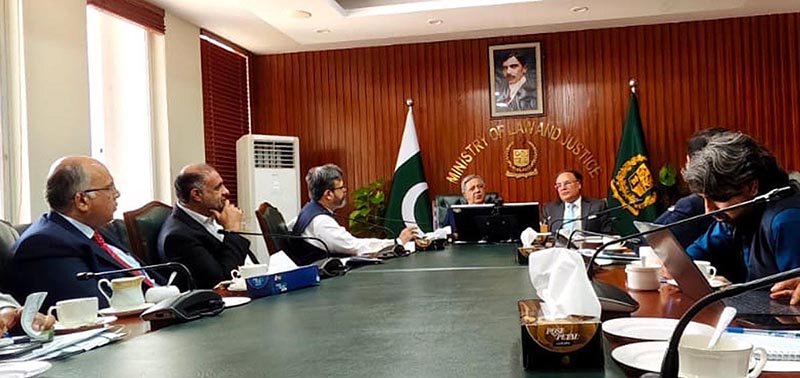
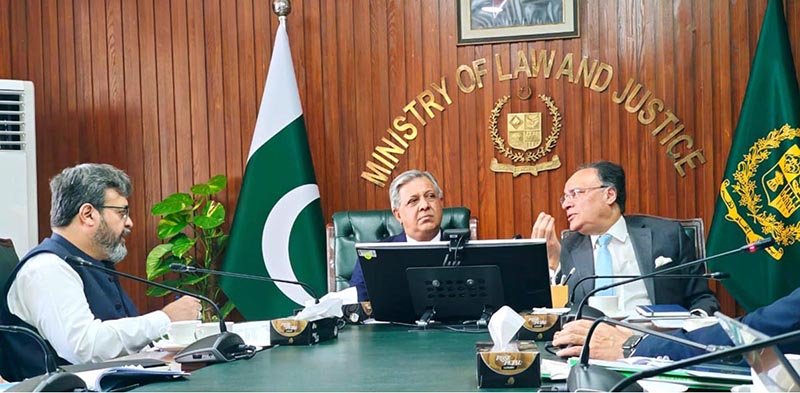
ISLAMABAD — Federal Minister for Law, Justice and Human Rights Senator Azam Nazeer Tarar, along with Federal Minister for Finance and Revenue Senator Muhammad Aurangzeb, chaired a high-level meeting on the Real Estate Regulatory Authority (RERA) in Islamabad. The meeting, held on Thursday, aimed to discuss the establishment and operationalization of RERA to regulate the real estate sector in Pakistan. What Happened The meeting was convened to address the pressing need for a regulatory framework in the real estate sector, which has been largely unregulated and prone to fraudulent practices. Senator Azam Nazeer Tarar emphasized the importance of RERA in safeguarding the interests of consumers and ensuring transparency in real estate transactions. He stated, “The establishment of RERA will bring a much-needed legal structure to the real estate sector, protecting both buyers and sellers from malpractices.” Senator Muhammad Aurangzeb highlighted the economic significance of the real estate sector and its potential contribution to Pakistan’s GDP. He noted that a regulated real estate market could attract more foreign investment and boost economic growth. “A transparent and well-regulated real estate market is crucial for economic stability and growth,” he added. The meeting also discussed the draft legislation for RERA, which includes provisions for the registration of real estate agents, developers, and projects. The ministers reviewed the proposed framework, which aims to enforce accountability and ensure compliance with legal standards. The draft legislation is expected to be presented to the parliament for approval in the coming months. Background The real estate sector in Pakistan has long been criticized for its lack of regulation, leading to issues such as land grabbing, fraudulent property deals, and tax evasion. The absence of a regulatory body has made it difficult for consumers to seek redressal in cases of disputes. In recent years, there have been numerous calls from stakeholders, including real estate developers and consumer rights groups, to establish a regulatory authority to oversee the sector. RERA, once operational, is expected to address these concerns by providing a legal framework for real estate transactions and ensuring that all parties involved adhere to the rules. The authority will also be responsible for maintaining a database of registered projects and agents, which will be accessible to the public. Why It Matters The establishment of RERA holds significant implications for Pakistan’s economy and its citizens. A regulated real estate sector can lead to increased investor confidence, both domestically and internationally. This is particularly important as Pakistan seeks to attract foreign direct investment to boost its economy. By ensuring transparency and accountability, RERA can help mitigate the risks associated with real estate investments, making the sector more attractive to investors. For consumers, RERA promises to provide a safer environment for real estate transactions. With clear guidelines and a mechanism for dispute resolution, buyers and sellers can engage in property deals with greater confidence. This could lead to an increase in property transactions, further stimulating economic activity. Politically, the establishment of RERA demonstrates the government’s commitment to reforming key sectors of the economy. It aligns with broader efforts to enhance governance and reduce corruption, which are critical for sustainable development. The successful implementation of RERA could serve as a model for regulatory reforms in other sectors, contributing to Pakistan’s overall progress. Key Takeaways Federal ministers discussed the establishment of the Real Estate Regulatory Authority (RERA) in Islamabad. RERA aims to regulate the real estate sector, ensuring transparency and protecting consumer interests. The draft legislation for RERA includes provisions for registering real estate agents and projects. RERA is expected to boost investor confidence and stimulate economic growth in Pakistan. The initiative aligns with government efforts to enhance governance and reduce corruption. Source Attribution This article is based on official government statements, press releases, and public communications from relevant authorities. Author: NEN Editorial Desk | Editor: NEN Newsroom | Fact Checked By: NEN Editorial Team Author: NEN Editorial Desk  |  Editor: NEN Newsroom  |  Last Updated: August 11, 2026  |  Source: Press Release from Government of Pakistan This article was produced by the NEN Editorial Desk in accordance with NEN Agency’s Editorial Policy and Fact-Checking Policy.
Federal Ministers Convene High-Level Meeting on Real Estate Regulatory Authority
World

Federal Ministers Convene High-Level Meeting on Real Estate Regulatory Authority

ISLAMABAD — Federal Minister for Law, Justice and Human Rights Senator Azam Nazeer Tarar and Federal Minister for Finance and Revenue Senator Muhammad Aurangzeb chaired a high-level meeting focusing on the establishment and operationalization of the Real Estate Regulatory Authority (RERA) on Tuesday in Islamabad. The meeting aimed to address regulatory challenges and streamline real estate sector operations. What Happened The meeting, held at the Ministry of Finance, brought together key stakeholders from various government departments to discuss the framework and implementation strategies for RERA. The ministers emphasized the importance of establishing a robust regulatory body to oversee the real estate sector, ensuring transparency, accountability, and consumer protection. Senator Tarar highlighted the need for a regulatory authority that can effectively address grievances and disputes within the sector. “The establishment of RERA is crucial for protecting the rights of consumers and ensuring fair practices in the real estate market,” he stated. Meanwhile, Senator Aurangzeb underscored the economic significance of a well-regulated real estate sector, noting that it can contribute significantly to the national GDP. The meeting covered various aspects of RERA’s proposed structure, including its regulatory powers, enforcement mechanisms, and the scope of its jurisdiction. Attendees also discussed the integration of technology to enhance transparency and efficiency in real estate transactions. Participants included senior officials from the Ministry of Law, Justice and Human Rights, the Ministry of Finance, and representatives from real estate associations. The collaborative approach aimed to ensure that the regulatory framework is comprehensive and addresses the needs of all stakeholders. Background The real estate sector in Pakistan has long been plagued by issues of fraud, lack of transparency, and inadequate consumer protection. The concept of a Real Estate Regulatory Authority was first proposed in response to these challenges, drawing inspiration from similar models in other countries. The aim is to regulate the sector, protect the interests of buyers and sellers, and promote fair practices. Previous attempts to regulate the sector have faced hurdles, including resistance from vested interests and a lack of political will. However, recent government initiatives have renewed focus on establishing RERA as a means to bring about systemic reforms. Why It Matters The establishment of RERA is a significant step towards reforming Pakistan’s real estate sector, which is a major contributor to the economy. A regulated real estate market can attract both domestic and foreign investment, boosting economic growth and development. By ensuring transparency and accountability, RERA can enhance investor confidence and protect consumers from fraudulent practices. For citizens, the operationalization of RERA means greater protection of property rights and a streamlined process for resolving disputes. This can lead to increased trust in the real estate market and encourage more individuals to invest in property. Additionally, a well-regulated sector can contribute to urban development and infrastructure improvement, aligning with national development goals. On an international level, the successful implementation of RERA could position Pakistan as a more attractive destination for real estate investment, aligning with global standards and practices. This could lead to increased foreign direct investment (FDI) and partnerships with international real estate firms. Key Takeaways Federal Ministers chaired a high-level meeting on the establishment of RERA. The meeting focused on regulatory frameworks, transparency, and consumer protection. RERA aims to address fraud and enhance accountability in the real estate sector. The initiative could boost domestic and foreign investment in Pakistan’s real estate market. Successful implementation of RERA aligns with international real estate standards. Source Attribution This article is based on official government statements, press releases, and public communications from relevant authorities. Author: NEN Editorial Desk | Editor: NEN Newsroom | Fact Checked By: NEN Editorial Team Author: NEN Editorial Desk  |  Editor: NEN Newsroom  |  Last Updated: August 10, 2026  |  Source: Press Release from Government of Pakistan This article was produced by the NEN Editorial Desk in accordance with NEN Agency’s Editorial Policy and Fact-Checking Policy.

UN Urges Taliban to Address Afghan Security Forces’ Abuses
World

UN Urges Taliban to Address Afghan Security Forces’ Abuses

UNITED NATIONS — The United Nations has called on the Taliban to ensure accountability for abuses committed by Afghan security forces, emphasizing the need for transparency and justice. This appeal comes as Afghans continue to face uncertainty regarding the consequences faced by soldiers, police, and morality officers accused of misconduct, according to a recent report by the United Nations Assistance Mission in Afghanistan (UNAMA). What Happened The UN has raised concerns over the lack of accountability mechanisms within Afghanistan’s security apparatus under Taliban rule. The report highlights that since the Taliban’s takeover, there has been little to no information available to the public about whether security personnel who abuse their power are held accountable. This lack of transparency, the UN argues, is eroding public trust in the state’s institutions. UNAMA has documented numerous instances of human rights abuses, including arbitrary arrests, torture, and extrajudicial killings, allegedly perpetrated by Afghan security forces. Despite these reports, there has been scant evidence of investigations or disciplinary actions taken against those responsible. The UN calls for the establishment of a robust accountability framework to address these issues and restore confidence among the Afghan population. In a statement, a UN spokesperson emphasized the importance of transparency, stating, “Accountability is essential for building trust in public institutions and ensuring that those who commit abuses are brought to justice.” The UN urges the Taliban to implement measures that would allow for independent investigations and public reporting on the outcomes of such inquiries. Background Since the Taliban regained control of Afghanistan in August 2021, the country has faced significant challenges in governance and human rights. The international community has repeatedly expressed concerns about the Taliban’s human rights record, particularly regarding the treatment of women, minorities, and political dissenters. Historically, Afghanistan has struggled with issues of accountability within its security forces. Previous governments, including the U.S.-backed administration, faced criticism for failing to address abuses by military and police personnel. The current situation under the Taliban has exacerbated these challenges, with the lack of international oversight further complicating efforts to ensure justice and accountability. Why It Matters The UN’s call for accountability is significant as it underscores the broader challenges facing Afghanistan under Taliban rule. The erosion of trust in state institutions can have far-reaching implications for the country’s stability and development. Without accountability, there is a risk of perpetuating a cycle of abuse and impunity, which can undermine efforts to establish a stable and just society. For the Afghan population, particularly those who have suffered abuses, the lack of accountability means continued fear and insecurity. It also hinders the ability of civil society and human rights organizations to advocate for victims and seek redress. The international community’s focus on accountability reflects a broader concern about the potential for Afghanistan to become a breeding ground for extremism and instability if governance issues are not addressed. Moreover, the UN’s emphasis on transparency and justice aligns with global human rights norms and principles. It serves as a reminder to the Taliban that their actions are under scrutiny and that the international community expects them to uphold their commitments to human rights and the rule of law. Key Takeaways The UN has urged the Taliban to address abuses by Afghan security forces and ensure accountability. UNAMA has reported numerous human rights abuses with little evidence of accountability. The lack of transparency is eroding public trust in Afghanistan’s state institutions. Accountability is crucial for stability and justice in Afghanistan under Taliban rule. The international community remains concerned about Afghanistan’s human rights situation. Source Attribution This article is based on official statements and public communications from the United Nations and relevant authorities. Author: NEN Editorial Desk | Editor: NEN Newsroom | Fact Checked By: NEN Editorial Team Author: NEN Editorial Desk  |  Editor: NEN Newsroom  |  Last Updated: August 10, 2026  |  Source: NEN Reporter This article was produced by the NEN Editorial Desk in accordance with NEN Agency’s Editorial Policy and Fact-Checking Policy.

Scroll to Top