
World

Welcome to the World section of NEN Agency, your window to the stories shaping our planet. From global politics and economic shifts to science breakthroughs, cultural moments, and humanitarian crises, we connect you to events that matter — wherever they happen.

Inside This Category

  • Global Politics & Diplomacy: International relations, summits, and policy shifts.

  • World Economy & Trade: Market trends, trade agreements, and financial developments.

  • Conflicts & Security: Coverage of wars, peace efforts, and security challenges.

  • Science & Environment: Climate change, technological advances, and space exploration.

  • Culture & Society: Arts, sports, and lifestyle stories from around the globe.

Why Our World Coverage Stands Out
We deliver global news with context, helping readers see how events beyond borders influence life in Pakistan and the wider region.

World

Pakistani Students Depart for Moscow for Russian Language Training

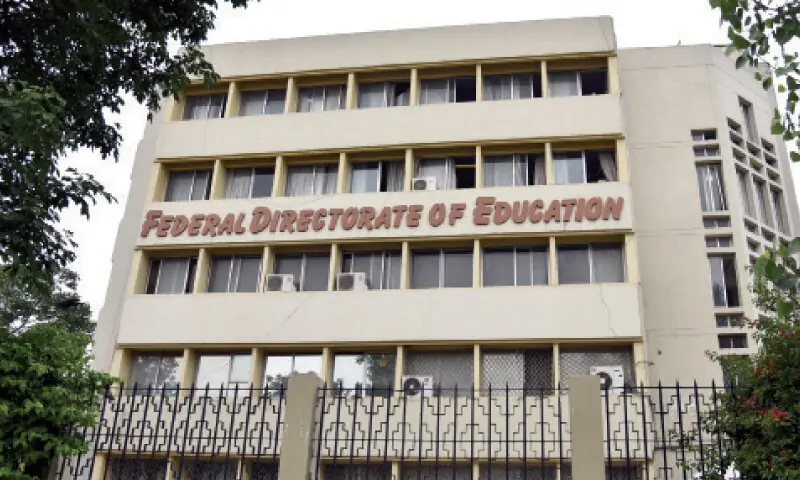
ISLAMABAD — A group of Pakistani students has departed for Moscow to participate in an advanced Russian language course under the Prime Minister’s Initiative. The program is a collaborative effort between the Federal Directorate of Education (FDE), the National Vocational and Technical Training Commission (NAVTTC), and the National University of Modern Languages (NUML). What Happened The initiative, aimed at enhancing linguistic capabilities among Pakistani students, saw a cohort of participants leave for Moscow to immerse themselves in an intensive Russian language training program. This opportunity is part of a broader educational strategy to equip students with foreign language skills that are increasingly valuable in global contexts. The departure marks a significant step in the ongoing collaboration between Pakistan and Russia in the field of education and cultural exchange. The program is structured to provide comprehensive language training, enabling students to gain proficiency in Russian, which is expected to open up new academic and professional avenues. According to officials, the course will cover various aspects of the Russian language, including grammar, vocabulary, and conversational skills, alongside cultural immersion activities to provide a holistic learning experience. Dr. Nasir Mehmood, Director General of FDE, emphasized the importance of such initiatives in fostering international cooperation and understanding. He stated, “This program not only enhances the linguistic skills of our students but also strengthens the educational ties between Pakistan and Russia.” Background The Prime Minister’s Initiative for foreign language learning was launched to address the growing need for multilingual proficiency in Pakistan. Recognizing the importance of language skills in the global job market, the initiative aims to provide students with opportunities to learn languages that are critical for international diplomacy and trade. The collaboration between FDE, NAVTTC, and NUML has been instrumental in implementing foreign language courses across various educational institutions in Pakistan. These courses are designed to meet international standards and are tailored to the specific needs of the Pakistani student population. Historically, Pakistan has maintained educational and cultural exchanges with Russia, with both countries benefiting from shared knowledge and expertise. This program is a continuation of such efforts, aimed at enhancing mutual understanding and cooperation. Why It Matters The departure of these students for Moscow is significant for several reasons. Economically, proficiency in Russian can open doors to trade and business opportunities with Russia, one of the world’s largest economies. As Pakistan seeks to diversify its trade partners, having a workforce skilled in Russian can facilitate smoother negotiations and partnerships. Socially, the initiative promotes cultural exchange, allowing Pakistani students to experience Russian culture firsthand. This exposure can lead to greater cultural understanding and reduce stereotypes, fostering a more inclusive global community. Politically, strengthening educational ties with Russia aligns with Pakistan’s foreign policy goals of maintaining balanced international relations. By investing in language education, Pakistan can enhance its diplomatic engagements with Russia, contributing to more robust bilateral relations. Furthermore, this program supports the broader educational goals of Pakistan by emphasizing the importance of language learning as a tool for personal and professional development. As globalization continues to influence job markets, multilingual individuals are increasingly in demand, and initiatives like this prepare Pakistani students to compete on a global stage. Key Takeaways Pakistani students have departed for Moscow for an advanced Russian language course under the Prime Minister’s Initiative. The program is a collaborative effort between FDE, NAVTTC, and NUML. The initiative aims to enhance linguistic capabilities and foster cultural exchange between Pakistan and Russia. Proficiency in Russian can open economic, social, and political opportunities for Pakistan. The program supports Pakistan’s educational goals by preparing students for a globalized job market. Source Attribution This article is based on official government statements, press releases, and public communications from relevant authorities. Author: NEN Editorial Desk | Editor: NEN Newsroom | Fact Checked By: NEN Editorial Team Author: NEN Editorial Desk  |  Editor: NEN Newsroom  |  Last Updated: July 25, 2026  |  Source: Press Release from Government of Pakistan This article was produced by the NEN Editorial Desk in accordance with NEN Agency’s Editorial Policy and Fact-Checking Policy.
World

Finance Minister Advocates Evidence-Based Drug Pricing for Public Benefit

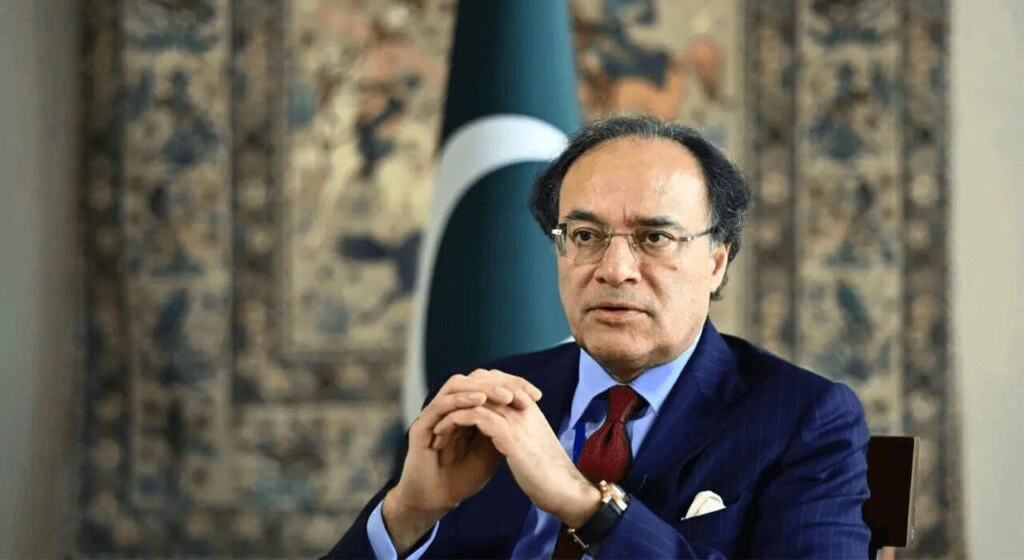
ISLAMABAD — Federal Minister for Finance and Revenue, Senator Muhammad Aurangzeb, emphasized the importance of transparent and evidence-based drug pricing during a meeting held on Friday. The minister highlighted the need for a consultative process to ensure affordable access to essential medicines while maintaining the sustainability of pharmaceutical supplies. What Happened During the 8th meeting of the Cabinet Committee on Drug Pricing, Finance Minister Muhammad Aurangzeb called for a systematic approach to drug pricing that prioritizes transparency and evidence-based decision-making. The meeting, held in Islamabad, was attended by key stakeholders from the pharmaceutical industry, healthcare professionals, and government officials. Minister Aurangzeb underscored the necessity of balancing the affordability of essential medicines with the economic viability of pharmaceutical companies. He stated, “Drug pricing decisions should be made through a consultative process that takes into account the needs of the public while ensuring that pharmaceutical supplies remain sustainable.” The minister’s remarks reflect a growing concern over the accessibility of medicines in Pakistan, where high drug prices often limit the availability of necessary treatments for the population. The committee discussed various strategies to achieve a fair pricing model, including the implementation of international best practices and the involvement of all relevant stakeholders in the decision-making process. The minister reiterated the government’s commitment to ensuring that drug pricing policies are aligned with public interest and are based on solid evidence. Background The issue of drug pricing has been a longstanding challenge in Pakistan, where the cost of medicines can be prohibitive for many citizens. Historically, drug prices in the country have been influenced by a range of factors, including import tariffs, manufacturing costs, and profit margins set by pharmaceutical companies. The lack of a clear regulatory framework has often led to inconsistencies in pricing, affecting the affordability and availability of essential drugs. In recent years, the government has taken steps to address these challenges by forming committees and task forces aimed at reviewing and reforming drug pricing policies. The Cabinet Committee on Drug Pricing, chaired by the Finance Minister, is one such initiative focused on creating a more transparent and equitable system for pricing medicines. Why It Matters The push for transparent and evidence-based drug pricing is significant for several reasons. Economically, it aims to reduce the financial burden on consumers, particularly those from low-income backgrounds who struggle to afford essential medicines. By ensuring that drug prices are fair and justified, the government can improve access to healthcare and enhance the overall well-being of its citizens. Socially, the initiative addresses a critical public health issue. High drug prices can lead to inadequate treatment and increased morbidity and mortality rates. By advocating for a pricing model that considers the needs of the population, the government is taking a step towards improving public health outcomes and reducing health disparities. Politically, the move reflects the government’s responsiveness to public concerns and its commitment to reforming healthcare policies. Transparent drug pricing can enhance public trust in governmental institutions and demonstrate accountability in policy-making processes. Internationally, adopting evidence-based practices aligns Pakistan with global standards, potentially attracting foreign investment in the pharmaceutical sector. This alignment can also facilitate international collaborations and partnerships, contributing to the development of a robust healthcare infrastructure in the country. Key Takeaways Finance Minister Muhammad Aurangzeb calls for transparent, evidence-based drug pricing in Pakistan. The initiative aims to balance affordable access to medicines with the sustainability of pharmaceutical supplies. The Cabinet Committee on Drug Pricing is working towards a consultative and fair pricing model. Transparent drug pricing is crucial for improving public health outcomes and reducing economic burdens on citizens. Aligning with international best practices can enhance Pakistan’s healthcare sector and attract foreign investment. Source Attribution This article is based on official government statements, press releases, and public communications from relevant authorities. Author: NEN Editorial Desk | Editor: NEN Newsroom | Fact Checked By: NEN Editorial Team Author: NEN Editorial Desk  |  Editor: NEN Newsroom  |  Last Updated: July 25, 2026  |  Source: NEN Reporter This article was produced by the NEN Editorial Desk in accordance with NEN Agency’s Editorial Policy and Fact-Checking Policy.
World

Chinese, Pakistani Institutions Strengthen Academic and Cultural Collaboration

LAHORE — The Chinese International Academy (LCIA) and the University of Management and Technology (UMT) have signed a memorandum of understanding (MoU) to enhance academic and cultural collaboration. This agreement, signed in Lahore, aims to foster deeper ties through academic exchanges, cultural activities, and institutional support, marking a significant step in strengthening China-Pakistan educational relations. What Happened The signing of the MoU between LCIA and UMT took place at a ceremony attended by representatives from both institutions. The agreement outlines a framework for collaboration that includes student and faculty exchanges, joint research projects, and cultural programs designed to promote mutual understanding and cooperation. According to officials, this partnership will not only benefit the institutions involved but also contribute to the broader educational landscape in both countries. LCIA, known for its focus on international education and cultural exchange, sees this partnership as an opportunity to expand its academic network and share its expertise in Chinese language and culture with Pakistani students. UMT, one of Pakistan’s leading private universities, aims to leverage this collaboration to enhance its academic offerings and provide students with greater exposure to international educational standards. “This MoU is a testament to our commitment to fostering educational and cultural ties with China,” said a representative from UMT. “We believe that this collaboration will open new avenues for our students and faculty, allowing them to engage with their counterparts in China and gain valuable insights into Chinese culture and education.” Background China and Pakistan have a long-standing relationship characterized by strong diplomatic, economic, and cultural ties. Educational collaboration has been a key component of this relationship, with numerous initiatives aimed at promoting academic exchanges and cultural understanding between the two countries. The China-Pakistan Economic Corridor (CPEC) has further strengthened these ties, providing a platform for increased cooperation in various sectors, including education. In recent years, both countries have emphasized the importance of educational exchanges as a means of deepening bilateral relations. Several Pakistani students have pursued higher education in China, benefiting from scholarships and exchange programs that offer exposure to Chinese academic and cultural environments. Similarly, Chinese students have shown interest in studying in Pakistan, particularly in fields related to Islamic studies and South Asian culture. Why It Matters The MoU between LCIA and UMT is significant in several ways. Firstly, it underscores the growing importance of educational collaboration in the broader context of China-Pakistan relations. By facilitating academic exchanges and cultural programs, the partnership contributes to a deeper understanding between the people of both countries, which is essential for sustaining long-term diplomatic and economic ties. Economically, this collaboration can lead to the development of a more skilled workforce in Pakistan, equipped with knowledge and expertise in areas critical to the country’s growth and development. By aligning educational programs with international standards, Pakistani institutions can enhance their competitiveness and attract more students, both domestically and internationally. Socially, the partnership promotes cultural exchange and understanding, which can help bridge cultural gaps and foster a more inclusive and harmonious society. As students and faculty from both countries engage in joint activities and exchanges, they gain insights into each other’s cultures, traditions, and values, contributing to a more interconnected and empathetic global community. Key Takeaways The MoU between LCIA and UMT aims to enhance academic and cultural collaboration through exchanges and joint programs. This partnership is part of a broader effort to strengthen China-Pakistan educational and cultural ties. Educational collaboration can contribute to economic development by creating a more skilled workforce. Cultural exchanges foster mutual understanding and help bridge cultural gaps between the two countries. The agreement aligns with the broader objectives of the China-Pakistan Economic Corridor (CPEC). Source Attribution This article is based on official government statements, press releases, and public communications from relevant authorities. Author: NEN Editorial Desk | Editor: NEN Newsroom | Fact Checked By: NEN Editorial Team Author: NEN Editorial Desk  |  Editor: NEN Newsroom  |  Last Updated: July 25, 2026  |  Source: NEN Reporter This article was produced by the NEN Editorial Desk in accordance with NEN Agency’s Editorial Policy and Fact-Checking Policy.
World

UN Cautions Against Escalation in US-Iran Conflict After Houthi Red Sea Attacks

NEW YORK — The United Nations issued a warning on Friday regarding the potential for broader escalation in the ongoing conflict between the United States and Iran, following recent Houthi attacks in the Red Sea. The UN highlighted the risks these developments pose to global shipping, particularly concerning the strategic Strait of Hormuz. What Happened The UN’s caution comes in the wake of intensified hostilities in the Middle East, where Houthi forces have reportedly launched attacks in the Red Sea region. The Houthis, a Yemeni rebel group, have been involved in the conflict in Yemen against a Saudi-led coalition, which has seen indirect involvement from both the US and Iran. The recent escalation has raised alarms about the security of international shipping lanes, especially in the Strait of Hormuz, through which a significant portion of the world’s oil supply is transported. During a press briefing, a UN spokesperson underscored the need for restraint from all parties involved to prevent further destabilization in the region. “The situation is precarious, and any further escalation could have serious implications not only for the region but for global trade and security,” the spokesperson stated. The Strait of Hormuz is a narrow passage connecting the Persian Gulf with the Arabian Sea and is one of the most critical chokepoints for oil transportation globally. Any disruption in this area could lead to significant increases in oil prices and impact global markets. Background The conflict between the US and Iran has a long and complex history, marked by decades of tension and intermittent confrontations. The US has imposed stringent sanctions on Iran, which have severely impacted its economy. In response, Iran has been accused of retaliatory actions, including attacks on oil tankers and infrastructure in the region. The Houthis, aligned with Iran, have been a significant player in the Yemeni conflict since 2014, when they seized control of the capital, Sana’a. The Saudi-led coalition, backed by the US, has been engaged in a military campaign against the Houthis to restore the internationally recognized Yemeni government. This conflict has resulted in a humanitarian crisis, with millions of Yemenis facing famine and displacement. Why It Matters The potential for an escalation in the US-Iran conflict carries significant implications for global stability. The Strait of Hormuz is a vital artery for the world’s energy supply, and any threat to its security could disrupt oil shipments, leading to increased energy prices worldwide. Such disruptions could exacerbate economic challenges, particularly for countries heavily reliant on oil imports. Moreover, the situation underscores the broader geopolitical tensions in the Middle East, where proxy wars and alliances complicate efforts for peace and stability. The involvement of international powers in regional conflicts often leads to a cycle of retaliation and escalation, making diplomatic resolutions more challenging. The UN’s warning serves as a reminder of the interconnected nature of global security and the importance of diplomatic engagement to prevent conflicts from spiraling out of control. The international community’s response to these developments will be crucial in determining the trajectory of the conflict and its impact on global peace and security. Key Takeaways The UN has warned against further escalation in the US-Iran conflict following Houthi attacks in the Red Sea. The Strait of Hormuz is a critical chokepoint for global oil transportation, and its security is vital for international trade. The US-Iran conflict has deep historical roots and involves complex geopolitical dynamics in the Middle East. Escalation could lead to disruptions in global oil supply, affecting energy prices and economic stability worldwide. Diplomatic efforts are essential to prevent further destabilization and to maintain global peace and security. Source Attribution This article is based on official statements from the United Nations and public communications from relevant authorities. Author: NEN Editorial Desk | Editor: NEN Newsroom | Fact Checked By: NEN Editorial Team Author: NEN Editorial Desk  |  Editor: NEN Newsroom  |  Last Updated: July 25, 2026  |  Source: NEN Reporter This article was produced by the NEN Editorial Desk in accordance with NEN Agency’s Editorial Policy and Fact-Checking Policy.
World

Commerce Minister Explores Strategies to Boost Hand-Knotted Carpet Exports

ISLAMABAD — Federal Minister for Commerce Jam Kamal Khan, alongside Director General (Textile) Mudassar Raza Siddiqi, convened a meeting with the Pakistan Carpet Manufacturers and Exporters Association (PCMEA) to discuss strategies for enhancing the export competitiveness of Pakistan’s hand-knotted carpet industry. The meeting, held on July 24, aimed to identify policy measures to bolster the industry’s presence in international markets. What Happened The meeting was attended by key stakeholders from the carpet industry, including the PCMEA delegation led by its Patron. During the discussions, Minister Jam Kamal Khan emphasized the importance of increasing the global footprint of Pakistan’s hand-knotted carpets, which are renowned for their intricate designs and craftsmanship. The minister highlighted the need for innovative marketing strategies and improved production techniques to meet international standards. Director General (Textile) Mudassar Raza Siddiqi outlined potential policy measures that could support the industry’s growth, such as providing financial incentives, facilitating access to international markets, and enhancing the skills of artisans through targeted training programs. The PCMEA representatives expressed optimism about the government’s commitment to addressing the challenges faced by the industry. Minister Khan noted, “Our hand-knotted carpets are a testament to Pakistan’s rich cultural heritage. By implementing effective policies, we can significantly increase our exports and contribute to the national economy.” The meeting concluded with a consensus on the need for a collaborative approach between the government and industry stakeholders to achieve the desired export targets. Background Pakistan’s hand-knotted carpet industry has a long-standing history, with its roots tracing back to the Mughal era. The industry has traditionally been a significant contributor to the country’s export earnings, providing employment to thousands of artisans across the nation. However, in recent years, the industry has faced challenges such as increased competition from other countries, changing consumer preferences, and a lack of modern production facilities. To address these issues, the government has been working on various initiatives to support the textile and carpet sectors. These include the introduction of export incentives, the establishment of training centers for artisans, and efforts to improve the quality and branding of Pakistani carpets in international markets. Why It Matters The hand-knotted carpet industry is a vital component of Pakistan’s economy, with significant potential for growth in exports. Enhancing the competitiveness of this sector can lead to increased foreign exchange earnings, job creation, and the preservation of traditional craftsmanship. By focusing on quality improvement and market expansion, Pakistan can position itself as a leading exporter of high-quality carpets. Economically, boosting carpet exports can help reduce the trade deficit and contribute to the country’s GDP. Socially, it can provide stable employment opportunities, particularly in rural areas where many artisans reside. Politically, strengthening this industry aligns with the government’s broader goals of economic diversification and sustainable development. Internationally, a robust hand-knotted carpet industry can enhance Pakistan’s reputation as a producer of premium quality goods, attracting more buyers and investors. By capitalizing on its unique cultural heritage, Pakistan can differentiate its products in a competitive global market. Key Takeaways Commerce Minister Jam Kamal Khan held a meeting with PCMEA to discuss export strategies for hand-knotted carpets. The focus is on enhancing competitiveness through policy measures and improved production techniques. The hand-knotted carpet industry is crucial for Pakistan’s economy, offering significant export potential. Efforts to boost exports can lead to economic growth, job creation, and preservation of cultural heritage. International market expansion can improve Pakistan’s global standing as a quality carpet producer. Source Attribution This article is based on official government statements, press releases, and public communications from relevant authorities. Author: NEN Editorial Desk | Editor: NEN Newsroom | Fact Checked By: NEN Editorial Team Author: NEN Editorial Desk  |  Editor: NEN Newsroom  |  Last Updated: July 25, 2026  |  Source: Press Release from Government of Pakistan This article was produced by the NEN Editorial Desk in accordance with NEN Agency’s Editorial Policy and Fact-Checking Policy.
World

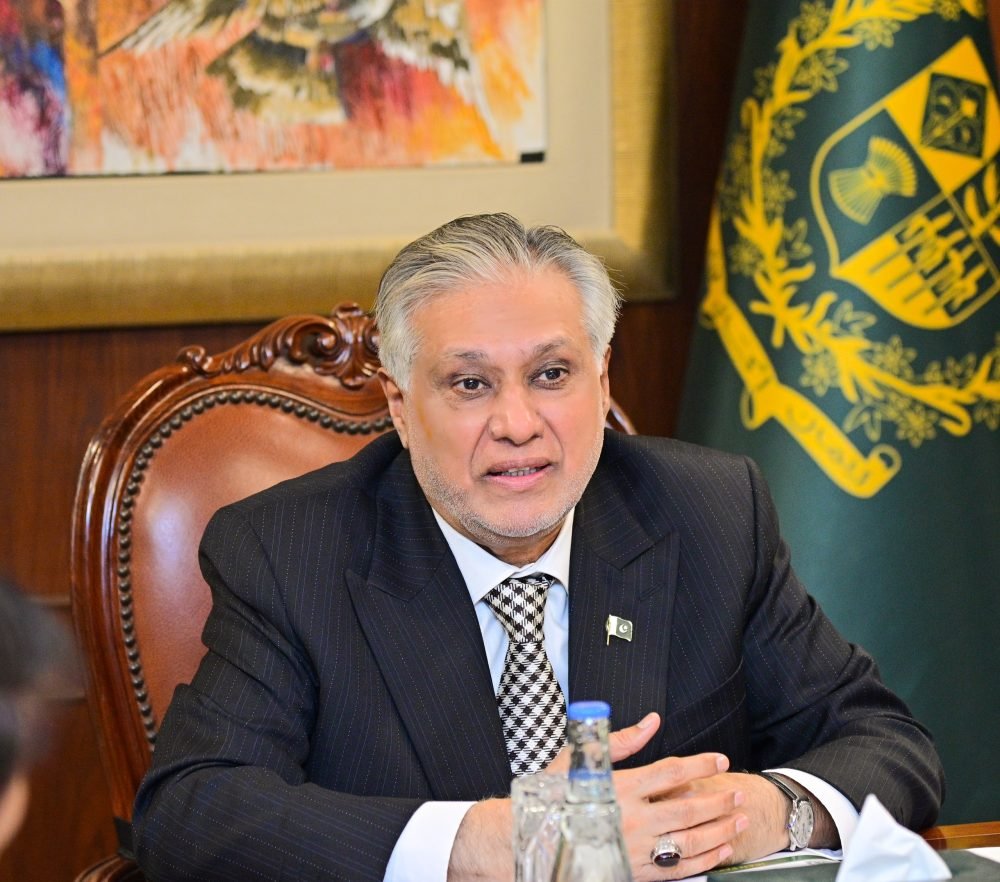
Pakistani And Kyrgyz Foreign Ministers Discuss Regional Cooperation

ISLAMABAD — Deputy Prime Minister and Foreign Minister Senator Mohammad Ishaq Dar met with Kyrgyz Foreign Minister Zheenbek Moldokanovich Kulubaev on Friday during the Shanghai Cooperation Organisation (SCO) Council of Foreign Ministers Meeting in Cholpon-Ata, Kyrgyzstan. The two leaders exchanged views on regional and international developments, emphasizing their commitment to collaborate in multilateral forums. What Happened During the meeting, Senator Mohammad Ishaq Dar and Foreign Minister Zheenbek Moldokanovich Kulubaev discussed various issues of mutual interest, focusing on enhancing bilateral relations between Pakistan and Kyrgyzstan. The discussions took place on the sidelines of the SCO Council of Foreign Ministers Meeting, which serves as a platform for member states to discuss issues of regional significance and promote cooperation. Both ministers underscored the importance of working together within the framework of the SCO to address regional challenges and promote peace and stability. They reaffirmed their resolve to strengthen ties through increased diplomatic engagement and collaboration in multilateral settings. The discussions also touched upon economic cooperation, trade, and investment opportunities between the two countries. Senator Dar highlighted Pakistan’s commitment to fostering regional connectivity and economic integration, emphasizing the potential for collaboration in sectors such as energy, infrastructure, and education. Foreign Minister Kulubaev expressed Kyrgyzstan’s interest in expanding economic ties with Pakistan and acknowledged the importance of joint efforts in addressing regional security issues. Background The SCO, established in 2001, is a Eurasian political, economic, and security alliance that includes China, India, Kazakhstan, Kyrgyzstan, Pakistan, Russia, Tajikistan, and Uzbekistan. The organization aims to promote regional cooperation, security, and economic development among its member states. Pakistan and Kyrgyzstan, both members of the SCO, have historically maintained cordial relations, with shared interests in regional stability and economic development. In recent years, Pakistan has sought to strengthen its ties with Central Asian countries, including Kyrgyzstan, to enhance regional connectivity and economic cooperation. The two countries have engaged in various diplomatic and economic initiatives, including trade agreements and cultural exchanges, to bolster their bilateral relationship. Why It Matters The meeting between the foreign ministers of Pakistan and Kyrgyzstan holds significant implications for regional cooperation and stability. By reaffirming their commitment to work together within the SCO framework, both countries demonstrate their willingness to address common challenges and pursue shared goals. This collaboration is crucial in the context of regional security dynamics, particularly in light of ongoing geopolitical tensions and economic uncertainties. For Pakistan, strengthening ties with Kyrgyzstan and other Central Asian nations aligns with its broader strategy to enhance regional connectivity and economic integration. By fostering closer economic and diplomatic relations, Pakistan aims to create new opportunities for trade and investment, which can contribute to its economic growth and development. Additionally, collaboration in multilateral forums like the SCO enables Pakistan to play a more active role in regional decision-making processes and enhance its diplomatic influence. For Kyrgyzstan, expanding its economic ties with Pakistan offers potential benefits in terms of increased trade and investment opportunities. As both countries seek to address regional security challenges, their cooperation can contribute to greater stability and peace in the region. This partnership also underscores the importance of multilateralism in addressing complex global issues and promoting sustainable development. Key Takeaways Pakistani and Kyrgyz foreign ministers discussed regional cooperation at the SCO meeting. The discussions focused on enhancing bilateral relations and economic ties. Both countries emphasized collaboration within the SCO framework. The meeting underscores the importance of regional connectivity and economic integration. Strengthening ties with Kyrgyzstan aligns with Pakistan’s broader regional strategy. Source Attribution This article is based on official government statements, press releases, and public communications from relevant authorities. Author: NEN Editorial Desk | Editor: NEN Newsroom | Fact Checked By: NEN Editorial Team Author: NEN Editorial Desk  |  Editor: NEN Newsroom  |  Last Updated: July 24, 2026  |  Source: Press Release from Government of Pakistan This article was produced by the NEN Editorial Desk in accordance with NEN Agency’s Editorial Policy and Fact-Checking Policy.
World

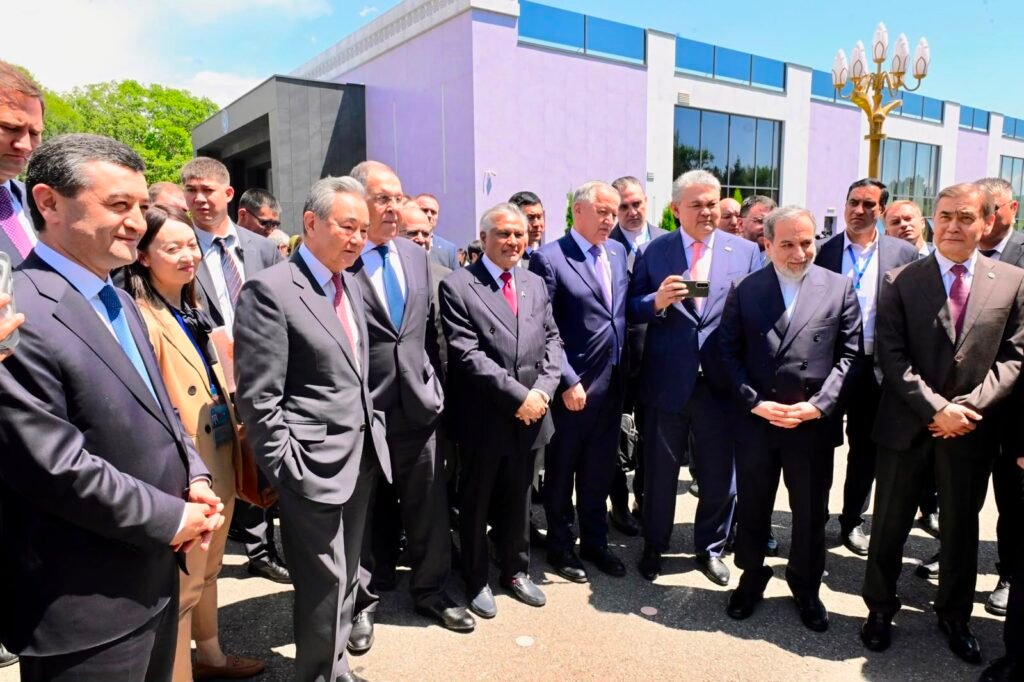
Ishaq Dar Joins SCO Delegation Heads in Kyrgyzstan Painting Ceremony

ISLAMABAD — Deputy Prime Minister and Foreign Minister Senator Mohammad Ishaq Dar, along with the Heads of Delegation from the Shanghai Cooperation Organization (SCO) Member States, participated in a Joint Painting Ceremony on Friday. The event took place on the sidelines of the SCO Council of Foreign Ministers Meeting in Cholpon-Ata, Kyrgyzstan. What Happened The Joint Painting Ceremony, held in Cholpon-Ata, Kyrgyzstan, was a symbolic event where leaders from the SCO member countries came together to contribute to a collaborative artwork. The ceremony featured the painting of tree branches, a metaphorical representation of unity and growth among the member states. The event was part of the broader agenda of the SCO Council of Foreign Ministers Meeting, which aims to foster cooperation and dialogue among the member nations. Deputy Prime Minister Ishaq Dar, representing Pakistan, joined his counterparts from other SCO countries in this artistic endeavor. The painting ceremony was not just an artistic expression but also a diplomatic gesture underscoring the importance of cultural exchange and mutual understanding within the SCO framework. The leaders used this opportunity to discuss various issues of mutual interest, emphasizing the need for enhanced collaboration in areas such as security, trade, and cultural exchange. The SCO, which includes major Asian powers such as China, Russia, and India, along with several Central Asian nations, serves as a platform for addressing regional challenges and promoting economic and security cooperation. The meeting in Kyrgyzstan is part of the ongoing efforts to strengthen ties and address common challenges faced by the member states. Background The Shanghai Cooperation Organization was founded in 2001 and has since grown to include eight member states, four observer states, and several dialogue partners. The organization focuses on regional security, economic cooperation, and cultural exchange. Over the years, the SCO has played a significant role in fostering dialogue and cooperation among its members, addressing issues such as terrorism, separatism, and extremism. Pakistan became a full member of the SCO in 2017, marking a significant step in its diplomatic relations with Central Asian countries and other member states. The country has since been actively participating in SCO activities, contributing to discussions on regional security, economic development, and cultural cooperation. Why It Matters The participation of Deputy Prime Minister Ishaq Dar in the Joint Painting Ceremony highlights Pakistan’s commitment to engaging with regional partners through the SCO. This engagement is crucial for Pakistan as it seeks to enhance its diplomatic and economic ties with neighboring countries and major powers in the region. The SCO provides a valuable platform for Pakistan to voice its concerns, share its perspectives, and collaborate on issues of mutual interest. Economically, the SCO represents a significant opportunity for Pakistan to expand its trade relations and attract investment from member countries. The organization’s emphasis on economic cooperation aligns with Pakistan’s goals of boosting its economy through increased trade and investment. Additionally, cultural exchanges, such as the painting ceremony, help build trust and understanding among the member states, fostering a sense of community and shared purpose. Politically, Pakistan’s active participation in the SCO enhances its standing in the international arena and reinforces its role as a key player in regional affairs. The organization serves as a counterbalance to other regional alliances, providing Pakistan with a platform to engage with both regional and global powers on an equal footing. Key Takeaways Deputy Prime Minister Ishaq Dar participated in a Joint Painting Ceremony in Kyrgyzstan with SCO leaders. The ceremony symbolized unity and growth among SCO member states through collaborative artwork. The SCO meeting in Kyrgyzstan focused on enhancing regional cooperation in security, trade, and culture. Pakistan’s involvement in the SCO underscores its commitment to regional diplomacy and economic collaboration. The SCO provides Pakistan with opportunities for economic growth and increased international engagement. Source Attribution This article is based on official government statements, press releases, and public communications from relevant authorities. Author: NEN Editorial Desk | Editor: NEN Newsroom | Fact Checked By: NEN Editorial Team Author: NEN Editorial Desk  |  Editor: NEN Newsroom  |  Last Updated: July 24, 2026  |  Source: NEN Reporter This article was produced by the NEN Editorial Desk in accordance with NEN Agency’s Editorial Policy and Fact-Checking Policy.
World

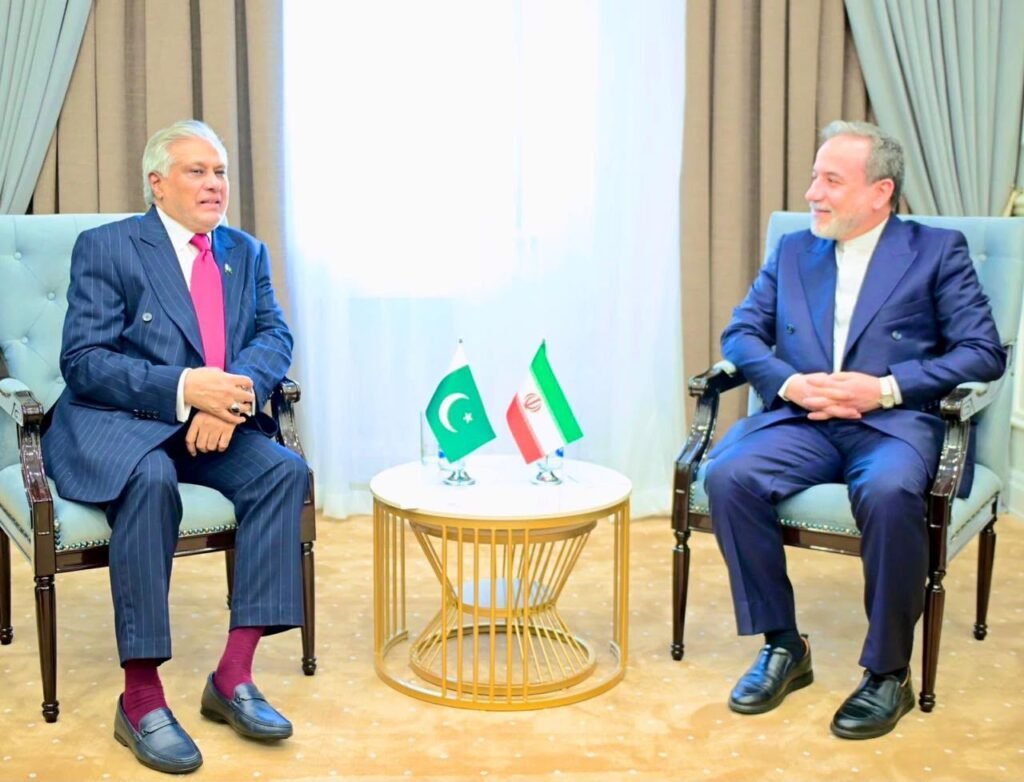
Pakistan And Iran Reaffirm Commitment To Regional Peace And Stability

ISLAMABAD — Deputy Prime Minister and Foreign Minister Senator Mohammad Ishaq Dar of Pakistan and Iranian Foreign Minister Seyyed Abbas Araghchi have reiterated their commitment to fostering regional peace and stability. The two leaders agreed to maintain close coordination and regular consultations on issues of mutual interest during a meeting held on Friday. What Happened In a significant diplomatic engagement, Deputy Prime Minister and Foreign Minister Senator Mohammad Ishaq Dar met with Iranian Foreign Minister Seyyed Abbas Araghchi in Islamabad. The meeting underscored the importance of bilateral relations between Pakistan and Iran, focusing on enhancing cooperation to address regional challenges. Both ministers expressed their determination to work collaboratively towards achieving peace, stability, and shared prosperity in the region. The discussion between the two officials emphasized the need for continued dialogue and coordination on various issues of mutual concern. “We are committed to maintaining regular consultations and working together for the betterment of our region,” stated Senator Dar. His Iranian counterpart, Araghchi, echoed similar sentiments, highlighting the historical ties and shared interests between the two nations. The meeting also touched upon various regional issues, including security concerns and economic cooperation. Both ministers recognized the potential for increased trade and economic collaboration, which could serve as a catalyst for regional development. The dialogue was part of a broader effort to strengthen diplomatic ties and enhance mutual understanding between Pakistan and Iran. Background Pakistan and Iran have a long history of diplomatic relations, marked by periods of both cooperation and tension. Historically, the two countries have shared cultural and religious ties, which have often facilitated dialogue and cooperation. However, geopolitical dynamics and regional conflicts have sometimes strained their relationship. In recent years, both nations have made concerted efforts to improve bilateral relations, focusing on areas such as trade, energy, and security. The Joint Economic Commission, established to enhance economic cooperation, has played a pivotal role in fostering trade relations. Additionally, both countries have been involved in regional initiatives aimed at promoting peace and stability, particularly in the context of Afghanistan and the broader Middle East. Why It Matters The reaffirmation of commitment to regional peace and stability by Pakistan and Iran holds significant implications for the broader geopolitical landscape. Both countries are strategically located and play crucial roles in regional politics. Their cooperation is vital for addressing shared challenges such as terrorism, drug trafficking, and economic instability. Economically, enhanced cooperation between Pakistan and Iran could lead to increased trade and investment opportunities, benefiting both nations. Iran’s vast energy resources and Pakistan’s growing market present opportunities for mutually beneficial economic partnerships. Such collaboration could also contribute to regional economic integration, fostering development and prosperity. Politically, the strengthened ties between the two countries could serve as a stabilizing factor in a region often characterized by conflict and tension. By working together, Pakistan and Iran can contribute to regional peace efforts, particularly in Afghanistan, where both have vested interests in ensuring stability and preventing the resurgence of extremist groups. On an international level, the collaboration between Pakistan and Iran could influence broader regional dynamics, potentially leading to more cohesive and coordinated approaches to addressing global challenges. Their partnership could also serve as a model for other countries in the region, demonstrating the benefits of dialogue and cooperation over confrontation. Key Takeaways Pakistan and Iran have reaffirmed their commitment to regional peace and stability through enhanced diplomatic engagement. The meeting between Deputy Prime Minister Ishaq Dar and Iranian Foreign Minister Seyyed Abbas Araghchi focused on mutual interests and regional challenges. Both countries aim to strengthen economic cooperation, with potential benefits for regional development and prosperity. The collaboration between Pakistan and Iran could contribute to stabilizing regional politics and addressing shared security concerns. Enhanced bilateral relations may influence broader regional and international dynamics, promoting dialogue and cooperation. Source Attribution This article is based on official government statements, press releases, and public communications from relevant authorities. Author: NEN Editorial Desk | Editor: NEN Newsroom | Fact Checked By: NEN Editorial Team Author: NEN Editorial Desk  |  Editor: NEN Newsroom  |  Last Updated: July 24, 2026  |  Source: Press Release from Government of Pakistan This article was produced by the NEN Editorial Desk in accordance with NEN Agency’s Editorial Policy and Fact-Checking Policy.

World

NBP Releases Updated Currency Exchange Rates for Major Currencies

KARACHI — The National Bank of Pakistan (NBP) announced the latest currency exchange rates for major international currencies on Thursday, providing updated figures for both buying and selling transactions. What Happened The National Bank of Pakistan has released the current exchange rates for major currencies, reflecting the ongoing fluctuations in the global currency markets. As of Thursday, the selling rate for the US Dollar (USD) stands at 279.69 PKR, while the buying rate is 276.69 PKR. The British Pound (GBP) is being sold at 374.50 PKR and bought at 370.07 PKR. Meanwhile, the Euro (EUR) is priced at 319.69 PKR for selling and 315.91 PKR for buying. In addition to these, the Japanese Yen (JPY) has a selling rate of 1.7154 PKR and a buying rate of 1.6953 PKR. The Saudi Riyal (SAR) is available at a selling rate of 74.52 PKR and a buying rate of 73.64 PKR. Lastly, the United Arab Emirates Dirham (AED) is being sold at 76.15 PKR and bought at 75.26 PKR. The release of these rates is a routine procedure by the NBP, aimed at informing businesses, investors, and the general public about the current foreign exchange landscape. This information is crucial for those engaged in international trade and finance, as it directly affects the cost of imports and exports, as well as foreign investments. Background The National Bank of Pakistan, established in 1949, is a leading financial institution in the country, playing a pivotal role in the economic development of Pakistan. It regularly updates currency exchange rates to reflect market conditions and ensure transparency in financial transactions. The NBP’s exchange rates are a benchmark for other financial institutions and businesses involved in currency trading. Currency exchange rates are influenced by various factors, including economic indicators, geopolitical events, and market speculation. The NBP, like other central banks, monitors these factors closely to provide accurate and timely information. Why It Matters The release of updated currency exchange rates by the National Bank of Pakistan is significant for several reasons. Firstly, it provides a reliable reference for businesses and individuals engaged in foreign exchange transactions. Accurate exchange rates are essential for budgeting, financial planning, and managing foreign currency risks. Economically, the exchange rates impact the cost of imports and exports. A stronger Pakistani Rupee makes imports cheaper, benefiting consumers and businesses that rely on foreign goods. Conversely, a weaker Rupee can make exports more competitive by lowering their cost in foreign markets, potentially boosting Pakistan’s trade balance. On a broader scale, exchange rates influence inflation and monetary policy. Changes in currency values can affect the price of goods and services, impacting the cost of living and economic stability. The State Bank of Pakistan, alongside the NBP, uses exchange rate data to inform monetary policy decisions, aiming to maintain economic stability and growth. Additionally, the exchange rates have implications for foreign investors and remittances. A stable and predictable currency environment attracts foreign investment, contributing to economic development. For the millions of Pakistanis working abroad, favorable exchange rates can increase the value of remittances sent back home, supporting families and the domestic economy. Key Takeaways The NBP has updated the exchange rates for major currencies, including USD, GBP, and EUR. These rates are crucial for businesses and individuals involved in international trade and finance. Exchange rates impact the cost of imports, exports, and foreign investments. The NBP’s rates serve as a benchmark for other financial institutions in Pakistan. Stable exchange rates are essential for economic planning and monetary policy. Source Attribution This article is based on official government statements, press releases, and public communications from relevant authorities. Author: NEN Editorial Desk | Editor: NEN Newsroom | Fact Checked By: NEN Editorial Team Author: NEN Editorial Desk  |  Editor: NEN Newsroom  |  Last Updated: July 24, 2026  |  Source: NEN Reporter This article was produced by the NEN Editorial Desk in accordance with NEN Agency’s Editorial Policy and Fact-Checking Policy.

World

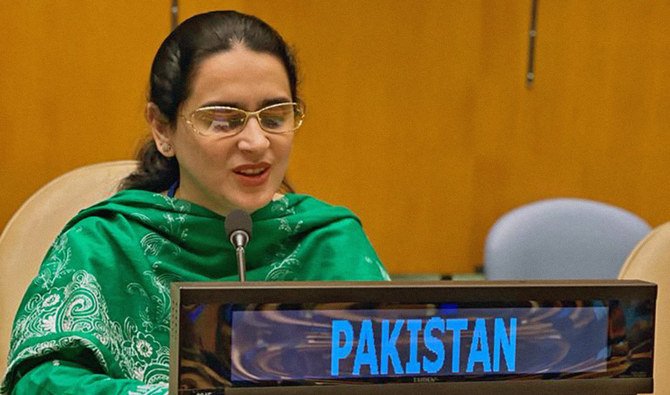
Pakistan Urges UN-Led Resolution on Kashmir at Security Council

NEW YORK — Pakistan has firmly dismissed accusations made by India at the United Nations Security Council (UNSC), urging instead for a UN-led resolution to the longstanding Kashmir dispute. The call was made during a recent session, where Pakistan’s representative emphasized the need for diplomatic engagement as outlined in Security Council Resolution 2788. What Happened During a session at the UNSC, a Pakistani diplomat rejected what were described as India’s “false” allegations regarding Pakistan’s actions in the region. The diplomat called on India to adhere to its international obligations and engage in meaningful dialogue to resolve the Kashmir issue. The representative highlighted the importance of implementing Security Council Resolution 2788, which advocates for the use of the UN Charter’s diplomatic tools to address conflicts. Pakistan’s stance at the UNSC underscores its commitment to seeking a peaceful resolution to the Kashmir conflict, which has been a point of contention between India and Pakistan for decades. The diplomat reiterated Pakistan’s position that the involvement of the international community, particularly the UN, is crucial for achieving lasting peace in South Asia. “We urge India to fulfill its international commitments and engage in dialogue under the auspices of the United Nations,” the Pakistani representative stated. The call for a UN-led settlement reflects Pakistan’s ongoing efforts to internationalize the Kashmir issue and seek a resolution through diplomatic means. Background The Kashmir conflict dates back to the partition of British India in 1947, which led to the creation of India and Pakistan. Both countries claim the region in full but control only parts of it. The conflict has resulted in several wars and ongoing tensions between the two nuclear-armed neighbors. Security Council Resolution 2788, referenced by the Pakistani diplomat, is part of a series of resolutions aimed at promoting peace and security in conflict regions. The resolution calls for the use of diplomatic tools and dialogue to resolve disputes, aligning with Pakistan’s advocacy for a peaceful settlement of the Kashmir issue. Historically, the UN has been involved in the Kashmir dispute, with several resolutions passed since the conflict began. However, a lasting resolution has remained elusive, with both India and Pakistan maintaining firm stances on their territorial claims. Why It Matters The Kashmir conflict remains one of the most significant sources of tension in South Asia, with implications for regional stability and international security. The involvement of the UN in mediating a resolution could potentially ease tensions and foster peace between India and Pakistan. For Pakistan, a UN-led resolution would not only address its concerns over human rights violations in the region but also bolster its position on the international stage. The call for UN involvement aligns with Pakistan’s broader foreign policy objectives of seeking international support for its stance on Kashmir. Economically, the resolution of the Kashmir conflict could lead to increased stability in the region, paving the way for economic cooperation and development. This could benefit both countries and the broader South Asian region, which has significant economic potential. Politically, resolving the Kashmir issue could lead to improved bilateral relations between India and Pakistan, potentially opening avenues for collaboration on other regional issues, such as trade and security. The international community, particularly countries with strategic interests in South Asia, would also benefit from reduced tensions in the region. Key Takeaways Pakistan has rejected India’s accusations at the UNSC and called for a UN-led resolution on Kashmir. The Pakistani diplomat emphasized the need for implementing Security Council Resolution 2788. The Kashmir conflict remains a major source of tension between India and Pakistan, with historical roots dating back to 1947. A UN-mediated resolution could enhance regional stability and foster economic development in South Asia. Resolving the Kashmir issue could improve bilateral relations and open avenues for cooperation between India and Pakistan. Source Attribution This article is based on official government statements, press releases, and public communications from relevant authorities. Author: NEN Editorial Desk | Editor: NEN Newsroom | Fact Checked By: NEN Editorial Team Author: NEN Editorial Desk  |  Editor: NEN Newsroom  |  Last Updated: July 24, 2026  |  Source: NEN Reporter This article was produced by the NEN Editorial Desk in accordance with NEN Agency’s Editorial Policy and Fact-Checking Policy.

Scroll to Top