
World

Welcome to the World section of NEN Agency, your window to the stories shaping our planet. From global politics and economic shifts to science breakthroughs, cultural moments, and humanitarian crises, we connect you to events that matter — wherever they happen.

Inside This Category

  • Global Politics & Diplomacy: International relations, summits, and policy shifts.

  • World Economy & Trade: Market trends, trade agreements, and financial developments.

  • Conflicts & Security: Coverage of wars, peace efforts, and security challenges.

  • Science & Environment: Climate change, technological advances, and space exploration.

  • Culture & Society: Arts, sports, and lifestyle stories from around the globe.

Why Our World Coverage Stands Out
We deliver global news with context, helping readers see how events beyond borders influence life in Pakistan and the wider region.

World

National Bank Of Pakistan Releases Latest Currency Exchange Rates

KARACHI — The National Bank of Pakistan (NBP) announced the latest exchange rates for major currencies on Tuesday, reflecting the ongoing fluctuations in the foreign exchange market. These rates are crucial for businesses, travelers, and financial analysts who monitor currency trends closely. What Happened On June 23, the National Bank of Pakistan released the buying and selling rates for several major international currencies. According to the NBP, the US dollar is being sold at PKR 279.99 and bought at PKR 276.99. The British pound stands at a selling rate of PKR 370.84 and a buying rate of PKR 366.47. For the euro, the selling rate is PKR 319.97, with a buying rate of PKR 316.22. The Japanese yen, often used in trade and investment, is being sold at PKR 1.7330 and bought at PKR 1.7127. Meanwhile, the United Arab Emirates dirham is priced at PKR 74.58 for selling and PKR 73.70 for buying, and the Saudi riyal is listed at PKR 76.24 for selling and PKR 75.33 for buying. The release of these rates is part of the NBP’s regular updates, which are essential for maintaining transparency and providing guidance to stakeholders involved in foreign exchange transactions. These rates are indicative of the current state of the market and are subject to change based on global economic conditions and domestic fiscal policies. Background The National Bank of Pakistan, established in 1949, plays a pivotal role in the country’s financial system. It is one of the largest commercial banks in Pakistan, providing a wide range of financial services, including currency exchange. The bank regularly updates currency rates to reflect market conditions, ensuring that businesses and individuals can make informed decisions regarding international trade and travel. Historically, Pakistan’s currency exchange rates have been influenced by various factors, including economic policies, inflation rates, and geopolitical developments. The State Bank of Pakistan, the country’s central bank, oversees monetary policy and works closely with commercial banks like the NBP to stabilize the currency and manage foreign exchange reserves. Why It Matters The exchange rates released by the National Bank of Pakistan are significant for several reasons. Firstly, they impact the cost of imports and exports, influencing the trade balance and overall economic health. A stronger Pakistani rupee makes imports cheaper but can make exports less competitive, while a weaker rupee has the opposite effect. For individuals, these rates affect the cost of foreign travel and remittances. Pakistanis traveling abroad or sending money to family members overseas must consider these rates to manage their expenses effectively. Additionally, businesses involved in international trade rely on accurate and timely exchange rate information to price their goods and services competitively. On a broader scale, currency exchange rates are a reflection of the country’s economic stability and investor confidence. Fluctuations in these rates can signal changes in economic conditions, prompting policymakers to adjust fiscal and monetary strategies accordingly. For example, a persistent decline in the rupee’s value might lead to interventions by the State Bank to stabilize the currency. Key Takeaways The National Bank of Pakistan released updated exchange rates for major currencies, including the US dollar, British pound, and euro. These rates are crucial for businesses, travelers, and financial analysts monitoring currency trends. Exchange rates impact the cost of imports and exports, affecting Pakistan’s trade balance. Individuals and businesses rely on accurate currency rates for travel, remittances, and international trade. Fluctuations in exchange rates can indicate changes in economic stability and investor confidence. Source Attribution The information regarding the currency exchange rates was sourced from the Associated Press of Pakistan (APP), which reported the latest figures provided by the National Bank of Pakistan. The data reflects the current market conditions and is subject to change based on various economic factors. Author: NEN Editorial Desk | Editor: NEN Newsroom | Fact Checked By: NEN Editorial Team Author: NEN Editorial Desk  |  Editor: NEN Newsroom  |  Last Updated: June 23, 2026  |  Source: APP This article was produced by the NEN Editorial Desk in accordance with NEN Agency’s Editorial Policy and Fact-Checking Policy.
World

Gold Mine Collapse Claims Life of Worker in Khushhal Garh

KOHAT — A tragic incident unfolded on Tuesday as a gold mine collapsed in the Khushhal Garh Raissie area, resulting in the death of a worker, according to official sources. The deceased, identified as a resident of Parshai, was trapped beneath the debris, prompting a swift response from Rescue 1122 teams. What Happened The collapse occurred in the early hours of Tuesday, catching workers off guard as they were engaged in their routine mining activities. The mine, located in the mineral-rich region of Khushhal Garh, has been a site of ongoing extraction efforts. The sudden collapse led to an immediate call for emergency services, with Rescue 1122 teams arriving promptly to secure the site and begin recovery operations. According to eyewitness accounts, the collapse was sudden, leaving little time for the workers to react. Rescue teams worked diligently to recover the body of the deceased worker, which was subsequently handed over to his family. The incident has raised serious concerns about the safety protocols in place at the mining site. In the aftermath, local authorities have initiated a thorough review of the safety measures currently employed at the mine. Officials have emphasized the need for stringent adherence to safety standards to prevent such tragedies in the future. The review aims to identify any lapses in safety procedures and implement necessary improvements. Background The Khushhal Garh area is known for its mineral deposits, including gold, which have attracted mining operations over the years. However, the region has also been prone to mining-related accidents, often attributed to inadequate safety measures and oversight. Historically, mining in Pakistan has faced challenges related to safety standards, with several incidents reported in various mining regions. In recent years, the government has attempted to improve mining safety through regulatory reforms and increased inspections. Despite these efforts, incidents like the one in Khushhal Garh highlight ongoing challenges in ensuring worker safety in the mining sector. Why It Matters The collapse of the gold mine in Khushhal Garh underscores the persistent safety issues plaguing Pakistan’s mining industry. The loss of life in such incidents not only affects the immediate families of the victims but also highlights systemic problems that require urgent attention. Economically, these incidents can disrupt mining operations, affecting local economies dependent on mineral extraction. Socially, the incident raises questions about the working conditions faced by miners, who often operate in hazardous environments with limited safety nets. The tragedy in Khushhal Garh serves as a grim reminder of the human cost associated with inadequate safety measures in the mining industry. Politically, the incident could prompt calls for more stringent enforcement of safety regulations and greater accountability from mining companies. Ensuring the safety of workers in hazardous industries is a critical aspect of governance, and failure to address these issues could lead to public outcry and demands for policy changes. Key Takeaways A worker was killed in a gold mine collapse in Khushhal Garh, Kohat. Rescue 1122 teams responded quickly to the incident, recovering the worker’s body. Authorities are reviewing safety procedures to prevent future incidents. The incident highlights ongoing safety challenges in Pakistan’s mining sector. There may be increased calls for stricter safety regulations and enforcement. Source Attribution The information in this article is based on reports from the Associated Press of Pakistan (APP). The source material provided details of the incident and the subsequent response by rescue teams and local authorities. Limitations include a lack of detailed information on the specific causes of the collapse and the current status of safety regulations at the site. Author: NEN Editorial Desk | Editor: NEN Newsroom | Fact Checked By: NEN Editorial Team Author: NEN Editorial Desk  |  Editor: NEN Newsroom  |  Last Updated: June 23, 2026  |  Source: APP This article was produced by the NEN Editorial Desk in accordance with NEN Agency’s Editorial Policy and Fact-Checking Policy.
World

Governor Kundi Meets Shaheen Afridi to Boost Sports in Khyber Pakhtunkhwa

ISLAMABAD — Governor Khyber Pakhtunkhwa Faisal Karim Kundi met with Pakistan’s celebrated fast bowler Shaheen Shah Afridi on Monday to discuss initiatives aimed at promoting sports and nurturing young talent in the province. The meeting, held in Islamabad, also included Sohail Kundi, the Chief Executive Officer of the Khyber Pakhtunkhwa Champion League. What Happened The meeting between Governor Faisal Karim Kundi and Shaheen Shah Afridi focused on strategic measures to enhance the sports infrastructure in Khyber Pakhtunkhwa (KP). Afridi, who has risen to international acclaim for his cricketing prowess, emphasized the importance of providing young athletes with adequate facilities and opportunities to hone their skills. Governor Kundi expressed his commitment to fostering a supportive environment for sports development in the region. During the discussions, the potential role of the Khyber Pakhtunkhwa Champion League in identifying and promoting emerging talent was highlighted. Sohail Kundi, the league’s CEO, outlined plans for upcoming tournaments and initiatives that aim to engage youth across the province. The league is seen as a crucial platform for young athletes to showcase their abilities and gain exposure to professional sports. Governor Kundi remarked, “Our goal is to create a robust sports culture in Khyber Pakhtunkhwa that not only promotes physical fitness but also opens up career opportunities for our youth.” Shaheen Afridi echoed these sentiments, stating, “Investing in sports at the grassroots level is essential for developing future champions and bringing pride to our nation.” Background Khyber Pakhtunkhwa has a rich history of producing talented athletes who have excelled in various sports, particularly cricket. The province has been home to several renowned cricketers who have represented Pakistan on the international stage. However, despite this legacy, the region has faced challenges in terms of infrastructure and resources dedicated to sports development. The Khyber Pakhtunkhwa Champion League was established to address these challenges by providing a structured platform for young athletes to compete and improve. The league aims to bridge the gap between amateur and professional sports by offering training, mentorship, and competitive opportunities. Why It Matters The meeting between Governor Kundi and Shaheen Afridi is significant as it underscores the provincial government’s commitment to leveraging sports as a tool for social and economic development. By investing in sports infrastructure and programs, the government aims to create pathways for youth engagement and empowerment. Economically, enhancing sports facilities can lead to job creation and stimulate local economies through increased tourism and hosting of events. Socially, sports serve as a unifying force, promoting community cohesion and providing a positive outlet for youth. The emphasis on sports development in Khyber Pakhtunkhwa aligns with broader national goals of improving health and wellness among the population. Internationally, the success of athletes like Shaheen Afridi has put Pakistan on the global sports map, inspiring young talent across the country. By nurturing future athletes, Pakistan can continue to enhance its reputation in international sports arenas. Key Takeaways Governor Kundi and Shaheen Afridi discussed strategies to promote sports in Khyber Pakhtunkhwa. The Khyber Pakhtunkhwa Champion League is central to identifying and nurturing young talent. Investments in sports can drive economic growth and social cohesion in the region. Enhancing sports infrastructure aligns with national health and wellness goals. Shaheen Afridi’s involvement underscores the importance of role models in sports development. Source Attribution The information in this article is based on a report by the Associated Press of Pakistan (APP). The source provided details of the meeting and the discussions held regarding sports promotion in Khyber Pakhtunkhwa. While the report offers a comprehensive overview, it does not include specific timelines for the implementation of discussed initiatives. Author: NEN Editorial Desk | Editor: NEN Newsroom | Fact Checked By: NEN Editorial Team Author: NEN Editorial Desk  |  Editor: NEN Newsroom  |  Last Updated: June 23, 2026  |  Source: APP This article was produced by the NEN Editorial Desk in accordance with NEN Agency’s Editorial Policy and Fact-Checking Policy.
World

FBR Chairman And Finance Secretary Honor Budget Team With Luncheon

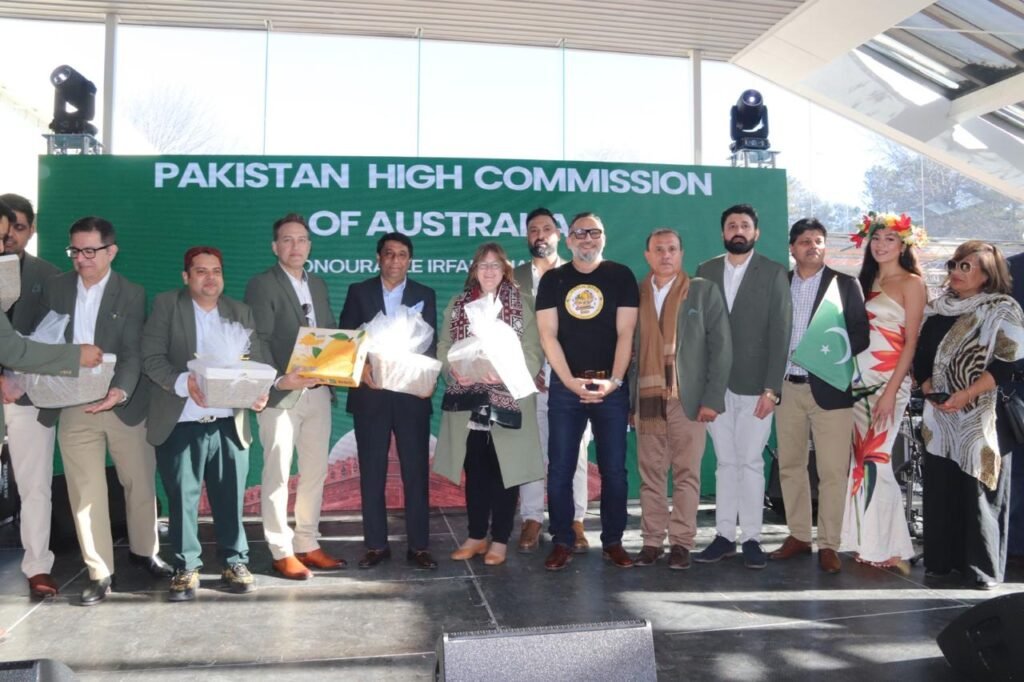
ISLAMABAD — Chairman of the Federal Board of Revenue (FBR), Rashid Mahmood Langrial, and Secretary Finance, Imdad Ullah Bosal, hosted a luncheon on June 22 to honor the core team responsible for the preparation of Pakistan’s Federal Budget for the fiscal year 2026-27. The event was attended by FBR Board Members and senior officials from both the Ministry of Finance and the FBR. What Happened The luncheon, held in Islamabad, was an expression of gratitude towards the individuals who played a pivotal role in crafting the Federal Budget 2026-27. Chairman Rashid Mahmood Langrial and Secretary Imdad Ullah Bosal took this opportunity to acknowledge the hard work and dedication of the budget team, which included key personnel from the Ministry of Finance and the FBR. According to a release issued by the Associated Press of Pakistan, the event was attended by senior officials who contributed to the budget’s development, which is a cornerstone of Pakistan’s economic strategy for the upcoming fiscal year. The Federal Budget 2026-27 outlines the government’s financial plan, including revenue collection targets, expenditure allocations, and fiscal policies aimed at economic stabilization and growth. During the luncheon, Chairman Langrial and Secretary Bosal emphasized the importance of teamwork and collaboration in achieving the budgetary goals. They expressed appreciation for the team’s efforts in navigating the complexities of budget preparation, particularly in light of the challenging economic environment. Background The preparation of the Federal Budget is a critical annual task undertaken by the Ministry of Finance and the FBR. It involves extensive analysis of economic indicators, revenue forecasts, and expenditure needs. The budget is a reflection of the government’s priorities and is instrumental in setting the economic direction for the country. Historically, budget preparation in Pakistan involves consultations with various stakeholders, including government departments, industry representatives, and economic experts. The process is guided by the need to balance fiscal discipline with developmental goals, ensuring that resources are allocated efficiently to support economic growth and social welfare. Why It Matters The Federal Budget 2026-27 is significant as it sets the fiscal framework for the government’s economic policies. It affects every aspect of the economy, from taxation and public spending to investment and social programs. The budget’s implications are far-reaching, impacting businesses, consumers, and the overall economic climate. The luncheon hosted by Chairman Langrial and Secretary Bosal underscores the importance of recognizing the efforts of those involved in this crucial process. By honoring the budget team, the leadership of the FBR and the Ministry of Finance highlights the collaborative effort required to address Pakistan’s economic challenges. Economically, the budget aims to address key issues such as inflation, unemployment, and fiscal deficit. It is designed to stimulate growth while ensuring fiscal responsibility. Socially, the budget seeks to enhance public welfare through increased allocations for health, education, and social protection programs. On an international level, the budget’s success is vital for maintaining investor confidence and securing international financial support. It reflects Pakistan’s commitment to economic reform and stability, which is crucial for attracting foreign investment and fostering economic partnerships. Key Takeaways Chairman FBR and Secretary Finance hosted a luncheon to honor the Federal Budget 2026-27 team. The event highlighted the collaborative effort required in budget preparation. The Federal Budget 2026-27 is crucial for Pakistan’s economic strategy and fiscal policy. The budget impacts economic growth, social welfare, and international investor confidence. Recognition of the budget team emphasizes the importance of teamwork in achieving national economic goals. Source Attribution The information for this article was sourced from the Associated Press of Pakistan (APP). The source material provided details about the luncheon event and the individuals involved but did not include specific budgetary figures or detailed economic analysis. Author: NEN Editorial Desk | Editor: NEN Newsroom | Fact Checked By: NEN Editorial Team Author: NEN Editorial Desk  |  Editor: NEN Newsroom  |  Last Updated: June 22, 2026  |  Source: Associated Press of Pakistan (APP) This article was produced by the NEN Editorial Desk in accordance with NEN Agency’s Editorial Policy and Fact-Checking Policy.
World

Alpine Club Launches Second Women-Only Khosar Gang Expedition

ISLAMABAD — The Alpine Club of Pakistan (ACP) has announced the launch of its second women-only mountaineering expedition, targeting the ascent of Khosar Gang, a 6,040-meter peak situated in the picturesque Shigar Valley of Baltistan in the Karakoram Range. This initiative, announced on June 22, 2023, is part of ACP’s ongoing efforts to enhance women’s participation in the field of mountaineering and adventure sports. What Happened The ACP has unveiled plans for its second exclusive expedition for women climbers, which aims to conquer the Khosar Gang peak. This endeavor follows the success of a previous expedition, underscoring the club’s commitment to empowering women through challenging and adventurous pursuits. The expedition is scheduled to take place later this year, with a team of skilled female mountaineers who have undergone rigorous training and preparation. ACP President, Abu Zafar Sadiq, highlighted the significance of such initiatives in promoting gender equality in sports. “This expedition is not just about climbing a mountain; it’s about breaking barriers and setting new benchmarks for women in Pakistan,” he stated. The expedition will also focus on promoting environmental awareness and sustainable mountaineering practices among the participants. The Khosar Gang peak, located in the Karakoram Range, presents a formidable challenge even for seasoned climbers. The team will face harsh weather conditions, treacherous terrains, and the physical demands of high-altitude climbing. Despite these challenges, the expedition is expected to inspire more women to take up mountaineering and adventure sports. Background Mountaineering has traditionally been a male-dominated field in Pakistan, with few opportunities for women to participate in such activities. The ACP has been at the forefront of efforts to change this narrative by organizing women-only expeditions and training programs. The first women-only expedition to Khosar Gang was launched in 2021, marking a significant milestone in promoting female participation in the sport. The ACP, established in 1974, is the national mountaineering and climbing body in Pakistan. It has been instrumental in promoting mountaineering as a sport and a means of fostering national pride. The club organizes various expeditions, training camps, and awareness programs to encourage participation from diverse segments of society. Why It Matters The launch of the second women-only expedition to Khosar Gang is a critical step in promoting gender equality in sports within Pakistan. By providing women with opportunities to engage in mountaineering, the ACP is challenging societal norms and encouraging more women to pursue their interests in adventure sports. This initiative not only empowers women but also serves as a catalyst for broader social change. Economically, the promotion of adventure tourism, including mountaineering, has the potential to boost local economies in regions like Baltistan. Increased participation in such activities can lead to greater demand for local guides, equipment, and hospitality services, thereby creating job opportunities and contributing to the region’s development. On an international level, successful women-only expeditions can enhance Pakistan’s image as a progressive nation that supports gender equality and women’s empowerment. It can also attract international attention and tourists interested in adventure sports, further boosting the country’s tourism sector. Key Takeaways The Alpine Club of Pakistan has announced its second women-only expedition to Khosar Gang. The initiative aims to promote women’s participation in mountaineering and adventure sports. The expedition will take place in the Shigar Valley of Baltistan, part of the Karakoram Range. ACP’s efforts are significant for promoting gender equality and empowering women in Pakistan. Successful expeditions can boost local economies and enhance Pakistan’s international image. Source Attribution The information in this article is based on a report from the Associated Press of Pakistan (APP). The report provides details on the announcement and objectives of the Alpine Club of Pakistan regarding the women-only expedition. While the source is reliable, the article does not include specific dates for the expedition or detailed participant information. Author: NEN Editorial Desk | Editor: NEN Newsroom | Fact Checked By: NEN Editorial Team Author: NEN Editorial Desk  |  Editor: NEN Newsroom  |  Last Updated: June 22, 2026  |  Source: APP This article was produced by the NEN Editorial Desk in accordance with NEN Agency’s Editorial Policy and Fact-Checking Policy.

World

SECP Approves Digital Lending for Women-Led MSMEs in Pakistan

ISLAMABAD — The Securities and Exchange Commission of Pakistan (SECP) has given the green light to the nation’s first digital lending product specifically designed for women-led Micro, Small, and Medium Enterprises (MSMEs). This initiative, announced on June 22, aims to empower female entrepreneurs by providing them with accessible financial resources. What Happened The SECP’s approval marks a significant step in promoting gender inclusivity within Pakistan’s financial sector. The digital lending product will cater exclusively to women entrepreneurs, offering asset financing ranging from PKR 100,000 to PKR 1.5 million. The financing will be contingent upon the outcome of a credit assessment process, ensuring that the funds are allocated efficiently and responsibly. The initiative is part of a broader strategy to integrate digital solutions into financial services, thereby enhancing accessibility for underserved segments. By focusing on women-led MSMEs, the SECP aims to address the gender gap in business financing, which has historically limited the growth potential of female entrepreneurs in Pakistan. SECP officials have highlighted the importance of this product in fostering an inclusive financial environment. “This product is a testament to our commitment to supporting women entrepreneurs and ensuring their financial independence,” stated an SECP spokesperson. The digital nature of the product is expected to streamline the application process, making it easier for women to access the funds they need to grow their businesses. Background Historically, women entrepreneurs in Pakistan have faced significant barriers in accessing finance. Cultural norms, lack of collateral, and limited financial literacy have contributed to the challenges faced by women in securing business loans. The SECP’s initiative is a response to these longstanding issues, aiming to create a more equitable financial landscape. The SECP has been actively working to enhance the regulatory framework for digital financial services. This includes the introduction of various reforms to promote fintech innovations and digital banking solutions. The approval of this digital lending product is aligned with the SECP’s ongoing efforts to modernize the financial sector and make it more inclusive. Why It Matters The introduction of a digital lending product exclusively for women-led MSMEs holds significant implications for Pakistan’s economic and social landscape. Economically, it has the potential to stimulate growth in the MSME sector, which is a critical component of the national economy. By providing women entrepreneurs with the necessary financial tools, the initiative could lead to increased business activity, job creation, and innovation. Socially, the product represents a progressive step towards gender equality in the business domain. Empowering women with financial resources can lead to greater economic independence, improved living standards, and enhanced participation in the economic development of the country. This aligns with global efforts to promote gender equality and women’s empowerment as outlined in the United Nations Sustainable Development Goals. Internationally, Pakistan’s move to support women entrepreneurs through digital finance could enhance its reputation as a progressive nation committed to gender equality and financial inclusion. It may also attract international investors and partners interested in supporting gender-focused initiatives. Key Takeaways The SECP has approved a digital lending product exclusively for women-led MSMEs. The product offers asset financing from PKR 100,000 to PKR 1.5 million. This initiative aims to bridge the gender gap in business financing. It is part of broader efforts to modernize and digitize Pakistan’s financial sector. The move could have significant economic and social impacts, promoting gender equality and business growth. Source Attribution The information in this article was sourced from the Associated Press of Pakistan (APP). The source provides a reliable account of the SECP’s announcement but does not include specific details on the implementation timeline or the names of participating financial institutions. Author: NEN Editorial Desk | Editor: NEN Newsroom | Fact Checked By: NEN Editorial Team Author: NEN Editorial Desk  |  Editor: NEN Newsroom  |  Last Updated: June 22, 2026  |  Source: Associated Press of Pakistan (APP) This article was produced by the NEN Editorial Desk in accordance with NEN Agency’s Editorial Policy and Fact-Checking Policy.
World

LCCI Meets Lahore DC Over Business Community Concerns

LAHORE — The Lahore Chamber of Commerce and Industry (LCCI) delegation, led by President Faheem Ur Rehman Saigol, engaged in discussions with Lahore Deputy Commissioner Capt. (Retd.) Muhammad Ali Ijaz on Thursday. The meeting focused on addressing the concerns of the business community regarding recent enforcement actions and relocation notices affecting local industries. What Happened The LCCI delegation met with the Lahore Deputy Commissioner to express the growing unease within the business community. The primary issues discussed included the enforcement actions that have recently been taken against various industries, as well as the relocation notices that have been issued. These actions have led to the sealing of several bus body maker workshops, which has caused significant disruption in the affected sectors. During the meeting, LCCI President Faheem Ur Rehman Saigol highlighted the adverse impact of these actions on the local economy and urged for a more collaborative approach between the business community and local authorities. He emphasized the need for clear communication and understanding to ensure that enforcement measures do not unnecessarily hinder business operations. Deputy Commissioner Capt. (Retd.) Muhammad Ali Ijaz acknowledged the concerns raised by the LCCI and assured the delegation that the administration is committed to resolving these issues. He stated, “We are open to dialogue and are keen to work with the business community to find solutions that are in the best interest of all stakeholders.” The meeting concluded with a mutual agreement to establish a task force that would include representatives from both the LCCI and the local administration. This task force is expected to facilitate ongoing dialogue and address any future concerns in a timely manner. Background The recent enforcement actions and relocation notices have been part of a broader initiative by the local government to regulate industries that are operating without proper compliance with environmental and zoning regulations. These measures are aimed at ensuring that industrial activities do not compromise public health and safety. Historically, the business community in Lahore has faced challenges related to regulatory compliance and enforcement. Previous attempts to streamline industrial operations have often met with resistance due to the economic implications for businesses and workers alike. The LCCI has consistently advocated for policies that balance regulatory requirements with the need to support economic growth and employment. The chamber has played a pivotal role in mediating between the government and businesses to find workable solutions to regulatory challenges. Why It Matters The dialogue between the LCCI and the Lahore Deputy Commissioner is crucial as it represents an effort to bridge the gap between regulatory enforcement and business operations. The outcome of these discussions could significantly impact the economic landscape of Lahore, particularly for small and medium-sized enterprises (SMEs) that are most vulnerable to abrupt regulatory changes. For the business community, the ability to operate without fear of sudden closures or relocations is essential for maintaining investor confidence and ensuring job security. The establishment of a task force could serve as a model for other regions in Pakistan, promoting a more cooperative approach to regulatory enforcement. On a broader scale, this engagement reflects the ongoing struggle to balance economic development with regulatory compliance in Pakistan. As the country seeks to attract foreign investment and boost its industrial output, creating a stable and predictable business environment is paramount. Key Takeaways The LCCI and Lahore DC discussed enforcement actions and relocation notices affecting industries. A task force will be established to facilitate ongoing dialogue between businesses and local authorities. Regulatory compliance remains a significant concern for Lahore’s business community. The outcome of these discussions could influence investor confidence and job security in the region. This engagement highlights the need for a balanced approach to economic development and regulation in Pakistan. Source Attribution The information in this article was sourced from the Associated Press of Pakistan (APP). The content is based on official statements and reports provided by the LCCI and the Lahore Deputy Commissioner’s office. The source material provided a factual account of the meeting and the issues discussed. Author: NEN Editorial Desk | Editor: NEN Newsroom | Fact Checked By: NEN Editorial Team Author: NEN Editorial Desk  |  Editor: NEN Newsroom  |  Last Updated: June 22, 2026  |  Source: APP This article was produced by the NEN Editorial Desk in accordance with NEN Agency’s Editorial Policy and Fact-Checking Policy.
World

AWHP Hyderabad Hosts Reception Honoring Abid Lashari’s Achievements

HYDERABAD — The Association of Welfare of Handicap Persons (AWHP) Hyderabad held a grand reception on June 22 to honor Abid Lashari, the President of the National Disability Forum (NDF) Pakistan, in recognition of his significant contributions to the welfare of persons with disabilities. The event celebrated Lashari’s receipt of the Tamgha-e-Imtiaz, a prestigious civil award acknowledging his dedicated service. What Happened The reception, organized by AWHP Hyderabad, was attended by various dignitaries, including Saeed Khan, President of AWHP, Mateen Khan, the General Secretary, and senior member Naeem Ahmed Qureshi. During the event, speakers lauded Lashari’s efforts in advocating for the rights and inclusion of persons with disabilities in Pakistan. Saeed Khan remarked, “Abid Lashari’s work has brought significant improvements in the lives of many disabled individuals, providing them with opportunities and hope.” Abid Lashari, in his address, expressed gratitude for the recognition and reiterated his commitment to the cause. He stated, “This honor is not just mine but belongs to everyone who has supported the movement for disability rights in Pakistan. Together, we can achieve more for an inclusive society.” The event also included discussions on future initiatives to further enhance the welfare and integration of disabled individuals into mainstream society. Background Abid Lashari has been a prominent figure in the disability rights movement in Pakistan. As the President of NDF, he has spearheaded numerous projects aimed at improving accessibility and providing support services for persons with disabilities. The Tamgha-e-Imtiaz awarded to Lashari is one of Pakistan’s highest civilian honors, recognizing individuals who have rendered outstanding services to the country. The AWHP, a non-governmental organization based in Hyderabad, has been actively involved in supporting disabled persons through various programs and advocacy efforts. The organization collaborates with government bodies and other NGOs to promote policies that enhance the quality of life for individuals with disabilities. Why It Matters The recognition of Abid Lashari’s work underscores the growing awareness and importance of disability rights in Pakistan. With an estimated 15% of the population living with some form of disability, initiatives led by individuals like Lashari are crucial in addressing the challenges faced by this community. The reception highlights the need for continued advocacy and support at both governmental and societal levels to ensure equal opportunities for all citizens. Economically, empowering persons with disabilities can contribute significantly to the workforce, enhancing productivity and reducing dependency. Socially, it fosters a more inclusive environment where diversity is celebrated and supported. Politically, it emphasizes the government’s commitment to upholding the rights of all citizens, aligning with international conventions such as the United Nations Convention on the Rights of Persons with Disabilities (CRPD), to which Pakistan is a signatory. The event also serves as a reminder of the ongoing challenges in implementing policies that effectively address the needs of disabled individuals. It calls for a concerted effort from all sectors of society to create an environment where persons with disabilities can thrive and contribute to the nation’s development. Key Takeaways The AWHP Hyderabad organized a reception to honor Abid Lashari for his contributions to disability rights. Abid Lashari received the Tamgha-e-Imtiaz for his services to persons with disabilities. The event highlighted the importance of continued advocacy for disability rights in Pakistan. Empowering persons with disabilities can have significant economic and social benefits. There is a need for effective implementation of policies supporting disabled individuals. Source Attribution The information for this article was sourced from the Associated Press of Pakistan (APP). The details provided are based on official statements and the event coverage by APP. Any limitations in the source material are inherent to the primary reporting by APP. Author: NEN Editorial Desk | Editor: NEN Newsroom | Fact Checked By: NEN Editorial Team Author: NEN Editorial Desk  |  Editor: NEN Newsroom  |  Last Updated: June 22, 2026  |  Source: APP This article was produced by the NEN Editorial Desk in accordance with NEN Agency’s Editorial Policy and Fact-Checking Policy.
World

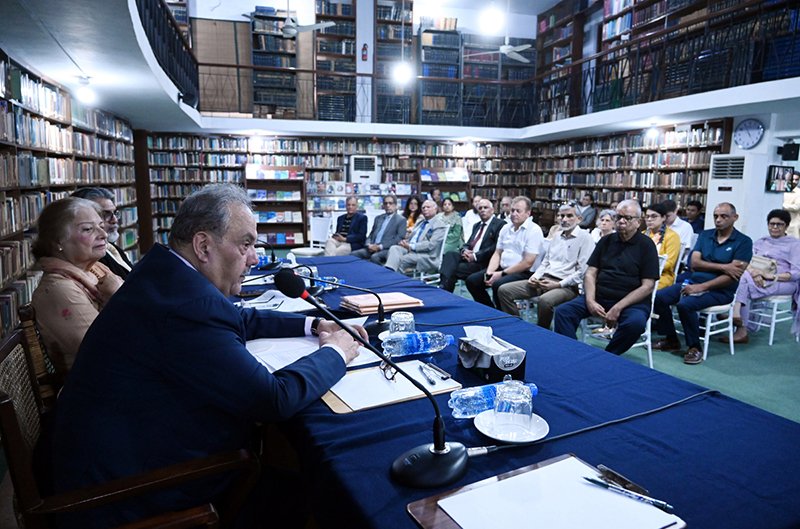
Amjad Hussain Elected Unopposed as Gilgit-Baltistan Chief Minister

GILGIT — Pakistan Peoples Party (PPP) leader Amjad Hussain Advocate has been elected unopposed as the Chief Minister of Gilgit-Baltistan. The election took place on Monday evening, with Hussain securing the backing of all major political factions represented in the assembly. What Happened Amjad Hussain’s unopposed election as Chief Minister marks a significant political event in the region of Gilgit-Baltistan. On Monday, the assembly members gathered to cast their votes, but Hussain’s candidacy was uncontested, reflecting a rare moment of political consensus. The PPP’s Gilgit-Baltistan president received unanimous support from various political groups, including the Pakistan Tehreek-e-Insaf (PTI) and the Pakistan Muslim League-Nawaz (PML-N), which are typically his party’s rivals on the national stage. In his acceptance speech, Hussain expressed gratitude to the assembly members for their support and emphasized his commitment to addressing the region’s pressing issues. “I am humbled by the trust placed in me by the assembly and the people of Gilgit-Baltistan,” Hussain stated. “I pledge to work tirelessly for the development and prosperity of our region.” The election of Hussain, a seasoned politician with a background in law, is seen as a strategic move to foster unity among the diverse political factions in Gilgit-Baltistan. His leadership is expected to focus on economic development, infrastructure improvement, and addressing the unique challenges faced by the region, such as connectivity and resource management. Background Gilgit-Baltistan, a region in northern Pakistan, holds a unique administrative status. It is governed by its own legislative assembly, which was established under the Gilgit-Baltistan Empowerment and Self-Governance Order of 2009. This order granted the region a degree of autonomy, allowing it to elect its own chief minister and legislative assembly. The region has historically been a point of contention due to its strategic location and proximity to the China-Pakistan Economic Corridor (CPEC). Political stability in Gilgit-Baltistan is crucial, not only for local governance but also for maintaining smooth operations of CPEC projects, which are vital for Pakistan’s economic growth. Prior to Hussain’s election, the position of Chief Minister was held by Khalid Khurshid of the PTI. His tenure witnessed several challenges, including managing the region’s response to the COVID-19 pandemic and addressing local economic issues. Why It Matters The election of Amjad Hussain as Chief Minister is significant for several reasons. Firstly, it represents a rare moment of political unity within the Gilgit-Baltistan assembly, which could lead to more stable governance and effective implementation of policies. This unity is particularly important given the region’s strategic importance to Pakistan and its role in the CPEC. Economically, Hussain’s leadership could bring renewed focus on infrastructure development and economic initiatives that are crucial for the region’s growth. Gilgit-Baltistan is rich in natural resources and has significant potential for tourism, which, if developed properly, could contribute substantially to the local and national economy. Politically, the consensus around Hussain’s election could set a precedent for collaborative governance in other regions of Pakistan, where political divisions often hinder progress. His ability to bring together diverse political groups may inspire similar efforts in other provincial assemblies. Key Takeaways Amjad Hussain was elected unopposed as the Chief Minister of Gilgit-Baltistan. His election was supported by all major political groups in the assembly, including PTI and PML-N. Hussain’s leadership is expected to focus on economic development and regional stability. This election marks a rare moment of political consensus in Gilgit-Baltistan. The region’s strategic importance to CPEC projects underscores the significance of stable governance. Source Attribution The information in this article was sourced from the Associated Press of Pakistan (APP). The report provides an overview of the election process and the political dynamics in Gilgit-Baltistan. While the source offers a comprehensive account of the event, further details on specific policy plans and future initiatives under Hussain’s leadership were not included. Author: NEN Editorial Desk | Editor: NEN Newsroom | Fact Checked By: NEN Editorial Team Author: NEN Editorial Desk  |  Editor: NEN Newsroom  |  Last Updated: June 22, 2026  |  Source: APP This article was produced by the NEN Editorial Desk in accordance with NEN Agency’s Editorial Policy and Fact-Checking Policy.

World

DC Dera Engages with Disabled Community to Enhance Welfare Initiatives

DERA ISMAIL KHAN — The Deputy Commissioner of Dera Ismail Khan convened a meeting on June 22 with a delegation of persons with disabilities to discuss the protection of their fundamental rights and address the challenges they encounter in daily life. What Happened The meeting, held at the Deputy Commissioner’s office, focused on a comprehensive review of welfare measures for persons with disabilities. The participants, representing various segments of the disabled community, voiced their concerns about accessibility, employment opportunities, and social inclusion. The Deputy Commissioner acknowledged the issues raised and assured the delegation of the administration’s commitment to improving the living conditions and rights of people with disabilities. According to the official statement, the Deputy Commissioner emphasized the importance of integrating persons with disabilities into mainstream society. “It is our responsibility to ensure that all citizens, regardless of their physical abilities, have equal access to opportunities and resources,” he stated. The meeting also explored potential strategies to enhance existing welfare programs and introduce new initiatives tailored to the needs of the disabled community. Participants highlighted the lack of adequate infrastructure, such as ramps and accessible public transport, which hinders their mobility and independence. They also pointed out the scarcity of employment opportunities and the need for vocational training programs to empower them economically. The Deputy Commissioner promised to address these issues by coordinating with relevant government departments and stakeholders. Background Persons with disabilities in Pakistan have long faced systemic challenges in accessing basic rights and services. The country has ratified the United Nations Convention on the Rights of Persons with Disabilities, which obligates the government to promote, protect, and ensure the full and equal enjoyment of all human rights by persons with disabilities. Despite this, implementation of supportive policies remains inconsistent across regions. In recent years, there have been efforts to improve the situation, such as the introduction of the Disabled Persons (Employment and Rehabilitation) Ordinance, which mandates a quota for the employment of disabled persons in public and private sectors. However, enforcement of these measures is often lacking, leading to continued marginalization of the disabled community. Why It Matters The engagement of the Deputy Commissioner with the disabled community in Dera Ismail Khan is a crucial step towards addressing the systemic issues faced by persons with disabilities. This meeting signifies a growing recognition of the need to prioritize disability rights within local governance frameworks. By actively involving the disabled community in discussions, the administration can tailor policies that more effectively meet their needs. Economically, empowering persons with disabilities through improved access to education and employment can significantly contribute to the local economy. Increased participation in the workforce not only enhances their quality of life but also reduces dependency on social welfare systems. Socially, fostering an inclusive environment promotes diversity and tolerance, enriching the community as a whole. On a broader scale, such initiatives align with Pakistan’s commitments to international human rights standards and sustainable development goals, which emphasize inclusivity and equality. By addressing the concerns of persons with disabilities, the government can improve its international standing and demonstrate its commitment to human rights. Key Takeaways The Deputy Commissioner of Dera Ismail Khan met with persons with disabilities to discuss welfare measures. Key issues raised included accessibility, employment opportunities, and social inclusion. The meeting aimed to enhance existing welfare programs and introduce new initiatives. Pakistan has ratified international conventions but faces challenges in policy implementation. Improving disability rights can have significant economic and social benefits. Source Attribution The information in this article was sourced from the Associated Press of Pakistan (APP). The source material provided an overview of the meeting and highlighted key issues discussed. However, detailed statistical data and specific policy outcomes were not included in the original report. Author: NEN Editorial Desk | Editor: NEN Newsroom | Fact Checked By: NEN Editorial Team Author: NEN Editorial Desk  |  Editor: NEN Newsroom  |  Last Updated: June 22, 2026  |  Source: Associated Press of Pakistan (APP) This article was produced by the NEN Editorial Desk in accordance with NEN Agency’s Editorial Policy and Fact-Checking Policy.

Scroll to Top