
World

Welcome to the World section of NEN Agency, your window to the stories shaping our planet. From global politics and economic shifts to science breakthroughs, cultural moments, and humanitarian crises, we connect you to events that matter — wherever they happen.

Inside This Category

  • Global Politics & Diplomacy: International relations, summits, and policy shifts.

  • World Economy & Trade: Market trends, trade agreements, and financial developments.

  • Conflicts & Security: Coverage of wars, peace efforts, and security challenges.

  • Science & Environment: Climate change, technological advances, and space exploration.

  • Culture & Society: Arts, sports, and lifestyle stories from around the globe.

Why Our World Coverage Stands Out
We deliver global news with context, helping readers see how events beyond borders influence life in Pakistan and the wider region.

World

Pakistan Calls for UN Measures to Safeguard Communities from Mineral Exploitation

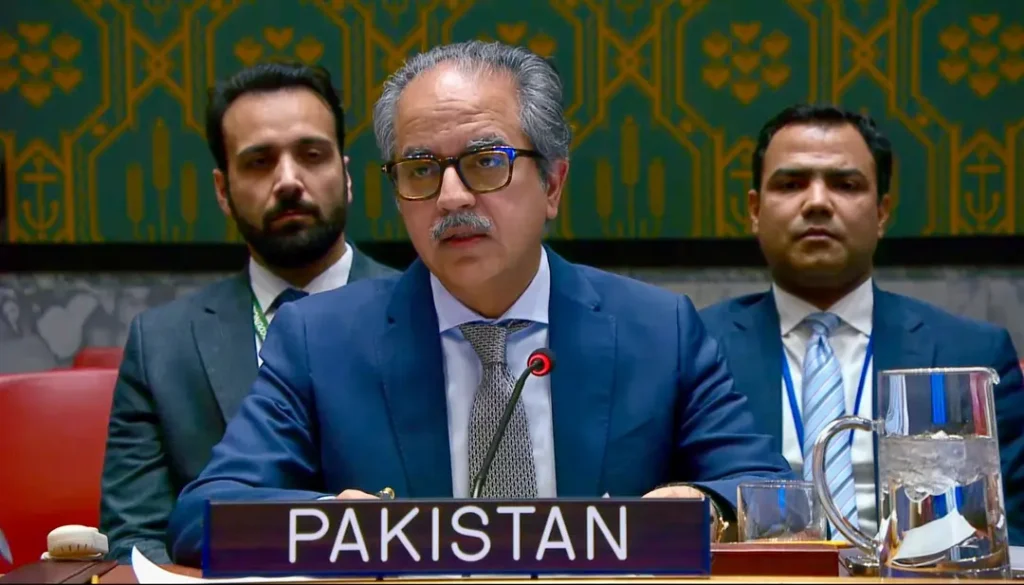
NEW YORK — Pakistan has called on the United Nations to take decisive action to protect local communities from the global rush for mineral resources. During a session of the UN Security Council, Pakistan emphasized the importance of sovereign control over natural resources, aligning itself with African nations facing similar challenges. The session focused on how the illicit exploitation of minerals fuels armed conflicts and the need for a regulatory framework to ensure that resource wealth benefits local communities. What Happened At a recent UN Security Council meeting, Pakistan’s representative highlighted the urgent need for international measures to protect local communities from the adverse effects of the global scramble for minerals. The discussion centered on the illicit exploitation of natural resources, which has been identified as a significant factor in fueling armed conflicts, particularly in resource-rich regions of Africa. Pakistan underscored the importance of sovereign control over natural wealth, advocating for a regulatory framework that ensures resource wealth is used to benefit local populations. Pakistan’s stance was in solidarity with African nations, many of which have experienced the detrimental impacts of unregulated mineral extraction. The session explored potential strategies to curb the illicit trade and ensure that the economic benefits of mineral resources are equitably distributed. The call for action comes amid growing concerns over the exploitation of minerals, which often leads to environmental degradation and social unrest in affected regions. During the session, Pakistan reiterated its commitment to supporting international efforts aimed at establishing a fair and transparent system for the governance of natural resources. The representative stressed that the exploitation of minerals should not come at the expense of local communities, who often bear the brunt of environmental and social consequences. Background The issue of mineral exploitation has long been a contentious topic at the international level. Many resource-rich countries, particularly in Africa, have struggled with the challenges posed by the illicit extraction and trade of minerals. This has often led to armed conflicts, as various groups vie for control over lucrative resources. The UN Security Council has been actively involved in addressing these issues, seeking to develop frameworks that promote sustainable and equitable resource management. Historically, the lack of effective regulation has allowed for the exploitation of mineral resources to proceed unchecked, resulting in significant environmental and social impacts. Countries like the Democratic Republic of the Congo have been particularly affected, with mineral wealth fueling prolonged conflicts and undermining development efforts. The UN has recognized the need for a comprehensive approach that addresses both the economic and security dimensions of mineral exploitation. Why It Matters The call for UN action by Pakistan highlights the broader implications of mineral exploitation on global peace and security. The unregulated extraction of minerals not only exacerbates conflicts but also undermines efforts to achieve sustainable development goals. For Pakistan, a country with its own rich mineral resources, the issue is particularly pertinent as it seeks to balance economic development with environmental and social considerations. The economic impact of mineral exploitation is significant, with the potential to generate substantial revenue for resource-rich countries. However, without proper regulation, these benefits often fail to reach local communities, leading to increased inequality and social unrest. By advocating for a regulatory framework, Pakistan is pushing for a system that ensures the equitable distribution of resource wealth, thereby promoting stability and development. Internationally, the issue of mineral exploitation is closely linked to broader geopolitical dynamics. As global demand for minerals continues to rise, the competition for resources is likely to intensify, with significant implications for international relations. The UN’s role in facilitating dialogue and cooperation among member states is crucial in addressing these challenges and promoting a more equitable and sustainable approach to resource management. Key Takeaways Pakistan has urged the UN to take action to protect local communities from the global scramble for minerals. The UN Security Council discussed the illicit exploitation of minerals and its role in fueling armed conflicts. Pakistan emphasized the importance of sovereign control over natural resources and supported African nations facing similar challenges. The call for a regulatory framework aims to ensure that resource wealth benefits local communities. The issue of mineral exploitation has significant economic, social, and geopolitical implications. Source Attribution This article is based on official government statements, press releases, and public communications from relevant authorities. Author: NEN Editorial Desk | Editor: NEN Newsroom | Fact Checked By: NEN Editorial Team Author: NEN Editorial Desk  |  Editor: NEN Newsroom  |  Last Updated: July 14, 2026  |  Source: NEN Reporter This article was produced by the NEN Editorial Desk in accordance with NEN Agency’s Editorial Policy and Fact-Checking Policy.
World

FIA Investigates Disappearance of 12 Pakistani Youths in Iran

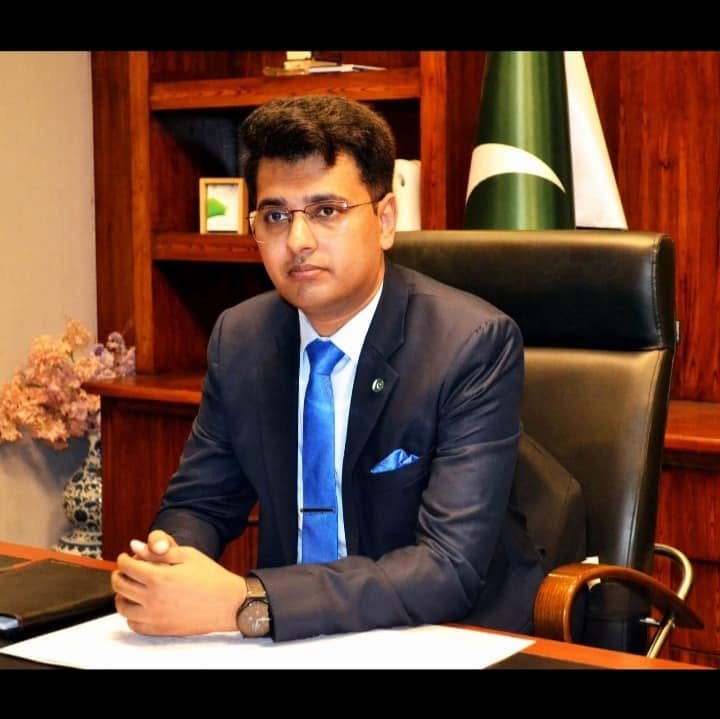
ISLAMABAD — The Federal Investigation Agency (FIA) has initiated an investigation into the disappearance of 12 Pakistani youths in Iran. The probe was launched after cases were registered through the FIA’s Anti-Human Trafficking Circle in Lahore, raising concerns about potential human trafficking activities affecting Pakistani nationals abroad. What Happened The FIA’s Anti-Human Trafficking Circle in Lahore has taken up the case of 12 Pakistani youths who have reportedly gone missing in Iran. According to official sources, the youths were believed to have traveled to Iran under circumstances that are now being scrutinized for possible links to human trafficking networks. The investigation aims to uncover the circumstances surrounding their disappearance and to determine if they were victims of trafficking. Officials have stated that the families of the missing individuals reported their disappearance after losing contact with them. The FIA is working closely with Iranian authorities and other relevant agencies to gather information and trace the whereabouts of these individuals. “We are committed to ensuring the safe return of our citizens and will leave no stone unturned in our investigation,” an FIA spokesperson said. The investigation is in its preliminary stages, and the FIA has not yet disclosed specific details about the youths’ travel routes or the individuals or groups that might be involved in their disappearance. However, the agency has emphasized the importance of international cooperation in addressing cross-border human trafficking issues. Background Human trafficking has been a persistent issue affecting Pakistan, with many citizens falling victim to traffickers promising better opportunities abroad. The FIA has been actively involved in combating human trafficking and has established specialized units to address this challenge. In recent years, there have been several high-profile cases involving the trafficking of Pakistani nationals to various countries, including Iran, Turkey, and European nations. The Anti-Human Trafficking Circle of the FIA is tasked with investigating cases of human smuggling and trafficking, working in coordination with international law enforcement agencies. The agency has previously conducted successful operations leading to the rescue and repatriation of trafficked individuals, as well as the arrest of traffickers operating within and outside Pakistan. Why It Matters The disappearance of these 12 youths highlights the ongoing threat of human trafficking faced by Pakistani citizens seeking opportunities abroad. The investigation by the FIA is crucial not only for the safe recovery of these individuals but also for dismantling trafficking networks that exploit vulnerable populations. This case underscores the need for increased vigilance and cooperation between countries to combat human trafficking. Economically, human trafficking has severe implications for Pakistan, as it often involves the loss of young, productive individuals who could otherwise contribute to the country’s development. Socially, it affects families and communities, causing distress and uncertainty about the fate of their loved ones. Politically, it challenges the government’s ability to protect its citizens and uphold human rights. Internationally, the case could impact Pakistan’s relations with Iran and other countries involved in the investigation. Effective collaboration and resolution of such cases can strengthen diplomatic ties and enhance mutual trust in addressing transnational crimes. Key Takeaways The FIA is investigating the disappearance of 12 Pakistani youths in Iran, suspecting human trafficking. The Anti-Human Trafficking Circle in Lahore is leading the investigation, coordinating with Iranian authorities. Human trafficking remains a significant issue for Pakistan, affecting its citizens seeking opportunities abroad. The case highlights the need for international cooperation to combat human trafficking networks. Successful resolution of the case could enhance Pakistan’s diplomatic relations with Iran and other nations. Source Attribution This article is based on official government statements, press releases, and public communications from relevant authorities. Author: NEN Editorial Desk | Editor: NEN Newsroom | Fact Checked By: NEN Editorial Team Author: NEN Editorial Desk  |  Editor: NEN Newsroom  |  Last Updated: July 14, 2026  |  Source: NEN Reporter This article was produced by the NEN Editorial Desk in accordance with NEN Agency’s Editorial Policy and Fact-Checking Policy.
World

Jamshoro Launches Crackdown on Illegal Wheat Hoarding and Unlicensed Flour Mills

HYDERABAD — Deputy Commissioner Jamshoro Zain-ul-Abideen Memon announced a comprehensive crackdown on illegal wheat hoarding and unlicensed flour mills during a meeting held on Tuesday. This initiative aims to ensure an adequate supply of flour across the district by enforcing strict adherence to the government’s wheat policy. What Happened During the meeting, Deputy Commissioner Memon emphasized the need for decisive action against individuals and businesses involved in illegal wheat storage. He directed District Food Controller Shahzad Ahmed Shahani to take immediate legal measures against traders and flour mills storing wheat beyond the government-prescribed limits. The meeting resolved to implement indiscriminate legal action against violators, ensuring compliance with the wheat policy. District Food Controller Shahani reported that operations against illegal wheat hoarding had already commenced in Sehwan and Kotri talukas. Under the government policy, traders are permitted to store a maximum of 1,000 metric tonnes of wheat. Any storage beyond this limit is deemed illegal and subject to legal action. The deputy commissioner further instructed officials to inspect rice mills, pulse mills, and cotton factories, as these locations could potentially conceal illegally stored wheat. Any wheat confiscated during inspections is to be transferred to government warehouses under relevant regulations. Additionally, Deputy Commissioner Memon directed assistant commissioners to enforce the officially notified prices of naan and roti at local hotels, tandoors, and naan shops. Legal action will be taken against those found charging above the prescribed rates, ensuring that consumers are not exploited. The meeting was attended by ADC-I Babar Khan Nizamani, ADC-II Muhammad Tariq Kaka, District Food Controller Shahzad Ahmed Shahani, assistant commissioners from various talukas, police officials, and officers from other relevant departments. Background Wheat is a staple food in Pakistan, and its availability and pricing are critical to the country’s food security. The government has established policies to regulate wheat storage and distribution to prevent shortages and inflation. Illegal hoarding disrupts the market, leading to artificial scarcity and inflated prices, which can severely impact low-income households. Previous efforts to curb such practices have included legal actions and policy enforcement to stabilize the market. Historically, the Sindh province has faced challenges with wheat hoarding and unlicensed flour mills, prompting repeated government interventions. These measures are part of broader efforts to ensure food security and maintain market stability, especially during peak demand periods. Why It Matters The crackdown on illegal wheat hoarding and unlicensed flour mills is significant for several reasons. Economically, it aims to stabilize wheat prices and ensure affordability for consumers, particularly those in vulnerable communities. By enforcing storage limits and regulating flour mills, the government seeks to prevent artificial shortages that can lead to price hikes. Socially, the initiative addresses concerns about food security, ensuring that essential commodities like wheat are accessible to all segments of the population. This is particularly crucial in a country where a large portion of the population relies on wheat-based products as dietary staples. Politically, the government’s actions demonstrate a commitment to enforcing policies that protect consumer interests and maintain market integrity. It reflects an effort to uphold the rule of law and deter illegal activities that undermine economic stability. Internationally, such measures can enhance Pakistan’s reputation as a country capable of managing its agricultural resources effectively. It also aligns with global efforts to combat food insecurity and promote sustainable agricultural practices. Key Takeaways Deputy Commissioner Jamshoro has initiated a crackdown on illegal wheat hoarding and unlicensed flour mills. Traders are limited to storing a maximum of 1,000 metric tonnes of wheat under government policy. Operations against illegal hoarding have begun in Sehwan and Kotri talukas. Assistant commissioners are tasked with enforcing official prices for naan and roti. The initiative aims to stabilize wheat prices and ensure food security. Source Attribution This article is based on official government statements, press releases, and public communications from relevant authorities. Author: NEN Editorial Desk | Editor: NEN Newsroom | Fact Checked By: NEN Editorial Team Author: NEN Editorial Desk  |  Editor: NEN Newsroom  |  Last Updated: July 14, 2026  |  Source: NEN Reporter This article was produced by the NEN Editorial Desk in accordance with NEN Agency’s Editorial Policy and Fact-Checking Policy.
World

Planning Minister Urges UNDP to Boost Support for Development, Climate Resilience

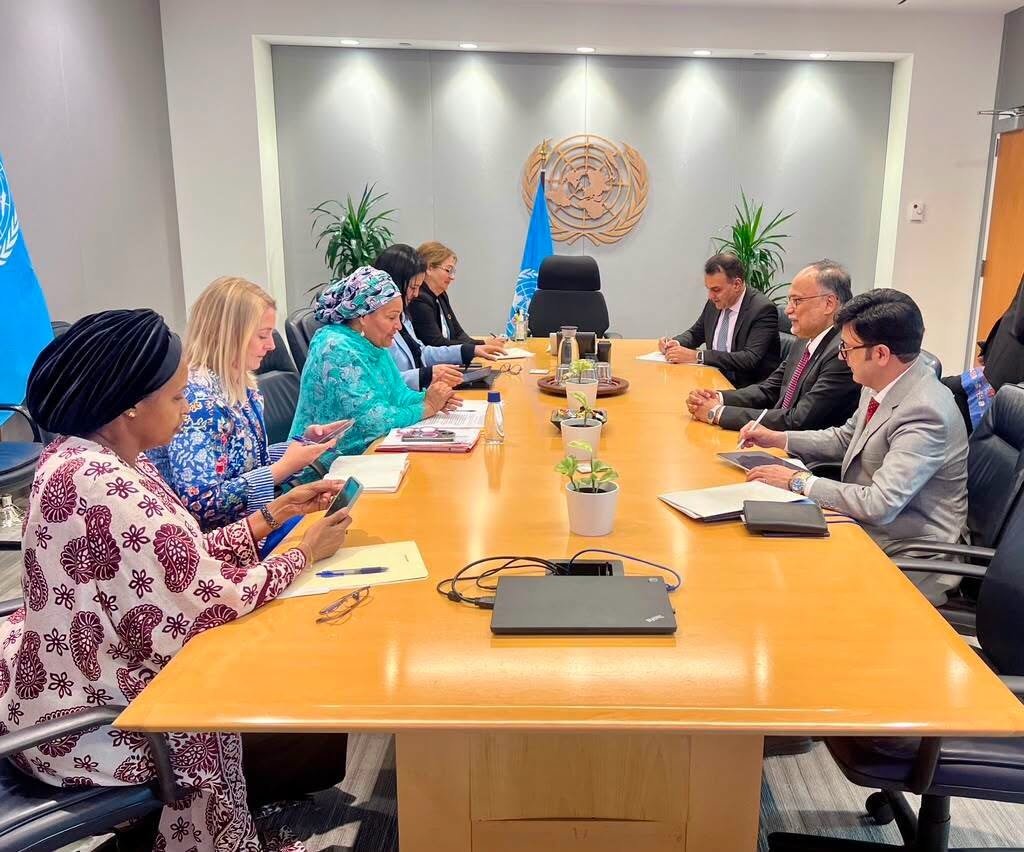
NEW YORK — Federal Minister for Planning, Development and Special Initiatives Ahsan Iqbal has called for increased support from the United Nations Development Programme (UNDP) to aid Pakistan’s development and climate resilience initiatives. The meeting with UNDP Administrator Alexander De Croo took place on Tuesday in New York, focusing on enhancing the longstanding partnership between Pakistan and the UNDP. What Happened During the meeting, Minister Ahsan Iqbal emphasized the critical role of the UNDP in supporting Pakistan’s socio-economic development and addressing the challenges posed by climate change. He highlighted the need for strengthened collaboration to achieve sustainable development goals (SDGs) and improve resilience against climate impacts. The discussion also covered potential areas for expanded cooperation, including capacity building, poverty alleviation, and infrastructure development. Iqbal underscored the importance of aligning UNDP’s efforts with Pakistan’s national development priorities, particularly in the wake of recent climate-induced disasters that have severely impacted the country’s economy and infrastructure. “We are committed to working closely with UNDP to ensure that our development strategies are robust and resilient to climate change,” Iqbal stated. He further called for increased technical and financial assistance to bolster Pakistan’s capacity to manage and mitigate climate risks. Alexander De Croo, the UNDP Administrator, reaffirmed the organization’s commitment to supporting Pakistan in its development journey. He acknowledged the challenges faced by Pakistan and expressed readiness to explore new avenues for collaboration that can effectively address both immediate and long-term development needs. Background Pakistan has been a partner of the UNDP for several decades, with collaboration spanning various sectors including governance, poverty reduction, and environmental sustainability. The country is particularly vulnerable to climate change, experiencing frequent natural disasters such as floods and droughts, which have exacerbated socio-economic vulnerabilities. In recent years, Pakistan has intensified its focus on achieving the SDGs, with particular attention to eradicating poverty, ensuring quality education, and promoting sustainable industrialization. The government has also launched several initiatives to enhance climate resilience, including the Ten Billion Tree Tsunami project and the Clean Green Pakistan Movement. Why It Matters The appeal for enhanced UNDP support is significant as Pakistan faces mounting challenges related to climate change and development. The country’s economy, already strained by political instability and external debt, is further burdened by the need to address environmental degradation and its impacts on agriculture, water resources, and public health. Strengthened cooperation with the UNDP could provide Pakistan with the necessary resources and expertise to advance its development agenda and build resilience against climate threats. This partnership is crucial for implementing effective policies and projects that can lead to sustainable economic growth and improved living standards for millions of Pakistanis. Moreover, as climate change continues to pose a global threat, Pakistan’s efforts to enhance resilience and sustainability are not only vital for its own future but also contribute to regional and international stability. By working closely with international partners like the UNDP, Pakistan can play a proactive role in global climate action and sustainable development initiatives. Key Takeaways Minister Ahsan Iqbal met with UNDP Administrator Alexander De Croo in New York to discuss enhanced support for Pakistan’s development and climate resilience. The meeting focused on aligning UNDP’s efforts with Pakistan’s national priorities and expanding cooperation in areas such as capacity building and poverty alleviation. Pakistan faces significant challenges related to climate change, impacting its economy and infrastructure, necessitating increased international support. Strengthened UNDP collaboration is crucial for advancing Pakistan’s sustainable development goals and building resilience against climate impacts. Pakistan’s partnership with the UNDP contributes to both national and global efforts in climate action and sustainable development. Source Attribution This article is based on official government statements, press releases, and public communications from relevant authorities. Author: NEN Editorial Desk | Editor: NEN Newsroom | Fact Checked By: NEN Editorial Team Author: NEN Editorial Desk  |  Editor: NEN Newsroom  |  Last Updated: July 14, 2026  |  Source: Press Release from Government of Pakistan This article was produced by the NEN Editorial Desk in accordance with NEN Agency’s Editorial Policy and Fact-Checking Policy.

World

Indus Dolphin Ambulance Launched by Zong Telecom and WWF in Islamabad

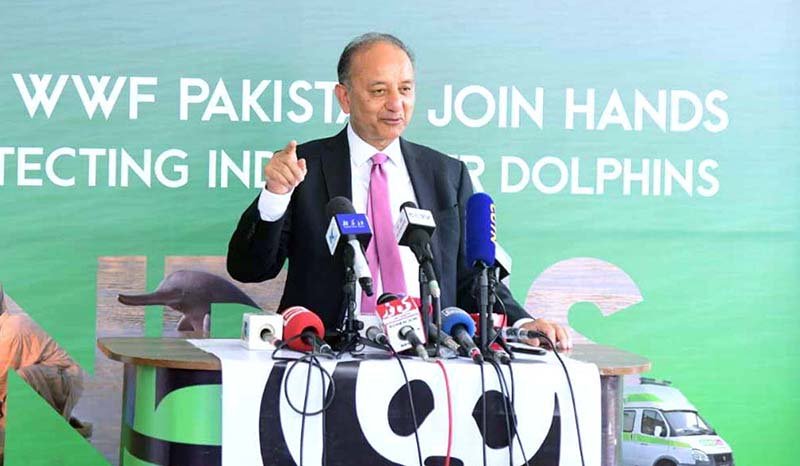
ISLAMABAD — Federal Minister for Climate Change and Environment Coordination Dr. Musadik Malik inaugurated the Indus Dolphin Ambulance at a ceremony held at the Pakistan Academy of Sciences on July 14. The initiative, organized by Zong Telecom in collaboration with the World Wildlife Fund (WWF), aims to protect the endangered Indus River dolphins through timely rescue and rehabilitation efforts. What Happened The inauguration ceremony witnessed the unveiling of the Indus Dolphin Ambulance, a project spearheaded by Zong Telecom and WWF to safeguard the critically endangered Indus River dolphins. Dr. Musadik Malik, while cutting the ribbon to officially launch the ambulance, emphasized the importance of preserving Pakistan’s unique biodiversity. “The Indus River dolphin is not just a species; it is a vital part of our ecological heritage,” he stated during his address. The Indus Dolphin Ambulance is equipped with the necessary tools and resources to respond swiftly to dolphin strandings and other emergencies. This initiative is part of a broader conservation strategy to enhance the survival prospects of the dolphins, which are often threatened by habitat degradation, water pollution, and accidental entanglement in fishing gear. Representatives from Zong Telecom and WWF highlighted their commitment to environmental sustainability and the protection of endangered species. “This partnership is a testament to our dedication to preserving the natural world for future generations,” a spokesperson from Zong Telecom remarked. Background The Indus River dolphin, also known as the blind dolphin, is one of the world’s most endangered freshwater cetaceans. Historically, these dolphins were found throughout the Indus River system, but their population has dwindled due to various anthropogenic pressures. The construction of dams and barrages has fragmented their habitat, while pollution and overfishing have further exacerbated their decline. Conservation efforts for the Indus River dolphin have been ongoing for decades. The species is listed as endangered on the International Union for Conservation of Nature (IUCN) Red List. Various initiatives, including community engagement, habitat restoration, and policy advocacy, have been implemented to curb the threats facing these dolphins. Why It Matters The launch of the Indus Dolphin Ambulance is a significant step towards bolstering conservation efforts for this endangered species. By providing rapid response capabilities, the ambulance enhances the ability to rescue stranded dolphins and administer necessary care. This initiative not only contributes to the preservation of the Indus River dolphin but also raises awareness about the broader environmental challenges facing Pakistan. Economically, the conservation of the Indus River dolphin can have positive implications for local communities. Ecotourism centered around dolphin watching can provide sustainable income opportunities, thereby incentivizing communities to engage in conservation efforts. Moreover, maintaining healthy river ecosystems is crucial for the livelihoods of millions who depend on these waters for agriculture and fishing. Politically, this initiative underscores the importance of public-private partnerships in addressing environmental issues. By collaborating with corporate entities like Zong Telecom, the government can leverage additional resources and expertise to tackle pressing ecological challenges. This model of cooperation could serve as a blueprint for future conservation projects in Pakistan. Key Takeaways The Indus Dolphin Ambulance aims to protect endangered Indus River dolphins through rapid response and rehabilitation efforts. Dr. Musadik Malik emphasized the ecological importance of preserving the Indus River dolphin during the inauguration ceremony. The initiative is a collaboration between Zong Telecom and WWF, highlighting the role of public-private partnerships in conservation. Conserving the Indus River dolphin can boost ecotourism and provide sustainable economic benefits to local communities. The project serves as a model for future environmental conservation efforts in Pakistan. Source Attribution This article is based on official government statements, press releases, and public communications from relevant authorities. Author: NEN Editorial Desk | Editor: NEN Newsroom | Fact Checked By: NEN Editorial Team Author: NEN Editorial Desk  |  Editor: NEN Newsroom  |  Last Updated: July 14, 2026  |  Source: Press Release from Government of Pakistan This article was produced by the NEN Editorial Desk in accordance with NEN Agency’s Editorial Policy and Fact-Checking Policy.
Health, World

Bulgaria Leads EU in Hospital Beds Per Capita, Eurostat Reports

ISLAMABAD — Bulgaria has emerged as the European Union leader in terms of hospital beds per 100,000 people, according to the latest data released by Eurostat. The report, published on Monday, highlights Bulgaria’s provision of an average of 870 hospital beds per 100,000 inhabitants, surpassing other EU nations such as Germany, Romania, Austria, and Czechia. What Happened The Eurostat report sheds light on the healthcare infrastructure across the European Union, with Bulgaria standing out for its high ratio of hospital beds relative to its population. The data indicates that Bulgaria provides 870 hospital beds per 100,000 people, positioning it ahead of Germany, which offers 759 beds, Romania with 731, Austria at 655, and Czechia with 639 beds per 100,000 people. This statistic underscores Bulgaria’s commitment to maintaining a robust healthcare system capable of accommodating its population’s needs. The significance of this data is underscored by the ongoing challenges faced by healthcare systems worldwide, particularly in light of the COVID-19 pandemic. The availability of hospital beds is a critical factor in ensuring that healthcare systems can respond effectively to both routine medical needs and emergency situations. The Eurostat report provides a comprehensive overview of how EU countries are equipped to handle such challenges, with Bulgaria setting a benchmark for others to follow. Background Historically, the number of hospital beds has been a crucial indicator of a country’s healthcare capacity. In the past, countries with higher ratios of hospital beds have been better positioned to manage public health crises. The COVID-19 pandemic has brought this issue to the forefront, as nations with limited healthcare infrastructure faced significant challenges in managing the influx of patients. The European Union has long prioritized healthcare as a key area of development, with member states striving to enhance their medical infrastructure. Bulgaria’s healthcare system, in particular, has undergone significant improvements over the years, focusing on increasing the availability of medical facilities and resources to meet the growing demands of its population. Why It Matters The Eurostat report’s findings have significant implications for both Bulgaria and the broader European Union. For Bulgaria, leading the EU in hospital bed availability reflects positively on its healthcare policies and investment in medical infrastructure. This achievement not only enhances the country’s ability to manage health crises but also positions it as a model for other nations striving to improve their healthcare systems. On a broader scale, the data serves as a benchmark for other EU countries, highlighting the importance of investing in healthcare infrastructure. The disparities in hospital bed availability across the EU underscore the need for a coordinated approach to healthcare policy, ensuring that all member states can provide adequate medical care to their populations. For Pakistan, and other countries outside the EU, the report offers valuable insights into the importance of healthcare infrastructure. As nations continue to grapple with the challenges posed by the COVID-19 pandemic and other health emergencies, the availability of hospital beds remains a critical factor in ensuring effective healthcare delivery. The Bulgarian model provides a case study for countries aiming to enhance their healthcare systems and improve public health outcomes. Key Takeaways Bulgaria leads the EU with 870 hospital beds per 100,000 people, according to Eurostat. Germany, Romania, Austria, and Czechia follow Bulgaria in hospital bed availability. The data highlights the importance of healthcare infrastructure in managing public health crises. Bulgaria’s healthcare system serves as a model for other nations aiming to improve medical facilities. The report underscores the need for coordinated healthcare policy across the EU. Source Attribution This article is based on official government statements, press releases, and public communications from relevant authorities. Author: NEN Editorial Desk | Editor: NEN Newsroom | Fact Checked By: NEN Editorial Team Author: NEN Editorial Desk  |  Editor: NEN Newsroom  |  Last Updated: July 14, 2026  |  Source: NEN Reporter This article was produced by the NEN Editorial Desk in accordance with NEN Agency’s Editorial Policy and Fact-Checking Policy.
World

Pakistan Pledges Commitment To UN Charter Principles, Says Ishaq Dar

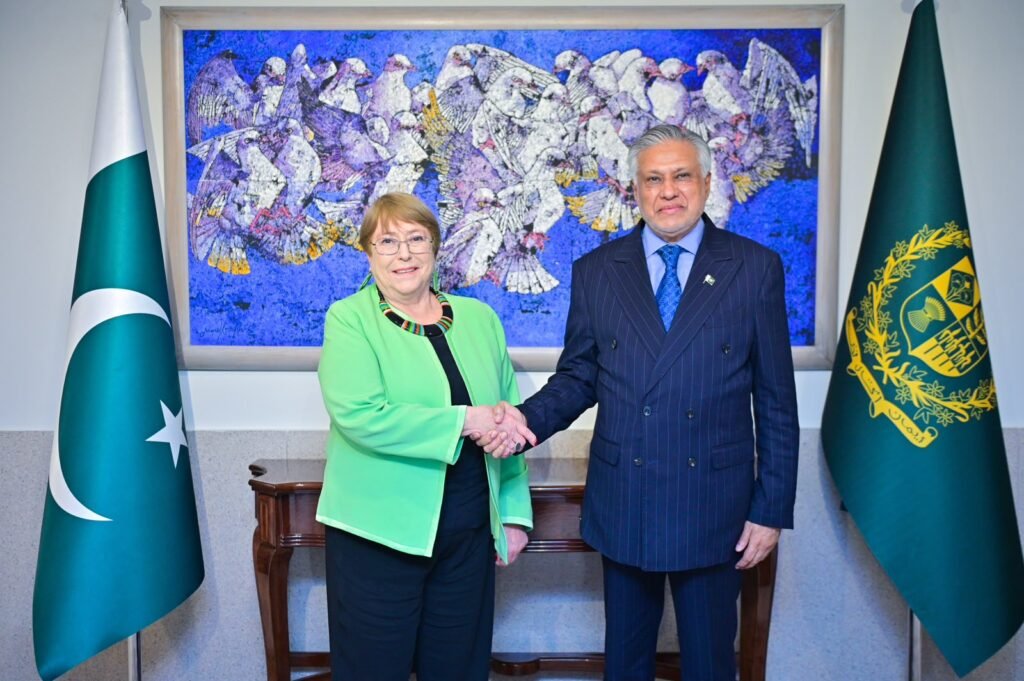
ISLAMABAD — Deputy Prime Minister and Foreign Minister Ishaq Dar on Tuesday reaffirmed Pakistan’s dedication to the principles and objectives of the United Nations Charter during a meeting with Michelle Bachelet Jeria, a candidate for the position of UN Secretary-General. The meeting underscored Pakistan’s respect for international law and its commitment to upholding international treaties. What Happened During the meeting in Islamabad, Ishaq Dar emphasized Pakistan’s unwavering support for the UN Charter’s principles, which include maintaining international peace and security, developing friendly relations among nations, and achieving international cooperation in solving international problems. He stated, “Pakistan remains steadfast in its commitment to uphold the principles of the UN Charter and respect for international law.” Michelle Bachelet, who is vying for the role of UN Secretary-General, engaged in discussions with Dar about the critical role that the UN plays in fostering global peace and security. The conversation also touched upon the importance of international treaties and the need for countries to adhere to them to ensure a stable and peaceful international order. Dar highlighted the significant contributions Pakistan has made to UN peacekeeping missions worldwide, noting that the country has consistently been one of the largest contributors of troops to these missions. He expressed Pakistan’s readiness to continue supporting UN initiatives aimed at promoting global peace and stability. Background Pakistan has been a member of the United Nations since 1947 and has actively participated in various UN bodies and initiatives. The country has a long history of contributing to UN peacekeeping missions, with over 200,000 Pakistani troops having served in 46 UN missions since 1960. Pakistan’s commitment to the UN Charter is rooted in its foreign policy, which emphasizes peaceful coexistence and mutual respect among nations. The UN Charter, signed in 1945, is the foundational treaty of the United Nations and outlines the principles of international relations. It establishes the framework for international cooperation and the peaceful resolution of conflicts. Pakistan’s reaffirmation of its commitment to these principles comes at a time when global challenges such as climate change, terrorism, and regional conflicts require collaborative international efforts. Why It Matters Pakistan’s renewed commitment to the UN Charter is significant in the context of its geopolitical positioning and its role in regional stability. As a nuclear-armed nation with strategic importance in South Asia, Pakistan’s adherence to international law and treaties is crucial for maintaining regional peace and security. This commitment also reflects Pakistan’s intention to be a responsible member of the international community, contributing to global peace initiatives. Economically, Pakistan’s alignment with the UN Charter principles can enhance its international standing and foster economic partnerships. By demonstrating a commitment to international law, Pakistan can attract foreign investment and strengthen trade relations, which are vital for its economic growth and development. On a broader scale, Pakistan’s stance reinforces the importance of multilateralism in addressing global challenges. In an era marked by unilateral actions and rising nationalism, Pakistan’s support for the UN Charter underscores the need for collective efforts to tackle issues like climate change, global health crises, and international terrorism. Key Takeaways Deputy Prime Minister Ishaq Dar reaffirmed Pakistan’s commitment to the UN Charter during a meeting with Michelle Bachelet. Pakistan emphasizes respect for international law and adherence to international treaties. Pakistan has a long history of contributing to UN peacekeeping missions worldwide. The commitment to the UN Charter is crucial for Pakistan’s role in regional and global stability. Pakistan’s stance supports multilateralism in addressing global challenges. Source Attribution This article is based on official government statements, press releases, and public communications from relevant authorities. Author: NEN Editorial Desk | Editor: NEN Newsroom | Fact Checked By: NEN Editorial Team Author: NEN Editorial Desk  |  Editor: NEN Newsroom  |  Last Updated: July 14, 2026  |  Source: NEN Reporter This article was produced by the NEN Editorial Desk in accordance with NEN Agency’s Editorial Policy and Fact-Checking Policy.
World

Karachi Port Handles Mega Vessel MSC Erica, Showcasing Capacity

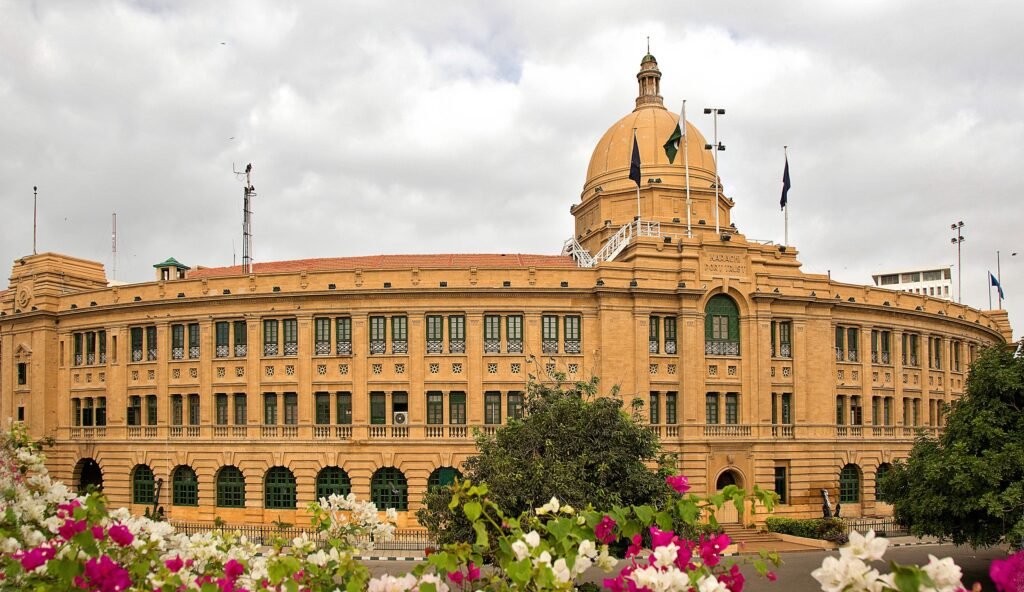
KARACHI — Karachi Port Trust is currently handling one of the world’s largest container vessels, the MSC Erica, which arrived at the South Asia Pakistan Terminals Limited (SAPTL) on July 12, 2026. This event underscores the port’s capability to manage ultra-large container ships, a significant achievement for Pakistan’s maritime infrastructure. What Happened The MSC Erica, a mega vessel measuring 398.5 meters in length, docked at Karachi Port, marking a notable event in the port’s operational history. The vessel, which boasts a beam of 59 meters and a draught of 12 meters, has a carrying capacity of 20,000 TEUs and a gross tonnage of 194,308 metric tons. During its stay, over 3,000 containers are expected to be handled, according to the Karachi Port Trust’s statement. The arrival of MSC Erica is not just a routine docking but a testament to the port’s enhanced capabilities. The Master of MSC Erica praised the Karachi Port Pilots for their exemplary professionalism and safe ship handling. He described Karachi Port as one of the best in the region, highlighting the port’s warm hospitality and efficient operations. After completing its cargo operations at Karachi Port, MSC Erica is scheduled to sail onward to Dalian, China. This seamless transition of cargo operations indicates the port’s readiness to handle international maritime traffic efficiently. Background Karachi Port has long been a pivotal maritime hub in Pakistan, playing a crucial role in the country’s trade and logistics. Over the years, the port has undergone significant upgrades to accommodate larger vessels, in line with global shipping trends that favor economies of scale. The ability to handle vessels like the MSC Erica is a result of these strategic developments. Historically, Karachi Port has been central to Pakistan’s import and export activities, facilitating trade routes that connect South Asia with the rest of the world. The port’s infrastructure has been continually improved to meet the demands of increasing maritime traffic and larger ships. Why It Matters The successful docking and handling of the MSC Erica at Karachi Port have several implications for Pakistan’s maritime and economic landscape. Firstly, it demonstrates the port’s capacity to handle some of the largest container ships in the world, which is crucial for maintaining competitive trade operations on an international scale. Economically, the ability to accommodate such large vessels can lead to increased trade volumes, reduced shipping costs per container, and improved efficiency in cargo handling. This can enhance Pakistan’s position as a key player in regional and global trade networks, potentially attracting more shipping lines to choose Karachi as a preferred port of call. Socially, the increased activity at the port can lead to job creation and economic opportunities for the local population. The port’s operations can stimulate related sectors, such as logistics, transportation, and warehousing, contributing to economic growth and development in the region. On an international level, Karachi Port’s capability to handle mega vessels like the MSC Erica positions Pakistan as a significant maritime hub in South Asia. This can lead to stronger trade ties with countries in the region and beyond, fostering economic cooperation and integration. Key Takeaways Karachi Port successfully handled the mega vessel MSC Erica, showcasing its capacity to manage ultra-large container ships. The MSC Erica, with a length of 398.5 meters and a capacity of 20,000 TEUs, is one of the world’s largest container vessels. The port’s ability to accommodate such large ships highlights its strategic importance in global trade networks. This development can lead to increased trade volumes, reduced shipping costs, and economic growth for Pakistan. Karachi Port’s enhanced capabilities position it as a significant maritime hub in South Asia. Source Attribution This article is based on official government statements, press releases, and public communications from relevant authorities. Author: NEN Editorial Desk | Editor: NEN Newsroom | Fact Checked By: NEN Editorial Team Author: NEN Editorial Desk  |  Editor: NEN Newsroom  |  Last Updated: July 13, 2026  |  Source: Press Release from Government of Pakistan This article was produced by the NEN Editorial Desk in accordance with NEN Agency’s Editorial Policy and Fact-Checking Policy.

World

FPCCI Urges Economic Safeguards Amid Middle East Tensions

KARACHI — The Federation of Pakistan Chambers of Commerce and Industry (FPCCI) has called on the government to implement measures to shield the national economy from the potential repercussions of escalating tensions in the Middle East. On Monday, FPCCI President Atif Ikram Sheikh highlighted the need for a strategic economic response to the growing discord between the United States and Iran. What Happened The FPCCI, representing Pakistan’s business community, has expressed significant concern over the recent rise in geopolitical tensions between the United States and Iran. In a statement issued in Karachi, FPCCI President Atif Ikram Sheikh emphasized the urgent need for Pakistan to adopt proactive macroeconomic strategies to mitigate any adverse effects on its economy. Sheikh stated, “The current situation in the Middle East poses a serious threat to global economic stability, and Pakistan must be prepared to handle potential economic shocks.” The FPCCI’s call for action comes amid fears that the renewed crisis in the Middle East could disrupt global oil supplies, leading to increased energy prices and inflationary pressures in Pakistan. The business body has urged economic policymakers to devise a comprehensive crisis-response strategy that includes measures to stabilize the currency, manage inflation, and ensure the continuity of trade and investment flows. Sheikh further noted that the situation demands a coordinated approach involving both the government and private sector stakeholders to ensure that the country’s economic interests are safeguarded. He stressed the importance of maintaining investor confidence and preventing any disruptions to Pakistan’s economic growth trajectory. Background The tensions between the United States and Iran have been escalating over the past few months, with both countries engaging in a series of confrontations. The situation has raised concerns about the stability of the Middle East, a region that is crucial for global energy supplies. Historically, geopolitical conflicts in the Middle East have had significant impacts on global oil prices, which in turn affect economies worldwide, including Pakistan’s. Pakistan’s economy is particularly vulnerable to fluctuations in oil prices due to its reliance on imported energy. In the past, similar geopolitical tensions have led to increased import bills and inflationary pressures, straining the country’s foreign exchange reserves and fiscal stability. Why It Matters The potential fallout from the Middle East crisis is a pressing concern for Pakistan, given its economic vulnerabilities. The country is already grappling with challenges such as high inflation, a depreciating currency, and a burgeoning fiscal deficit. Any further economic shocks could exacerbate these issues, affecting the livelihoods of millions of Pakistanis. Economically, a rise in global oil prices would increase Pakistan’s import costs, leading to higher inflation. This could erode purchasing power and increase the cost of living for citizens. Additionally, higher energy costs would impact industrial production, potentially slowing down economic growth and affecting employment rates. Politically, the government’s ability to manage the economic fallout from the Middle East tensions will be crucial in maintaining public confidence and stability. Failure to do so could lead to increased public dissatisfaction and political unrest. On an international level, Pakistan’s economic stability is vital for its trade partners and investors. Any disruption could affect regional trade dynamics and investor sentiment, impacting long-term economic prospects. Key Takeaways The FPCCI has urged the government to implement economic safeguards against Middle East tensions. Geopolitical conflicts could disrupt global oil supplies, affecting Pakistan’s economy. Pakistan’s reliance on imported energy makes it vulnerable to oil price fluctuations. Economic stability is crucial for maintaining public confidence and political stability. Proactive measures are needed to protect trade and investment flows. Source Attribution This article is based on official statements and public communications from the Federation of Pakistan Chambers of Commerce and Industry. Author: NEN Editorial Desk | Editor: NEN Newsroom | Fact Checked By: NEN Editorial Team Author: NEN Editorial Desk  |  Editor: NEN Newsroom  |  Last Updated: July 13, 2026  |  Source: NEN Reporter This article was produced by the NEN Editorial Desk in accordance with NEN Agency’s Editorial Policy and Fact-Checking Policy.

World

Michael Bracewell Named Captain of Qalandars for 2026 Global Super League

LAHORE — Lahore Qalandars have announced the appointment of New Zealand all-rounder Michael Bracewell as the captain for the upcoming ExxonMobil Global Super League (GSL) 2026, scheduled to take place in Guyana. The announcement was made on Monday as the franchise aims to blend international experience with emerging Pakistani talent to make a significant impact on the global cricketing stage. What Happened The Lahore Qalandars, a prominent franchise in the cricket world, have strategically selected Michael Bracewell to lead their team in the prestigious Global Super League 2026. Bracewell, known for his versatile skills as an all-rounder, brings a wealth of experience from his international career with New Zealand. The decision reflects the franchise’s ambition to enhance its competitive edge by integrating seasoned international players with promising local talent. The Global Super League, sponsored by ExxonMobil, is set to be hosted in Guyana, attracting top-tier cricketing talent from around the world. The tournament promises to be a showcase of high-caliber cricket, with teams vying for supremacy on an international platform. Bracewell’s leadership is expected to be pivotal in steering the Qalandars towards success in this competitive environment. The franchise has been proactive in assembling a squad that not only includes seasoned international players but also focuses on nurturing emerging talent from Pakistan. This strategic approach aims to provide a platform for young cricketers to gain invaluable experience and exposure by playing alongside and against some of the best in the world. Background The Lahore Qalandars have been a significant presence in various cricket leagues, including the Pakistan Super League (PSL). Known for their commitment to promoting cricket at the grassroots level, the franchise has consistently invested in talent development programs. Their player development initiatives have produced several notable cricketers who have gone on to represent Pakistan at the international level. Michael Bracewell’s appointment as captain comes at a time when the Qalandars are looking to strengthen their position in the global cricketing arena. Bracewell, who has played for New Zealand in various formats, is recognized for his leadership qualities and ability to perform under pressure. His experience in international cricket is expected to be a valuable asset for the Qalandars as they aim to excel in the Global Super League. Why It Matters The appointment of Michael Bracewell as captain of the Lahore Qalandars for the Global Super League 2026 is significant for several reasons. Firstly, it underscores the franchise’s commitment to enhancing its competitive stature by integrating international expertise with local talent. This approach not only boosts the team’s chances of success but also provides a learning opportunity for young Pakistani players. Economically, the participation of an internationally acclaimed player like Bracewell can attract sponsorships and increase the franchise’s marketability. The Global Super League itself is a lucrative platform that can enhance the visibility and commercial appeal of participating teams. For the Qalandars, having a strong showing in the tournament can lead to increased brand recognition and financial gains. Socially, the involvement of international players in Pakistani franchises promotes cultural exchange and fosters goodwill. It provides local players with exposure to diverse playing styles and strategies, thereby enriching their cricketing acumen. For fans, it offers an opportunity to witness high-quality cricket and support their team on a global stage. Key Takeaways Michael Bracewell has been appointed as the captain of Lahore Qalandars for the Global Super League 2026. The tournament will be held in Guyana and features top-tier international cricket talent. Lahore Qalandars aim to blend international experience with emerging Pakistani talent. The franchise’s strategy includes nurturing local talent through exposure to global cricket. The Global Super League offers economic and social benefits, enhancing the team’s marketability and fostering cultural exchange. Source Attribution This article is based on official statements and public communications from the Lahore Qalandars and relevant cricketing authorities. Author: NEN Editorial Desk | Editor: NEN Newsroom | Fact Checked By: NEN Editorial Team Author: NEN Editorial Desk  |  Editor: NEN Newsroom  |  Last Updated: July 13, 2026  |  Source: NEN Reporter This article was produced by the NEN Editorial Desk in accordance with NEN Agency’s Editorial Policy and Fact-Checking Policy.

Scroll to Top