

World

Welcome to the World section of NEN Agency, your window to the stories shaping our planet. From global politics and economic shifts to science breakthroughs, cultural moments, and humanitarian crises, we connect you to events that matter — wherever they happen.

Inside This Category

  • Global Politics & Diplomacy: International relations, summits, and policy shifts.

  • World Economy & Trade: Market trends, trade agreements, and financial developments.

  • Conflicts & Security: Coverage of wars, peace efforts, and security challenges.

  • Science & Environment: Climate change, technological advances, and space exploration.

  • Culture & Society: Arts, sports, and lifestyle stories from around the globe.

Why Our World Coverage Stands Out
We deliver global news with context, helping readers see how events beyond borders influence life in Pakistan and the wider region.

World

Twin Sisters Propel Pakistan in MMA Contender Series

LAHORE — The inaugural PAKMMAF ACTIVIT Contender Series, held at Fight HQ in Lahore, showcased Pakistan’s burgeoning talent in mixed martial arts (MMA) on July 13. The event, organized by the Pakistan Mixed Martial Arts Federation (PAKMMAF), featured 12 elite contests, highlighting the prowess of local fighters, including a standout performance by twin sisters who are making waves in the sport. What Happened The Contender Series served as a platform to bridge the gap between domestic competitions and the international MMA stage. The event was a significant step forward for Pakistan’s MMA community, aiming to prepare fighters for the International Mixed Martial Arts Federation (IMMAF) World Championships. Among the participants were twin sisters who have been gaining attention for their skills and determination, positioning themselves as key figures in Pakistan’s MMA scene. The event was not just a display of physical prowess but also a testament to the strategic planning and development efforts by PAKMMAF. “Our goal is to elevate the standard of MMA in Pakistan and provide our athletes with the exposure they need to compete internationally,” stated a PAKMMAF spokesperson. The series featured a mix of experienced fighters and promising newcomers, all vying for a spot on the national team that will represent Pakistan at the upcoming IMMAF World Championships. The twin sisters, often referred to as the ‘Star Duo’, are celebrated for their synchronized fighting style and strategic acumen in the ring. Their participation in the Contender Series was met with enthusiasm from fans and officials alike, as they continue to inspire a new generation of female athletes in a predominantly male-dominated sport. Background Mixed martial arts has been steadily gaining popularity in Pakistan over the past decade. The establishment of the PAKMMAF has played a crucial role in organizing events and nurturing talent across the country. Prior to the Contender Series, Pakistani fighters have participated in various international competitions, but this event marks a concerted effort to create a structured pathway for athletes aiming for global recognition. The IMMAF World Championships represent the pinnacle of amateur MMA competition, providing fighters with a platform to showcase their skills on an international stage. Pakistan’s participation in these championships has been sporadic in the past, primarily due to logistical and financial constraints. However, with initiatives like the Contender Series, PAKMMAF is laying the groundwork for sustained international presence. Why It Matters The successful execution of the Contender Series is a significant milestone for Pakistan’s sports community, particularly in the realm of MMA. It underscores the growing interest and investment in sports beyond traditional cricket and hockey, diversifying the country’s athletic portfolio. This event not only highlights the potential of Pakistani fighters but also emphasizes the importance of developing sports infrastructure to support emerging talents. For the twin sisters and other participants, the series offers a chance to gain invaluable experience and exposure, critical for their development as professional athletes. Their journey reflects broader societal changes, where more women are breaking barriers and pursuing careers in sports traditionally dominated by men. Economically, the growth of MMA in Pakistan could lead to increased opportunities for sponsorships, sports tourism, and international collaborations. As more Pakistani fighters make their mark on the global stage, it could attract international coaches and trainers, further enhancing the skill level within the country. Key Takeaways The PAKMMAF ACTIVIT Contender Series showcased 12 elite MMA contests in Lahore. Twin sisters emerged as standout participants, inspiring female athletes in Pakistan. The event aims to prepare fighters for the IMMAF World Championships. MMA’s growth in Pakistan highlights a shift towards diversifying sports interests. Successful events like this could boost economic opportunities in sports tourism and sponsorships. Source Attribution This article is based on official government statements, press releases, and public communications from relevant authorities. Author: NEN Editorial Desk | Editor: NEN Newsroom | Fact Checked By: NEN Editorial Team Author: NEN Editorial Desk  |  Editor: NEN Newsroom  |  Last Updated: July 13, 2026  |  Source: NEN Reporter This article was produced by the NEN Editorial Desk in accordance with NEN Agency’s Editorial Policy and Fact-Checking Policy.

World

ICCI Highlights Need for Commercial Diplomacy to Boost Exports

ISLAMABAD — The Islamabad Chamber of Commerce and Industry (ICCI) has emphasized the necessity of integrating commercial diplomacy into Pakistan’s economic and foreign policy strategies. Acting President Tahir Ayub made this assertion on Monday while addressing a delegation of visiting industrialists, underscoring the role of diplomatic efforts in achieving sustainable export growth and attracting foreign investment. What Happened During a meeting with a group of industrialists, Tahir Ayub, Acting President of the ICCI, articulated the importance of commercial diplomacy in bolstering Pakistan’s economic prospects. He stressed that by prioritizing commercial diplomacy, Pakistan could not only enhance its export capabilities but also solidify its standing in both regional and global markets. Ayub highlighted that such a strategic approach would be instrumental in attracting foreign investment, which is crucial for the country’s economic development. Ayub noted that Pakistan’s current economic challenges necessitate a robust framework where economic and foreign policies are aligned to promote trade and investment. He remarked, “Placing commercial diplomacy at the heart of our economic and foreign policy is essential for sustainable export growth.” The meeting also included discussions on the potential benefits of fostering stronger ties with international markets and the need for a proactive approach in engaging with foreign stakeholders. The industrialists present at the meeting echoed Ayub’s sentiments, agreeing that a focus on commercial diplomacy could lead to increased market access and better trade relations. They also discussed the importance of government support in facilitating these diplomatic efforts and the need for policies that encourage innovation and competitiveness in the export sector. Background Pakistan’s economy has faced numerous challenges over the past decade, including fluctuating export levels, a widening trade deficit, and a need for increased foreign direct investment. Historically, the country’s export strategy has been hampered by a lack of diversification and reliance on a narrow range of products. Efforts to boost exports have often been met with limited success due to geopolitical tensions and inadequate infrastructure. Commercial diplomacy refers to the use of diplomatic channels and strategies to promote a country’s economic interests abroad. This includes negotiating trade agreements, fostering business partnerships, and advocating for favorable trade policies. In recent years, countries around the world have increasingly recognized the value of commercial diplomacy as a tool for economic growth. Why It Matters The emphasis on commercial diplomacy by the ICCI is significant for several reasons. Economically, it presents an opportunity for Pakistan to diversify its export base and reduce its trade deficit. By engaging more effectively with international markets, Pakistan can tap into new opportunities for growth and development. This is particularly important in the context of the global economic landscape, where competition for market access is fierce. Socially, increased exports and foreign investment can lead to job creation and improved living standards for the Pakistani population. As industries expand to meet international demand, there is potential for significant employment growth, which can contribute to poverty alleviation and economic stability. Politically, strengthening commercial diplomacy can enhance Pakistan’s geopolitical standing. By building stronger economic ties with other nations, Pakistan can improve its diplomatic relations and increase its influence on the global stage. This can lead to more favorable trade agreements and partnerships that benefit the country in the long term. Key Takeaways The ICCI stresses the importance of commercial diplomacy for sustainable export growth. Aligning economic and foreign policies is crucial for attracting foreign investment. Commercial diplomacy can enhance Pakistan’s standing in regional and global markets. Increased exports and investment can lead to job creation and economic stability. Strengthened diplomatic ties can improve Pakistan’s geopolitical influence. Source Attribution This article is based on official statements and communications from the Islamabad Chamber of Commerce and Industry. Author: NEN Editorial Desk | Editor: NEN Newsroom | Fact Checked By: NEN Editorial Team Author: NEN Editorial Desk  |  Editor: NEN Newsroom  |  Last Updated: July 13, 2026  |  Source: NEN Reporter This article was produced by the NEN Editorial Desk in accordance with NEN Agency’s Editorial Policy and Fact-Checking Policy.
World

Umluj Samr Honey Harvest Yields Over 5 Tons in Tabuk Region

UMLUJ — Beekeepers in the Umluj Governorate of Saudi Arabia’s Tabuk Region have commenced the annual samr honey harvest, with production exceeding five tons this year. The harvest takes advantage of the abundant samr trees prevalent across the governorate’s plains and valleys, contributing to a significant yield. What Happened In the Umluj Governorate, known for its rich biodiversity, the samr honey harvest season has officially begun. Local beekeepers are experiencing a fruitful season, with production surpassing five tons. This year’s harvest is particularly notable due to the favorable conditions provided by the widespread presence of samr trees, which are indigenous to the region. These trees flourish in the plains and valleys of Umluj, creating an ideal environment for honey production. Samr honey, derived from the nectar of the samr tree, is highly valued for its unique flavor and medicinal properties. The harvesting process involves careful extraction techniques to ensure the purity and quality of the honey. Beekeepers in the region employ traditional methods, honed over generations, to harvest the honey while preserving the delicate balance of the local ecosystem. One local beekeeper stated, “The samr honey season is a crucial time for us. The trees have blossomed beautifully this year, and we are seeing a great yield. It’s a testament to the rich natural resources of Umluj.” The harvest not only supports the livelihoods of local beekeepers but also contributes to the region’s economy through both domestic sales and exports. Background The Tabuk Region, located in the northwestern part of Saudi Arabia, is renowned for its diverse flora and fauna. The samr tree, a species of acacia, is particularly abundant in this area. Historically, the region has been a hub for honey production, with beekeeping practices dating back centuries. The cultivation of samr honey is deeply embedded in the cultural heritage of the region, with traditional methods passed down through generations. In recent years, there has been a growing global interest in samr honey due to its distinct taste and health benefits. This has led to increased efforts to promote and expand honey production in the region, aligning with broader initiatives to diversify the local economy and promote sustainable agricultural practices. Why It Matters The successful harvest of over five tons of samr honey in Umluj is significant for several reasons. Economically, it provides a vital source of income for local beekeepers and contributes to the region’s agricultural output. The honey industry in Umluj not only supports local livelihoods but also plays a role in Saudi Arabia’s broader economic diversification efforts. Socially, the harvest reinforces the cultural traditions of the region, preserving the knowledge and skills associated with traditional beekeeping. This cultural heritage is an integral part of the community’s identity and offers opportunities for cultural tourism, attracting visitors interested in experiencing the unique aspects of the region’s agricultural practices. Internationally, the increased production of samr honey positions Umluj as a key player in the global honey market. The distinctive qualities of samr honey, coupled with its health benefits, make it an attractive product for export. This can enhance Saudi Arabia’s reputation as a producer of high-quality, natural products, contributing to its standing in international markets. Key Takeaways Umluj Governorate in Tabuk Region has commenced its annual samr honey harvest, yielding over five tons. The abundant presence of samr trees in the region’s plains and valleys has contributed to a bountiful harvest. Samr honey is valued for its unique flavor and medicinal properties, supporting local and export markets. The harvest is significant for local economic growth, cultural preservation, and international market positioning. Traditional beekeeping practices in Umluj are integral to the region’s cultural heritage and economic sustainability. Source Attribution This article is based on official government statements, press releases, and public communications from relevant authorities. Author: NEN Editorial Desk | Editor: NEN Newsroom | Fact Checked By: NEN Editorial Team Author: NEN Editorial Desk  |  Editor: NEN Newsroom  |  Last Updated: July 13, 2026  |  Source: NEN Reporter This article was produced by the NEN Editorial Desk in accordance with NEN Agency’s Editorial Policy and Fact-Checking Policy.
World

Pakistan Releases New Foreign Exchange Rates Amid Economic Challenges

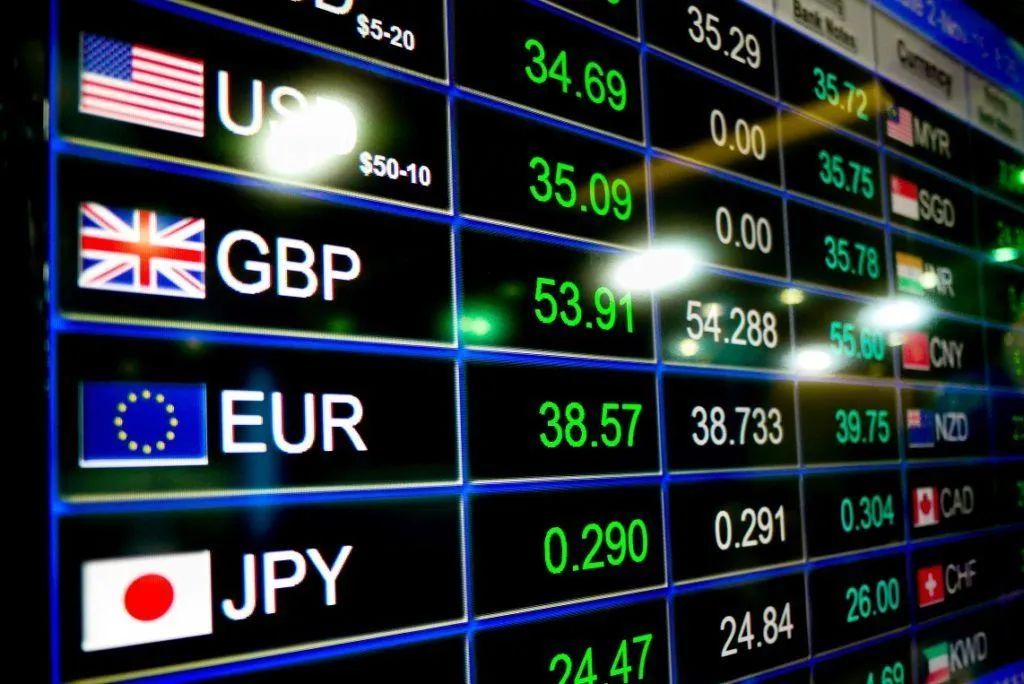
KARACHI — The Exchange Rates Committee of the Financial Markets Association of Pakistan announced updated foreign exchange rates on Monday, reflecting the country’s ongoing economic adjustments. The bulletin, issued for July 13, 2026, provides conversion rates for various currencies, crucial for forward cover and deposit transactions, excluding FE-25 deposits. The settlement value date set by the State Bank of Pakistan (SBP) is July 15, 2026. What Happened The Financial Markets Association of Pakistan’s Exchange Rates Committee released its latest bulletin detailing the foreign exchange rates applicable for July 13, 2026. This update is critical for businesses and financial institutions engaged in international trade and transactions. According to the bulletin, the conversion rate for the US dollar stands at 278.0081, the British pound at 372.8366, the euro at 317.8188, and the Japanese yen at 1.7195. These rates are set to guide forward cover for deposits, excluding FE-25 deposits, with the SBP’s settlement value date scheduled for July 15, 2026. The announcement comes as Pakistan continues to navigate economic challenges, including fluctuating currency values and inflationary pressures. The foreign exchange rates are a vital tool for businesses and investors to manage risks associated with currency fluctuations. The rates are determined based on multiple factors, including international market trends and domestic economic conditions. Background Pakistan’s economy has been under significant strain in recent years, grappling with issues such as high inflation, a depreciating currency, and external debt obligations. The foreign exchange rate is a critical component of the country’s economic framework, influencing everything from import costs to inflation rates. Historically, the Pakistani rupee has faced devaluation pressures, prompting the government and the central bank to implement various monetary policies aimed at stabilizing the currency. The State Bank of Pakistan plays a crucial role in managing the country’s foreign exchange reserves and setting monetary policy. In recent years, the SBP has taken steps to enhance transparency and predictability in exchange rate management, aligning with international best practices. The regular issuance of exchange rate bulletins is part of these efforts, providing stakeholders with timely and accurate information. Why It Matters The release of updated foreign exchange rates is significant for Pakistan’s economy, impacting a wide range of sectors. For businesses engaged in international trade, accurate and up-to-date exchange rates are essential for pricing goods and services, managing financial risks, and making informed investment decisions. The rates also affect the cost of imports, which in turn influences domestic inflation and consumer prices. For the financial sector, exchange rates are crucial for managing foreign currency transactions and hedging against currency risks. Banks and financial institutions rely on these rates to offer competitive services to their clients, including forward contracts and currency swaps. The stability of exchange rates is also a key factor in attracting foreign investment, as investors seek predictable returns in a stable economic environment. On a broader scale, the exchange rate is a reflection of the country’s economic health and its ability to meet international financial obligations. A stable and predictable exchange rate regime can enhance investor confidence and support economic growth. Conversely, volatility in exchange rates can lead to uncertainty, affecting business planning and economic stability. Key Takeaways The Exchange Rates Committee of the Financial Markets Association of Pakistan released new foreign exchange rates for July 13, 2026. The US dollar is set at 278.0081, the British pound at 372.8366, the euro at 317.8188, and the Japanese yen at 1.7195. The rates are crucial for businesses and financial institutions in managing currency risks and international transactions. Stable exchange rates are vital for economic growth, investor confidence, and managing inflation. The State Bank of Pakistan’s settlement value date for these rates is July 15, 2026. Source Attribution This article is based on official government statements, press releases, and public communications from relevant authorities. Author: NEN Editorial Desk | Editor: NEN Newsroom | Fact Checked By: NEN Editorial Team Author: NEN Editorial Desk  |  Editor: NEN Newsroom  |  Last Updated: July 13, 2026  |  Source: NEN Reporter This article was produced by the NEN Editorial Desk in accordance with NEN Agency’s Editorial Policy and Fact-Checking Policy.
World

Pakistan and Saudi Arabia to Enhance Economic and Energy Collaboration

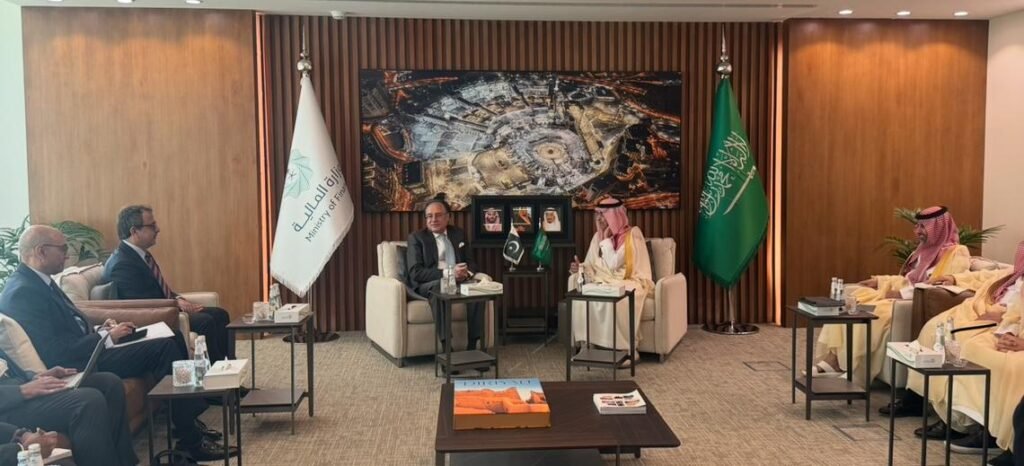
ISLAMABAD — Pakistan and Saudi Arabia have pledged to deepen their economic and energy ties following a high-level meeting between officials from both nations. On Sunday, Finance Minister Senator Muhammad Aurangzeb and Federal Minister for Energy (Power Division) Sardar Awais Ahmad Khan Leghari met with Saudi Finance Minister Mohammed bin Abdullah Al-Jadaan to explore avenues for strengthening bilateral cooperation in these critical sectors. What Happened The meeting, held in Riyadh, focused on identifying mutual interests and potential projects that could benefit both countries economically and strategically. According to the Pakistani delegation, discussions were centered around expanding trade, investment opportunities, and enhancing energy collaboration. Senator Aurangzeb emphasized the importance of Saudi investment in Pakistan’s energy sector, which has been a focal point of bilateral relations. Saudi Finance Minister Al-Jadaan expressed Saudi Arabia’s commitment to supporting Pakistan’s economic development. He highlighted the potential for increased Saudi investment in Pakistan, particularly in renewable energy projects, which align with Saudi Arabia’s Vision 2030 strategy aimed at diversifying its economy away from oil dependency. Both sides agreed to form joint working groups to expedite the implementation of agreed projects and to facilitate regular communication between relevant ministries and agencies. The meeting concluded with a mutual understanding to hold further discussions on specific projects in the coming months. Background Pakistan and Saudi Arabia have a long history of economic and strategic cooperation. The two countries have traditionally maintained strong bilateral relations, with Saudi Arabia being one of Pakistan’s largest trading partners in the Middle East. In recent years, both nations have sought to expand their collaboration beyond traditional areas such as defense and labor exports to include sectors like energy, infrastructure, and technology. Saudi investments in Pakistan have been significant, particularly in the energy sector. The Kingdom has previously invested in various projects, including oil refineries and power plants. The recent discussions are part of ongoing efforts to further enhance these investments and explore new opportunities in renewable energy and other sectors. Why It Matters The agreement to expand economic and energy cooperation between Pakistan and Saudi Arabia is significant for several reasons. Economically, it presents an opportunity for Pakistan to attract much-needed foreign investment, which can help stabilize its economy and create jobs. The focus on renewable energy aligns with global trends towards sustainable development and can help Pakistan reduce its reliance on fossil fuels. Politically, the strengthening of ties with Saudi Arabia enhances Pakistan’s strategic position in the region. Saudi Arabia’s support can be crucial for Pakistan in international forums and can help bolster its diplomatic standing. Additionally, increased collaboration can lead to more robust security cooperation, which is vital given the geopolitical dynamics of the Middle East and South Asia. For Saudi Arabia, investing in Pakistan’s energy sector provides a strategic foothold in South Asia, a region with significant economic potential. It also aligns with Saudi Arabia’s Vision 2030, which seeks to diversify the Kingdom’s economy and reduce its dependence on oil exports by investing in various sectors globally. Key Takeaways Pakistan and Saudi Arabia have agreed to enhance economic and energy cooperation following a high-level meeting. Discussions focused on expanding trade, investment opportunities, and energy collaboration, particularly in renewable energy. Both nations will form joint working groups to expedite project implementation and maintain regular communication. The agreement is part of broader efforts to diversify Saudi investments in line with Vision 2030. Strengthened ties with Saudi Arabia can bolster Pakistan’s economic stability and strategic position in the region. Source Attribution This article is based on official government statements, press releases, and public communications from relevant authorities. Author: NEN Editorial Desk | Editor: NEN Newsroom | Fact Checked By: NEN Editorial Team Author: NEN Editorial Desk  |  Editor: NEN Newsroom  |  Last Updated: July 12, 2026  |  Source: Press Release from Government of Pakistan This article was produced by the NEN Editorial Desk in accordance with NEN Agency’s Editorial Policy and Fact-Checking Policy.
World

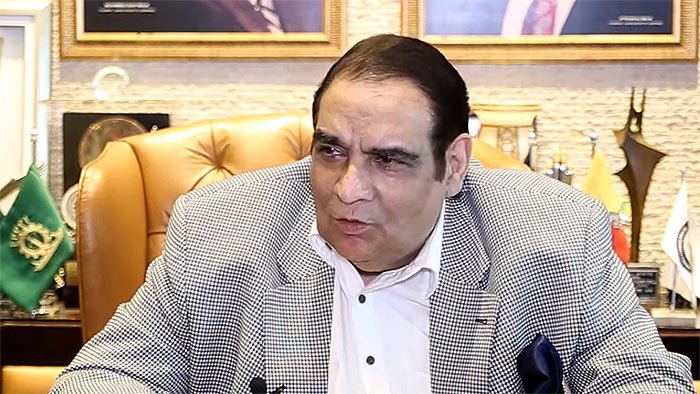
Pakistan, Saudi Arabia Discuss Women’s Rights at OIC Conference

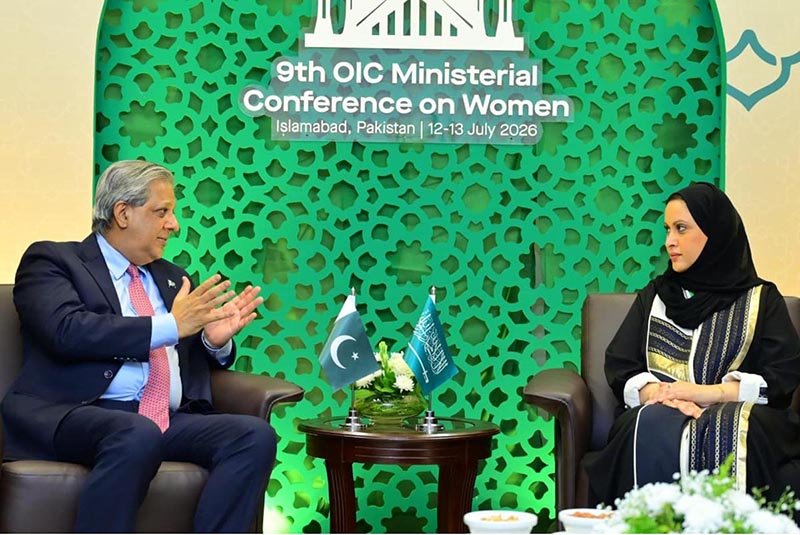
ISLAMABAD — Federal Minister for Human Rights, Senator Azam Nazeer Tarar, met with Dr Maimoonah Al Khalil, Secretary General of the Family Affairs Council, Government of Saudi Arabia, on the sidelines of the 9th OIC Ministerial Conference on Women. The meeting took place to discuss collaborative efforts in promoting women’s rights and empowerment across OIC member states. What Happened The meeting between Senator Azam Nazeer Tarar and Dr Maimoonah Al Khalil occurred during the 9th Organization of Islamic Cooperation (OIC) Ministerial Conference on Women, which was held to address pressing issues related to women’s rights in the Islamic world. The conference provided a platform for member states to share experiences, strategies, and policies aimed at enhancing the status of women in their respective countries. During the meeting, both representatives expressed their commitment to advancing women’s rights and discussed potential areas of collaboration. Senator Tarar emphasized the importance of joint efforts in addressing challenges faced by women, particularly in areas of education, health, and economic participation. He stated, “Our focus should be on creating an environment where women can thrive and contribute meaningfully to society.” Dr Al Khalil highlighted Saudi Arabia’s recent initiatives in promoting gender equality and women’s empowerment, citing reforms that have increased women’s participation in the workforce and leadership roles. She noted, “Saudi Arabia is keen to share its experiences and learn from other OIC member states to further enhance the role of women in our societies.” Background The OIC Ministerial Conference on Women is a significant event that brings together member states to discuss and develop policies aimed at improving the status of women. The conference aligns with the OIC’s broader objectives of promoting peace, security, and development in the Islamic world. Previous conferences have resulted in the adoption of various resolutions and action plans focused on women’s rights and empowerment. Pakistan has been an active participant in the OIC’s initiatives on women’s rights, with a focus on legislative reforms and policy measures to enhance gender equality. The country has implemented several programs aimed at increasing women’s access to education, healthcare, and economic opportunities. Why It Matters The collaboration between Pakistan and Saudi Arabia in the realm of women’s rights is significant for several reasons. Firstly, it underscores the importance of regional cooperation in addressing gender inequality, a challenge that transcends national borders and requires collective action. By working together, OIC member states can share best practices and develop comprehensive strategies that benefit women across the Islamic world. Economically, empowering women can lead to substantial growth and development. Studies have shown that increasing women’s participation in the workforce can boost GDP and improve overall economic stability. For countries like Pakistan and Saudi Arabia, where women’s labor force participation remains relatively low, such initiatives are crucial for sustainable development. Politically, enhancing women’s rights can lead to more inclusive governance and decision-making processes. By ensuring that women have a voice in political and social spheres, countries can create more balanced and equitable societies. This can also improve international perceptions and strengthen diplomatic ties among OIC member states. Key Takeaways Senator Azam Nazeer Tarar and Dr Maimoonah Al Khalil met to discuss women’s rights at the OIC conference. The meeting focused on collaborative efforts to promote gender equality in OIC member states. Saudi Arabia shared its recent reforms aimed at increasing women’s workforce participation. Pakistan emphasized the importance of joint initiatives to address challenges faced by women. The collaboration highlights the economic and political benefits of empowering women in the region. Source Attribution This article is based on official government statements, press releases, and public communications from relevant authorities. Author: NEN Editorial Desk | Editor: NEN Newsroom | Fact Checked By: NEN Editorial Team Author: NEN Editorial Desk  |  Editor: NEN Newsroom  |  Last Updated: July 12, 2026  |  Source: Press Release from Government of Pakistan This article was produced by the NEN Editorial Desk in accordance with NEN Agency’s Editorial Policy and Fact-Checking Policy.
World

Regional Peace Essential for Trade and Technology Growth: Iftikhar Malik

ISLAMABAD — Former President of the SAARC Chamber of Commerce and Industry, Iftikhar Ali Malik, emphasized on Sunday that achieving regional peace is crucial for unlocking significant trade, investment, and technological advancements. Malik’s statement underscores the potential benefits of a stable regional environment for enhancing Pakistan’s global economic competitiveness. What Happened In a statement released on Sunday, Iftikhar Ali Malik, who previously served as the President of the SAARC Chamber of Commerce and Industry, articulated the economic advantages of regional peace. He asserted that peace in the region could lead to expanded trade opportunities, increased foreign investment, and access to modern technology, all of which are vital for boosting Pakistan’s economic standing on the global stage. Malik highlighted that the absence of conflict and the establishment of harmonious relations among neighboring countries could significantly reduce trade barriers, thereby facilitating smoother and more efficient trade flows. “The real dividend of regional peace lies in expanding trade, attracting productive investment, and acquiring modern technology,” Malik stated, emphasizing that these elements are integral to enhancing Pakistan’s competitiveness in the international market. He further noted that regional cooperation could pave the way for collaborative initiatives in technology and innovation, which are essential for economic growth and development. Malik called for concerted efforts from all regional stakeholders to prioritize peace and stability, which he believes are the foundations for sustainable economic progress. Background The South Asian region has historically been fraught with political tensions and conflicts, which have often hindered economic cooperation and development. The SAARC (South Asian Association for Regional Cooperation) was established in 1985 to promote economic and regional integration. However, political disputes, particularly between India and Pakistan, have often stalled progress. Efforts to enhance regional trade and cooperation have been ongoing, with various initiatives aimed at reducing tariffs and non-tariff barriers. Despite these efforts, intra-regional trade remains low compared to other regions, accounting for only about 5 percent of South Asia’s total trade. In contrast, intra-regional trade in ASEAN (Association of Southeast Asian Nations) accounts for approximately 25 percent of total trade. Why It Matters The call for regional peace by Iftikhar Malik is significant as it highlights the critical link between political stability and economic prosperity. For Pakistan, a country with a strategic geopolitical location, regional peace could open up new avenues for economic growth by facilitating access to larger markets and fostering an environment conducive to foreign investment. Economically, regional peace could lead to the reduction of defense expenditures, allowing more resources to be allocated towards development projects and infrastructure improvements. This shift could result in better public services and improved quality of life for citizens. On the international front, a peaceful South Asia could enhance the region’s attractiveness as a destination for global investors. With increased investment, countries in the region could benefit from technology transfer, job creation, and improved industrial capacity. Furthermore, regional peace could lead to collaborative efforts in addressing common challenges such as climate change, energy security, and public health, thereby fostering a more resilient and sustainable regional economy. Key Takeaways Regional peace is crucial for enhancing trade, investment, and technological advancements in Pakistan. Political stability can reduce trade barriers and facilitate smoother trade flows. Intra-regional trade in South Asia remains low compared to other regions, highlighting the need for improved cooperation. Economic growth through regional peace can lead to better public services and quality of life. Collaborative regional efforts can address common challenges and enhance economic resilience. Source Attribution This article is based on official statements and public communications from relevant authorities. Author: NEN Editorial Desk | Editor: NEN Newsroom | Fact Checked By: NEN Editorial Team Author: NEN Editorial Desk  |  Editor: NEN Newsroom  |  Last Updated: July 12, 2026  |  Source: NEN Reporter This article was produced by the NEN Editorial Desk in accordance with NEN Agency’s Editorial Policy and Fact-Checking Policy.
World

Sindh Government to Install Big Screens for Football World Cup Fans

KARACHI — The Sindh Government’s Department of Sports and Youth Affairs has announced plans to install large screens in various cities across the province to broadcast the semi-final and final matches of the Football World Cup, aiming to provide an engaging viewing experience for football enthusiasts. What Happened The initiative, spearheaded by the Sindh Government’s Department of Sports and Youth Affairs, is set to bring the excitement of the Football World Cup to fans across Sindh. Large screens will be strategically placed in multiple divisions and districts, allowing communities to come together and enjoy the semi-final and final matches of the tournament. The semi-finals are scheduled for July 15 and 16, while the final will take place on July 20. Sindh Minister for Sports and Youth Affairs, Sardar Muhammad Bakhsh Khan Mahar, outlined the locations where these screenings will occur. In Karachi, the screenings will be held at the Youth Development Center in Sharafi Goth, Malir district. Other locations include Samdia Hotel in Shaheed Benazirabad, Khara Complex in Larkana, Sindh Sports Board Hostel in Hyderabad, and Gamma Stadium in Mirpurkhas. Additionally, Sukkur’s Municipal Stadium and Rohri Football Ground will host screenings, with the latter only showing the final match. In Ghotki, the Sardar Ali Muhammad Khan Mahar Sports Complex will screen all three matches, while Thatta Sports Complex will broadcast only the final match. Minister Mahar emphasized that this initiative is part of the government’s broader efforts to promote sports and encourage healthy activities among the youth. He stated, “Watching global events like the Football World Cup will strengthen sports promotion, boost youth enthusiasm, and further develop the football culture in the province.” Background Football has been gaining popularity in Pakistan, particularly among the youth. While cricket remains the dominant sport, football’s global appeal and the excitement surrounding events like the World Cup have contributed to its growing fan base. The Sindh Government has been proactive in promoting various sports through infrastructure development and community engagement programs. The decision to broadcast the World Cup matches on big screens is part of a series of initiatives aimed at fostering a sports culture in the province. In recent years, the government has invested in building and upgrading sports facilities to provide better opportunities for young athletes. Why It Matters This initiative is significant for several reasons. Economically, it encourages local businesses around the screening venues to benefit from increased foot traffic, as fans gather to watch the matches. Socially, it provides a platform for community engagement, bringing people together to celebrate a shared passion for football. Politically, the move demonstrates the government’s commitment to youth development and sports promotion, aligning with broader national goals to enhance the country’s sports infrastructure and international sporting presence. By promoting football, the government also taps into the sport’s potential to unify diverse communities across Sindh. On an international level, showcasing the World Cup in this manner highlights Pakistan’s engagement with global sporting events, potentially attracting international attention and fostering a positive image of the country as a supporter of global sports culture. Key Takeaways The Sindh Government will install large screens in various cities to broadcast the Football World Cup semi-final and final matches. Screenings will take place in Karachi, Shaheed Benazirabad, Larkana, Hyderabad, Mirpurkhas, Sukkur, Rohri, Ghotki, and Thatta. The initiative aims to promote sports, encourage healthy activities, and develop football culture among the youth in Sindh. This effort is part of the government’s broader strategy to enhance sports infrastructure and community engagement. The screenings are expected to boost local economies and foster community unity through shared sports experiences. Source Attribution This article is based on official government statements, press releases, and public communications from relevant authorities. Author: NEN Editorial Desk | Editor: NEN Newsroom | Fact Checked By: NEN Editorial Team Author: NEN Editorial Desk  |  Editor: NEN Newsroom  |  Last Updated: July 12, 2026  |  Source: Press Release from Government of Sindh This article was produced by the NEN Editorial Desk in accordance with NEN Agency’s Editorial Policy and Fact-Checking Policy.
World

Punjab CM Honors Malala Yousafzai for Advocacy in Girls’ Education

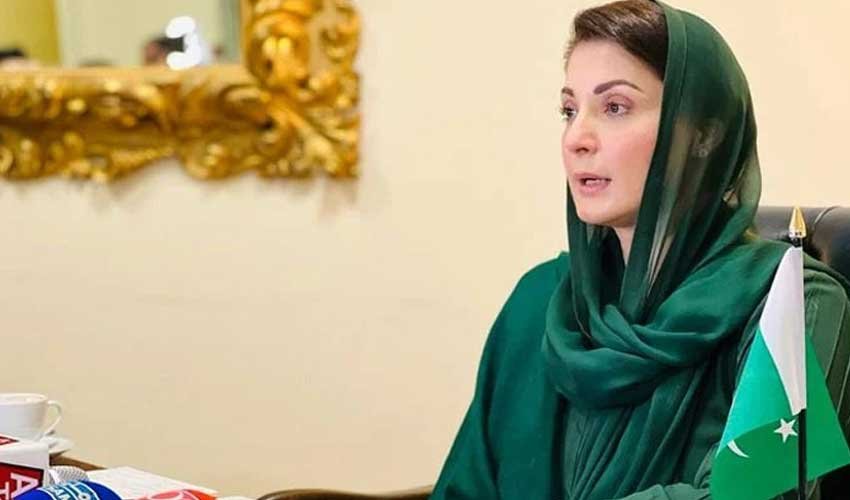
LAHORE — Punjab Chief Minister Maryam Nawaz Sharif on Sunday commended Malala Yousafzai for her relentless efforts in championing girls’ education globally. In a statement, she hailed Yousafzai as a beacon of hope and a symbol of peace, acknowledging her sacrifices and dedication to the cause. What Happened During a public address in Lahore, Chief Minister Maryam Nawaz Sharif expressed profound admiration for Malala Yousafzai, the youngest Nobel Peace Prize laureate, for her unwavering commitment to promoting education for girls. Sharif described Yousafzai as “Pakistan’s daughter” and emphasized her role as a global ambassador for peace and knowledge. The Chief Minister highlighted Malala’s journey from a young girl in Swat Valley to an international advocate for education, noting the courage and resilience she displayed in the face of adversity. “Malala Yousafzai’s dedication to girls’ education is unparalleled. Her journey is a testament to the power of education and the strength of the human spirit,” Sharif stated. The Chief Minister also pointed out the importance of supporting initiatives that align with Yousafzai’s vision, stressing the need for continued investment in educational infrastructure and resources for girls across Pakistan. Background Malala Yousafzai rose to prominence after surviving an assassination attempt by the Taliban in 2012, when she was targeted for advocating for girls’ education in Pakistan. Her activism began in 2009, when she wrote a blog under a pseudonym for the BBC Urdu, detailing her life under Taliban rule and her views on promoting education for girls. Her advocacy has since gained international recognition, culminating in her receiving the Nobel Peace Prize in 2014 at the age of 17. In Pakistan, education for girls has historically faced numerous challenges, including cultural barriers, poverty, and militant opposition. Despite these obstacles, efforts have been made to improve access to education for girls, with various government and non-governmental organizations working to enhance educational opportunities. Why It Matters The recognition of Malala Yousafzai’s efforts by a prominent political figure like Chief Minister Maryam Nawaz Sharif underscores the critical importance of education in Pakistan’s socio-economic development. Education is a fundamental right and a crucial element in empowering women and fostering economic growth. By highlighting Malala’s contributions, the Chief Minister is drawing attention to the broader issue of gender equality in education, which remains a significant challenge in the country. Investing in girls’ education has far-reaching implications for Pakistan’s future. Educated women are more likely to participate in the workforce, contribute to the economy, and improve the health and education of their own children, creating a positive cycle of development. Moreover, promoting education for girls aligns with Pakistan’s commitments to international frameworks such as the United Nations Sustainable Development Goals, particularly Goal 4, which aims to ensure inclusive and equitable quality education for all. Malala Yousafzai’s advocacy continues to inspire global efforts towards educational equity, and her recognition by Pakistani leaders serves as a reminder of the ongoing need to support and expand educational opportunities for girls. This acknowledgment also reflects a growing awareness among policymakers of the transformative power of education in achieving social and economic progress. Key Takeaways Punjab Chief Minister Maryam Nawaz Sharif praised Malala Yousafzai for her dedication to girls’ education. Malala Yousafzai is recognized globally for her advocacy and received the Nobel Peace Prize in 2014. Education for girls remains a critical issue in Pakistan, with significant socio-economic implications. Investing in education aligns with international commitments and promotes gender equality. Recognition from political leaders highlights the importance of educational advocacy in Pakistan. Source Attribution This article is based on official government statements and public communications from relevant authorities. Author: NEN Editorial Desk | Editor: NEN Newsroom | Fact Checked By: NEN Editorial Team Author: NEN Editorial Desk  |  Editor: NEN Newsroom  |  Last Updated: July 12, 2026  |  Source: NEN Reporter This article was produced by the NEN Editorial Desk in accordance with NEN Agency’s Editorial Policy and Fact-Checking Policy.

World

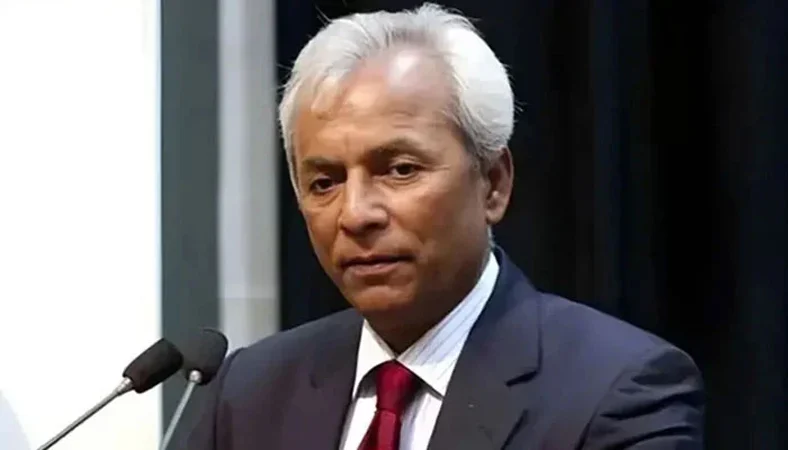
Sindh Governor Stresses Hope as Key to National Development

KARACHI — Governor of Sindh Syed Muhammad Nehal Hashmi emphasized the critical role of hope in fostering a better future and advancing national development during the observance of the International Day of Hope on July 12. Speaking at a public event, Hashmi highlighted the importance of nurturing hope and positive thinking, particularly among the youth, as essential elements for overcoming challenges and achieving collective national goals. What Happened On the occasion of the International Day of Hope, Governor Syed Muhammad Nehal Hashmi addressed a gathering in Karachi, underscoring the significance of hope as a foundational element for national progress. He articulated that hope, coupled with unity and determination, is vital for addressing the myriad challenges facing Pakistan today. Hashmi stated, “Every challenge can be overcome through unity, determination, and hope,” emphasizing that these qualities are instrumental in building a peaceful and prosperous nation. The governor further elaborated on the necessity of instilling hope and positive thinking among the younger generation. He remarked that the youth are the future leaders of the country, and their mindset will significantly influence Pakistan’s trajectory. “The promotion of hope and positive thinking among young people is the need of the hour,” Hashmi noted, advocating for educational and social initiatives that encourage optimism and resilience. Hashmi also highlighted the broader message of the International Day of Hope, which advocates for humanity, peace, and mutual cooperation. He called for collective efforts from all sectors of society to work towards these ideals, suggesting that such unity is crucial for national development and stability. Background The International Day of Hope is observed globally to promote a message of optimism and cooperation among individuals and communities. It serves as a reminder of the power of hope in overcoming adversity and fostering positive change. In Pakistan, the day is marked by various activities aimed at encouraging hopefulness and unity among the populace. Governor Hashmi’s statements come at a time when Pakistan is grappling with numerous socio-economic challenges, including political instability, economic difficulties, and social unrest. Historically, the country has faced periods of significant turmoil, which have tested the resilience and optimism of its citizens. In this context, the governor’s emphasis on hope and unity is particularly pertinent. Why It Matters The governor’s focus on hope as a catalyst for national development holds significant implications for Pakistan’s future. In a country where economic and political challenges are prevalent, fostering a culture of hope and optimism can play a crucial role in mobilizing citizens towards constructive action. By encouraging positive thinking and unity, leaders can inspire the populace to engage in efforts that contribute to national progress. Economically, a hopeful and optimistic society is more likely to invest in long-term development initiatives, fostering innovation and entrepreneurship. Socially, promoting hope can lead to greater community cohesion and resilience, reducing tensions and fostering peace. Politically, leaders who emphasize hope can build trust and confidence among the electorate, facilitating more effective governance and policy implementation. Moreover, the governor’s call for collective efforts underscores the importance of collaboration across different sectors of society. By working together, government, private sector, and civil society can create synergies that enhance national development and stability. This approach aligns with global trends towards inclusive and participatory governance models that prioritize cooperation and shared goals. Key Takeaways Governor Syed Muhammad Nehal Hashmi emphasized hope as essential for national development during the International Day of Hope. He highlighted the importance of promoting hope and positive thinking among the youth to overcome national challenges. The International Day of Hope advocates for humanity, peace, and mutual cooperation, aligning with the governor’s message. Fostering a culture of hope can have significant economic, social, and political benefits for Pakistan. Collective efforts from all sectors of society are deemed essential for achieving national progress and stability. Source Attribution This article is based on official government statements and public communications from relevant authorities. Author: NEN Editorial Desk | Editor: NEN Newsroom | Fact Checked By: NEN Editorial Team Author: NEN Editorial Desk  |  Editor: NEN Newsroom  |  Last Updated: July 12, 2026  |  Source: Press Release from Government of Pakistan This article was produced by the NEN Editorial Desk in accordance with NEN Agency’s Editorial Policy and Fact-Checking Policy.

Scroll to Top