
World

Welcome to the World section of NEN Agency, your window to the stories shaping our planet. From global politics and economic shifts to science breakthroughs, cultural moments, and humanitarian crises, we connect you to events that matter — wherever they happen.

Inside This Category

  • Global Politics & Diplomacy: International relations, summits, and policy shifts.

  • World Economy & Trade: Market trends, trade agreements, and financial developments.

  • Conflicts & Security: Coverage of wars, peace efforts, and security challenges.

  • Science & Environment: Climate change, technological advances, and space exploration.

  • Culture & Society: Arts, sports, and lifestyle stories from around the globe.

Why Our World Coverage Stands Out
We deliver global news with context, helping readers see how events beyond borders influence life in Pakistan and the wider region.

World

Faisalabad Chamber Unveils Election Schedule for 2026-28 Term

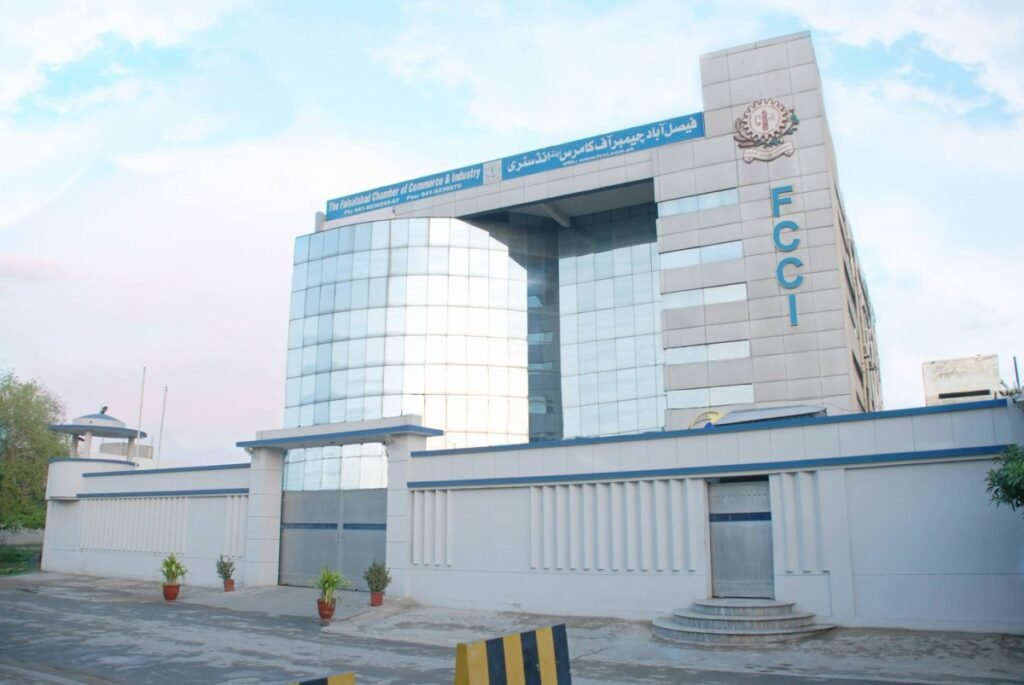
FAISALABAD — The Faisalabad Chamber of Commerce & Industry (FCCI) has officially announced the election schedule for the 2026-28 term, establishing a three-member Election Commission led by former chamber presidents. This development was confirmed during a meeting chaired by FCCI President Farooq Yousaf Sheikh, as per an FCCI spokesperson. What Happened The FCCI has taken a significant step in preparing for its upcoming elections by unveiling the schedule for the 2026-28 term. During a meeting of the Executive Committee, the formation of the Election Commission was approved. This commission is composed of former FCCI presidents Muzzamil Sultan, Atif Munir, and Chaudhary Muhammad Nawaz, who will oversee the election process. According to the announced schedule, FCCI members have until July 18, 2026, to submit requests for amendments to the provisional voter list to the Secretary General. The provisional list will be displayed on the chamber’s notice board by July 22, with objections against it accepted until July 29, 2026. The Secretary General will communicate decisions on these objections by August 3, allowing aggrieved members to appeal before the election commission by August 6. The commission will resolve all appeals by August 10. Further appeals against the commission’s decisions can be submitted to the regulator by August 13, with outcomes announced by August 24, 2026. The final voter list will be displayed on August 26, 2026. Eligible voters wishing to contest the Executive Committee elections must submit nomination papers by August 31. Scrutiny of these papers will occur on September 1, with the list of valid candidates released the same day. Polling for Corporate Class seats is scheduled for September 21, followed by polling for Associate Class seats on September 22, 2026. Vote counting will begin immediately after polling, with provisional results announced promptly. Elected Executive Committee members can file nomination papers for the positions of President, Senior Vice President, and Vice President by September 25, with scrutiny taking place on the same day. The election for office-bearers will be held on September 28, and the newly elected officials will be formally announced at the Chamber’s Annual General Meeting on September 30, 2026. Background The FCCI, a key player in the business community of Faisalabad, has historically played a vital role in advocating for the interests of local businesses. The chamber’s elections are a significant event, as they determine the leadership that will guide the organization in addressing economic challenges and fostering growth. The election process, conducted every two years, is crucial for maintaining transparency and democratic governance within the chamber. Faisalabad, known as the Manchester of Pakistan, is a major industrial and distribution center in the country. The FCCI’s leadership is pivotal in facilitating trade, addressing policy issues, and promoting economic development in the region. Why It Matters The upcoming FCCI elections are critical not only for the chamber but also for the broader business community in Faisalabad. The elected leadership will be responsible for steering the chamber through a period of economic challenges, including inflation, supply chain disruptions, and evolving trade policies. Effective leadership can enhance the chamber’s ability to advocate for favorable business conditions and attract investment to the region. Moreover, the election process itself is a testament to the democratic principles upheld by the FCCI, ensuring that members have a voice in selecting their representatives. This transparency is essential for building trust among members and ensuring that the chamber remains responsive to their needs. On a broader scale, the FCCI’s elections can influence regional economic policies and initiatives. The chamber’s leadership often collaborates with government bodies and other stakeholders to address issues such as infrastructure development, trade facilitation, and regulatory reforms. As such, the outcome of these elections could have implications for economic growth and development in Faisalabad and beyond. Key Takeaways The FCCI has announced the election schedule for its 2026-28 term, with a three-member Election Commission overseeing the process. Members have until July 18, 2026, to request amendments to the provisional voter list, with the final list displayed on August 26, 2026. Polling for Corporate and Associate Class seats will occur on September 21 and 22, respectively, with results announced immediately after. The newly elected President and other office-bearers will be announced at the Annual General Meeting on September 30, 2026. The elections are crucial for determining leadership that will address economic challenges and foster growth in Faisalabad. Source Attribution This article is based on official government statements, press releases, and public communications from relevant authorities. Author: NEN Editorial Desk | Editor: NEN Newsroom | Fact Checked By: NEN Editorial Team Author: NEN Editorial Desk  |  Editor: NEN Newsroom  |  Last Updated: July 15, 2026  |  Source: Press Release from Government of Pakistan This article was produced by the NEN Editorial Desk in accordance with NEN Agency’s Editorial Policy and Fact-Checking Policy.
World

RCCI Urges Enhanced Industry-Academia Ties for Knowledge Economy Growth

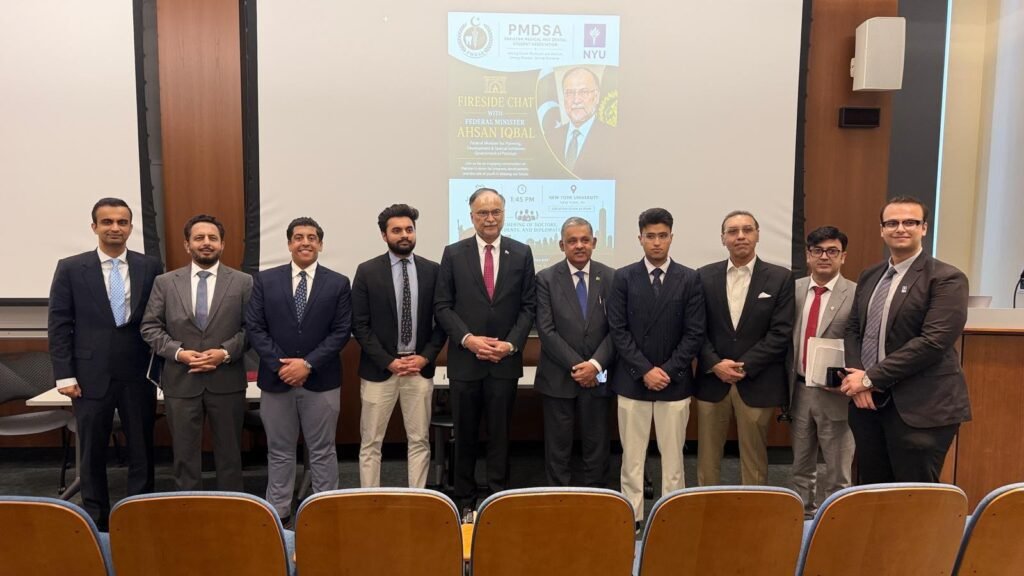
NEW YORK — The President of the Rawalpindi Chamber of Commerce and Industry (RCCI), Usman Shaukat, has emphasized the need for stronger collaboration between industry and academia to foster a knowledge-based economy. This call was made during a high-level interactive session at New York University (NYU), attended by Federal Minister for Planning, Development & Special Initiatives, Professor Ahsan Iqbal, and Pakistan’s Ambassador to the United States, Rizwan Saeed Sheikh. What Happened During the session at NYU, Usman Shaukat highlighted the pivotal role that industry-academia partnerships play in driving economic growth and innovation. He stated, “A robust collaboration between industry and academia is essential for creating a knowledge-based economy that can meet the challenges of the modern world.” The session was part of a broader initiative to strengthen Pakistan’s economic ties with international institutions and to explore opportunities for educational and technological exchanges. Professor Ahsan Iqbal, in his address, underscored the government’s commitment to enhancing educational infrastructure and fostering innovation through strategic partnerships. “Our goal is to transform Pakistan into a hub of knowledge and innovation,” he said. Rizwan Saeed Sheikh also echoed these sentiments, emphasizing the importance of international collaboration in achieving sustainable economic development. The event served as a platform for discussing potential avenues for cooperation between Pakistani institutions and international universities, particularly in areas of research and development, technology transfer, and entrepreneurship. The discussions aimed at identifying key sectors where such collaborations could yield significant benefits for Pakistan’s economy. Background Historically, Pakistan has faced challenges in integrating its educational institutions with the industrial sector, often resulting in a skills gap that affects economic productivity. The RCCI has been at the forefront of advocating for stronger ties between these sectors to bridge this gap. Previous initiatives have included partnerships with local universities to develop curricula that align with industry needs and the establishment of internship programs that provide students with practical experience. Globally, countries that have successfully transitioned to knowledge-based economies have demonstrated strong linkages between their educational institutions and industries. These collaborations have been instrumental in fostering innovation, enhancing competitiveness, and driving economic growth. Why It Matters The push for stronger industry-academia collaboration is crucial for Pakistan as it seeks to transition from a traditional economy to one that is driven by knowledge and innovation. Such a transition is expected to have far-reaching implications for the country’s economic landscape, including increased competitiveness, job creation, and improved quality of life for its citizens. Economically, a knowledge-based economy can lead to the development of high-value industries, reduce dependency on traditional sectors, and enhance export potential. Socially, it can result in a more educated workforce, capable of adapting to technological changes and contributing to societal advancement. Politically, strengthening educational and industrial ties can enhance Pakistan’s global standing, making it an attractive destination for foreign investment and partnerships. This can lead to increased economic stability and a stronger position in international negotiations. Internationally, such collaborations can open doors to new markets and technologies, facilitating the exchange of ideas and innovation. This can help Pakistan keep pace with global economic trends and ensure its long-term economic sustainability. Key Takeaways RCCI President Usman Shaukat calls for stronger industry-academia collaboration to drive a knowledge-based economy. The session at NYU focused on enhancing Pakistan’s educational and economic ties with international institutions. Federal Minister Ahsan Iqbal emphasized the government’s commitment to fostering innovation through strategic partnerships. Stronger industry-academia ties are expected to boost economic growth, job creation, and international competitiveness. Such collaborations are crucial for Pakistan’s transition to a knowledge-based economy and its global economic positioning. Source Attribution This article is based on official government statements, press releases, and public communications from relevant authorities. Author: NEN Editorial Desk | Editor: NEN Newsroom | Fact Checked By: NEN Editorial Team Author: NEN Editorial Desk  |  Editor: NEN Newsroom  |  Last Updated: July 15, 2026  |  Source: NEN Reporter This article was produced by the NEN Editorial Desk in accordance with NEN Agency’s Editorial Policy and Fact-Checking Policy.
World

Pakistan Reaffirms Support for UNOCHA’s Efforts in Palestinian Territories

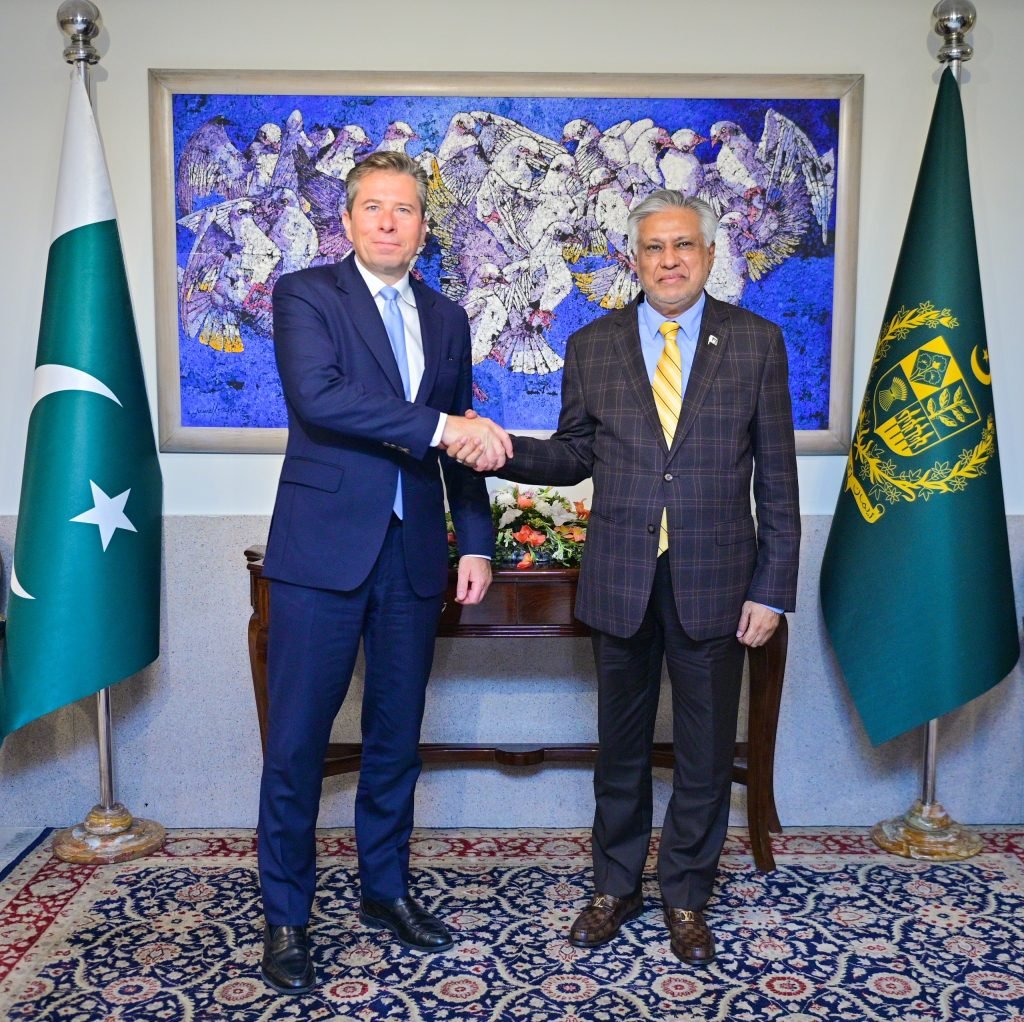
ISLAMABAD — Deputy Prime Minister and Foreign Minister Senator Mohammad Ishaq Dar on Wednesday reaffirmed Pakistan’s commitment to supporting the United Nations Office for the Coordination of Humanitarian Affairs (UNOCHA) in its efforts to address the humanitarian crisis in the Occupied Palestinian Territory. Dar praised UNOCHA’s role in providing essential assistance to those affected by ongoing conflicts. What Happened During a meeting held in Islamabad, Senator Mohammad Ishaq Dar highlighted the critical work undertaken by UNOCHA in the Occupied Palestinian Territory. He acknowledged the organization’s dedication to delivering humanitarian aid and facilitating coordination among various agencies to ensure effective relief efforts. Dar emphasized Pakistan’s unwavering support for UNOCHA’s initiatives aimed at alleviating the suffering of the Palestinian people. In his address, Dar stated, “Pakistan remains committed to supporting UNOCHA in its mission to provide humanitarian assistance in the Occupied Palestinian Territory. We recognize the immense challenges faced by the Palestinian people and stand in solidarity with them.” His remarks underscored Pakistan’s long-standing position on the Palestinian issue and its advocacy for international humanitarian efforts. UNOCHA has been actively involved in coordinating relief operations in the region, focusing on providing food, medical aid, and shelter to those affected by the conflict. The organization also plays a pivotal role in mobilizing resources and coordinating with other international agencies to ensure a comprehensive response to the humanitarian needs in the area. Background The humanitarian situation in the Occupied Palestinian Territory has been a matter of international concern for decades. The region has experienced prolonged conflict, resulting in significant humanitarian challenges. UNOCHA, established in 1991, has been instrumental in coordinating international relief efforts and addressing the needs of vulnerable populations in conflict zones worldwide, including Palestine. Pakistan has historically supported the Palestinian cause, advocating for a two-state solution and the establishment of an independent Palestinian state with pre-1967 borders. The country has consistently called for an end to the occupation and has supported various initiatives aimed at achieving peace and stability in the region. Why It Matters The reaffirmation of support by Pakistan for UNOCHA’s efforts in the Occupied Palestinian Territory holds significant implications both regionally and internationally. Pakistan’s commitment underscores its role as a key player in advocating for humanitarian assistance and political solutions to the Palestinian issue. This support aligns with Pakistan’s broader foreign policy objectives, which emphasize solidarity with oppressed populations and support for international humanitarian norms. For the Palestinian people, continued support from countries like Pakistan is crucial in sustaining international attention on their plight. It helps ensure that humanitarian needs are met and that the international community remains engaged in seeking a resolution to the conflict. The support also bolsters UNOCHA’s capacity to mobilize resources and coordinate efforts effectively, thereby enhancing the overall impact of humanitarian interventions. On a broader scale, Pakistan’s stance highlights the importance of international cooperation in addressing humanitarian crises. It reinforces the need for collaborative efforts among nations to tackle complex challenges and underscores the role of multilateral organizations like UNOCHA in facilitating such cooperation. Key Takeaways Pakistan reaffirms its support for UNOCHA’s humanitarian efforts in the Occupied Palestinian Territory. Deputy Prime Minister Mohammad Ishaq Dar praised UNOCHA’s role in providing essential aid to Palestinians. UNOCHA coordinates relief operations, focusing on food, medical aid, and shelter for affected populations. Pakistan’s support aligns with its foreign policy objectives of advocating for oppressed populations. International cooperation is crucial in addressing humanitarian crises and achieving lasting solutions. Source Attribution This article is based on official government statements, press releases, and public communications from relevant authorities. Author: NEN Editorial Desk | Editor: NEN Newsroom | Fact Checked By: NEN Editorial Team Author: NEN Editorial Desk  |  Editor: NEN Newsroom  |  Last Updated: July 15, 2026  |  Source: NEN Reporter This article was produced by the NEN Editorial Desk in accordance with NEN Agency’s Editorial Policy and Fact-Checking Policy.
World

Pakistan Pledges Support for Shanghai Cooperation Organization Goals

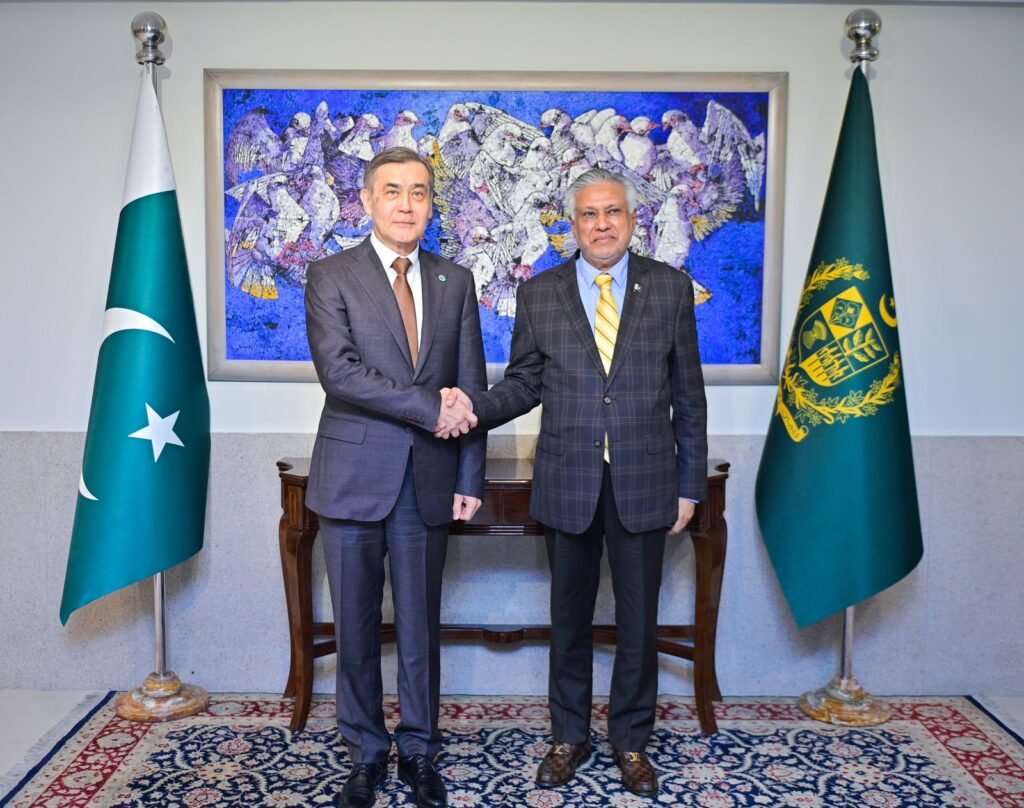
ISLAMABAD — Deputy Prime Minister and Foreign Minister Mohammad Ishaq Dar reaffirmed Pakistan’s dedication to the objectives of the Shanghai Cooperation Organization (SCO) during a meeting with SCO Secretary-General Nurlan Yermekbayev on Wednesday. The discussion, held in Islamabad, underscored Pakistan’s readiness to collaborate with all member states as it prepares to assume the Chairmanship of the organization. What Happened Deputy Prime Minister and Foreign Minister Mohammad Ishaq Dar met with Nurlan Yermekbayev, the Secretary-General of the Shanghai Cooperation Organization, to discuss Pakistan’s role and commitment to the SCO’s objectives. The meeting took place in Islamabad, where Dar expressed Pakistan’s eagerness to work closely with all member states. This comes as Pakistan is set to assume the Chairmanship of the SCO, a significant leadership role within the regional organization. During the meeting, Dar emphasized the importance of the SCO in promoting regional cooperation and security. He stated, “Pakistan is committed to advancing the objectives of the SCO and looks forward to working with all member states to achieve our common goals.” The discussion also touched upon various areas of potential collaboration, including economic cooperation, security, and cultural exchanges. The SCO, which includes major regional players such as China, Russia, and India, focuses on fostering economic, political, and security cooperation among its member states. As Pakistan prepares to take on the Chairmanship, it aims to play a pivotal role in steering the organization towards achieving its strategic goals. Background The Shanghai Cooperation Organization was established in 2001, initially comprising China, Russia, Kazakhstan, Kyrgyzstan, Tajikistan, and Uzbekistan. Over the years, the organization has expanded to include India and Pakistan as full members, with several other countries participating as observers or dialogue partners. The SCO’s primary objectives include enhancing regional security, combating terrorism, and promoting economic cooperation. The organization serves as a platform for member states to collaborate on issues of mutual interest, ranging from trade to cultural exchanges. Pakistan joined the SCO as a full member in 2017, marking a significant step in its foreign policy aimed at strengthening ties with regional powers. Why It Matters Pakistan’s reaffirmation of its commitment to the SCO is significant for several reasons. Firstly, it highlights the country’s strategic focus on regional cooperation as a means to bolster its economic and security interests. By actively participating in the SCO, Pakistan seeks to enhance its diplomatic standing and foster stronger ties with key regional players, including China and Russia. Economically, the SCO provides Pakistan with opportunities to engage in multilateral trade and investment initiatives. As the organization prioritizes economic cooperation, Pakistan can leverage its membership to attract investment and boost trade with other member states. This is particularly crucial given the country’s ongoing economic challenges and the need for sustainable development. On the security front, the SCO’s emphasis on combating terrorism and enhancing regional stability aligns with Pakistan’s national security objectives. By collaborating with other member states, Pakistan can strengthen its efforts to address security threats and promote peace in the region. Furthermore, assuming the Chairmanship of the SCO positions Pakistan as a key player in shaping the organization’s agenda and priorities. This leadership role allows Pakistan to influence regional policies and initiatives, further enhancing its diplomatic influence and strategic partnerships. Key Takeaways Deputy Prime Minister Mohammad Ishaq Dar reaffirmed Pakistan’s commitment to the SCO’s objectives during a meeting with Secretary-General Nurlan Yermekbayev. Pakistan is set to assume the Chairmanship of the SCO, highlighting its strategic focus on regional cooperation. The SCO provides Pakistan with opportunities for economic collaboration and security cooperation with key regional players. Assuming the Chairmanship positions Pakistan as a key player in shaping the SCO’s agenda and priorities. Pakistan’s active participation in the SCO aligns with its foreign policy goals of enhancing diplomatic ties and regional stability. Source Attribution This article is based on official government statements, press releases, and public communications from relevant authorities. Author: NEN Editorial Desk | Editor: NEN Newsroom | Fact Checked By: NEN Editorial Team Author: NEN Editorial Desk  |  Editor: NEN Newsroom  |  Last Updated: July 15, 2026  |  Source: Press Release from Government of Pakistan This article was produced by the NEN Editorial Desk in accordance with NEN Agency’s Editorial Policy and Fact-Checking Policy.
World

Gilani Urges National Consensus on Population Planning and Youth Empowerment

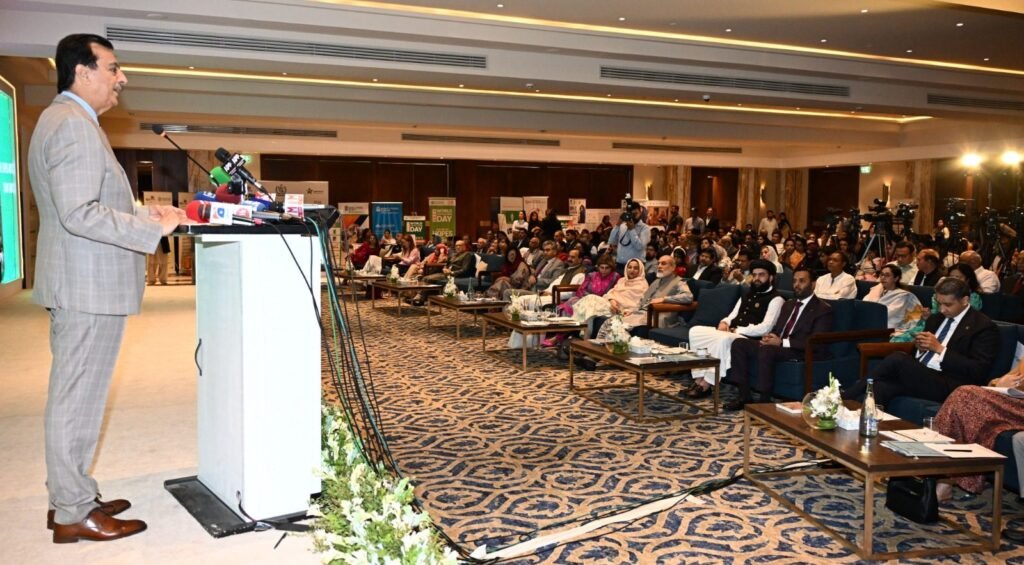
ISLAMABAD — Chairman Senate Syed Yousaf Raza Gilani on Wednesday called for a unified national approach to address population planning and youth development in Pakistan. He emphasized the critical importance of investing in education, healthcare, and skills development to secure the nation’s future. What Happened In a recent address, Chairman Senate Syed Yousaf Raza Gilani highlighted the urgent need for collective action on population planning and the empowerment of the youth. Speaking on Wednesday, Gilani underscored that Pakistan’s burgeoning population poses significant challenges that require immediate and coordinated efforts from all sectors of society. He stated, “Pakistan’s future hinges on our ability to manage population growth responsibly and empower our youth through targeted investments in education, healthcare, and skills development.” Gilani’s remarks come at a time when Pakistan is grappling with a rapidly growing population, which currently stands at over 220 million. The Chairman Senate stressed that without a strategic approach to population management, the country could face severe socio-economic challenges. He called for a national consensus to develop and implement policies that address these issues effectively. Furthermore, Gilani highlighted the role of youth in shaping Pakistan’s future. He noted that with over 60% of the population under the age of 30, there is a significant opportunity to harness this demographic dividend. However, this potential can only be realized through substantial investments in education, health, and vocational training. “Our youth are our greatest asset, and it is imperative that we equip them with the necessary tools to succeed,” he added. Background Poverty, limited access to education, and inadequate healthcare facilities have historically hindered Pakistan’s ability to manage its population effectively. The country has seen various initiatives aimed at population control, but many have fallen short due to a lack of cohesive policy and implementation. Previous governments have attempted to address these issues through family planning programs and educational reforms, but challenges persist. In terms of youth development, Pakistan has struggled with high unemployment rates among young people, which is exacerbated by a mismatch between the skills taught in educational institutions and those demanded by the job market. The government’s efforts to reform the education sector and promote vocational training have been ongoing, but significant gaps remain. Why It Matters The call for a national consensus on population planning and youth empowerment is crucial for Pakistan’s socio-economic stability. With one of the highest population growth rates in the world, the country faces mounting pressure on its resources, infrastructure, and public services. Effective population management is essential to alleviate these pressures and ensure sustainable development. Empowering the youth is equally important, as they represent the future workforce and leaders of the nation. By investing in their education and skill development, Pakistan can enhance its economic productivity and competitiveness on the global stage. This, in turn, could lead to increased foreign investment and economic growth, providing a pathway out of poverty for millions. Moreover, addressing these issues aligns with Pakistan’s commitments to international development goals, including the United Nations Sustainable Development Goals (SDGs). By focusing on population planning and youth development, Pakistan can make significant strides towards achieving these objectives, improving the quality of life for its citizens. Key Takeaways Chairman Senate Syed Yousaf Raza Gilani calls for national consensus on population planning and youth development. Pakistan faces challenges due to its rapidly growing population, currently over 220 million. Over 60% of Pakistan’s population is under 30, presenting both opportunities and challenges. Investments in education, healthcare, and skills development are crucial for empowering the youth. Effective population management and youth empowerment are vital for Pakistan’s socio-economic stability and growth. Source Attribution This article is based on official statements and public communications from relevant authorities. Author: NEN Editorial Desk | Editor: NEN Newsroom | Fact Checked By: NEN Editorial Team Author: NEN Editorial Desk  |  Editor: NEN Newsroom  |  Last Updated: July 15, 2026  |  Source: NEN Reporter This article was produced by the NEN Editorial Desk in accordance with NEN Agency’s Editorial Policy and Fact-Checking Policy.
World

Sialkot Chamber Hosts Export Credit Insurance Awareness Session

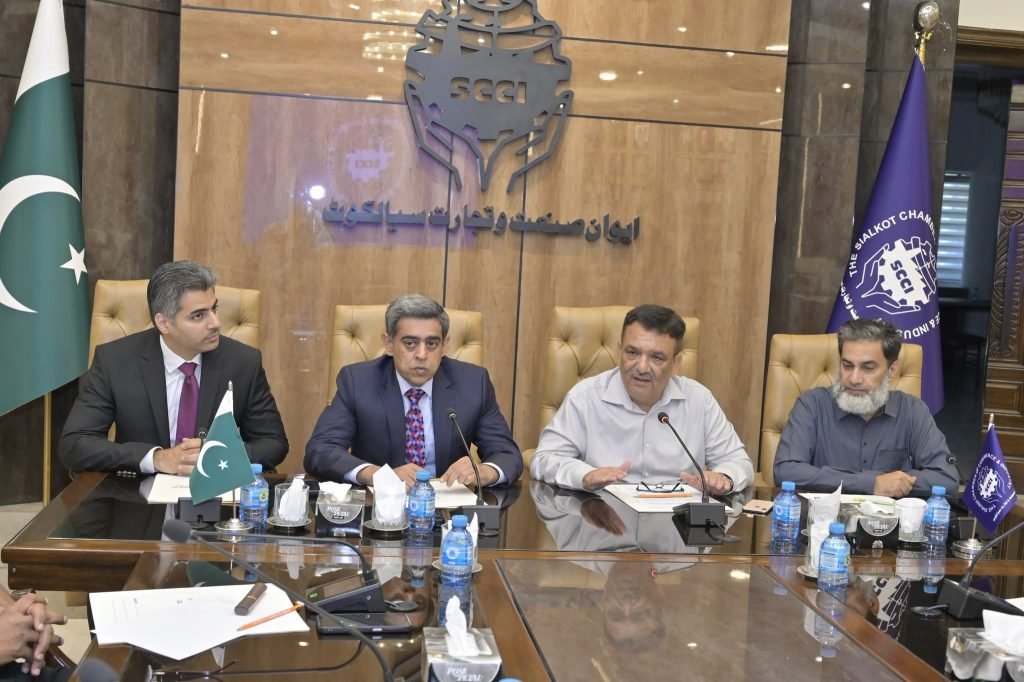
SIALKOT — An awareness session focusing on Export Credit Insurance (ECI) was conducted at the Sialkot Chamber of Commerce and Industry (SCCI) by the Export-Import Bank of Pakistan (EXIM Bank) on July 14. The event aimed to educate local exporters on mitigating risks associated with international trade. What Happened The session was organized by the Sialkot Chamber of Commerce and Industry, welcoming a delegation from the Export-Import Bank of Pakistan. Key figures such as Syed Ahtesham Mazhar, President of SCCI, Salman Sheikh, Vice President, and Akmal Javed, Chairman of the Committee on Banking Affairs, were present to host the event. The primary focus was on the Export Credit Insurance (ECI) facility offered by EXIM Bank, which is designed to protect exporters from commercial and political risks, such as non-payment by foreign buyers. During the session, representatives from EXIM Bank elaborated on how ECI can be a vital tool for exporters seeking to expand their businesses internationally. They explained that the insurance facility not only safeguards against potential losses but also enhances access to trade finance. This can be particularly beneficial for businesses looking to enter new markets or strengthen their position in existing ones. The session also provided an opportunity for local exporters to engage directly with EXIM Bank officials, allowing them to ask questions and gain a deeper understanding of the insurance processes and benefits. This interaction was aimed at building confidence among exporters to utilize such financial instruments to mitigate risks associated with international trade. Background The Export-Import Bank of Pakistan, established to facilitate the growth of exports and support the country’s trade policies, plays a crucial role in providing financial solutions to exporters. The ECI facility is part of a broader mandate to support Pakistani businesses in overcoming barriers to international trade. Historically, exporters have faced challenges such as payment defaults and political instability in foreign markets, which ECI aims to address. Sialkot, known for its manufacturing and export-oriented industries, particularly in sports goods, surgical instruments, and leather products, is a key hub for Pakistan’s export sector. The city’s businesses have long been integral to the country’s economic growth, making the awareness session particularly relevant for local entrepreneurs and exporters. Why It Matters The awareness session on Export Credit Insurance is significant for several reasons. Economically, it provides exporters with tools to manage risks better, potentially leading to increased export volumes and diversification into new markets. By reducing the financial risks associated with international trade, businesses can operate with greater confidence, which can lead to job creation and economic growth. Socially, the session underscores the importance of equipping local businesses with knowledge and resources to compete globally. This empowerment can lead to more sustainable business practices and improved livelihoods for those involved in the export sector. Politically, strengthening the export sector aligns with national goals of boosting economic resilience and reducing the trade deficit. Internationally, the session positions Pakistan as a proactive player in global trade by demonstrating a commitment to supporting its exporters. This can enhance the country’s reputation as a reliable trading partner, potentially attracting more foreign investment and trade partnerships. Key Takeaways The Sialkot Chamber of Commerce and Industry hosted an awareness session on Export Credit Insurance. EXIM Bank’s ECI facility helps mitigate risks associated with non-payment by foreign buyers. The session aimed to educate local exporters on expanding their businesses internationally. Sialkot is a key hub for Pakistan’s export sector, particularly in sports goods and surgical instruments. The initiative supports national goals of economic growth and trade deficit reduction. Source Attribution This article is based on official government statements, press releases, and public communications from relevant authorities. Author: NEN Editorial Desk | Editor: NEN Newsroom | Fact Checked By: NEN Editorial Team Author: NEN Editorial Desk  |  Editor: NEN Newsroom  |  Last Updated: July 14, 2026  |  Source: Press Release from Government of Pakistan This article was produced by the NEN Editorial Desk in accordance with NEN Agency’s Editorial Policy and Fact-Checking Policy.

World

National Bank Of Pakistan Releases Latest Foreign Currency Exchange Rates

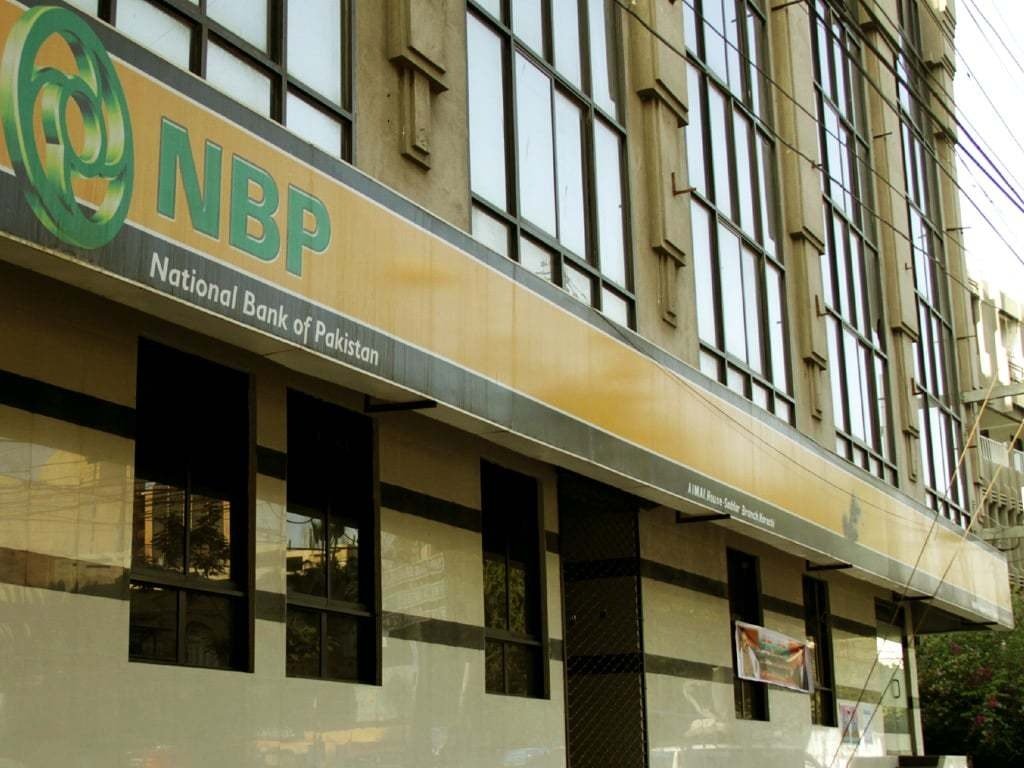
KARACHI — The National Bank of Pakistan (NBP) has announced the latest buying and selling rates for major foreign currencies on Monday, providing crucial information for businesses and individuals engaged in international transactions. The updated rates reflect the ongoing fluctuations in the global currency markets. What Happened The National Bank of Pakistan, one of the country’s leading financial institutions, released the current exchange rates for major currencies, including the US Dollar (USD), British Pound (GBP), Euro (EUR), Japanese Yen (JPY), Saudi Riyal (SAR), and United Arab Emirates Dirham (AED). As of Monday, the selling rate for the US Dollar stands at 279.79 PKR, while the buying rate is 276.79 PKR. The British Pound is being sold at 373.87 PKR and bought at 369.44 PKR. The Euro’s selling rate is 318.79 PKR, with a buying rate of 315.05 PKR. For the Japanese Yen, the selling and buying rates are 1.7242 PKR and 1.7038 PKR, respectively. The Saudi Riyal is available for sale at 74.52 PKR and for purchase at 73.64 PKR. Lastly, the UAE Dirham is being sold at 76.18 PKR and bought at 75.29 PKR. The release of these rates comes as part of NBP’s routine updates to inform stakeholders about the current exchange values, which are essential for importers, exporters, and individuals involved in foreign currency transactions. These rates are subject to change based on market dynamics and are influenced by various economic factors, including international trade balances, inflation rates, and monetary policies. Background The National Bank of Pakistan is a key player in the country’s financial sector, providing a wide range of banking services, including currency exchange. The bank regularly updates currency rates to reflect the latest market conditions, ensuring transparency and aiding in financial planning for businesses and individuals. Exchange rates are determined by a complex interplay of factors, including supply and demand in the foreign exchange market, geopolitical events, and economic indicators. Historically, the Pakistani Rupee has experienced fluctuations against major currencies due to various internal and external pressures. Factors such as political stability, economic reforms, and international trade agreements have all played roles in influencing the currency’s value. The NBP’s role in disseminating accurate and timely exchange rates is crucial for maintaining confidence in the financial system and supporting economic activities. Why It Matters The release of updated currency rates by the National Bank of Pakistan holds significant importance for the country’s economy. Accurate exchange rates are vital for businesses engaged in international trade, as they affect the cost of imports and exports. For instance, a higher exchange rate for the US Dollar means that Pakistani importers will have to spend more Rupees to purchase goods priced in Dollars, potentially leading to increased costs for consumers. Moreover, individuals who rely on remittances from abroad or are planning to travel internationally need to be aware of these rates to make informed financial decisions. The exchange rate directly impacts the amount of foreign currency they receive or need to spend. Additionally, fluctuations in exchange rates can influence inflation rates within the country, as changes in import costs can affect the prices of goods and services. On a broader scale, the stability of the Pakistani Rupee against major currencies is a reflection of the country’s economic health. Persistent depreciation can signal underlying economic issues, such as trade deficits or political instability, which can affect investor confidence and economic growth. Therefore, the NBP’s regular updates on currency rates are a critical tool for economic analysis and policy-making. Key Takeaways The National Bank of Pakistan has released updated buying and selling rates for major foreign currencies. The US Dollar is being sold at 279.79 PKR and bought at 276.79 PKR. Exchange rates are crucial for businesses and individuals engaged in international transactions. Fluctuations in currency rates can impact import costs, inflation, and economic stability. The NBP’s updates are essential for financial planning and economic analysis. Source Attribution This article is based on official government statements, press releases, and public communications from relevant authorities. Author: NEN Editorial Desk | Editor: NEN Newsroom | Fact Checked By: NEN Editorial Team Author: NEN Editorial Desk  |  Editor: NEN Newsroom  |  Last Updated: July 14, 2026  |  Source: NEN Reporter This article was produced by the NEN Editorial Desk in accordance with NEN Agency’s Editorial Policy and Fact-Checking Policy.

World

Pakistan-ASEAN Trade Surpasses $11 Billion, Boosting Regional Economic Ties

ISLAMABAD — Trade between Pakistan and the Association of Southeast Asian Nations (ASEAN) has exceeded $11 billion in 2026, underscoring the strengthening economic relations between the two regions. This development highlights ASEAN’s growing role as a key trading partner for Pakistan, offering new avenues for collaboration in trade, investment, and regional economic development. What Happened The trade volume between Pakistan and ASEAN reached over $11 billion in 2026, according to official figures. Pakistan exported approximately $3 billion worth of goods to ASEAN member states, while imports from these countries amounted to about $7 billion, resulting in a trade deficit of nearly $4 billion. The trade figures reflect the increasing demand for Pakistani products such as textiles, agricultural goods, leather, seafood, chemicals, and industrial raw materials in ASEAN markets. ASEAN, comprising countries like Malaysia, Indonesia, Thailand, Singapore, and Vietnam, has become one of Pakistan’s most significant regional markets. Pakistan imports machinery, palm oil, electronic equipment, chemicals, and manufactured goods from these economies. Thailand is a major trading partner within ASEAN, with Pakistan’s exports to Thailand valued at $251.28 million and imports at $845.44 million, leading to a bilateral trade deficit of $594.16 million. Seafood remains a major export to Thailand, accounting for more than 34 percent of Pakistan’s exports to the country. Trade experts suggest that Pakistan has the potential to boost its exports to ASEAN by diversifying beyond traditional textile products. Sectors such as information technology, pharmaceuticals, engineering goods, processed foods, sports goods, and halal products present significant growth opportunities. Enhanced regional connectivity, trade facilitation measures, and stronger business-to-business collaboration are anticipated to further solidify commercial ties. Background Historically, Pakistan’s trade relationship with ASEAN has been characterized by a focus on textiles and agricultural products. However, in recent years, there has been a shift towards diversifying the export portfolio to include more value-added products. The Ministry of Commerce’s Strategic Trade Policy Framework (2025–30) aims to enhance export competitiveness, diversify export markets, and integrate Pakistan more effectively into regional and global value chains through improved market access and digital trade initiatives. The framework emphasizes export promotion measures and seeks to narrow the trade gap with ASEAN by increasing industrial productivity and fostering stronger investment partnerships with Southeast Asian economies. Why It Matters The burgeoning trade relationship between Pakistan and ASEAN holds significant economic and strategic importance. Economically, the $11 billion trade volume represents a substantial contribution to Pakistan’s foreign trade, providing a boost to various sectors, including textiles, agriculture, and seafood. The diversification into non-traditional sectors like IT and pharmaceuticals could further enhance Pakistan’s export earnings and reduce the trade deficit. Politically, strengthening ties with ASEAN aligns with Pakistan’s broader foreign policy objectives of enhancing regional cooperation and economic integration. ASEAN’s strategic importance as a regional bloc offers Pakistan opportunities to engage in multilateral trade agreements and benefit from shared economic growth. For Pakistani citizens, increased trade with ASEAN can lead to job creation, especially in export-oriented industries, and potentially lower prices for imported goods due to increased competition. For ASEAN countries, Pakistan offers a growing market for their products and a strategic partner in South Asia. Key Takeaways Pakistan-ASEAN trade exceeded $11 billion in 2026, with a $4 billion trade deficit. Pakistan’s exports to ASEAN include textiles, agricultural products, and seafood. ASEAN imports to Pakistan primarily consist of machinery, palm oil, and electronics. Diversification into IT, pharmaceuticals, and halal products is encouraged for future growth. The Strategic Trade Policy Framework aims to enhance Pakistan’s export competitiveness. Source Attribution This article is based on official government statements, press releases, and public communications from relevant authorities. Author: NEN Editorial Desk | Editor: NEN Newsroom | Fact Checked By: NEN Editorial Team Author: NEN Editorial Desk  |  Editor: NEN Newsroom  |  Last Updated: July 14, 2026  |  Source: Press Release from Ministry of Commerce This article was produced by the NEN Editorial Desk in accordance with NEN Agency’s Editorial Policy and Fact-Checking Policy.
World

Rawalpindi CPO Instructs Traffic Police to Enhance City Traffic Flow

RAWALPINDI — City Police Officer (CPO) Rawalpindi Hassan Mushtaq Sukhera visited the Traffic Headquarters on Tuesday, where he conducted a meeting with senior traffic police officers. The purpose of the visit was to direct the implementation of effective measures aimed at ensuring a smooth and uninterrupted flow of traffic throughout the city. What Happened During his visit to the Traffic Headquarters, CPO Hassan Mushtaq Sukhera emphasized the importance of maintaining an efficient traffic system in Rawalpindi, a city known for its bustling streets and heavy vehicular movement. He instructed the traffic police to devise and implement strategies that would alleviate congestion and improve the overall traffic situation. In the meeting, CPO Sukhera highlighted the need for a proactive approach in managing traffic, especially during peak hours. He urged the officers to ensure that all traffic signals are functioning properly and that traffic wardens are actively managing intersections to prevent bottlenecks. “It is crucial that we maintain a steady flow of traffic to facilitate the daily commute of our citizens,” he stated. The CPO also addressed the issue of illegal parking and encroachments, which contribute significantly to traffic jams in the city. He directed the officers to take strict action against violators and ensure that roads remain clear for vehicular movement. Additionally, he stressed the importance of public awareness campaigns to educate citizens about traffic rules and the consequences of violations. Furthermore, CPO Sukhera called for the use of modern technology in traffic management. He suggested the integration of surveillance cameras and traffic monitoring systems to enhance the efficiency of the traffic police force. “Leveraging technology will not only help in real-time monitoring but also in the swift resolution of traffic-related issues,” he added. Background Rawalpindi, being one of the major cities in Pakistan, faces significant traffic challenges due to its growing population and increasing number of vehicles. Over the years, the city has witnessed numerous traffic management initiatives aimed at improving road conditions and reducing congestion. However, the rapid urbanization and expansion of commercial activities have often outpaced these efforts. Previously, the city administration has launched various projects, such as the construction of flyovers and underpasses, to ease traffic flow. Despite these infrastructural developments, the city continues to struggle with traffic bottlenecks, particularly during rush hours. The local government has been working in collaboration with traffic police to address these issues through both short-term and long-term measures. Why It Matters The directives issued by CPO Hassan Mushtaq Sukhera are significant as they aim to address a persistent problem that affects the daily lives of Rawalpindi’s residents. Traffic congestion not only causes delays and frustration but also has broader economic and environmental impacts. Prolonged traffic jams lead to increased fuel consumption, higher emissions, and can negatively impact the productivity of the workforce. By focusing on effective traffic management, the Rawalpindi police aim to enhance the quality of life for citizens and promote a more efficient urban environment. Improved traffic flow can lead to reduced travel times, lower transportation costs, and a decrease in road accidents, thereby contributing to the overall safety and well-being of the public. Furthermore, the emphasis on modern technology and public awareness highlights a forward-thinking approach to urban management. By integrating technological solutions and educating the public, the city can develop a more sustainable and responsive traffic system that can adapt to future challenges. Key Takeaways CPO Hassan Mushtaq Sukhera visited Traffic Headquarters to address traffic flow issues. Emphasis was placed on proactive traffic management and the use of technology. Illegal parking and encroachments were identified as major contributors to congestion. Public awareness campaigns are planned to educate citizens on traffic rules. Improved traffic flow is expected to enhance urban life and reduce economic costs. Source Attribution This article is based on official government statements and public communications from relevant authorities. Author: NEN Editorial Desk | Editor: NEN Newsroom | Fact Checked By: NEN Editorial Team Author: NEN Editorial Desk  |  Editor: NEN Newsroom  |  Last Updated: July 14, 2026  |  Source: NEN Reporter This article was produced by the NEN Editorial Desk in accordance with NEN Agency’s Editorial Policy and Fact-Checking Policy.

World

Rawalpindi Cantonment Board’s Cleanliness Initiative Receives Widespread Praise

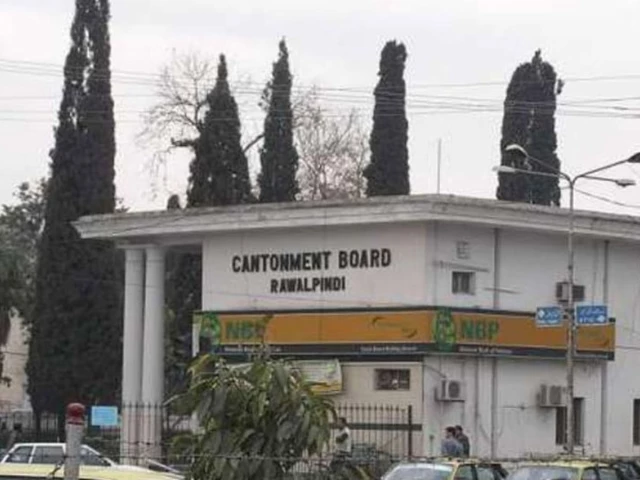
RAWALPINDI — The Rawalpindi Cantonment Board’s (RCB) recent cleanliness drive has garnered widespread acclaim from traders, political figures, and local citizens, who commend the board’s efforts in maintaining sanitation across key commercial areas. What Happened The Rawalpindi Cantonment Board (RCB) has launched an extensive cleanliness campaign aimed at enhancing sanitation standards in major commercial hubs within the cantonment area. This initiative has been met with positive feedback from various segments of society, including the Central Anjuman-e-Tajiran Rawalpindi Cantt, which represents the local traders. Traders and citizens have expressed their appreciation for the RCB’s efforts in ensuring that the commercial areas are kept clean and hygienic. According to a statement from the Central Anjuman-e-Tajiran, the cleanliness drive has significantly improved the aesthetic appeal and sanitation conditions of the area, which, in turn, has positively impacted business activities. Local political and social figures have also lauded the RCB’s initiative, highlighting the importance of maintaining cleanliness for public health and environmental sustainability. The drive has reportedly involved the deployment of additional sanitation workers and resources to ensure thorough cleaning of streets, markets, and public spaces. In response to the positive feedback, an RCB official stated, “We are committed to maintaining a clean and healthy environment for our citizens and traders. The success of this drive is a testament to the hard work and dedication of our sanitation teams.” Background The Rawalpindi Cantonment Board is responsible for municipal services within the cantonment area, including sanitation, waste management, and public health. Over the years, the RCB has undertaken various initiatives to improve the living standards of residents and the operational environment for businesses. Historically, cleanliness and sanitation have been pressing issues in many urban areas of Pakistan, including Rawalpindi. The RCB’s current drive is part of a broader effort to address these challenges by implementing systematic waste management practices and raising public awareness about the importance of cleanliness. Previous efforts by the RCB to improve sanitation have included community engagement programs and collaboration with local organizations to promote sustainable waste disposal practices. Why It Matters The cleanliness drive by the Rawalpindi Cantonment Board is significant for several reasons. Firstly, it addresses the long-standing issue of inadequate sanitation in urban areas, which affects public health and quality of life. By ensuring cleaner environments, the RCB contributes to reducing the risk of disease outbreaks and improving overall community well-being. Economically, a cleaner and more aesthetically pleasing environment attracts more customers to commercial areas, boosting local businesses and contributing to economic growth. Traders have noted an increase in foot traffic and customer satisfaction, which they attribute to the improved cleanliness of the area. Socially, the initiative fosters a sense of community pride and responsibility. By involving local stakeholders, such as traders and citizens, the RCB encourages collective efforts towards maintaining cleanliness, which can lead to more sustainable outcomes. On a broader scale, successful sanitation initiatives like this one can serve as models for other municipalities across Pakistan, demonstrating the benefits of proactive waste management and community engagement. Key Takeaways The Rawalpindi Cantonment Board’s cleanliness drive has been praised by traders, citizens, and political figures. The initiative has improved sanitation in major commercial hubs, enhancing business activities. Local stakeholders have expressed satisfaction with the RCB’s efforts to maintain a clean environment. The drive highlights the importance of cleanliness for public health, economic growth, and community pride. Successful sanitation practices in Rawalpindi could serve as a model for other regions in Pakistan. Source Attribution This article is based on official government statements, press releases, and public communications from relevant authorities. Author: NEN Editorial Desk | Editor: NEN Newsroom | Fact Checked By: NEN Editorial Team Author: NEN Editorial Desk  |  Editor: NEN Newsroom  |  Last Updated: July 14, 2026  |  Source: NEN Reporter This article was produced by the NEN Editorial Desk in accordance with NEN Agency’s Editorial Policy and Fact-Checking Policy.

Scroll to Top