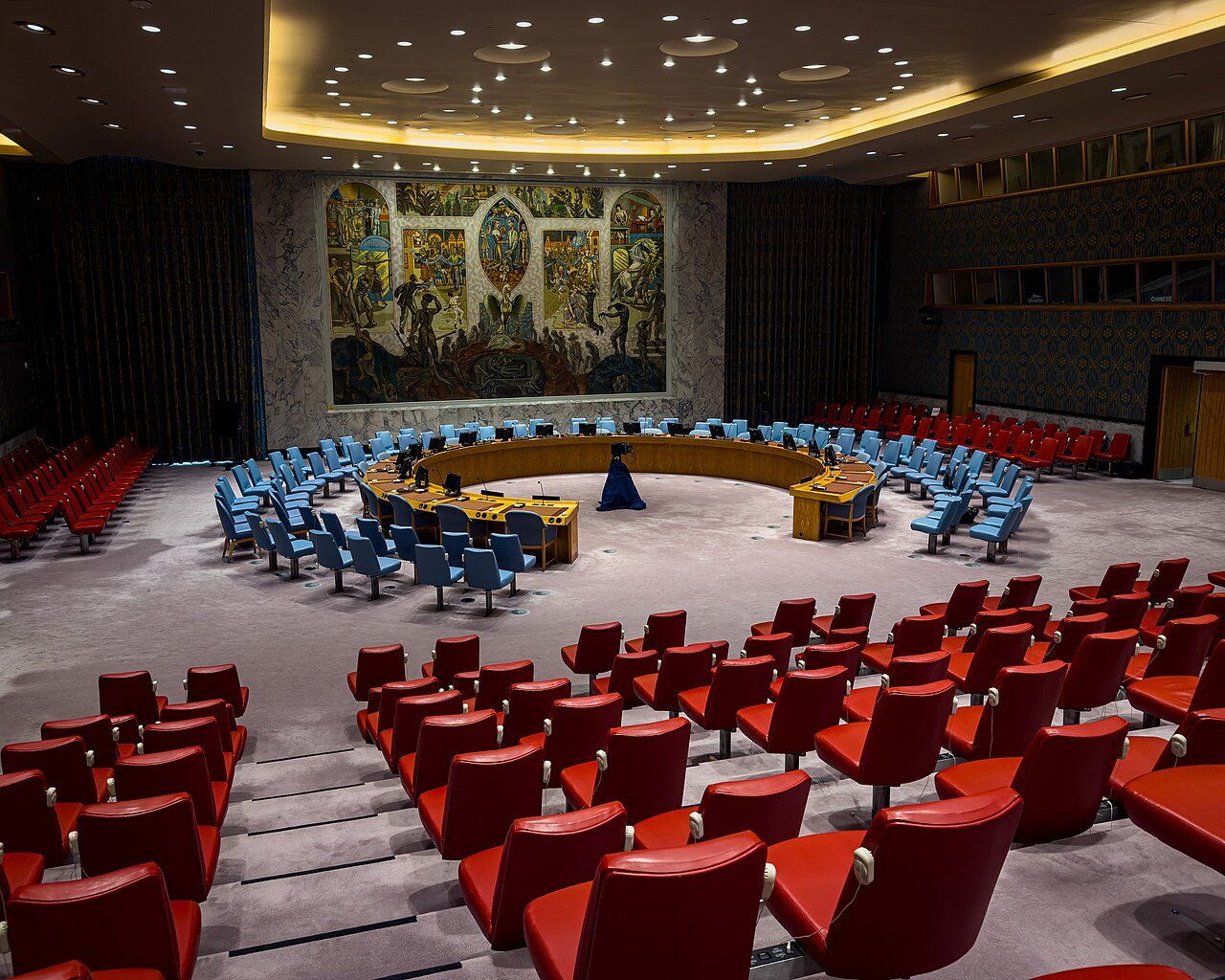
ANTALYA: Pakistan has put forward five recommendations to help debt-stressed, climate-vulnerable countries meet their Paris Agreement commitments, presented by Parliamentary Secretary for Information and Broadcasting Danyal Chaudhry at the Pakistan Pavilion at COP31 in Türkiye.
Speaking at a high-level parliamentary dialogue titled “Adapting under Austerity: Delivering Paris Commitments in Debt-Stressed, Climate-Vulnerable Economies”, he set out the proposals before parliamentarians, climate experts and development partners from Pakistan, Ethiopia, Uganda and Japan. He told the session that there cannot be separate standards for wealthy and developing nations.
The five recommendations are:
- Climate-proof fiscal and tax policy: carry out climate impact assessments for major financial decisions so that sustainable choices do not become costlier.
- Protect the clean energy shift: keep renewable energy policy stable and predictable so households and businesses that invest in it are not penalised.
- Treat adaptation as investment: fund resilient farming, water management, early warning systems and disaster-proof infrastructure to cut future recovery bills.
- Reform global debt rules: use debt-for-climate swaps, climate-contingent clauses, concessional finance and longer repayment periods.
- Stronger parliamentary oversight: require yearly reporting on climate-related taxes, subsidies, budget allocations and adaptation results, linked to Pakistan’s Nationally Determined Contributions and National Adaptation Plan.
Background
Pakistan is among the countries most exposed to climate change despite contributing a small share of global emissions. The 2022 floods, which submerged large parts of Sindh and Balochistan, caused more than $30 billion in damage and economic losses, according to the post-disaster needs assessment prepared with international partners. Many developing countries face a similar squeeze: high debt repayments leave little room to spend on protection from floods, heatwaves and droughts. Earlier at COP31, Prime Minister Shehbaz Sharif met several world leaders on the sidelines of the conference.
What This Means for You
These are proposals, not new laws, but they point to where Pakistan wants climate money and policy to go. A debt-for-climate swap, for example, lets a country cancel or reduce part of its debt in return for spending the saved amount on climate projects at home, which could free funds without new borrowing. Annual reporting on climate spending would let citizens and parliament see how much is actually going to early warning systems, flood defences and resilient agriculture. A climate impact assessment on major tax and budget decisions would, in plain terms, mean checking in advance whether a new tax or subsidy makes clean or resilient choices more expensive for ordinary people. Stable renewable energy rules matter to families and small businesses that have put money into rooftop solar panels.
COP31 negotiations continue in Antalya, where countries are discussing climate finance and adaptation commitments.
Sources: Ministry of Information and Broadcasting, Radio Pakistan
Featured image: Photo: August Dominus / Wikimedia Commons, CC0