LAHORE: Punjab Chief Minister Maryam Nawaz Sharif has approved around Rs24 billion for the first phase of the Khushhal Dehat Program, under which 475 villages across the province will receive paved streets and proper sewerage systems.
According to the provincial government, the Chief Minister directed that the first instalment of the grant be released to the Khushhal Dehat Committees during the current month, so that development work can begin on schedule. She also asked officials to prepare a development plan for a further 2,000 villages, which would form the programme’s next phase.
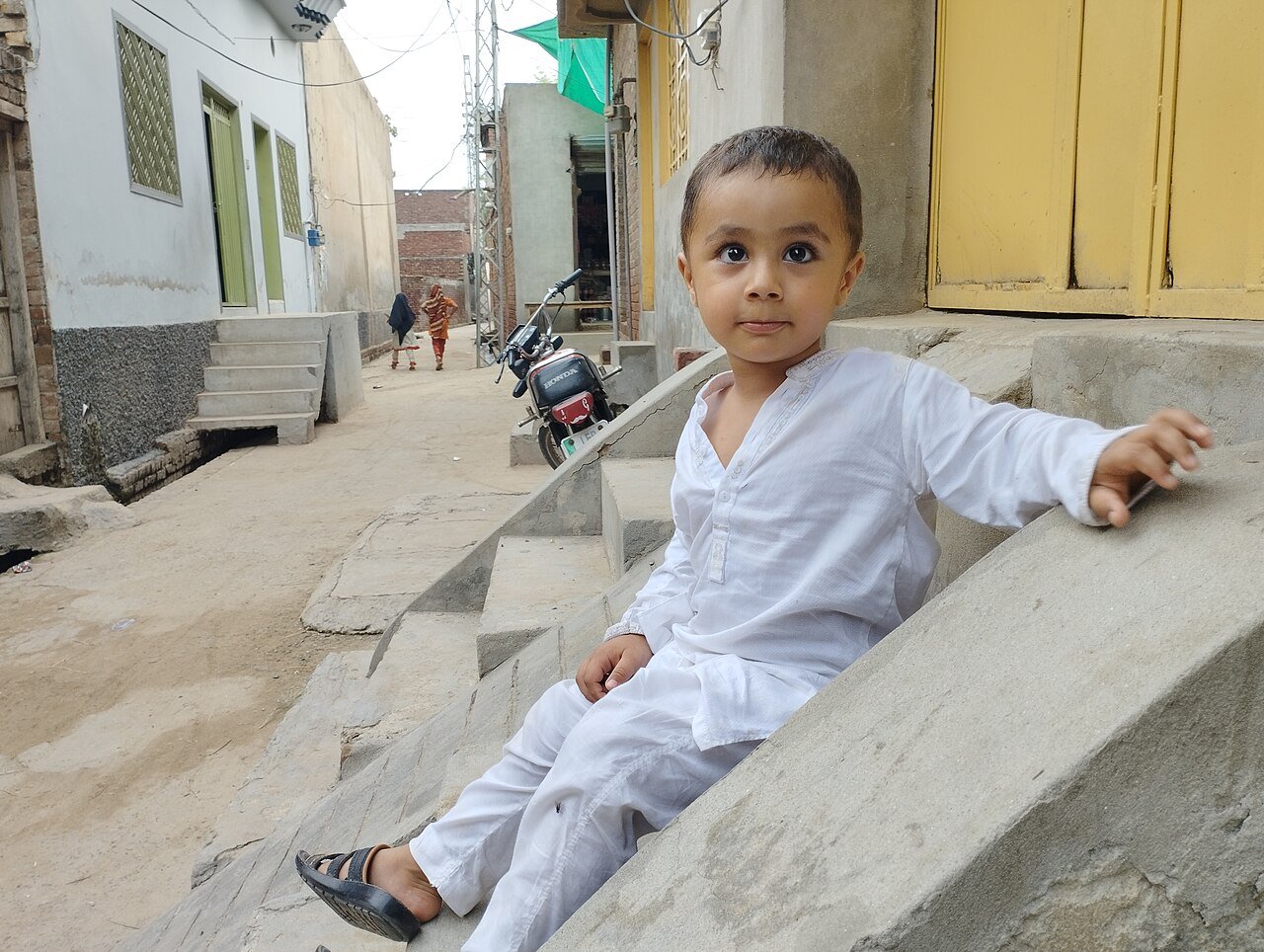
The scheme is built around two basic services that many rural households still lack: paved streets inside the village and a working sewerage network. The committees set up under the programme will receive the funds for the schemes in their villages.
Background
The Khushhal Dehat Program is the latest in a series of Punjab government initiatives aimed at improving living conditions in rural areas. In October, the provincial government approved a pilot project to develop 120 model villages. Poor drainage in villages often leads to standing water around homes, muddy lanes during the monsoon and health risks linked to open sewage, problems that paved streets and covered sewers are designed to fix.
Punjab is Pakistan’s most populous province, and a large share of its people live in villages rather than cities. That is why programmes aimed at village streets and drainage can reach a wide section of the population, even when each individual scheme is small. The first phase of 475 villages is a starting point rather than full coverage of the province, and the planned second phase of 2,000 villages is meant to extend the same basic services much further.
What This Means for You
In simple arithmetic, Rs24 billion spread across 475 villages works out to about Rs50 million per village on average, although the actual amount will vary with the size and needs of each village. For residents of the selected villages, the practical change is paved lanes that stay usable in the rainy season and drains that carry waste water away from homes. The second phase would cover 2,000 villages, more than four times the first batch. No budget has been announced for it yet; for scale only, the same average cost would come to roughly Rs100 billion.
Residents who want to know whether their village is in the first phase can ask their local Khushhal Dehat Committee or the district administration, since the funds will be routed through these committees.
The next step is the release of the first grant instalment and the start of work, while officials prepare the plan for the 2,000-village second phase.
Sources: Government of Punjab, Radio Pakistan
Featured image: Photo: Hezmok Media / Wikimedia Commons, CC BY-SA 4.0