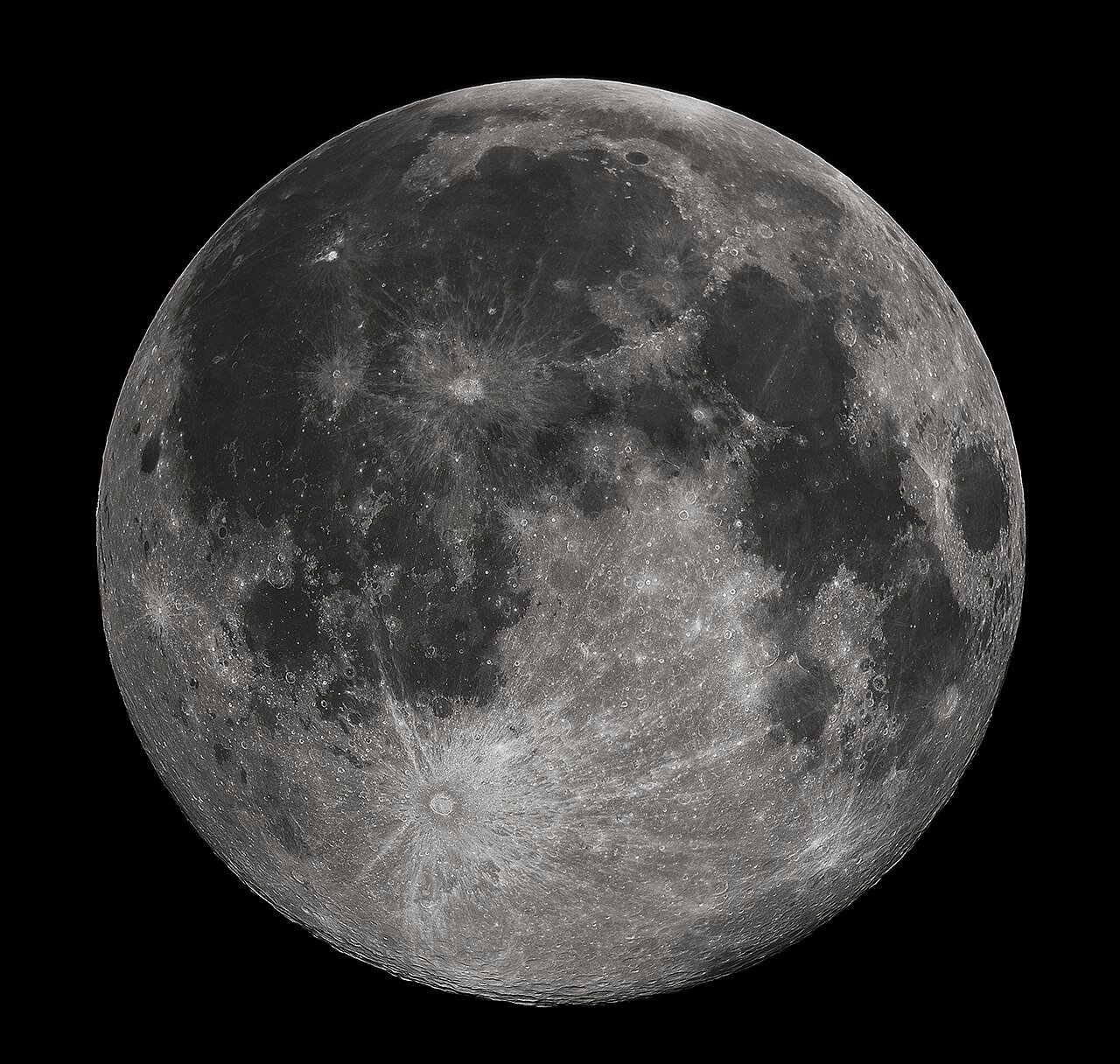
BEIJING, November 26 – NEN: Pakistan Moon landing plans have a target year of 2035, Planning Minister Ahsan Iqbal said in Beijing on Thursday. He addressed a press conference after the successful launch of China’s Shenzhou-24 mission. The minister also said the government remains committed to a faster space programme.
What the Minister Announced
Mr Iqbal expressed hope that Pakistan will take part in an upcoming lunar mission by sending a rover. A rover is a small robotic vehicle that moves across the surface and collects information. This step would support the goal of a landing by 2035.
He also spoke about training people. Pakistan aims to have at least 10,000 PhD scholars trained at leading Chinese universities over the next decade. For example, their fields will include artificial intelligence and space science.
In addition, the minister said Pakistan has launched about five satellites over the past two years. The country now seeks to build on that work in space research.
Background
The announcement came a day after a historic event. Pakistani astronaut Muhammad Zeeshan Ali arrived at China’s Tiangong space station aboard Shenzhou-24 on Wednesday. He is the first foreign astronaut to enter the station. You can read more in our report on his arrival at Tiangong.
Pakistan and China signed an agreement in February 2025 to train Pakistani astronauts. Meanwhile, Pakistan plans to send a home-built rover on China’s Chang’e-8 lunar mission, expected around 2028.
Pakistan’s Ambassador to China, Syed Ali Asad, also welcomed the flight. He called it a major step in ties between the two countries. According to him, it shows trust and close joint work.
What This Means for You
Space research touches daily life. For example, satellites help with weather forecasts, maps and communication. They can also help experts watch floods and study crops. Therefore, gains in this field can help people plan on the ground.
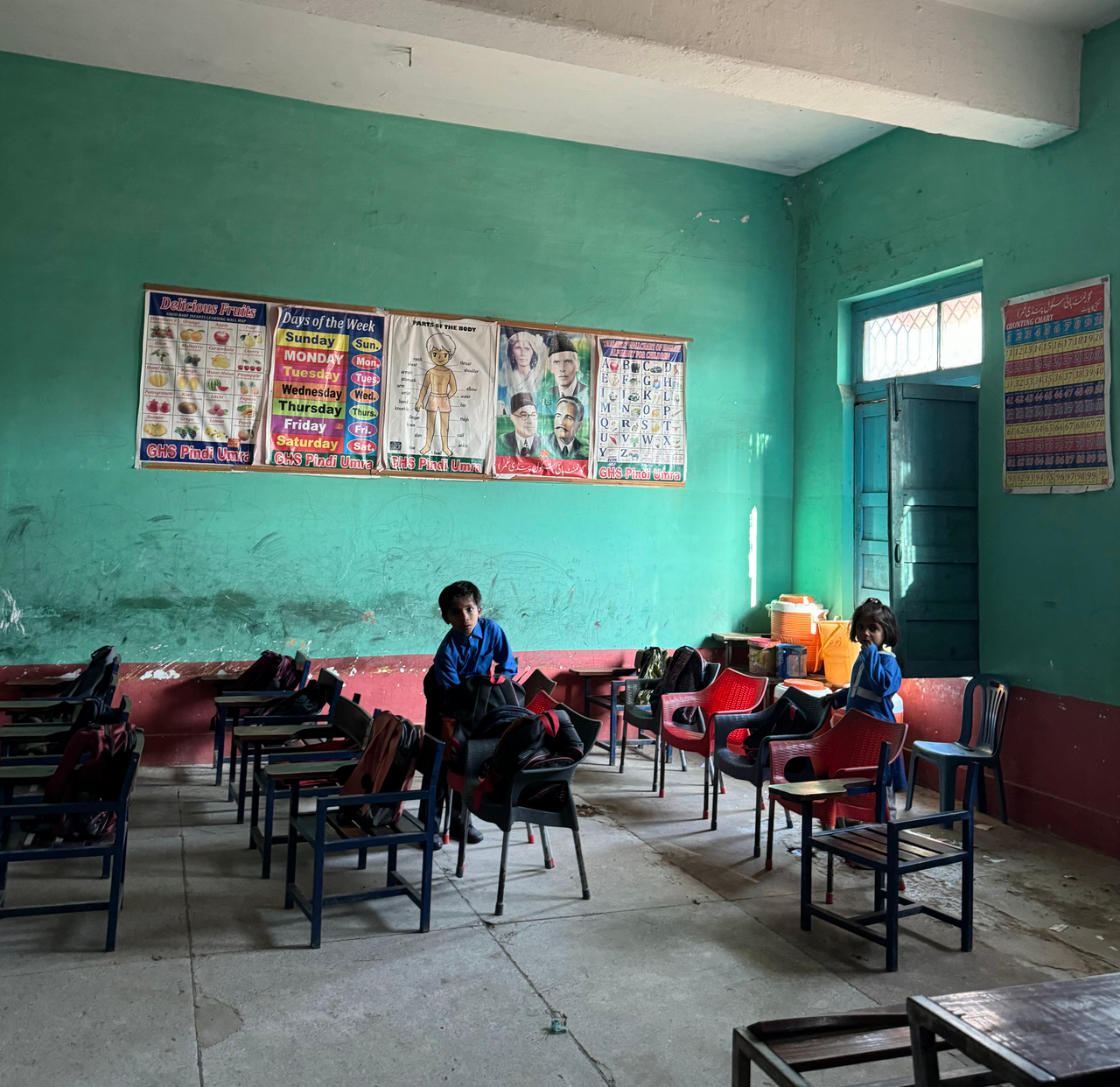
Students have a clear signal about subjects in demand. Those interested in physics, engineering, computing or artificial intelligence can start preparing now.
Good marks, research skills and clear English will help when you apply. Learning some Chinese can be useful as well. Start by listing the courses you like and the grades they ask for.
Parents can help too. For example, they can take children to science fairs and talk about space news at home.
The numbers also show the scale of the training goal. Spread evenly over ten years, 10,000 scholars means about 1,000 a year. Applicants should therefore trust only official scholarship notices. Stay away from agents who ask for odd payments.
The timeline is easy to follow. From 2026, the rover mission is about two years away. The landing target is nine years away. So today’s school pupils could become the engineers and scientists of that effort.
What Happens Next
The next big step on the road to the Moon is the Chang’e-8 mission, expected around 2028. Pakistan also plans to keep growing its joint work with China. Meanwhile, the 2035 goal stays in view.
Sources: Ministry of Planning, Development and Special Initiatives, Embassy of Pakistan in Beijing. Reported by NEN News Desk.
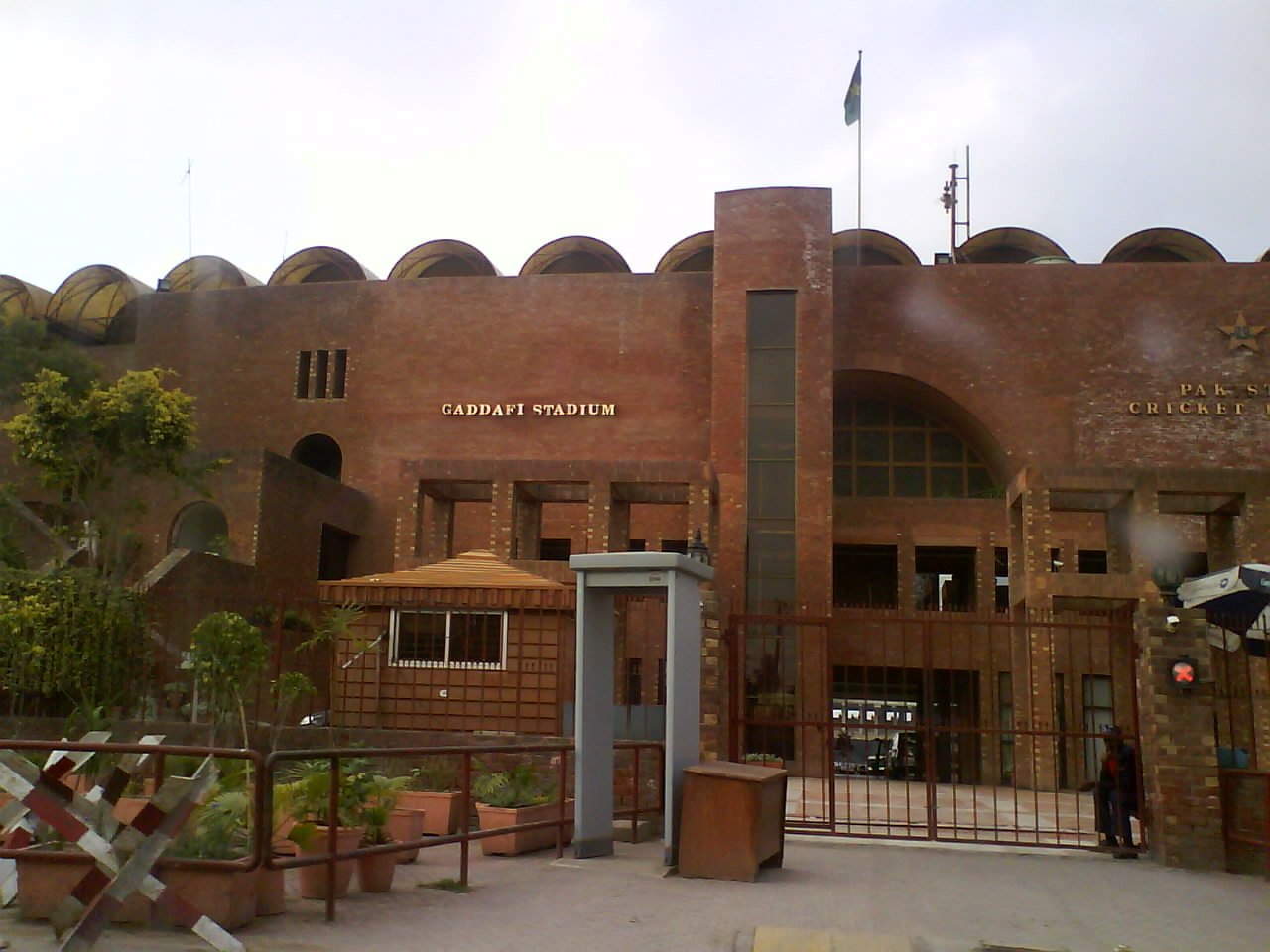
Featured image: Photo: Gregory H. Revera / Wikimedia Commons, CC BY-SA 3.0