
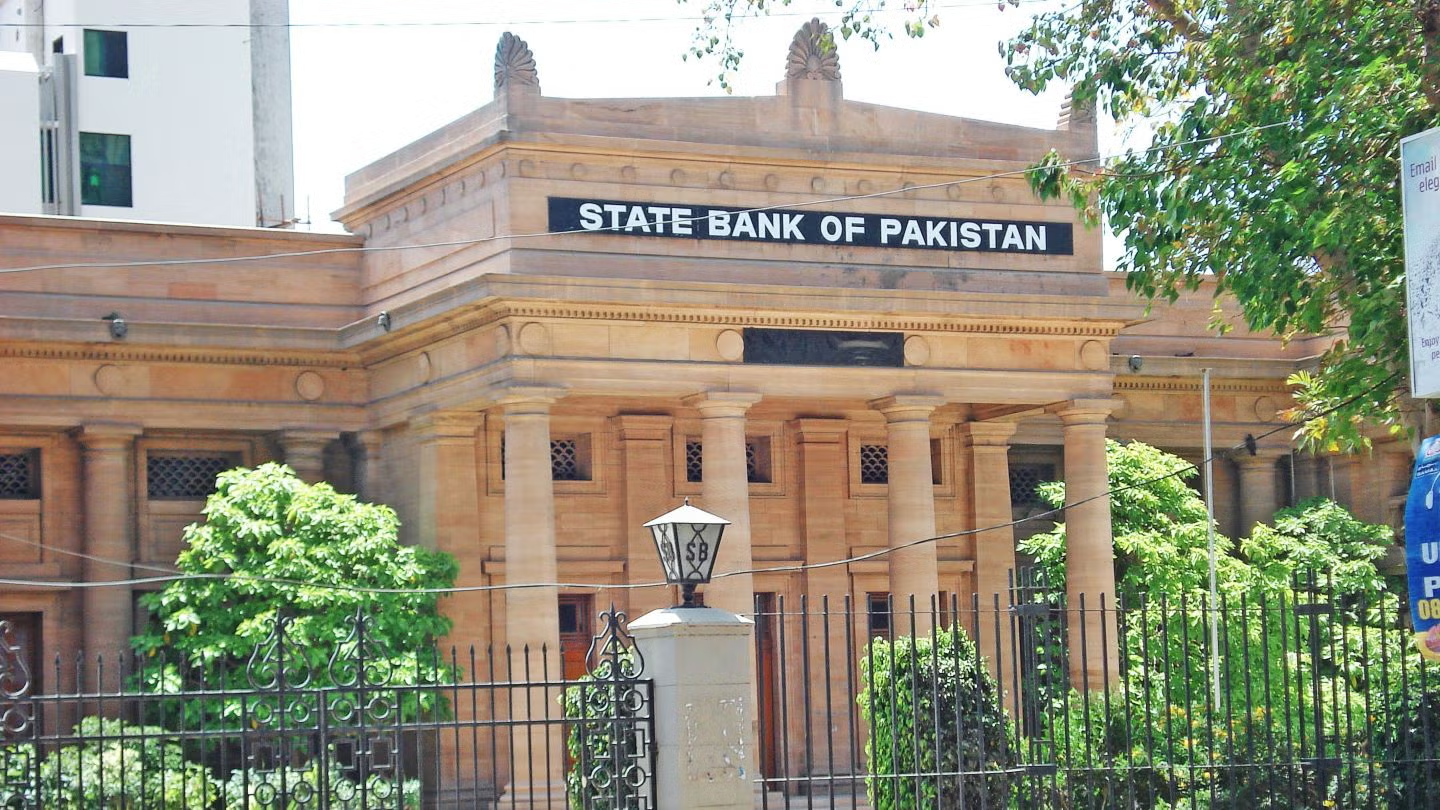
KARACHI — Pakistan’s total liquid foreign reserves have decreased to $22.67 billion as of July 10, 2026, according to official figures. The State Bank of Pakistan (SBP) reported a significant decline in its reserves, which fell by $1.245 billion during the week ending July 10, bringing the SBP’s holdings to $17.23 billion.
What Happened
The State Bank of Pakistan (SBP) announced that its foreign exchange reserves saw a decrease of $1.245 billion in the week ending July 10, 2026. This reduction brought the SBP’s reserves down to $17.23 billion, contributing to the country’s total liquid foreign reserves standing at $22.67 billion. The decline in reserves is attributed to external debt repayments and other financial obligations that Pakistan had to meet during this period.
The dwindling reserves come at a time when Pakistan is grappling with economic challenges, including a high import bill and the need to service its external debt. The SBP’s reserves are crucial for maintaining the country’s financial stability and ensuring that it can meet its international payment obligations. The central bank has been actively managing its reserves to maintain a balance between supporting the local currency and fulfilling external commitments.
In a statement, the SBP highlighted the importance of maintaining adequate reserve levels to support the economy. “The management of foreign exchange reserves is critical to ensure the stability of the Pakistani rupee and to meet the country’s international financial obligations,” the SBP stated.
Background
Pakistan’s foreign exchange reserves have been under pressure due to several factors, including a persistent trade deficit, rising global oil prices, and the need to repay external debt. Historically, the country has relied on financial assistance from international financial institutions and friendly countries to bolster its reserves. The International Monetary Fund (IMF) has been a key partner in providing financial support to Pakistan through various loan programs aimed at stabilizing the economy.
In recent years, Pakistan has also sought to diversify its foreign exchange sources by encouraging remittances from overseas Pakistanis and attracting foreign direct investment. However, these measures have faced challenges due to global economic uncertainties and domestic economic constraints.
Why It Matters
The decline in Pakistan’s foreign reserves is a cause for concern as it directly impacts the country’s ability to manage its external payments and maintain economic stability. Lower reserves can lead to increased pressure on the Pakistani rupee, potentially resulting in inflationary pressures and higher import costs. This, in turn, affects the purchasing power of citizens and can lead to a higher cost of living.
Economically, the reserves are vital for ensuring that Pakistan can meet its debt obligations without resorting to excessive borrowing, which could further strain the national budget. Politically, maintaining adequate reserves is crucial for the government’s credibility and its ability to negotiate favorable terms with international lenders and partners.
On the international front, the state of Pakistan’s reserves is closely watched by investors and rating agencies, as it reflects the country’s financial health and its ability to honor international commitments. A stable reserve position is essential for attracting foreign investment and fostering economic growth.
Key Takeaways
- Pakistan’s total liquid foreign reserves have decreased to $22.67 billion as of July 10, 2026.
- The State Bank of Pakistan’s reserves fell by $1.245 billion during the week ending July 10.
- The decline is attributed to external debt repayments and financial obligations.
- Lower reserves can impact the Pakistani rupee and lead to inflationary pressures.
- Maintaining adequate reserves is crucial for economic stability and international credibility.
Source Attribution
This article is based on official government statements, press releases, and public communications from relevant authorities.














