
2026

Pakistan

Pakistan’s Weekly Inflation Rate Drops by 0.45 Percent

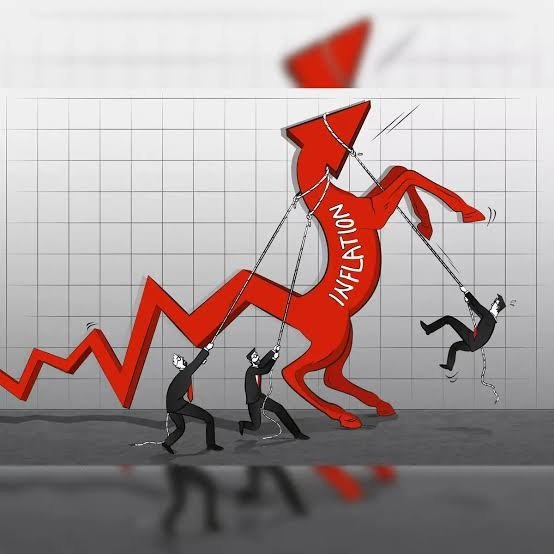
ISLAMABAD — The Pakistan Bureau of Statistics (PBS) reported a 0.45 percent decrease in the Sensitive Price Indicator (SPI)-based weekly inflation for the period ending July 9, 2026. This decline affects the combined consumption group, offering a brief respite amid ongoing economic challenges. What Happened The PBS’s latest figures indicate a slight reduction in short-term inflation, measured by the SPI, which tracks the price movements of essential goods and services. For the week concluding on July 9, 2026, the SPI decreased by 0.45 percent, reflecting changes in the cost of living for average Pakistani households. The SPI is a crucial tool for understanding inflationary trends as it focuses on the prices of 51 essential items, including food, energy, and other basic necessities. The decline suggests a temporary easing of inflationary pressures, which have been a significant concern for policymakers and citizens alike. According to the PBS, the prices of several key items contributed to this decline. Notably, reductions were observed in the prices of tomatoes, onions, and chicken, which are staples in the Pakistani diet. Conversely, some items such as sugar and wheat flour saw price increases, highlighting the mixed nature of price movements across different commodities. The PBS report is part of its regular monitoring of inflationary trends, providing insights into price changes and their potential impact on consumers. This data is crucial for both government and private sector stakeholders in planning and decision-making processes. Background Inflation has been a persistent issue in Pakistan, driven by various factors including currency depreciation, global commodity price fluctuations, and domestic supply chain disruptions. The government has been implementing monetary and fiscal policies to curb inflation and stabilize the economy. The SPI is one of several indicators used to measure inflation in Pakistan, alongside the Consumer Price Index (CPI) and the Wholesale Price Index (WPI). While the CPI provides a broader view of inflationary trends, the SPI offers a more focused perspective on the prices of essential goods, making it particularly relevant for assessing the cost of living for lower and middle-income groups. Historically, Pakistan has experienced periods of high inflation, which have posed challenges for economic growth and social stability. The government has been working to address these challenges through various policy measures, including subsidies, price controls, and efforts to boost domestic production. Why It Matters The recent decline in the SPI-based weekly inflation is significant for several reasons. Economically, it provides temporary relief to consumers who have been grappling with rising living costs. Socially, it may ease some of the public discontent associated with inflation, which has been a source of frustration for many households. Politically, managing inflation is crucial for the government, as it directly impacts public perception and confidence in economic management. A sustained reduction in inflation could bolster the government’s standing and provide more room for implementing broader economic reforms. Internationally, Pakistan’s inflation trends are closely watched by investors and international financial institutions. A reduction in inflationary pressures could improve the country’s economic outlook, attracting more foreign investment and potentially leading to better terms in negotiations with international lenders. The impact on citizens is multifaceted. For low-income families, who spend a larger portion of their income on essential goods, even a small decrease in inflation can significantly affect their purchasing power and quality of life. For businesses, stable or declining inflation can lead to lower operational costs and improved profitability. Key Takeaways The SPI-based weekly inflation in Pakistan decreased by 0.45 percent for the week ending July 9, 2026. This decline was influenced by lower prices for key items such as tomatoes, onions, and chicken. Inflation remains a critical issue for Pakistan, impacting economic stability and social welfare. Managing inflation is crucial for the government’s economic and political agenda. The decline may positively influence investor confidence and international economic relations. Source Attribution This article is based on official government statements, press releases, and public communications from relevant authorities. Author: NEN Editorial Desk | Editor: NEN Newsroom | Fact Checked By: NEN Editorial Team Author: NEN Editorial Desk  |  Editor: NEN Newsroom  |  Last Updated: July 10, 2026  |  Source: NEN Reporter This article was produced by the NEN Editorial Desk in accordance with NEN Agency’s Editorial Policy and Fact-Checking Policy.

Pakistan

PESCO Targets Electricity Theft, Removes 45 Illegal Connections in Dera Ismail Khan

DERA ISMAIL KHAN — The Peshawar Electric Supply Company (PESCO) has intensified its efforts against electricity theft, successfully removing 45 illegal connections in Dera Ismail Khan. The operation, part of a broader crackdown, was conducted on the 11KV Daman Mill Feeder under the jurisdiction of the Daraban Sub-Division. What Happened The anti-theft operation by PESCO took place as part of a concerted effort to address the pervasive issue of electricity theft, which has long plagued Pakistan’s power sector. On the 11KV Daman Mill Feeder, PESCO teams identified and dismantled 45 illegal direct hook connections, commonly referred to as ‘kunda’ connections. These illegal connections are a significant source of power loss and contribute to the financial strain on the country’s energy infrastructure. PESCO’s operation involved a coordinated approach, utilizing both field inspections and technical resources to identify unauthorized connections. The company has been actively pursuing such operations across its service areas to improve electricity supply reliability and reduce line losses. A PESCO official stated, “Our teams are working diligently to eliminate illegal connections and ensure that all consumers are billed accurately for their electricity usage.” In addition to removing illegal connections, PESCO is also focusing on raising awareness among consumers about the legal and financial repercussions of electricity theft. The company is collaborating with local authorities to strengthen enforcement measures and ensure compliance with electricity regulations. Background Electricity theft has been a persistent issue in Pakistan, contributing significantly to the country’s energy crisis. The practice of illegal hooking, or ‘kunda’, not only results in substantial financial losses for power companies but also leads to frequent power outages and voltage fluctuations, affecting both residential and commercial consumers. PESCO, responsible for electricity distribution in Khyber Pakhtunkhwa, has been at the forefront of combating electricity theft. The company has launched several initiatives in recent years to curb this illegal practice, including the deployment of advanced metering infrastructure and the establishment of dedicated teams for monitoring and enforcement. Despite these efforts, electricity theft remains a challenge due to socio-economic factors, lack of awareness, and sometimes inadequate enforcement. The government’s energy policy framework emphasizes the need for stricter penalties and enhanced technological solutions to address this issue effectively. Why It Matters The removal of illegal electricity connections by PESCO is a crucial step towards improving the financial health of the power sector in Pakistan. Electricity theft not only causes significant revenue losses for power companies but also undermines the overall stability of the energy supply chain. By reducing theft, PESCO aims to enhance the quality and reliability of electricity supply to its consumers. Economically, addressing electricity theft can lead to more sustainable energy pricing, as power companies can reduce their losses and pass on the benefits to consumers in the form of stable tariffs. This is particularly important in a country like Pakistan, where energy costs are a major concern for both households and businesses. Socially, the crackdown on illegal connections helps ensure equitable distribution of electricity, preventing overloads and outages that disproportionately affect law-abiding consumers. It also fosters a culture of compliance and accountability, encouraging consumers to adhere to legal electricity usage practices. On a broader scale, successful anti-theft operations contribute to the government’s efforts to reform the energy sector, which is critical for Pakistan’s economic development and energy security. By demonstrating a commitment to tackling electricity theft, PESCO and other power companies can attract more investment in the energy infrastructure, ultimately benefiting the national economy. Key Takeaways PESCO removed 45 illegal electricity connections in Dera Ismail Khan as part of an anti-theft operation. Electricity theft is a major issue in Pakistan, causing financial losses and power supply disruptions. PESCO is implementing measures to improve enforcement and raise consumer awareness about electricity theft. Addressing electricity theft is crucial for ensuring reliable power supply and sustainable energy pricing. Successful anti-theft efforts support broader energy sector reforms and economic development in Pakistan. Source Attribution This article is based on official government statements, press releases, and public communications from relevant authorities. Author: NEN Editorial Desk | Editor: NEN Newsroom | Fact Checked By: NEN Editorial Team Author: NEN Editorial Desk  |  Editor: NEN Newsroom  |  Last Updated: July 10, 2026  |  Source: NEN Reporter This article was produced by the NEN Editorial Desk in accordance with NEN Agency’s Editorial Policy and Fact-Checking Policy.
World

Pakistan’s Workers’ Remittances Reach $41.6 Billion in FY26, Up 8.6%

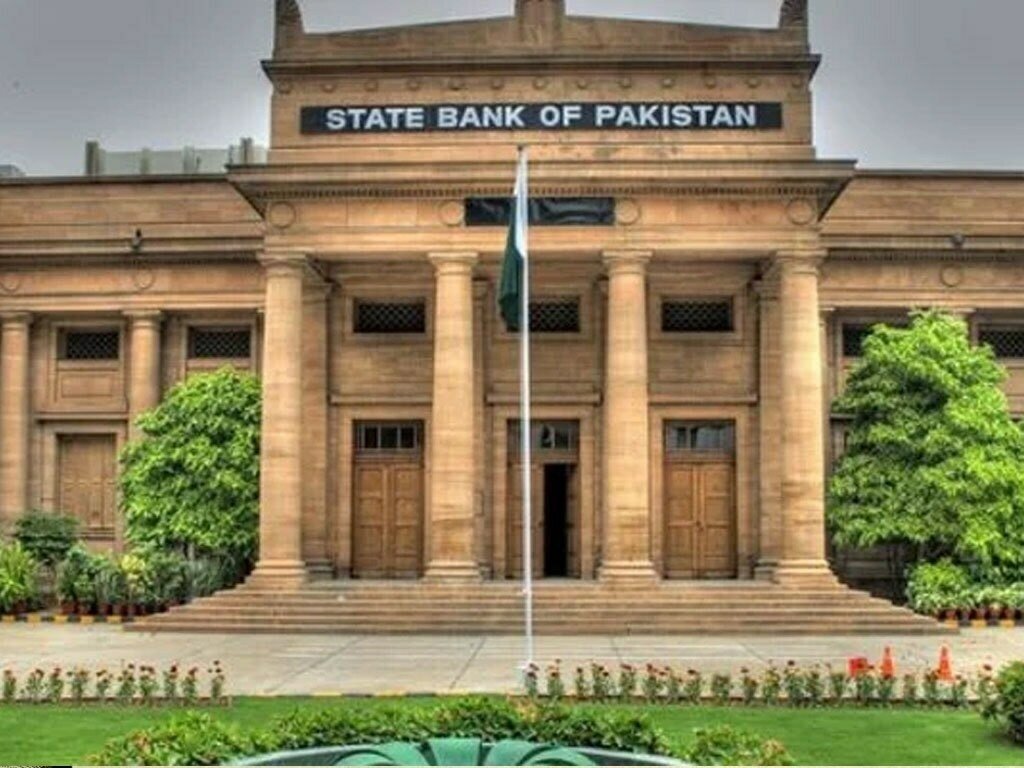
KARACHI — Workers’ remittances to Pakistan from overseas surged by 8.6% during the fiscal year 2025-26, reaching a total of $41.6 billion, according to the State Bank of Pakistan. This growth reflects the significant contributions of the Pakistani diaspora, with monthly inflows in June 2026 recorded at $3.5 billion. What Happened The State Bank of Pakistan reported that workers’ remittances for the fiscal year 2025-26 amounted to $41.6 billion, marking an 8.6% increase from the $38.3 billion received in the previous fiscal year. The remittances were primarily sourced from key countries including Saudi Arabia, the United Arab Emirates, the United Kingdom, and the United States. Specifically, Saudi Arabia contributed $9,783.1 million, the UAE $8,806.9 million, the UK $6,325.7 million, and the USA $3,623.8 million. European Union countries also played a significant role, contributing $5,226.6 million in total. Italy led the EU contributions with $1,547.3 million, followed by Spain with $905.6 million, Germany with $806.6 million, and France with $591.6 million. Other notable contributions came from Greece, Ireland, and Belgium. Beyond Europe, substantial remittances came from countries such as Australia ($1,142.1 million), Canada ($798.4 million), South Africa ($290.7 million), Malaysia ($167.6 million), Norway ($150 million), South Korea ($108.8 million), and Japan ($67.6 million). In June 2026 alone, remittances were recorded at $3.475 billion, a decrease of 18.3% from May 2026’s $4.25 billion. However, compared to June 2025, there was a 2% increase from $3.41 billion. The major contributors for June 2026 were Saudi Arabia ($829.6 million), the UAE ($792.2 million), the UK ($514.9 million), and the USA ($296.8 million). Background Remittances have historically been a critical component of Pakistan’s economy, providing a vital source of foreign exchange. The Pakistani diaspora, spread across the globe, has consistently supported the nation’s economy through these financial inflows. The State Bank of Pakistan regularly monitors and reports on these remittances, which are crucial for maintaining the country’s balance of payments and supporting its foreign exchange reserves. In recent years, remittances have shown resilience despite global economic challenges, including the COVID-19 pandemic. The government’s efforts to facilitate and streamline remittance processes have also contributed to the steady inflow of funds. Why It Matters The increase in workers’ remittances is significant for Pakistan’s economy, as these inflows help stabilize the country’s foreign exchange reserves, which are essential for international trade and debt servicing. A healthy reserve position can enhance investor confidence and potentially lead to improved credit ratings for the country. Economically, remittances provide a lifeline for many families in Pakistan, contributing to household incomes and supporting consumption. This, in turn, stimulates economic activity and can lead to improved living standards for recipients. Politically, the government’s ability to maintain and potentially increase remittance inflows is crucial for its economic strategy, especially in light of ongoing challenges such as inflation and fiscal deficits. The steady growth in remittances reflects the trust and confidence of overseas Pakistanis in the country’s economic management. On an international level, the increase in remittances underscores the strong ties between Pakistan and its diaspora, highlighting the global interconnectedness of the Pakistani community. Key Takeaways Workers’ remittances to Pakistan grew by 8.6% in FY26, reaching $41.6 billion. Major sources included Saudi Arabia, UAE, UK, and USA, with significant contributions from the EU. June 2026 remittances were $3.475 billion, a slight increase compared to June 2025. Remittances are crucial for Pakistan’s foreign exchange reserves and economic stability. The growth in remittances reflects strong ties between Pakistan and its global diaspora. Source Attribution This article is based on official government statements, press releases, and public communications from relevant authorities. Author: NEN Editorial Desk | Editor: NEN Newsroom | Fact Checked By: NEN Editorial Team Author: NEN Editorial Desk  |  Editor: NEN Newsroom  |  Last Updated: July 10, 2026  |  Source: NEN Reporter This article was produced by the NEN Editorial Desk in accordance with NEN Agency’s Editorial Policy and Fact-Checking Policy.

World

Pakistan Urges Immediate Ceasefire and Dialogue in Ukraine-Russia Conflict

UNITED NATIONS — Pakistan has called for an immediate and complete cessation of hostilities between Ukraine and Russia, urging both nations to resume meaningful dialogue aimed at achieving a comprehensive, durable, and peaceful resolution to the ongoing conflict. The appeal was made during a session at the United Nations on Thursday, highlighting the urgent need for diplomatic engagement to address the humanitarian crisis exacerbated by the conflict. What Happened During a United Nations meeting on July 10, Pakistan’s representative emphasized the critical need for an immediate halt to the escalating violence between Ukraine and Russia. The call was made in response to the worsening humanitarian situation, which has seen a significant increase in civilian casualties and displacement. “The sharp uptick in fighting and expansion of the battlefield is not only compounding the humanitarian plight in the region but also poses a threat to international peace and security,” stated the Pakistani envoy. The conflict, which has persisted for over four years, has seen renewed intensity in recent months, with both sides engaging in aggressive military operations. Pakistan’s appeal was part of a broader international effort to de-escalate tensions and promote peace talks. The representative stressed that dialogue remains the most viable path to a lasting solution, urging both parties to prioritize diplomatic channels over military confrontation. Background The conflict between Ukraine and Russia began in 2014 following Russia’s annexation of Crimea, leading to a protracted and complex geopolitical struggle. The situation has been marked by intermittent ceasefires and failed peace negotiations, with the Minsk agreements of 2014 and 2015 being the most notable attempts at resolution. Despite these efforts, hostilities have continued, resulting in thousands of deaths and widespread displacement. International bodies, including the United Nations and the Organization for Security and Co-operation in Europe (OSCE), have been actively involved in monitoring the situation and facilitating dialogue. However, the conflict remains unresolved, with both sides accusing each other of violating ceasefire agreements and engaging in aggressive military actions. Why It Matters The ongoing conflict between Ukraine and Russia has significant implications for regional stability and international relations. The humanitarian impact is severe, with millions of people affected by the violence, facing displacement, food insecurity, and limited access to essential services. The conflict has also strained relations between Russia and Western nations, leading to economic sanctions and increased military presence in Eastern Europe. Pakistan’s call for a ceasefire and dialogue underscores the global concern over the potential for further escalation, which could have dire consequences for international peace and security. The appeal aligns with Pakistan’s longstanding policy of advocating for peaceful resolution of conflicts through dialogue and diplomacy. By urging both parties to engage in negotiations, Pakistan is contributing to the international effort to prevent further humanitarian suffering and promote stability in the region. The resolution of the Ukraine-Russia conflict is crucial not only for the affected populations but also for maintaining global stability. A peaceful settlement would alleviate the humanitarian crisis, reduce regional tensions, and pave the way for economic recovery and development. Moreover, it would serve as a precedent for resolving other protracted conflicts through diplomatic means. Key Takeaways Pakistan has called for an immediate ceasefire and resumption of dialogue between Ukraine and Russia. The conflict has been ongoing for over four years, with significant humanitarian consequences. International efforts, including the Minsk agreements, have so far failed to resolve the conflict. The situation poses a threat to regional stability and international peace and security. Pakistan’s appeal aligns with its policy of promoting peaceful resolution of conflicts through diplomacy. Source Attribution This article is based on official government statements, press releases, and public communications from relevant authorities. Author: NEN Editorial Desk | Editor: NEN Newsroom | Fact Checked By: NEN Editorial Team Author: NEN Editorial Desk  |  Editor: NEN Newsroom  |  Last Updated: July 10, 2026  |  Source: NEN Reporter This article was produced by the NEN Editorial Desk in accordance with NEN Agency’s Editorial Policy and Fact-Checking Policy.
World

Pakistan Football Federation Unveils FIFA Forward Mini-Pitches, New Professional League

ISLAMABAD — Pakistan’s football landscape is set for a transformative shift as the Pakistan Football Federation (PFF) announces plans for FIFA Forward mini-pitches and the launch of the first-ever eight-franchise professional league. The initiative aims to elevate the sport’s profile in a nation traditionally dominated by cricket. What Happened Under the leadership of PFF President Syed Mohsin Gillani, Pakistan’s football scene is experiencing unprecedented growth. Gillani, who has established strong ties with FIFA and the Asian Football Confederation (AFC), has leveraged these relationships to bring international attention and resources to Pakistan’s football community. This strategic diplomacy has resulted in significant achievements for the national teams across various formats. Pakistan’s national teams have recently achieved milestones that were once considered unattainable. The men’s national team qualified for the second round of the FIFA World Cup 2026 Qualifiers for the first time, while the women’s team made a notable leap in global rankings during the FIFA Series 2026. At the youth level, the U-19 and U-16 teams have celebrated victories in AFC and SAFF tournaments, and the national futsal team has debuted in international competitions in Riyadh and Thailand. In addition to these achievements, PFF’s collaboration with international football bodies has led to the restoration of frozen bank accounts, ensuring financial transparency and operational autonomy. This has been instrumental in blocking third-party interference in football affairs, allowing the federation to focus on player development and infrastructure improvement. Background Football in Pakistan has long been overshadowed by cricket, facing challenges such as isolation, inadequate resources, and administrative hurdles. However, under Mohsin Gillani’s leadership, the PFF has made significant strides in overcoming these obstacles. His efforts to align the PFF constitution with FIFA statutes and secure strategic partnerships with countries like Argentina, Japan, Saudi Arabia, and China have been pivotal in modernizing the sport in Pakistan. The introduction of FIFA Forward mini-pitches and the establishment of a professional league are part of a broader strategy to enhance the sport’s infrastructure and provide players with opportunities to hone their skills. These initiatives are complemented by the ‘Football for Schools’ program, which aims to distribute over 150,000 footballs nationwide and equip school teachers with professional coaching skills. Why It Matters The development of football in Pakistan holds significant implications for the country’s sports culture and international standing. By diversifying its sports portfolio, Pakistan can foster a more inclusive environment for athletes and fans alike. The introduction of a professional league will not only provide a platform for local talent to showcase their skills but also attract international attention and investment. Economically, the growth of football can create new job opportunities, stimulate local economies, and contribute to the country’s GDP. Socially, it can encourage youth participation in sports, promoting a healthier lifestyle and reducing the allure of negative influences. On an international level, Pakistan’s active participation in global football events can enhance its diplomatic relations and cultural exchange with other nations. This can lead to further collaborations and partnerships, benefiting various sectors beyond sports. Key Takeaways The PFF has announced plans for FIFA Forward mini-pitches and an eight-franchise professional league. Under President Mohsin Gillani, Pakistan’s football teams have achieved historic milestones on the international stage. Strategic partnerships with countries like Argentina, Japan, Saudi Arabia, and China are enhancing player development. The ‘Football for Schools’ program aims to distribute over 150,000 footballs nationwide. These initiatives are expected to boost Pakistan’s sports culture, economy, and international relations. Source Attribution This article is based on official government statements, press releases, and public communications from relevant authorities. Author: NEN Editorial Desk | Editor: NEN Newsroom | Fact Checked By: NEN Editorial Team Author: NEN Editorial Desk  |  Editor: NEN Newsroom  |  Last Updated: July 10, 2026  |  Source: Press Release from Government of Pakistan This article was produced by the NEN Editorial Desk in accordance with NEN Agency’s Editorial Policy and Fact-Checking Policy.
World

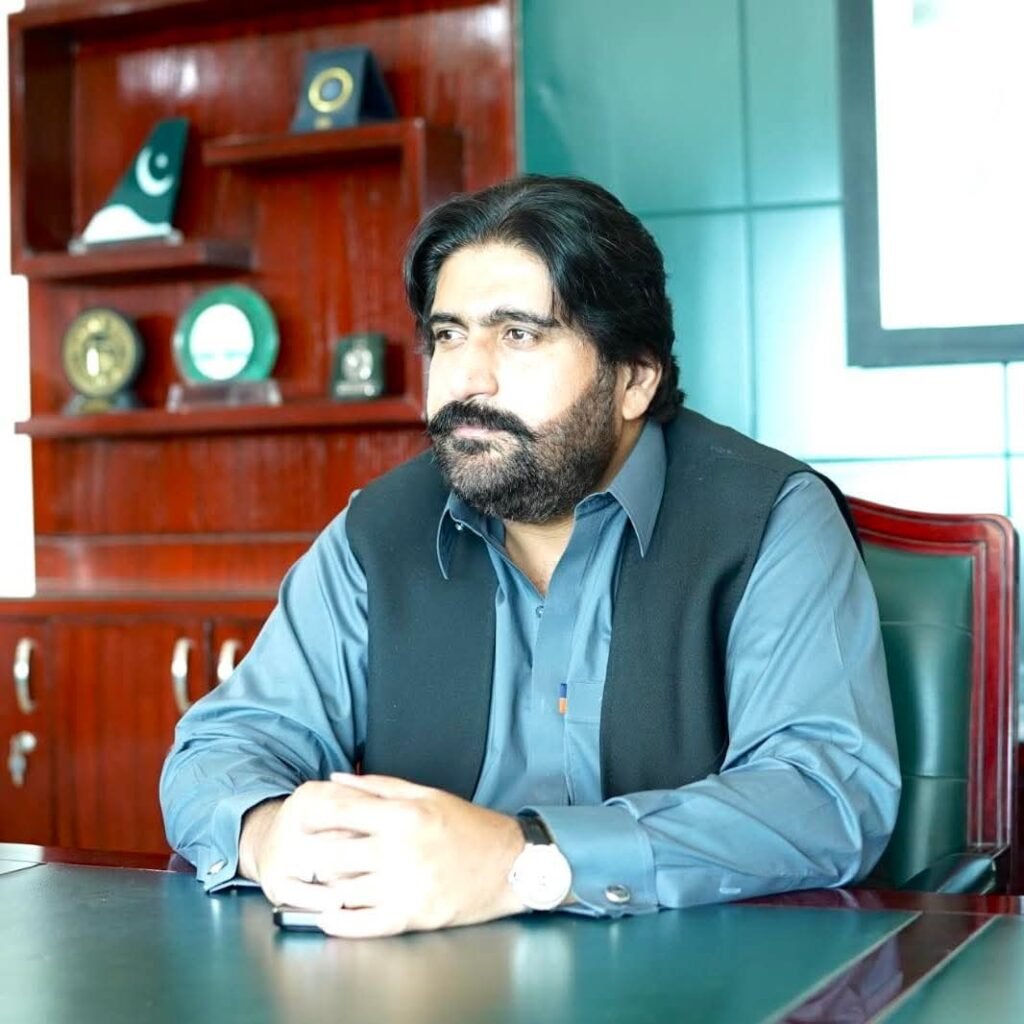
President Zardari Concludes Official Visit to Kyrgyz Republic

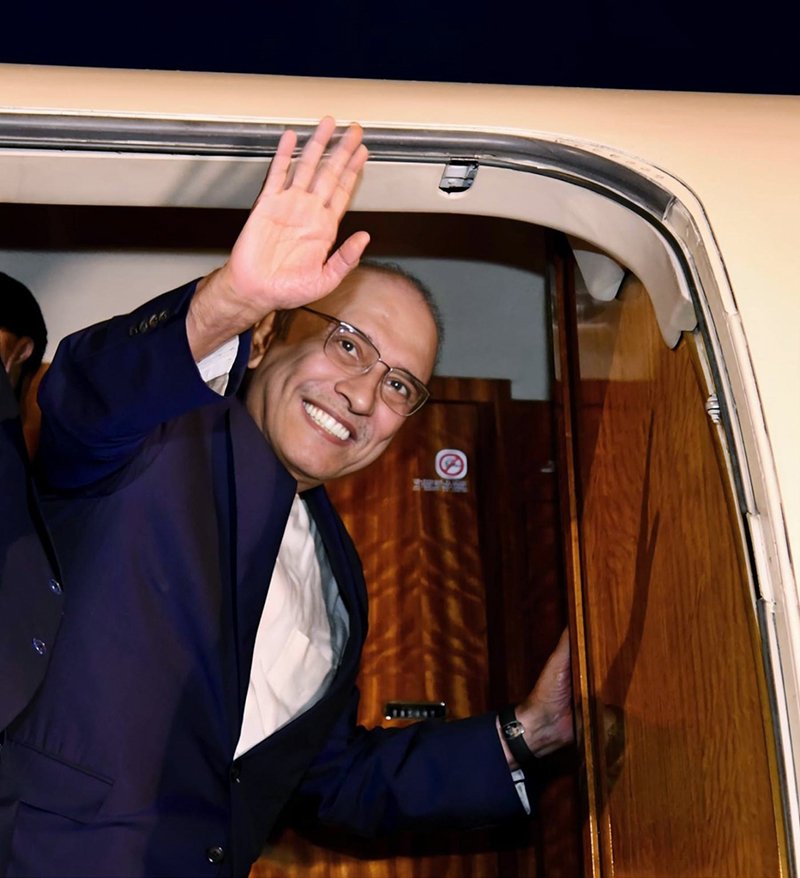
BISHKEK, KYRGYZSTAN — President Asif Ali Zardari has departed from Manas International Airport for Pakistan after concluding his official visit to the Kyrgyz Republic. The President was seen off by Marlen Mamataliyev, Speaker of the Kyrgyz Parliament, marking the end of a diplomatic engagement aimed at strengthening bilateral ties between the two nations. What Happened President Asif Ali Zardari’s visit to the Kyrgyz Republic was part of a broader initiative to enhance diplomatic and economic relations with Central Asian countries. During his stay, President Zardari engaged in high-level discussions with Kyrgyz officials, focusing on mutual cooperation in areas such as trade, energy, and regional security. The visit underscored Pakistan’s commitment to fostering stronger ties with its Central Asian neighbors. President Zardari’s itinerary included meetings with key Kyrgyz leaders, including President Sadyr Japarov. The discussions covered a wide range of topics, with particular emphasis on enhancing trade links and exploring opportunities for collaboration in the energy sector. The leaders also deliberated on regional security issues, highlighting the importance of joint efforts in combating terrorism and ensuring stability in the region. At the conclusion of his visit, President Zardari expressed optimism about the future of Pakistan-Kyrgyz relations, stating, “Our discussions have laid the groundwork for a more robust partnership that will benefit both our countries economically and politically.” The visit was characterized by a series of agreements aimed at facilitating trade and investment, as well as initiatives to promote cultural exchanges. Background The relationship between Pakistan and the Kyrgyz Republic has been evolving since the latter’s independence from the Soviet Union in 1991. Both countries are members of the Shanghai Cooperation Organization (SCO) and have a history of cooperation in various multilateral forums. The recent visit by President Zardari is part of Pakistan’s ongoing efforts to strengthen its ties with Central Asian states, which are considered strategically important due to their geographic location and natural resources. Historically, Pakistan has sought to establish itself as a key player in the region, leveraging its position as a bridge between South and Central Asia. The country’s foreign policy has consistently emphasized the importance of regional cooperation and connectivity, particularly in the context of trade and energy transit routes. Why It Matters The visit by President Zardari holds significant implications for both Pakistan and the Kyrgyz Republic. Economically, the strengthening of ties could lead to increased trade and investment opportunities, providing a boost to both economies. The potential for collaboration in the energy sector is particularly noteworthy, as both countries seek to diversify their energy sources and improve energy security. Politically, the visit reinforces Pakistan’s commitment to regional stability and cooperation. By engaging with Central Asian nations, Pakistan aims to play a more active role in regional security dynamics, particularly in the context of counter-terrorism efforts. The discussions on regional security during President Zardari’s visit highlight the shared concerns of both countries regarding the threat of extremism and the need for coordinated action. Internationally, the visit signals Pakistan’s intent to strengthen its diplomatic presence in Central Asia, a region that is increasingly attracting global attention due to its strategic significance and resource potential. By fostering closer ties with Kyrgyzstan, Pakistan positions itself as a key partner in the region’s development, potentially opening doors for further cooperation with other Central Asian states. Key Takeaways President Zardari concluded an official visit to the Kyrgyz Republic, focusing on trade, energy, and security cooperation. The visit included high-level discussions with Kyrgyz leaders, resulting in agreements to enhance bilateral relations. Strengthening ties with Kyrgyzstan is part of Pakistan’s broader strategy to engage with Central Asian countries. The visit underscores Pakistan’s commitment to regional stability and economic cooperation. Enhanced relations with Kyrgyzstan could lead to increased trade and investment opportunities for both nations. Source Attribution This article is based on official government statements, press releases, and public communications from relevant authorities. Author: NEN Editorial Desk | Editor: NEN Newsroom | Fact Checked By: NEN Editorial Team Author: NEN Editorial Desk  |  Editor: NEN Newsroom  |  Last Updated: July 10, 2026  |  Source: Press Release from Government of Pakistan This article was produced by the NEN Editorial Desk in accordance with NEN Agency’s Editorial Policy and Fact-Checking Policy.
Pakistan

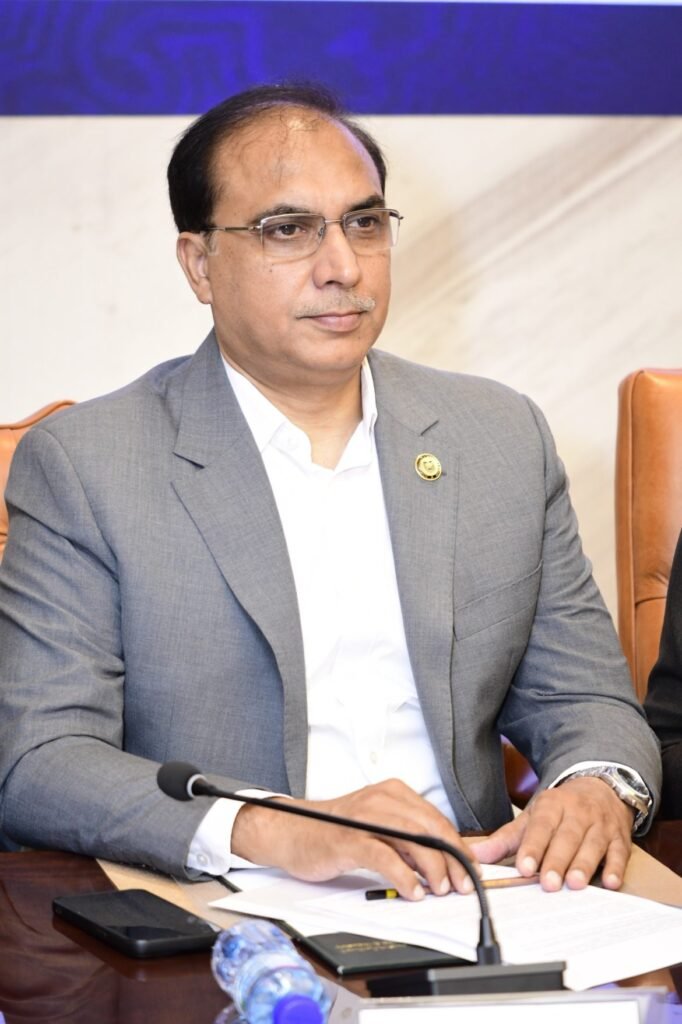
Balochistan Expands KUMAK Scholarship to Support Students with Disabilities

QUETTA — The Balochistan government has announced the expansion of the KUMAK Scholarship Program aimed at empowering students with disabilities (PWDs) across the province. The initiative, confirmed by Director General Social Welfare Balochistan, Mir Saifullah Khitran, underscores the provincial administration’s commitment to inclusive education and equal opportunities. What Happened The KUMAK Scholarship Program, a key initiative of the Balochistan government, has been expanded to provide greater support to students with disabilities. Mir Saifullah Khitran, Director General of Social Welfare, stated that the government is dedicated to fostering an educational environment that is inclusive and accessible to all. This expansion is part of a broader strategy to ensure that PWDs have the necessary resources to pursue their educational goals. According to Khitran, the scholarship program is designed to alleviate financial barriers faced by students with disabilities, thereby enabling them to participate fully in educational activities. The program will cover various educational expenses, including tuition fees, books, and other necessary materials. “Our aim is to create a level playing field for all students, regardless of their physical abilities,” Khitran remarked. The expansion of the KUMAK Scholarship Program is expected to benefit a significant number of students across Balochistan, a region where educational opportunities for PWDs have historically been limited. The government’s initiative is seen as a crucial step towards integrating PWDs into mainstream education and empowering them to contribute to society. Background Balochistan, Pakistan’s largest province by area, has long faced challenges in providing adequate educational opportunities, particularly for marginalized groups such as persons with disabilities. Historically, PWDs in the region have had limited access to education due to infrastructural, financial, and societal barriers. The KUMAK Scholarship Program was initially launched to address these disparities and promote inclusivity in education. The program aligns with Pakistan’s broader educational policies aimed at ensuring equal access to education for all citizens. It supports the objectives of the National Policy for Persons with Disabilities, which seeks to eliminate discrimination and promote the rights of PWDs in various sectors, including education. Why It Matters The expansion of the KUMAK Scholarship Program is significant for several reasons. Economically, it provides much-needed financial assistance to families of students with disabilities, many of whom struggle to afford educational expenses. By reducing these financial burdens, the program enables more students to attend school, thereby increasing educational attainment in the region. Socially, the initiative promotes inclusivity and challenges societal norms that often marginalize PWDs. By integrating students with disabilities into mainstream educational settings, the program helps to foster a more inclusive society that values diversity and equal opportunity. Politically, the expansion of the scholarship program reflects the Balochistan government’s commitment to fulfilling its obligations under national and international frameworks that advocate for the rights of PWDs. This move could enhance the government’s credibility and strengthen its position in advocating for further reforms and support for marginalized communities. Internationally, the initiative aligns with global efforts to promote inclusive education, as outlined in the United Nations Sustainable Development Goals (SDGs), particularly Goal 4, which aims to ensure inclusive and equitable quality education for all. Key Takeaways The Balochistan government has expanded the KUMAK Scholarship Program to support students with disabilities. The program aims to alleviate financial barriers and promote inclusive education. It aligns with national policies and international goals for inclusive education. The initiative is expected to benefit a significant number of students across the province. This expansion reflects the government’s commitment to equal opportunities for all citizens. Source Attribution This article is based on official statements and public communications from the Balochistan government and relevant authorities. Author: NEN Editorial Desk | Editor: NEN Newsroom | Fact Checked By: NEN Editorial Team Author: NEN Editorial Desk  |  Editor: NEN Newsroom  |  Last Updated: July 10, 2026  |  Source: NEN Reporter This article was produced by the NEN Editorial Desk in accordance with NEN Agency’s Editorial Policy and Fact-Checking Policy.
Pakistan

ICCI Pledges to Address Fruit Market Concerns in Islamabad

ISLAMABAD — The Islamabad Chamber of Commerce and Industry (ICCI) has committed to resolving the longstanding issues faced by traders in the Fruit Market located in Sector I-11/4, Islamabad. Acting President Tahir Ayub made this assurance on Thursday, emphasizing the chamber’s dedication to addressing civic, infrastructure, and traffic challenges in collaboration with relevant authorities. What Happened During a meeting with traders from the Fruit Market, Acting President of ICCI Tahir Ayub promised to engage with pertinent government bodies to expedite solutions to the market’s pressing issues. Ayub acknowledged the traders’ concerns, which include inadequate infrastructure, poor traffic management, and insufficient civic amenities. He assured the traders that the ICCI would actively pursue these matters to ensure a sustainable and effective resolution. Ayub stated, “The ICCI is fully aware of the challenges faced by the traders in the Fruit Market, and we are committed to working with the authorities to address these issues promptly.” He further highlighted the importance of the Fruit Market as a key commercial hub in Islamabad, underscoring the need for improved facilities to support its operations. The traders have long complained about the lack of proper roads, drainage systems, and parking facilities, which have adversely affected their businesses. Traffic congestion remains a significant problem, with inadequate space for loading and unloading goods exacerbating the situation. The ICCI’s involvement is seen as a positive step towards mobilizing government action and securing the necessary improvements. Background The Fruit Market in Sector I-11/4 serves as a vital center for the distribution of fruits and vegetables in Islamabad. Established several decades ago, the market has grown significantly, but infrastructure development has not kept pace with its expansion. Previous efforts to address these issues have been sporadic and largely ineffective, leaving traders frustrated and seeking intervention from business associations like the ICCI. The ICCI, as a representative body of the business community in Islamabad, plays a crucial role in advocating for the interests of local businesses. It regularly engages with government departments to facilitate improvements in business environments across various sectors. Why It Matters The resolution of issues at the Fruit Market has broader implications for Islamabad’s economy and the well-being of its citizens. As a major supplier of fresh produce, the market’s efficiency directly impacts food supply chains and prices in the capital. Improved infrastructure and traffic management can lead to reduced operational costs for traders, potentially lowering prices for consumers. Moreover, addressing these issues aligns with the government’s broader objectives of enhancing urban infrastructure and supporting small and medium-sized enterprises (SMEs). The Fruit Market’s traders are predominantly SMEs, and their success contributes to economic growth and job creation in the region. On a social level, resolving these challenges can improve the quality of life for those working in and around the market. Better roads and drainage systems can mitigate health risks associated with poor sanitation, while improved traffic flow can enhance safety and accessibility for workers and customers alike. Key Takeaways The ICCI has pledged to address the longstanding issues faced by traders in Islamabad’s Fruit Market. Key concerns include inadequate infrastructure, poor traffic management, and insufficient civic amenities. The Fruit Market is a crucial commercial hub, impacting food supply chains and prices in the capital. Resolving these issues supports government objectives of enhancing urban infrastructure and SME growth. Improved conditions can lead to economic benefits and better quality of life for market workers and customers. Source Attribution This article is based on official statements and public communications from the Islamabad Chamber of Commerce and Industry. Author: NEN Editorial Desk | Editor: NEN Newsroom | Fact Checked By: NEN Editorial Team Author: NEN Editorial Desk  |  Editor: NEN Newsroom  |  Last Updated: July 09, 2026  |  Source: NEN Reporter This article was produced by the NEN Editorial Desk in accordance with NEN Agency’s Editorial Policy and Fact-Checking Policy.
World

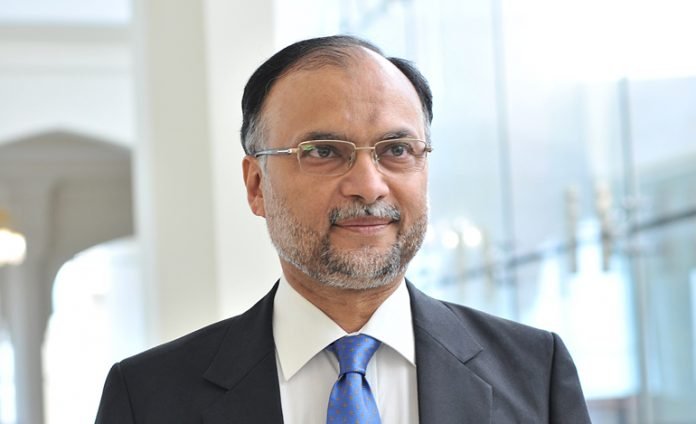
Ahsan Iqbal Urges US-Based Pakistanis to Support AI and Export Growth

ISLAMABAD — Federal Minister for Planning, Development and Special Initiatives, Professor Ahsan Iqbal, has called on the Pakistani diaspora in the United States to set aside political differences and unite under the “Pakistan First” initiative. The minister emphasized the importance of supporting Pakistan’s economic growth through innovation, technology, and exports during a recent address. What Happened On Thursday, Professor Ahsan Iqbal addressed members of the Pakistani community in the United States, urging them to rally behind efforts to transform Pakistan’s economy. He highlighted the critical role that technology and innovation, particularly in artificial intelligence (AI), can play in driving export-led growth. Iqbal stressed the need for the diaspora to contribute to these sectors, which he believes are pivotal for Pakistan’s future economic stability and prosperity. “We must rise above political differences and unite for the economic transformation of Pakistan,” Iqbal stated. He urged the diaspora to leverage their skills, networks, and resources to foster an environment conducive to technological advancement and export expansion. The minister’s call to action is part of a broader strategy to engage overseas Pakistanis in national development initiatives. Iqbal’s appeal comes at a time when Pakistan is seeking to enhance its global competitiveness by integrating cutting-edge technologies into its economic framework. He pointed out that the diaspora’s involvement is crucial in achieving the government’s vision of a technologically advanced and export-oriented economy. Background Historically, the Pakistani diaspora has played a significant role in the country’s economic development through remittances and investments. The government has often sought to engage overseas Pakistanis in various initiatives aimed at boosting economic growth and development. In recent years, there has been a concerted effort to tap into the expertise and resources of the diaspora to support sectors such as technology, innovation, and exports. Pakistan’s economy has faced numerous challenges, including a trade deficit and reliance on traditional industries. The government has recognized the need to diversify the economy by promoting sectors that can drive sustainable growth. The focus on AI and innovation aligns with global trends, as countries worldwide are investing heavily in these areas to enhance productivity and competitiveness. Why It Matters The involvement of the Pakistani diaspora in AI and export-led growth is of significant importance for several reasons. Economically, it can help bridge the technology gap and bring in much-needed expertise and investment. The diaspora’s participation can accelerate the adoption of AI technologies, which are essential for modernizing industries and improving efficiency. Socially, engaging the diaspora fosters a sense of national unity and pride, encouraging overseas Pakistanis to contribute to their homeland’s development. Politically, it demonstrates a commitment to inclusive growth by involving all stakeholders in national progress, regardless of political affiliations. Internationally, a focus on AI and innovation can enhance Pakistan’s standing as a competitive player in the global market. By prioritizing these sectors, Pakistan can attract foreign investment, create jobs, and improve its trade balance. The government’s outreach to the diaspora is a strategic move to harness the potential of overseas Pakistanis in achieving these goals. Key Takeaways Federal Minister Ahsan Iqbal calls on the US-based Pakistani diaspora to support economic growth through AI and exports. The initiative aims to unite overseas Pakistanis under the “Pakistan First” banner, transcending political differences. The government’s strategy focuses on leveraging technology and innovation to enhance global competitiveness. The diaspora’s involvement is crucial for bridging the technology gap and fostering economic stability. Engaging overseas Pakistanis can boost national unity and contribute to Pakistan’s international economic standing. Source Attribution This article is based on official government statements, press releases, and public communications from relevant authorities. Author: NEN Editorial Desk | Editor: NEN Newsroom | Fact Checked By: NEN Editorial Team Author: NEN Editorial Desk  |  Editor: NEN Newsroom  |  Last Updated: July 09, 2026  |  Source: NEN Reporter This article was produced by the NEN Editorial Desk in accordance with NEN Agency’s Editorial Policy and Fact-Checking Policy.

Pakistan

LCCI Seminar Highlights Export Opportunities for Pakistan’s Economic Growth

LAHORE — The Lahore Chamber of Commerce and Industry (LCCI) hosted a seminar on Thursday to explore export opportunities for Pakistan, emphasizing the need to boost exports and promote import substitution to address the trade deficit and bolster the national economy. LCCI President Faheem Ur Rehman Saigol underscored the importance of these measures during his address at the event. What Happened The seminar, titled “Export Opportunities for Pakistan,” was held at the LCCI premises and attracted a diverse group of stakeholders, including business leaders, economists, and government officials. LCCI President Faheem Ur Rehman Saigol highlighted the critical role of exports in strengthening Pakistan’s economy. He stated, “Increasing our exports while simultaneously promoting import substitution is essential to reducing our trade deficit and enhancing our economic resilience.” Saigol elaborated on the potential sectors where Pakistan could excel in exports, including textiles, agriculture, and information technology. He urged the government to facilitate exporters by providing incentives and reducing bureaucratic hurdles. “We need to create a conducive environment for our exporters to thrive and compete in the global market,” he added. The seminar also featured presentations from industry experts who shared insights into global market trends and strategies for penetrating new markets. Participants discussed the challenges faced by Pakistani exporters, such as high production costs, limited access to financing, and inadequate infrastructure. The need for policy reforms to address these issues was a recurring theme throughout the discussions. Background Pakistan’s economy has long been reliant on a narrow export base, primarily dominated by textiles and apparel. Over the years, the country has struggled with a persistent trade deficit, partly due to its heavy dependence on imports for essential goods and raw materials. The government has been making efforts to diversify the export base and reduce the trade deficit through various initiatives and policy measures. In recent years, the government has introduced several export promotion policies, including the Strategic Trade Policy Framework, which aims to enhance export competitiveness and market access. Despite these efforts, challenges such as energy shortages, security concerns, and global economic uncertainties have hindered progress. Why It Matters The seminar’s focus on export opportunities is crucial for Pakistan’s economic stability and growth. By expanding its export base, Pakistan can tap into new markets and reduce its reliance on a few sectors. This diversification is vital for mitigating risks associated with global economic fluctuations and enhancing the country’s resilience to external shocks. Moreover, promoting import substitution can significantly impact the trade deficit by reducing the need for foreign goods and encouraging local production. This approach not only supports domestic industries but also creates employment opportunities and fosters economic self-sufficiency. For citizens, a stronger export sector can lead to job creation and improved living standards. As industries expand to meet global demand, they generate employment and contribute to economic development. Additionally, increased foreign exchange earnings from exports can stabilize the national currency and improve the country’s financial health. On the international front, a robust export sector enhances Pakistan’s economic standing and strengthens its trade relations with other countries. By becoming a competitive player in the global market, Pakistan can attract foreign investment and forge strategic partnerships that benefit its economy. Key Takeaways The LCCI seminar emphasized the need to boost exports and promote import substitution to strengthen Pakistan’s economy. LCCI President Faheem Ur Rehman Saigol highlighted potential sectors for export growth, including textiles, agriculture, and IT. Challenges faced by exporters include high production costs, limited financing, and inadequate infrastructure. Diversifying the export base is crucial for economic stability and reducing reliance on a few sectors. A strong export sector can lead to job creation, improved living standards, and enhanced international trade relations. Source Attribution This article is based on official statements and public communications from the Lahore Chamber of Commerce and Industry. Author: NEN Editorial Desk | Editor: NEN Newsroom | Fact Checked By: NEN Editorial Team Author: NEN Editorial Desk  |  Editor: NEN Newsroom  |  Last Updated: July 09, 2026  |  Source: NEN Reporter This article was produced by the NEN Editorial Desk in accordance with NEN Agency’s Editorial Policy and Fact-Checking Policy.

Scroll to Top