2026

Business

Prime Minister Shehbaz Sharif and Iranian President Pezeshkian Hold Talks in Islamabad

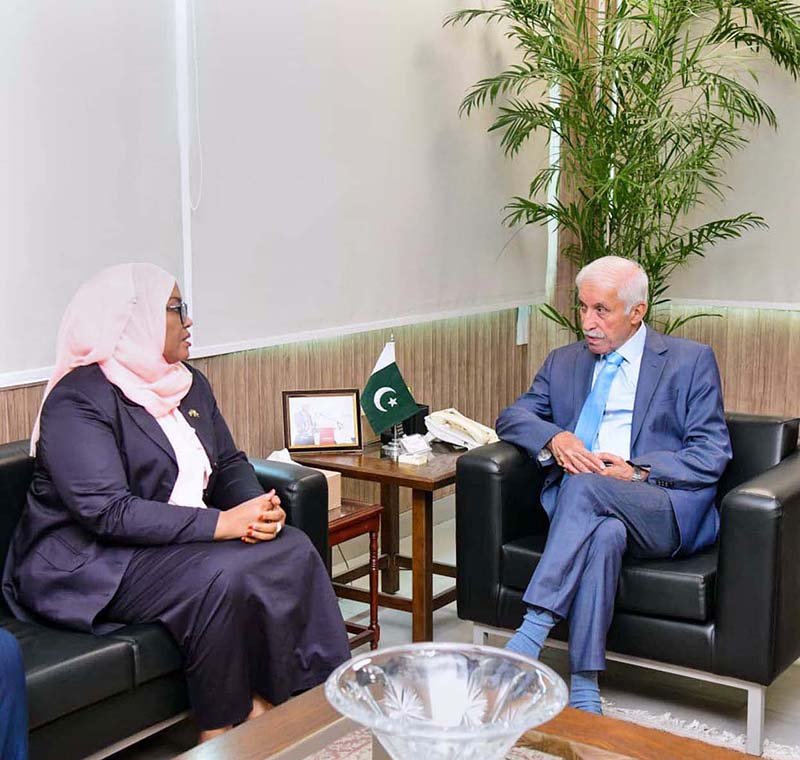
ISLAMABAD — Prime Minister Shehbaz Sharif and Iranian President Dr. Masoud Pezeshkian convened in Islamabad on June 23 to discuss enhancing bilateral relations and regional cooperation. The delegation-level talks aimed at strengthening ties between Pakistan and Iran, focusing on economic collaboration and security issues. Discussion Highlights The meeting formed part of the Iranian delegation’s official visit to Pakistan. Discussions covered topics such as trade, energy cooperation, and regional security. Both leaders committed to enhancing bilateral relations and exploring new avenues for collaboration. Prime Minister Sharif stressed the importance of economic ties, saying, “Pakistan and Iran have a long history of cooperation; it’s essential to build on this foundation to achieve mutual economic growth.” He highlighted opportunities for increased trade and investment, particularly in the energy sector. President Pezeshkian echoed these sentiments, noting Iran’s eagerness to expand its economic partnership with Pakistan. He stated, “Iran sees Pakistan as a vital partner in the region, and we are committed to working together to address common challenges and seize growth opportunities.” They also discussed regional security, particularly concerning Afghanistan. Sharing a border with Afghanistan, both countries are invested in ensuring regional stability. They agreed on continued collaboration on security matters and supporting peace efforts in Afghanistan. Background of Relations Pakistan and Iran have historically maintained cordial relations, sharing cultural, religious, and economic ties. Despite challenges due to regional dynamics and geopolitical tensions, both nations have recently focused on strengthening their partnership through economic cooperation and security collaboration. Trade between Pakistan and Iran has been constrained by sanctions on Iran and logistical challenges. Nevertheless, both countries have shown a desire to increase trade volumes and explore new areas of cooperation. Energy cooperation, such as the Iran-Pakistan gas pipeline, remains a key focus. Significance of the Meeting The meeting between Prime Minister Sharif and President Pezeshkian is economically significant, as enhanced cooperation can lead to increased trade and investment, benefiting both economies. The energy sector’s collaboration potential is noteworthy, with Pakistan seeking diversified energy sources and Iran aiming to expand its exports. Politically, strengthening ties can enhance regional stability. Both countries play crucial roles in the geopolitics of South Asia and the Middle East, and their cooperation on security can address challenges like terrorism and drug trafficking. For Pakistan, improving relations with Iran is strategically important. Balancing relationships with regional powers such as China, the USA, and Saudi Arabia, while maintaining a strong partnership with Iran, enhances its diplomatic leverage. Key Takeaways Prime Minister Shehbaz Sharif and Iranian President Masoud Pezeshkian convened in Islamabad to discuss bilateral relations. The talks focused on economic cooperation, particularly in trade and energy, and regional security issues. Both leaders expressed a commitment to strengthening ties and exploring new avenues for collaboration. The meeting opens paths for increased trade, energy collaboration, and regional stability.

Business

Prime Minister Shehbaz Sharif Meets Iranian President Masoud Pezeshkian in Islamabad

ISLAMABAD — On June 23, Prime Minister Shehbaz Sharif and Iranian President Dr. Masoud Pezeshkian met in Islamabad to discuss enhancing diplomatic and economic ties between Pakistan and Iran. Diplomatic Engagement The significant diplomatic meeting took place in Islamabad, highlighting the importance of Pakistan and Iran strengthening their bilateral relations. Both leaders emphasized the need to enhance cooperation in trade, energy, and security. Prime Minister Sharif pointed out the potential for increased trade, citing geographical proximity and shared cultural ties that could facilitate economic collaboration. President Pezeshkian expressed Iran’s interest in energy projects, including electricity and gas pipeline initiatives. “Iran is keen to work with Pakistan to address energy needs and enhance regional connectivity,” he stated. Historical Context Pakistan and Iran have maintained diplomatic relations since shortly after Pakistan’s independence in 1947. Their relationship is built on regional stability and economic cooperation. Despite challenges from geopolitical tensions and international sanctions on Iran, both countries aim to overcome these obstacles for mutual benefit. The Iran-Pakistan gas pipeline, known as the “Peace Pipeline,” remains a significant topic, although progress has been impeded by geopolitical and financial issues. Economic and Political Implications The meeting holds considerable significance. Economically, stronger cooperation could lead to increased trade and investment opportunities, benefiting both countries. For Pakistan, utilizing Iranian energy resources could alleviate its chronic energy shortages, bolstering industrial growth. Politically, deeper ties with Iran could offer Pakistan a balanced foreign policy, enhancing its diplomatic leverage with other major powers and contributing to regional stability. Key Takeaways Prime Minister Sharif and President Pezeshkian met in Islamabad to discuss bilateral relations. Focus was placed on enhancing trade, energy cooperation, and regional security. Iran showed interest in energy projects, including electricity supply and gas pipelines. The meeting highlights the potential for strengthened economic and diplomatic ties between Pakistan and Iran.

Business

Iranian President and Pakistani Prime Minister Hold Joint Press Conference

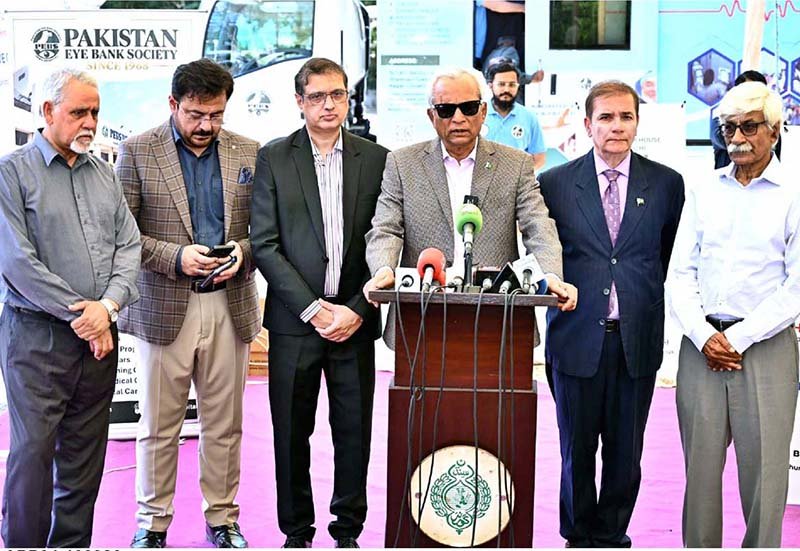
ISLAMABAD — The President of the Islamic Republic of Iran, Dr. Masoud Pezeshkian, and the Prime Minister of the Islamic Republic of Pakistan, Muhammad Shehbaz Sharif, held a joint press conference on Tuesday to discuss bilateral relations and regional cooperation. The meeting in Islamabad highlighted both nations’ commitment to strengthening ties amid evolving geopolitical dynamics. Key Issues Discussed During the press conference, President Pezeshkian and Prime Minister Sharif addressed key issues, including economic collaboration, security concerns, and cultural exchanges. They stressed the importance of enhancing trade and investment, focusing on energy cooperation and infrastructure development. Economic and Energy Cooperation Prime Minister Sharif stated, “Our discussions today have been fruitful, and we are committed to expanding our economic partnership.” He noted that both nations are eager to explore new avenues for mutual benefit, having a long history of cooperation. President Pezeshkian echoed these sentiments, emphasizing Iran’s interest in working on projects that bring prosperity to both peoples. He highlighted potential collaboration in the energy sector, especially in developing cross-border gas pipelines. Regional Security Concerns The leaders discussed regional security, focusing on the situation in Afghanistan. Both countries, sharing a border with Afghanistan, have an interest in promoting regional stability and peace. They agreed to enhance intelligence sharing and cooperate closely to address common security challenges. Background of Iran-Pakistan Relations Pakistan and Iran have historically maintained cordial relations, based on cultural and religious ties. They have collaborated on trade, energy, and security fronts, despite geopolitical tensions and sanctions on Iran posing challenges at times. The Iran-Pakistan gas pipeline, known as the “Peace Pipeline,” aims to address Pakistan’s energy needs but has faced political and financial hurdles. Despite this, both continue to express a commitment to the project’s completion. Significance of the Meeting This conference signifies a renewed commitment to strengthening Iran-Pakistan ties, crucial amid shifting alliances and the changing geopolitical scene. Enhanced cooperation could lead to significant economic benefits, such as increased trade and investment opportunities. For Pakistan, collaboration with Iran is essential for alleviating energy shortages. The Iran-Pakistan gas pipeline’s successful implementation could provide a stable energy source, lessening power shortages. On the security front, both nations face common challenges, especially regarding Afghanistan, and can promote regional stability and counter extremism by working together. Iranian President and Pakistani Prime Minister held a joint press conference in Islamabad. Discussions focused on economic collaboration, security, and cultural exchanges. Leaders emphasized the importance of the Iran-Pakistan gas pipeline project. Regional security, particularly in Afghanistan, was a key topic of discussion.

Pakistan

RCCI Calls for Extension of Punjab’s New Land Record System Deadline

RAWALPINDI — The Rawalpindi Chamber of Commerce and Industry (RCCI) has appealed to the Punjab Government to postpone the implementation of the new land record transaction system, originally due on July 1, 2026. RCCI President Usman Shaukat raised concerns on Tuesday about stakeholders’ readiness to adapt to the new system in the allotted time. RCCI’s Concerns In a formal statement, Usman Shaukat urged the Punjab Government to reconsider the timeline for the new land record system. Scheduled to start on July 1, 2026, the system is designed to streamline and digitize land transactions across the province. Shaukat believes the current deadline doesn’t provide businesses and stakeholders sufficient time to adapt. Shaukat emphasized that transitioning to a digital system requires comprehensive training and infrastructure which aren’t fully in place yet. “The business community is worried about potential disruptions if implemented without adequate preparation,” Shaukat stated. He stressed a phased approach is needed for a smoother transition and to minimize business disruptions. Challenges for SMEs The RCCI President highlighted that many stakeholders, especially small and medium enterprises (SMEs), might struggle due to limited resources and technical expertise. He called on the government to collaborate with the business community to address these issues and ensure a seamless transition. Background on the System The new system is part of the Punjab Government’s broader initiative to modernize land administration and improve transparency. It aims to digitize land records, making them more accessible and reducing fraud and corruption. This initiative aligns with the national agenda for digital transformation and governance reform. Land record management in Punjab has historically been challenging due to manual processes prone to errors. A digital system is expected to resolve these issues, offering efficient and reliable land transaction management. However, moving from manual to digital systems requires significant workflow changes and new capabilities among stakeholders. Economic Implications Implementing the digital land records system has significant economic impacts for Punjab. The government aims to enhance transparency and efficiency, boosting investor confidence and economic growth. However, success hinges on stakeholders’ readiness to adapt. For the business community and SMEs, digital transition offers opportunities and challenges. Streamlined processes could reduce costs and improve land information access. However, the demand for technical expertise and infrastructure could present adoption barriers, particularly for businesses with limited resources. An abrupt transition without adequate preparation could disrupt business operations and regional economic activity. Therefore, RCCI’s call for an extension reflects the need for a balanced approach, considering stakeholder readiness to ensure the full benefits of digital transformation are realized. Key Takeaways RCCI requests the Punjab Government to extend the deadline for the new land record system. Concerns arise about stakeholder readiness to transition to a digital system. A phased approach is suggested to minimize disruptions for businesses, especially SMEs. The digital system aims to enhance transparency and efficiency.

Business

Punjab Revenue Authority Extends Hours, Cancels Holidays to Meet Targets

LAHORE — To meet its revenue targets for the fiscal year ending June 30, the Punjab Revenue Authority (PRA) has extended office working hours and cancelled weekly holidays. This strategy, revealed by a PRA spokesperson on Tuesday, aims to maximize revenue collection before the fiscal year concludes. Decisive Measures by PRA The Punjab Revenue Authority has taken decisive steps to ensure it meets its revenue targets. All offices, including the headquarters, are extending working hours. This change comes as the fiscal year nears its end, with pressure mounting to achieve financial goals. The cancellation of weekly holidays will allow uninterrupted operations as the deadline approaches. The spokesperson emphasized, “The extension of working hours and cancellation of holidays are necessary steps to ensure that we meet our revenue targets for this fiscal year. Our team is committed to working diligently to achieve these goals.” These efforts are part of a broader strategy to enhance revenue collection and improve organizational efficiency. This initiative is expected to significantly impact the authority’s ability to collect taxes and other revenues, which are crucial for funding government projects and services. By extending working hours, the PRA aims to provide more opportunities for taxpayers to meet obligations, increasing compliance and revenue collection. Role of the Punjab Revenue Authority The Punjab Revenue Authority is tasked with collecting taxes and other revenues in the province. Established to streamline tax collection and increase efficiency, the PRA plays a vital role in ensuring the provincial government’s financial stability. Over time, the authority has introduced various measures to enhance operations and improve revenue collection. Recently, the PRA faced challenges in meeting revenue targets due to economic fluctuations and compliance issues. The authority has addressed these challenges through policy reforms, technological advancements, and improved taxpayer services. Extending hours and canceling holidays is the latest effort to boost revenue collection and ensure financial sustainability. Impact of Extended Working Hours Extending working hours and cancelling holidays is significant for several reasons. Economically, it highlights the importance of meeting revenue targets to fund essential government services and projects. The additional revenue collected through these measures will contribute to the province’s development and financial stability. Socially, this decision reflects the commitment of the PRA’s workforce to achieve organizational goals, even at personal time expense. The dedication of employees to work extra hours underscored the importance of collective efforts for financial objectives. Politically, the PRA’s actions could influence public perception of the government’s financial management. Achieving revenue targets is crucial for maintaining public trust and confidence in fiscal policies and management. Internationally, the PRA’s measures to enhance revenue collection align with global best practices in tax administration. Efficient tax collection is vital for economic growth, and the PRA’s initiatives contribute to Pakistan’s broader economic objectives. Key Takeaways The Punjab Revenue Authority has extended working hours and cancelled holidays to meet fiscal year revenue targets. This decision aims to maximize revenue collection and improve organizational efficiency. The PRA’s initiatives are crucial for funding government projects and maintaining financial stability. The workforce’s dedication reflects commitment to achieving financial goals in challenging conditions. These efforts align with global best practices, contributing to Pakistan’s broader economic goals.

Sports

Pakistan Falls Short Against India in FIH Pro League Clash

ISLAMABAD — The Pakistan hockey team faced a narrow defeat against India in a thrilling FIH Pro League match in England on Tuesday, June 21. Despite their valiant effort, the team lost 3-4, battling through injuries to key players, including their captain. Match Highlights The encounter between Pakistan and India was intensely competitive, emphasizing the historic rivalry on the hockey field. Pakistan secured an early advantage in the eighth minute when Nadeem Ahmad scored a penalty corner, marking the start of a competitive clash. However, India quickly leveled the score with a field goal by Harmanpreet Singh. As the game advanced, both teams exhibited exceptional skill and determination. India pulled ahead with goals from Mandeep Singh and Vivek Prasad, intensifying the pressure on Pakistan. Nevertheless, Pakistan responded with a goal from Rizwan Ali, narrowing the lead to 3-2. During the final quarter, India extended their advantage with another goal, bringing the score to 4-2. Pakistan, undeterred by this, continued their offensive efforts. Ali Shan’s goal brought Pakistan closer, 4-3, but they ran out of time to equalize, resulting in their narrow loss. Challenges and Resilience The match posed significant challenges for Pakistan, as injuries to several key players, including the captain, affected their performance. Despite these setbacks, the team showcased resilience and skill, earning recognition from fans and analysts. Background of the FIH Pro League The FIH Pro League is a prestigious international field hockey competition featuring top teams globally. Matches are held across different countries, providing teams a high-level platform. The historic hockey rivalry between Pakistan and India attracts substantial attention and viewership. Pakistan has historically been a dominant hockey force, with multiple World Cup victories and Olympic medals. However, recent challenges, including limited resources and infrastructure, have affected their international performance. Significance of the Match The narrow defeat against India in this FIH Pro League match holds significant implications for Pakistan’s hockey team and its future prospects. The team demonstrated potential and capability to compete against top-tier opponents, which could boost morale ahead of upcoming tournaments. Economic implications: Success in international competitions can attract sponsorships and funding essential for developing sports infrastructure in Pakistan. Emphasizing player health: The need for investing in player health and fitness is crucial to avoid injuries that impact performance. Cultural significance: The Pakistan-India rivalry in sports is deeply cultural, uniting fans in both nations. Key Takeaways Pakistan narrowly lost to India, 3-4, in the FIH Pro League match. Scorers for Pakistan included Nadeem Ahmad, Rizwan Ali, and Ali Shan. Injuries to key players, notably the captain, impacted the team’s performance. The match highlighted Pakistan’s competitive potential at a high level. The Pakistan-India hockey rivalry remains a culturally significant event. Source Attribution The information in this article is based on reported events during the FIH Pro League match.

Pakistan

Cabinet Committee Evaluates Muharram Security in Lahore

LAHORE — The Cabinet Committee on Law and Order thoroughly reviewed the security and administrative preparations for the upcoming Muharram events along Lahore’s central procession route on Tuesday. Provincial Minister and Committee Chairman Khawaja Salman Rafique led the inspection, focusing on key locations like Nisar Haveli and Karbala Gamay Shah. Inspection of Security Measures The Cabinet Committee on Law and Order, tasked with ensuring the safety and smooth conduct of Muharram processions, visited vital sites along Lahore’s central route. This visit aimed to assess the preparedness of security arrangements and address any potential issues before the Muharram observances, which are expected to attract large crowds. Khawaja Salman Rafique and other committee members evaluated security measures, including law enforcement personnel deployment and surveillance systems installation. The committee stressed maintaining a peaceful environment during these significant cultural and religious events for the Shia community in Pakistan. Administrative Arrangements The committee also assessed administrative preparations like traffic management and emergency response plans. These steps are crucial to ensure that processions run smoothly without incidents, minimizing disruptions to daily life in Lahore while respecting the participants’ religious practices. Background on Muharram Events Muharram, the first month of the Islamic lunar calendar, is a mourning period for Shia Muslims. It commemorates the martyrdom of Imam Hussain, Prophet Muhammad’s grandson, at the Battle of Karbala. Lahore’s central procession is a significant event, drawing thousands and requiring extensive security and logistical planning. Historically, Muharram processions in Pakistan have been vulnerable to sectarian violence, necessitating strict security measures. The government typically augments police and paramilitary forces, sets up checkpoints, and implements traffic diversions to ensure participant safety and maintain order. Importance of These Arrangements Security and administrative arrangements for Muharram processions are vital due to potential sectarian tensions and the large participant numbers. Their safety is crucial for communal harmony and violence prevention. A smoothly conducted Muharram can economically impact local businesses and daily activities in Lahore. Planning inadequacies or security incidents could lead to economic losses and inconvenience for residents. Political implications arise from the government’s capability to manage these events, showcasing its commitment to protecting religious freedoms and public order. Successful observances can enhance public confidence in the government’s capabilities and instill a sense of security among the populace. Internationally, how Pakistan handles religious events like Muharram is closely observed, reflecting its management approach to sectarian diversity and religious rights. Effective management can enhance Pakistan’s image as a nation that respects and safeguards its citizens’ religious practices. Key Takeaways The Cabinet Committee on Law and Order reviewed Muharram security and administrative preparations in Lahore. Key locations such as Nisar Haveli and Karbala Gamay Shah were inspected for readiness. Muharram processions are significant cultural and religious events requiring substantial security measures. Effective management is crucial for maintaining communal harmony and public confidence in the government.

Business

Pakistan Releases Latest Foreign Exchange Rates Amid Economic Challenges

KARACHI — The Exchange Rates Committee of the Financial Markets Association of Pakistan has announced the latest foreign exchange rates as of June 23, 2026. These conversion rates are vital for traders and businesses engaged in international transactions. They aim to guide forward cover for deposits, with the State Bank of Pakistan (SBP) setting the settlement value date for June 29, 2026. Latest Release Details On June 23, 2026, the Financial Markets Association of Pakistan’s Exchange Rates Committee issued a bulletin detailing foreign currency conversion rates. These rates are crucial for financial institutions and businesses involved in foreign trade and were released for forward cover for deposits, excluding FE-25 deposits. The State Bank of Pakistan has scheduled the settlement value date for these rates as June 29, 2026. The exchange rate for the US dollar was pegged at 278.1921 Pakistani rupees. This rate is a crucial economic health indicator, as the US dollar plays a significant role in international trade and finance. The bulletin also included the British pound’s rate, reflecting active trade relations between Pakistan and the United Kingdom. Economic Context The release of these rates occurs amid Pakistan’s significant economic challenges, such as inflation and a volatile currency market. The exchange rates serve as essential benchmarks for financial transactions, monitored closely by businesses and investors to facilitate informed decision-making. Exchange Rate Influence Pakistan’s foreign exchange market faces pressure from various internal and external factors. Historically, the country struggles to maintain a stable currency owing to its reliance on imports and external debt obligations. The exchange rate remains a vital tool for the State Bank of Pakistan to manage monetary policy and control inflation. In recent years, the Pakistani rupee has shown volatility, influenced by global economic trends, geopolitical tensions, and domestic policies. The SBP regularly intervenes in the foreign exchange market to stabilize the currency and ensure sufficient reserves. Significance and Implications The latest foreign exchange rates are crucial for several reasons: They provide transparency for businesses and financial institutions to strategically plan transactions and manage currency risks. The rates help in setting realistic financial commitments amid the rupee’s depreciation pressures. Economically, these rates affect import and export costs, balancing trade dynamics. A higher US dollar rate can make imports more costly, fueling inflation, but it can also boost export competitiveness. Politically, stable exchange rates maintain investor confidence and attract foreign investment. Volatility can deter investors due to currency loss risks. Thus, the SBP’s management of these rates is crucial for economic stability and growth. Internationally, Pakistan’s exchange rates influence global investor and trading partner relations. A stable currency bolsters the country’s reputation as a dependable trading partner, enhancing trade relations and economic cooperation.

Pakistan

PSCA Boosts Muharram Security with Advanced Surveillance Technology

LAHORE — The Punjab Safe Cities Authority (PSCA) has implemented advanced surveillance technology to improve security during Muharram. This effort involves equipping police officers with state-of-the-art digital tools to uphold public safety and maintain order throughout the religious observance. Innovations in Surveillance The PSCA has enhanced its LTE Smart Communication System, enabling police officers to view real-time camera feeds on their LTE handsets. This new capability supports a broader strategy to leverage technology for managing security during Muharram, a time characterized by large assemblies and processions. A PSCA spokesperson stated that these innovations provide officers with immediate surveillance data access, improving their response capabilities. The LTE handsets function as mobile command centers, allowing for real-time situation monitoring and coordinated action. This upgrade is anticipated to significantly bolster operational efficiency, facilitating better crowd management and quicker incident resolution. The initiative underlines PSCA’s dedication to utilizing modern technology to tackle security challenges, especially during high-risk periods such as Muharram. Understanding Muharram Muharram, the first month of the Islamic calendar, holds profound religious significance for Muslims, especially the Shia community. It commemorates Imam Hussain’s martyrdom at the Battle of Karbala. The period involves numerous gatherings and processions, necessitating stringent security measures to avert untoward incidents. The Punjab Safe Cities Authority aims to enhance urban security through technological advancements. It leads in deploying sophisticated surveillance systems across Punjab’s major cities. Recent efforts have concentrated on integrating digital tools to assist law enforcement in ensuring public safety and order. Technological Impact Deploying advanced surveillance technology during Muharram is pivotal for enhancing security during this historically sensitive time. It equips police officers with real-time surveillance data, allowing the PSCA to swiftly identify and mitigate potential risks. The growing necessity of technological adoption in law enforcement is evident in urban settings. Real-time monitoring and communication enhance resource allocation and response times, which are crucial for managing crowds and preventing incidents. Broader Implications Beyond immediate security improvements, this initiative marks a step towards the digital transformation of public safety in Pakistan. By investing in technology-driven solutions, the PSCA sets an example for other regions, possibly leading to nationwide enhancements in security practices. The implications extend to modernizing Pakistan’s law enforcement abilities and aligning them with global standards. It builds public confidence in authorities’ capacity to ensure safety during significant events.

Business

GCWUF Unveils 6th Fashion Design Thesis Display in Faisalabad

FAISALABAD — The Government College Women University Faisalabad (GCWUF) launched its 6th Fashion Design Thesis Display at the Lyallpur Galleria on June 23. The event showcased the creative talents of students from the Department of Fashion and Textile Design. GCWUF Vice Chancellor Prof Dr Kanwal Amin and renowned textile industrialist Amina Khurram inaugurated the event. Event Highlights The thesis display aimed to highlight the innovative potential of young female designers. Held at Lyallpur Galleria, it featured diverse fashion projects demonstrating students’ skills in textile and fashion design. This annual event provides a platform for final-year students to present their work to industry professionals, faculty, and the public. Key Figures and Their Insights During the inauguration, Vice Chancellor Prof Dr Kanwal Amin emphasized the importance of such platforms in nurturing young talent for the competitive fashion industry. She stated, “This display not only showcases our students’ hard work and creativity but also serves as a bridge between academia and industry.” Amina Khurram, a key figure in the textile industry, praised the quality of the students’ work. She noted, “Their creativity and originality are commendable, and events like these are crucial for their professional growth.” Fashion Innovation The display featured a variety of fashion pieces ranging from traditional attire to contemporary designs, blending cultural heritage with modern aesthetics. Students’ work was evaluated by a panel of judges, including industry experts and academic professionals, who provided feedback and guidance. Institutional Background GCWUF has been a pioneer in women’s education, offering programs in arts, sciences, and humanities. The Fashion and Textile Design Department encourages creativity and innovation, pushing students to explore new trends in fashion design. The thesis display is a significant event in the university calendar, drawing attention from industry leaders and providing students exposure and networking opportunities. Economic Importance The fashion and textile industry is a vital sector in Pakistan’s economy, contributing significantly to exports and employment. Events like GCWUF’s Fashion Display prepare the next generation of designers who will drive this industry forward. By showcasing their work, students gain valuable experience and exposure, essential for career development. The event highlights the importance of women’s education and empowerment in Pakistan, contributing to gender equality and participation in the workforce. The display underlines the potential for innovation in fashion. As global trends shift towards sustainable fashion, young designers from GCWUF are well-positioned to lead in creating environmentally friendly fashion solutions. Key Takeaways The 6th Fashion Design Thesis Display was held at GCWUF, showcasing student talent. Vice Chancellor Prof Dr Kanwal Amin and Amina Khurram inaugurated the event. The display featured a range of innovative student fashion projects.

Scroll to Top