Author name: NEN News

Sports

Digital Transformation to Enhance Pakistan’s Passport Services, Says DG

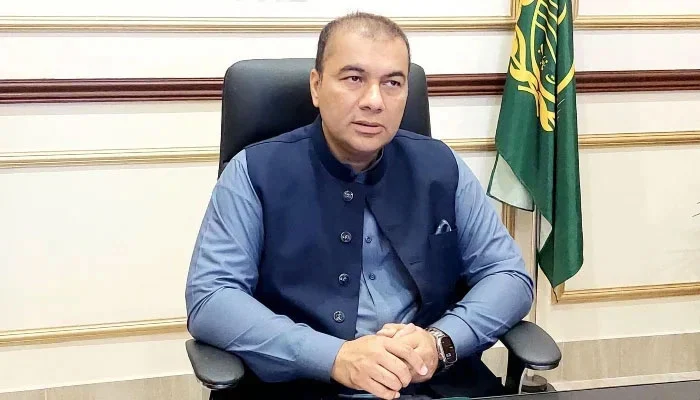
ISLAMABAD — Pakistan’s Director General of Immigration and Passports, Muhammad Ali Randhawa, announced on Friday an ambitious digital transformation initiative to improve the nation’s passport services. This project includes a Passport mobile app, home delivery service, and QR code-based payments, all aimed at increasing efficiency and transparency. Details of the Digital Transformation Director General Muhammad Ali Randhawa outlined the government’s plan to overhaul passport services. The initiative aims to streamline processes, reduce wait times, and curb illegal practices that have affected the system for years. Randhawa stressed the need for modern technology to meet growing public demands. Digital Passport Mobile App A major feature of this initiative is the Passport mobile application, allowing citizens to apply for and renew passports online. This app will minimize the need for physical visits, reducing inconveniences and wait times, while providing real-time updates on application status for improved transparency. Home Delivery Service The initiative also introduces a home delivery service for passports, making the process more convenient by delivering passports directly to citizens’ homes. This reduces the burden on passport offices and lessens applicant travel. QR Code-Based Payments With QR code-based payments, the fee payment process becomes simpler, more secure, and efficient. This method reduces risks of corruption by offering a direct, traceable payment option. Background and Challenges Historically, Pakistan’s passport system has been criticized for inefficiency and corruption. Despite attempts to improve, challenges persisted. The switch to digital services marks a substantial departure from traditional methods, targeting these enduring issues. The passport application process has typically included lengthy procedures and bureaucratic hurdles, frustrating many applicants. This latest initiative is part of a broader strategy to modernize public services nationally, leveraging technology for accessibility and transparency improvements. Importance of the New Initiative The digital transformation of Pakistan’s passport services is key to enhancing public service delivery. By using modern technology, the government seeks to make the process more user-friendly and efficient for citizens. Economically, the initiative promises cost savings for both the government and citizens. The reduction of physical infrastructure and personnel requirements could enable more effective resource allocation, while citizens benefit from reduced travel costs and time savings through online applications and home deliveries. Socially, improved transparency could build trust in government services and reduce corruption, leading to increased public confidence in the government’s effectiveness. Internationally, this enhancement may improve Pakistan’s image as proactive in public service modernization, positively influencing tourism and international relations. Efficient processes might encourage more people to visit or do business in Pakistan. Key Takeaways Introduction of a Passport mobile app for online applications. Launch of home delivery services for passports. Implementation of QR code-based fee payments to enhance security. Efforts to streamline passport services and reduce corruption.
World

Senator Highlights Historical Significance Of Hazrat Imam Hussain’s Sacrifice

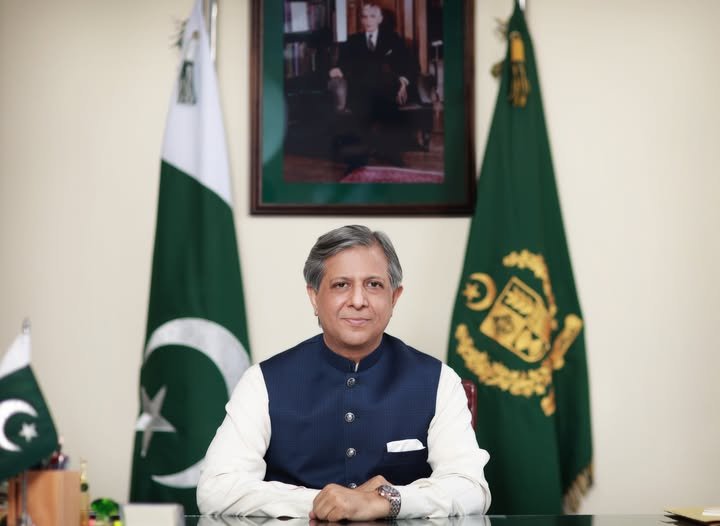
ISLAMABAD — Senator Azam Nazeer Tarar, Federal Minister for Law, Justice and Human Rights, highlighted the enduring significance of Hazrat Imam Hussain’s sacrifice at Karbala. He emphasized it as a monumental example of courage and truth prevailing over oppression. His remarks, made on Friday, underscored the historical and moral importance of the Karbala events. Historical Context Senator Azam Nazeer Tarar reflected on the sacrifice made by Hazrat Imam Hussain (AS) and his companions during the Battle of Karbala. He praised the courage and steadfastness of Imam Hussain and his followers facing Yazid’s oppressive forces. The senator noted that the 680 AD events of Karbala resonate as a powerful symbol of the fight for justice and truth. “The timeless sacrifice of Hazrat Imam Hussain (AS) and his devoted companions at Karbala remains one of history’s greatest examples of courage, steadfastness, and the triumph of truth over oppression,” stated Senator Tarar. He elaborated on how the sacrifice continues to inspire generations against tyranny and injustice. Global Relevance Senator Tarar’s comments come as the teachings of Imam Hussain gain renewed relevance. Communities worldwide reflect on justice and sacrifice principles during the Islamic month of Muharram. This period involves mourning and remembrance of Karbala, where Imam Hussain and his followers were martyred. Internationally, commemorating Imam Hussain’s sacrifice unites Muslims, fostering unity and offering opportunities for interfaith dialogue. The universal story of Karbala is appreciated by diverse audiences. Event Significance The Battle of Karbala, occurring on the 10th of Muharram in 680 AD, is pivotal in Islamic history. Hazrat Imam Hussain, Prophet Muhammad’s grandson, opposed the Umayyad caliph Yazid’s oppressive rule. Imam Hussain’s refusal to pledge allegiance to Yazid led to the Karbala confrontation in present-day Iraq. Despite being outnumbered, Imam Hussain and his followers chose to fight for their principles, leading to martyrdom. This event is commemorated annually during Muharram, especially on Ashura, serving as a reminder of standing up for justice and righteousness. Impact on Society The sacrifice of Hazrat Imam Hussain at Karbala holds deep significance for Muslims and all who value justice and moral integrity. The Karbala narrative transcends religious boundaries, offering a universal message about standing up against tyranny. For Pakistan, a nation built on justice and equality, Karbala’s lessons are particularly strong. Imam Hussain’s story inspires citizens and leaders to uphold these values amidst challenges. Senator Tarar’s remarks remind us of these historical events’ impact on contemporary society. Key Takeaways Senator Tarar emphasized the historical significance of Imam Hussain’s sacrifice at Karbala. The Battle of Karbala is annually commemorated during Muharram, focusing on justice and courage themes. Imam Hussain’s stand against tyranny continuously inspires global justice movements. The Karbala events transcend religious boundaries, offering universal lessons on moral integrity. Pakistan’s leaders and citizens are reminded of justice and equality’s importance.

Business

Overseas Complaint System Achieves 83% Resolution Rate, Says OPF Chairman

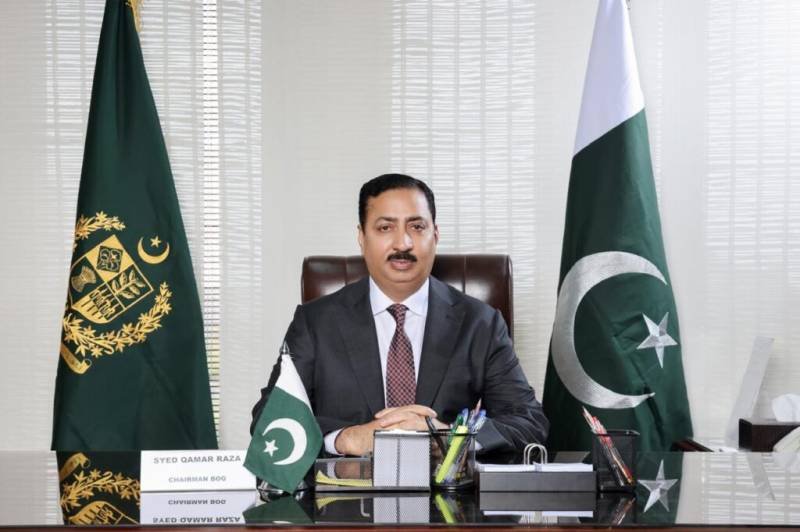
ISLAMABAD — The Overseas Pakistanis Foundation (OPF) has improved its complaint resolution system, achieving an 83% success rate. Chairman Syed Qamar Raza announced this development on Friday, highlighting the foundation’s commitment to overseas Pakistanis through enhanced digital channels. Advancements in Complaint Management During a discussion with a local media outlet, Chairman Syed Qamar Raza detailed the OPF’s advancements in complaint management. The foundation has strengthened its 24/7 resolution mechanisms, including WhatsApp, email support, and an online portal. These digital platforms have collectively contributed to the 83% resolution rate for complaints from overseas Pakistanis. The initiative aims to streamline grievance redressal for Pakistanis abroad. Raza stated, “Our goal is to ensure that overseas Pakistanis’ voices are heard and issues resolved promptly.” These efforts are part of broader reforms to enhance the support system for the diaspora. Raza emphasized technology’s role in improving service delivery. OPF’s digital platforms provide timely assistance, allowing for efficient issue reporting and feedback. The integration of these platforms facilitates a responsive and transparent complaint handling process. OPF’s Evolution and Objectives Established in 1979, the OPF aims to protect overseas Pakistanis’ interests. Over the years, it has addressed various challenges faced by the diaspora, including legal and educational support. The complaint resolution system is a key part of the OPF’s mandate to support overseas Pakistanis effectively. Historically, OPF faced challenges in complaint resolution due to bureaucratic hurdles and limited resources. However, recent reforms leverage technology to overcome these barriers. The shift to digital complaint platforms marks a move away from traditional methods, offering a user-friendly interface for overseas Pakistanis. Economic and Social Impact The enhanced complaint resolution system is crucial for the estimated nine million Pakistanis living overseas. These individuals significantly contribute to Pakistan’s economy through remittances, a vital source of foreign exchange. By addressing their concerns promptly, the OPF fosters trust and reliability within the diaspora. Effective complaint resolution could encourage more overseas Pakistanis to invest in Pakistan, knowing their issues will be handled efficiently. This may increase remittances and investments, bolstering economic stability. Socially, the initiative strengthens the link between overseas Pakistanis and their homeland. Efficient grievance addressal enhances expatriates’ sense of belonging and connection to Pakistan. Politically, the government’s support for such initiatives underscores its commitment to citizens’ welfare abroad, potentially improving its image and relations with the diaspora. Key Takeaways The OPF has achieved an 83% success rate in resolving overseas Pakistanis’ complaints. The foundation has enhanced digital complaint platforms, including WhatsApp, email, and an online portal. These reforms aim to improve service delivery and foster trust among the Pakistani diaspora.

Pakistan

Pakistan Observes Ashura Peacefully with Nationwide Tributes

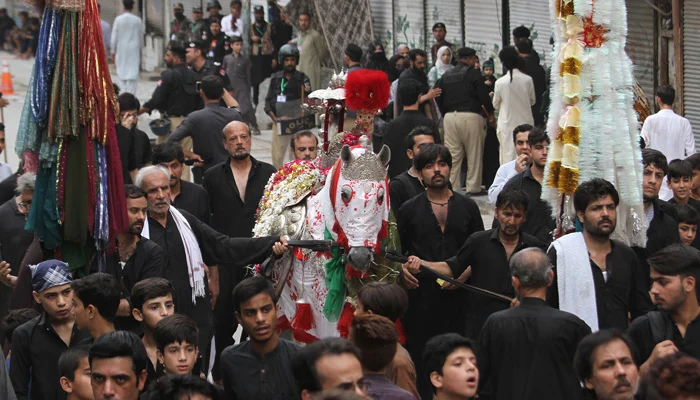
ISLAMABAD — Pakistan observed Youm-e-Ashura with deep reverence and solemnity on June 26. Citizens, religious leaders, and political figures paid tribute to the martyrs of Karbala through peaceful processions and gatherings across the country, highlighting the event’s spiritual devotion and historical significance. Significance of Youm-e-Ashura Youm-e-Ashura, the 10th day of Muharram, holds profound significance in the Islamic calendar. It commemorates the martyrdom of Imam Hussain, the grandson of Prophet Muhammad, and his companions at the Battle of Karbala. In Pakistan, the day was marked by processions, majalis (religious gatherings), and prayers as people united to honor the sacrifices for truth and justice. Major Cities Observance In major cities such as Karachi, Lahore, Islamabad, and Quetta, large processions took place under stringent security measures to ensure participants’ safety. Law enforcement agencies were present in significant numbers, with local volunteers assisting in maintaining order. The processions featured elegies and sermons emphasizing Imam Hussain’s teachings and legacy. Role of Leaders and Scholars Religious scholars delivered speeches on the values of sacrifice, resilience, and justice, central to Ashura’s observance. Political leaders participated, underscoring unity and solidarity among Pakistan’s diverse communities during this occasion. Historical Background Pakistan has a long history of Ashura observance, with a public holiday allowing citizens to engage in religious activities. The 680 AD Battle of Karbala symbolizes the struggle against tyranny and injustice. Imam Hussain’s refusal to pledge allegiance to the Umayyad caliphate symbolizes a stand for Islamic principles and justice. Traditions in Pakistan include reenacting the battle through processions and narrating Karbala’s events. These activities remind participants of Imam Hussain’s sacrifices and their relevance to contemporary justice and human rights issues. Importance of Peaceful Observance The peaceful observance of Ashura in Pakistan highlights the nation’s ability to manage large-scale religious events effectively, showcasing coordination between government authorities and community leaders. Such conduct is crucial in a country that has faced sectarian tensions, reflecting progress in fostering interfaith harmony. Economically, Ashura boosts local communities, benefiting small businesses and vendors who support the events. Socially, it reinforces unity and resilience as diverse groups come together to commemorate a shared history. Internationally, Pakistan’s peaceful Ashura is a model for other Muslim-majority countries, demonstrating religious freedom and the right to peaceful assembly, enhancing Pakistan’s image as a nation respecting its diverse heritage. Key Takeaways Pakistan observed Ashura with peaceful processions and gatherings nationwide. Security measures ensured participant safety in major cities. The event highlights the historical and spiritual importance of Imam Hussain’s sacrifice.

Business

Ashura Procession in Khanewal Conducted with Extensive Security Measures

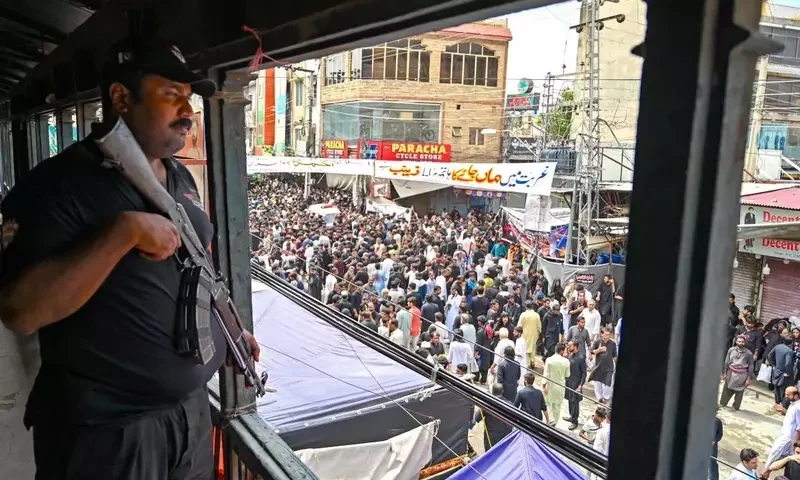
KHANEWAL — On Friday, June 26, the central 10th Muharram procession was conducted in Khanewal with stringent security and administrative arrangements. Deputy Commissioner Maliha Rashid oversaw the proceedings, ensuring all civic departments actively facilitated the mourners. Event Overview The Ashura procession marked the 10th day of Muharram, with a significant turnout of mourners commemorating Imam Hussain’s martyrdom. Participants engaged in traditional rituals and recitations, creating a solemn atmosphere. Deputy Commissioner Maliha Rashid led the local administration in implementing a comprehensive safety plan for attendees. Security Measures Security was a top priority. Law enforcement agencies, including police and volunteers, were deployed strategically along the route to maintain order and prevent incidents. The route was cordoned off, with monitored entry points to control participant flow and ensure safety. Public Amenities The local government provided public amenities to support participants. Sabeels, or refreshment stalls, offered cold drinks and refreshments. Medical teams were on standby to provide immediate assistance if needed. Civic departments coordinated seamlessly to address the procession participants’ needs. Historical Significance Muharram, the first month of the Islamic lunar calendar, is highly significant for Muslims, especially the Shia community. The 10th day, Ashura, commemorates Imam Hussain’s martyrdom at the Battle of Karbala in 680 AD. This event is pivotal in Islamic history, observed with deep reverence and mourning worldwide. In Pakistan, Ashura processions occur in various cities and towns, requiring extensive planning and coordination for safe and respectful execution. The historical context underscores Ashura’s enduring cultural and religious significance in the country. Significance of the Event The successful execution of the Khanewal Ashura procession highlights effective local authority and community collaboration. It emphasizes maintaining religious harmony and citizen safety during significant cultural and religious events. Security and administrative measures demonstrate the government’s commitment to upholding religious minorities’ rights and practices. Economically, these events positively impact local businesses, as increased activity benefits vendors and small businesses demanding food, beverages, and necessities. Law enforcement presence fosters community security and trust, crucial for social cohesion. Internationally, peaceful Ashura processions in Pakistan demonstrate the country’s capability to manage large-scale religious events, promoting religious tolerance and coexistence for social and political stability. Key Points The Ashura procession in Khanewal was conducted with strict security and administrative measures. Deputy Commissioner Maliha Rashid supervised the arrangements, ensuring participant safety and comfort. Public refreshment stalls and medical teams supported the procession. The event underscores Pakistan’s dedication to religious tolerance. Local businesses benefit from increased activity during such events.

Business

China’s Digital Trade Networks May Boost Pacific Firms’ Market Access

BEIJING — China’s digital supply chains could greatly enhance the market access of small businesses in Pacific island nations, according to Brett O’Riley, an adviser to the APEC Business Advisory Council (ABAC). O’Riley spoke at the APEC CEO China Forum in Beijing on June 25 about how digital networks could transform trade dynamics in the region. Trade Dynamics at the Forum During the APEC CEO China Forum, New Zealand’s ABAC representative, Brett O’Riley, highlighted China’s role in facilitating market access through digital trade networks for Pacific firms. He noted these networks could lower barriers for small and medium-sized enterprises (SMEs), aiding their participation in regional commerce. O’Riley pointed out that digitalizing supply chains offers a platform for businesses traditionally marginalized due to logistical challenges. “Digital trade networks can level the playing field for small businesses by reducing costs and improving efficiency,” he stated. The forum gathered business leaders and policymakers to discuss enhancing economic cooperation and integration in the Asia-Pacific region. Emphasis was placed on digital infrastructure’s importance in fostering economic growth and resilience, especially after COVID-19 disruptions. Strategic Importance of Digital Trade The APEC Business Advisory Council advises APEC leaders on business priorities and concerns, impacting trade and investment policies in the Asia-Pacific region. China’s expanding influence in digital trade is part of its broader strategy to strengthen economic ties with neighboring areas. Historically, Pacific island nations have struggled to access regional markets due to geographic isolation and limited infrastructure. These challenges worsened with the COVID-19 pandemic, which disrupted traditional supply chains and emphasized digital solutions’ necessity. China’s Belt and Road Initiative includes investments in digital infrastructure, aiming to create seamless trade routes and digital corridors. This initiative partners with Pacific island nations to enhance their digital capabilities, integrating them into regional trade networks. Economic and Social Implications Integrating Pacific island nations into China’s digital trade networks could have significant economic and social impacts. By reducing trade barriers, these networks can boost economic growth in countries reliant on industries like tourism and agriculture. For Pacific small businesses, digital trade networks offer a chance to diversify markets and improve competitiveness. This could lead to job creation, increased incomes, and better living standards. Additionally, regional trade participation enhances economic resilience and reduces dependence on traditional partners. On a global scale, expanding digital trade networks aligns with trends toward digitalization and e-commerce. As more entities move online, engaging in digital trade becomes vital for economic success. China’s efforts to improve Pacific region digital infrastructure could be a model for other nations aiming to boost their digital trade capabilities. Key Takeaways China’s digital trade networks could improve market access for Pacific island SMEs. Digital infrastructure is essential for economic resilience and growth. China’s Belt and Road Initiative includes significant investment in digital trade corridors. Digitalization offers marginalized firms a platform to engage in global commerce. Regional integration through digital trade boosts economic diversification and competitiveness.

Business

Mushaal Mullick Calls For Global Action On Human Rights In Kashmir

ISLAMABAD — Mushaal Hussein Mullick, wife of jailed Hurriyat leader Yasin Malik, has called for international action to protect human rights and establish peace in Indian Illegally Occupied Jammu and Kashmir (IIOJK). She cited the historical events of Karbala as a powerful symbol of resistance against oppression, aligning with the struggles of Kashmiris. Recent Developments On June 26, Mushaal Mullick addressed ongoing human rights issues in IIOJK, urging global intervention to ensure justice for the oppressed population. She emphasized the enduring relevance of the Karbala narrative, which inspires those fighting tyranny and injustice. Her husband, Yasin Malik, remains imprisoned amid ongoing tensions. Mullick stated, “The message of Karbala is timeless, inspiring oppressed people worldwide, including Kashmiris.” She urged the international community to take “meaningful and effective steps” to address human rights violations in the region. Reports highlight human rights abuses such as restrictions on freedom of expression, arbitrary detentions, and excessive force by security personnel. Mullick aims to galvanize international support to pressure India into action. Historical Context The Kashmir conflict began with the partition of British India in 1947, leading to the creation of India and Pakistan. Both nations claim the region but control only parts of it. The dispute has caused several wars and persistent skirmishes, with heightened military presence recently. In August 2019, India’s government abrogated Article 370, revoking Jammu and Kashmir’s special status. This fueled protests and drew condemnation from international human rights organizations. The region remains under increased restrictions and surveillance with ongoing rights violation reports. Significance of the Conflict The IIOJK situation has far-reaching implications for regional stability and international relations. The conflict could escalate into a broader military confrontation between nuclear-armed India and Pakistan. Such an escalation would impact not only South Asia but global peace and security. From a human rights viewpoint, the global response to Kashmir tests the commitment to fundamental freedoms and justice. Inaction could set a precedent for tolerating rights abuses in other conflict zones. Kashmir’s plight also highlights the broader issue of self-determination and the right to autonomy. Economic Impact Economic instability in Kashmir disrupts regional trade and development. The conflict deters investment, hindering potential growth and prosperity in the area. Addressing human rights issues could lead to economic recovery and improved living standards for Kashmir’s residents. Key Takeaways Mushaal Mullick urges international action on Kashmir human rights issues. Her appeal aligns with historical narratives of resistance against oppression. The conflict has significant implications for regional stability and global peace. Economic disruptions affect growth and investment in the region. Addressing rights violations could pave the way for recovery and autonomy.

Pakistan

Mourners Observe Zuhr Prayers During 9th Muharram Procession in Karachi

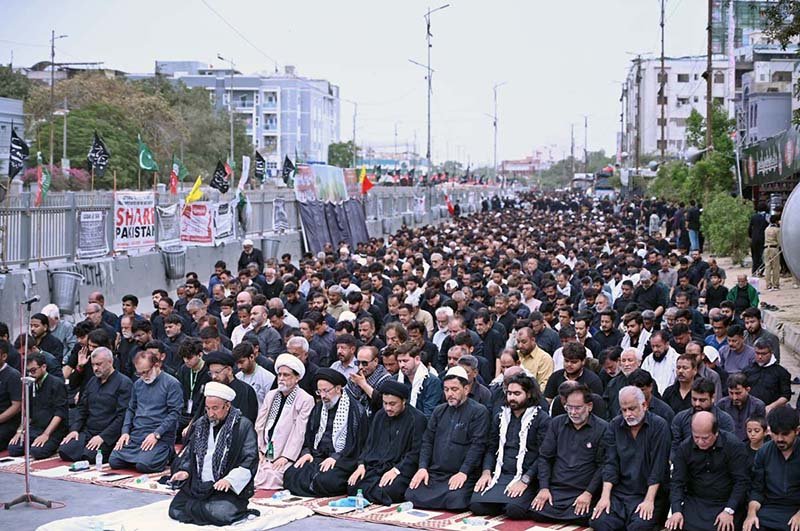
KARACHI — Thousands of mourners gathered on M.A. Jinnah Road in Karachi to offer Zuhr prayers during the 9th Muharram-ul-Haram procession on Thursday. This event is a significant part of the Islamic calendar, marking the martyrdom of Hazrat Imam Hussain (RA), the grandson of the Holy Prophet Mohammad (PBUH). The Procession The 9th of Muharram holds profound religious significance for Muslims, especially the Shia community, who observe it with processions and prayers. In Karachi, participants assembled on M.A. Jinnah Road to join the traditional procession. The observance of Zuhr prayers was a critical part of the day’s rituals. Clad in black attire symbolizing mourning, mourners engaged in acts of remembrance. These included reciting elegies and retelling the events leading to Imam Hussain’s martyrdom at the Battle of Karbala. The procession included mourners expressing grief through ‘matam,’ or self-flagellation with knives and chains, along the designated route. Security Measures Security was heightened across Karachi to ensure participant safety. Law enforcement, including police and Rangers, were deployed extensively to manage crowds and maintain order. Roads leading to the procession route were barricaded, and traffic was redirected to facilitate the event smoothly. Muharram’s Importance Muharram is the first month of the Islamic lunar calendar, significant for Muslims worldwide. The 9th and 10th days, known as Ashura, are deeply revered, especially by Shia Muslims, as they commemorate Imam Hussain’s martyrdom in the Battle of Karbala in 680 AD. The events of Karbala inspire Muslims, symbolizing the fight against tyranny and injustice. The Muharram processions and rituals allow the community to express solidarity and commit to these enduring values. Socio-Cultural and Political Impact The observance of Muharram, especially processions on the 9th and 10th, has significant socio-cultural and religious importance in Pakistan. It allows the Shia community to reflect on the sacrifices made by Imam Hussain (RA) and his followers, fostering spirituality and community bonding. Economically, the processions affect local businesses, as sections of major cities like Karachi are cordoned off, impacting commerce. However, these events also unite diverse groups and foster a shared purpose. Politically, the peaceful conduct of Muharram processions tests the government’s ability to maintain law and order. National and international observers closely monitor security arrangements and the state’s response to potential threats. Key Takeaways Thousands participated in the 9th Muharram procession in Karachi, offering Zuhr prayers on M.A. Jinnah Road. The event commemorates Hazrat Imam Hussain’s (RA) martyrdom through traditional rituals and ‘matam.’ Security was tightened across the city, with a significant deployment of police and Rangers ensuring safety. Muharram processions have deep religious, cultural, and political significance in Pakistan. The peaceful conduct of these events is crucial for demonstrating the government’s ability to maintain order. Source Attribution The information for this article was sourced from the Associated Press of Pakistan (APP).

Pakistan

Pakistan and Türkiye Discuss Energy Cooperation in High-Level Meeting

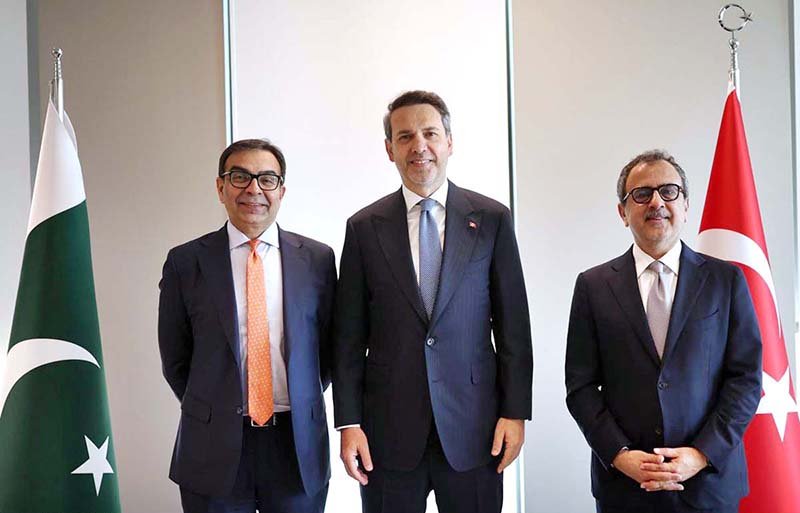
ISTANBUL — On Monday, Muhammad Ali, Adviser to the Prime Minister on Privatisation, and Sardar Awais Ahmad Khan Leghari, Federal Minister for Power, participated in a high-level meeting with Alparslan Bayraktar, Türkiye’s Minister of Energy and Natural Resources. The discussions aimed to boost bilateral cooperation in the vital energy sector. Meeting Details The Pakistani delegation, led by Muhammad Ali and Sardar Awais Ahmad Khan Leghari, met with Türkiye’s Energy Minister Alparslan Bayraktar in Istanbul. Their primary aim was to explore opportunities for collaboration in energy production, distribution, and technology exchange. Both parties committed to enhancing ties and sharing expertise in the energy sector. During the discussions, Minister Leghari emphasized Pakistan’s ongoing efforts to diversify its energy mix and reduce reliance on imported fuels. He stressed the potential in renewable energy projects, particularly in solar and wind, which could benefit from Türkiye’s technological prowess and investment capacity. Leghari stated, “Pakistan is keen to partner with Türkiye in developing sustainable energy solutions to address our growing needs.” Türkiye’s Perspective Minister Bayraktar expressed interest in collaboration, highlighting Türkiye’s achievements in renewable energy. “Türkiye has made significant strides in energy efficiency and renewable energy, and we are eager to collaborate with Pakistan to support its energy transition,” he noted. The meeting concluded with an agreement to establish a joint working group to identify specific projects and initiatives for collaboration. The focus will be on technology transfer, investment opportunities, and policy alignment. Background of Relations Pakistan and Türkiye share a history of diplomatic and economic relations, with energy cooperation as a central focus recently. Pakistan’s energy sector faces a growing demand-supply gap and heavy reliance on fossil fuels. The government seeks international partnerships to enhance infrastructure and adopt renewable energy. Conversely, Türkiye has expanded its renewable energy capacity in wind and solar power, also modernizing its energy grid. This makes Türkiye a valuable partner for Pakistan in achieving energy security. Significance of the Collaboration The meeting’s significance lies in its emphasis on international collaboration to address energy challenges. For Pakistan, cooperation with Türkiye could advance renewable energy projects, reduce the carbon footprint, and boost energy security. Economically, such collaboration could attract foreign investment, creating jobs and economic growth. Technology and expertise sharing can help modernize Pakistan’s energy infrastructure, making it more resilient and sustainable. Politically, strengthening ties with Türkiye aligns with Pakistan’s strategy to diversify international partnerships. This relationship can model other regional collaborations, promoting stability and cooperation. Key Takeaways Pakistan and Türkiye held a high-level meeting to discuss energy cooperation. The discussions focused on renewable energy projects and technology exchange. A joint working group will be established to identify specific initiatives. Energy cooperation could boost Pakistan’s energy security and economic growth.

Pakistan

President Zardari Emphasizes Pakistan’s Commitment to Combat Drug Abuse

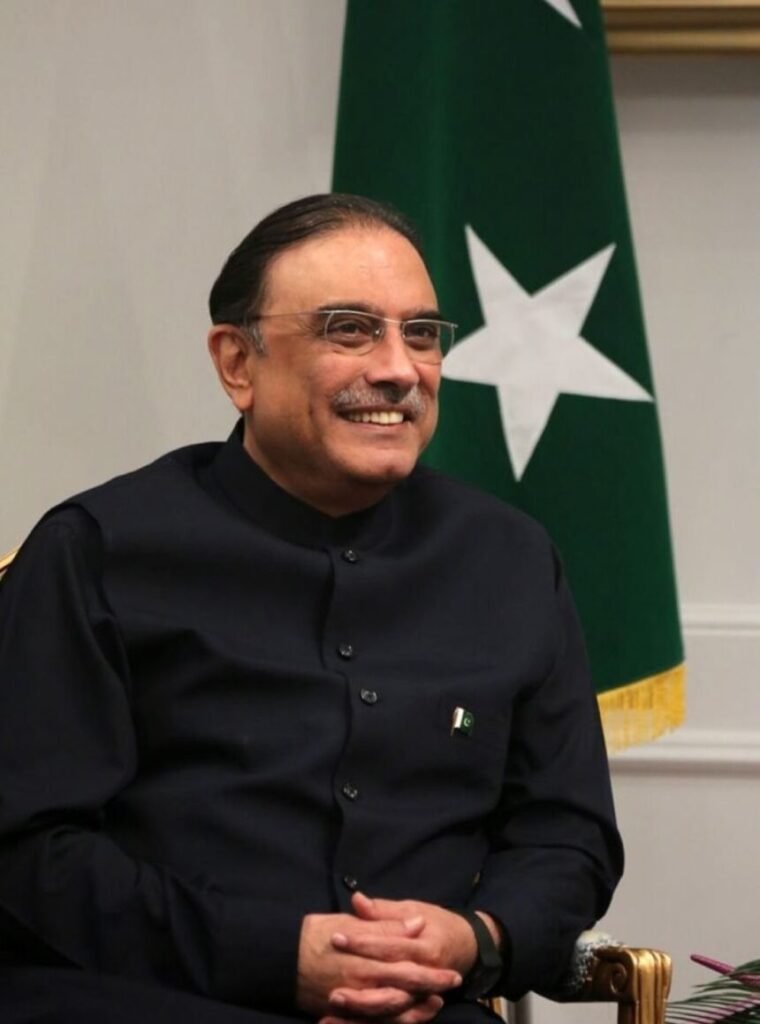
ISLAMABAD — President Asif Ali Zardari has reiterated Pakistan’s strong commitment to combating drug abuse and illicit trafficking. Protecting the nation’s youth from narcotics remains a critical national priority. His remarks were made ahead of the International Day against Drug Abuse and Illicit Trafficking, observed globally on June 26. Government’s Dedication President Zardari, in a statement on the eve of the International Day against Drug Abuse, emphasized the government’s commitment to eradicating drug scourges from society. He honored the martyrs of the Anti-Narcotics Force (ANF) who sacrificed their lives in duty. “Our resolve to combat drug abuse is unwavering,” stated President Zardari, “and we honor the sacrifices of those who have laid down their lives for this cause.” Global and National Efforts The President’s message aligns with international efforts to heighten awareness about drug abuse dangers and promote a drug-free society. He stressed the importance of collaboration at both national and international levels to tackle drug trafficking and abuse challenges effectively. President Zardari also called for enhanced backing for the ANF, the main agency enforcing anti-drug laws in Pakistan. He recognized the ANF’s critical role in intercepting drug trafficking operations and reducing narcotic availability in the country. Challenges and Solutions The International Day against Drug Abuse and Illicit Trafficking was established by the United Nations General Assembly in 1987 to boost global cooperation against drug abuse. Pakistan has actively participated in these efforts, considering its location on drug trafficking routes from Afghanistan, one of the largest opium producers. The Anti-Narcotics Force, created in 1995, operates under the Ministry of Narcotics Control. Its tasks include combating drug smuggling and abuse through law enforcement, public awareness, and international cooperation. Over the years, the ANF has successfully conducted numerous operations, seizing considerable narcotic quantities and arresting traffickers. Social and Economic Impact Drug abuse is a significant threat to Pakistan’s social fabric, especially affecting vulnerable youth. The economic impact is substantial, with drug-related crime and healthcare costs burdening national resources. By reaffirming its commitment, Pakistan aims to protect its future generations and ensure a healthier society. Internationally, Pakistan’s efforts help in global security and stability. The country’s strategic position makes it a crucial player in the fight against narcotics. Strengthening anti-drug measures aids domestic safety and supports international partners in reducing the global supply of illicit drugs. President Zardari’s tribute to ANF martyrs highlights the human cost in the war on drugs. Recognizing these sacrifices can foster greater public support and cooperation in anti-drug initiatives. Key Takeaways President Zardari reaffirms Pakistan’s commitment to fighting drug abuse and trafficking. The International Day against Drug Abuse and Illicit Trafficking occurs on June 26. The Anti-Narcotics Force is crucial in enforcing Pakistan’s anti-drug laws. Drug abuse poses significant social and economic challenges to Pakistan. International cooperation is essential in the global fight against narcotics.

Scroll to Top