
2026

Pakistan

Govt College Asghar Mall Launches AI Initiatives to Boost Digital Education

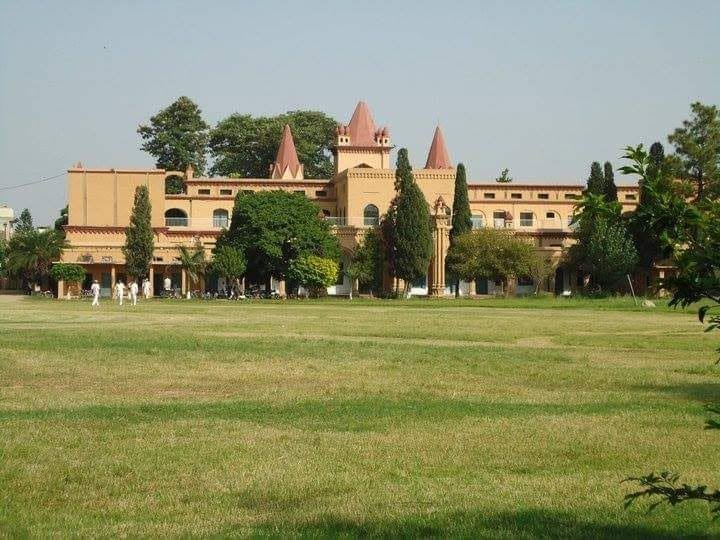
RAWALPINDI — The Government Graduate College Asghar Mall has unveiled a series of initiatives aimed at integrating artificial intelligence (AI) into its educational framework. This move aligns with the Punjab government’s educational reform program, “Parho Punjab, Barho Punjab,” spearheaded by Punjab Chief Minister Maryam Nawaz Sharif. The initiatives are designed to enhance digital education, improve educational standards, and equip students with modern technological skills to boost their employment prospects. What Happened The Department of Geography at Government Graduate College Asghar Mall has taken a significant step towards digital transformation by launching AI-driven educational initiatives. These initiatives are part of a broader strategy under the “Parho Punjab, Barho Punjab” program, which aims to modernize education across the province. The college’s efforts include the introduction of AI tools in the curriculum, the establishment of digital labs, and the provision of training sessions for both students and faculty members. According to college officials, the integration of AI into the educational process will not only enhance learning experiences but also prepare students for the demands of the modern workforce. “Our goal is to provide students with the skills necessary to thrive in a technology-driven world,” said a spokesperson for the college. The initiatives also include workshops and seminars focused on AI applications, data analysis, and digital literacy, ensuring that students are well-versed in the latest technological advancements. The college has also partnered with tech companies to facilitate the implementation of these initiatives. These partnerships are expected to provide students with access to cutting-edge technology and real-world applications of AI, further bridging the gap between academia and industry. Background The “Parho Punjab, Barho Punjab” initiative was launched as a flagship program by the Punjab government to reform the educational landscape of the province. The program emphasizes the use of technology in education, aiming to improve literacy rates and educational outcomes. The initiative has been instrumental in promoting digital literacy and integrating modern teaching methodologies in schools and colleges across Punjab. Government Graduate College Asghar Mall, established in Rawalpindi, has been a prominent institution in the region, known for its commitment to academic excellence and innovation. The college’s recent focus on AI and digital education reflects a broader trend in Pakistan’s educational sector towards embracing technology to enhance learning and teaching processes. Why It Matters The integration of AI and digital education at Government Graduate College Asghar Mall is a significant development in the context of Pakistan’s educational reform efforts. As the country seeks to position itself as a competitive player in the global economy, equipping students with technological skills is crucial. The move is expected to have far-reaching implications for students, educators, and the broader educational ecosystem in Punjab. By adopting AI technologies, the college aims to produce graduates who are not only academically proficient but also equipped with the skills required by modern industries. This alignment with industry needs is expected to improve employability rates among graduates, contributing to economic growth and development in the region. Furthermore, the initiative underscores the importance of public-private partnerships in advancing educational goals. By collaborating with tech companies, the college is ensuring that students have access to the latest technological advancements, thereby enhancing their learning experiences and preparing them for future challenges. Key Takeaways Govt Graduate College Asghar Mall has launched AI-driven educational initiatives under the “Parho Punjab, Barho Punjab” program. The initiatives aim to enhance digital education and equip students with modern technological skills. Partnerships with tech companies are facilitating the implementation of AI tools and technologies. The move is expected to improve employability rates and contribute to economic growth in the region. The initiative reflects a broader trend towards technology integration in Pakistan’s educational sector. Source Attribution This article is based on official government statements, press releases, and public communications from relevant authorities. Author: NEN Editorial Desk | Editor: NEN Newsroom | Fact Checked By: NEN Editorial Team Author: NEN Editorial Desk  |  Editor: NEN Newsroom  |  Last Updated: July 19, 2026  |  Source: NEN Reporter This article was produced by the NEN Editorial Desk in accordance with NEN Agency’s Editorial Policy and Fact-Checking Policy.
Pakistan

DG BISP Punjab Evaluates Digital Wallet and SIM Distribution in South Punjab

RAHIM YAR KHAN — Director General of the Benazir Income Support Programme (BISP) Punjab, Haider Murtaza, conducted a comprehensive review of the distribution of free Benazir SIMs and the implementation of digital wallet accounts across several districts in South Punjab, including Rahim Yar Khan, Dera Ghazi Khan, Rajanpur, and Jhang. This initiative is part of the broader Benazir Social Protection Wallet programme aimed at enhancing financial inclusion for the region’s underprivileged communities. What Happened During his visit, Haider Murtaza assessed the progress of the ongoing distribution of free SIM cards and the establishment of digital wallet accounts. The initiative is designed to empower beneficiaries by providing them with the tools necessary to access financial services digitally. The distribution process is being carried out in collaboration with local authorities to ensure that the SIM cards and digital wallets reach the intended recipients efficiently. Murtaza emphasized the importance of these technological tools in improving the economic conditions of the beneficiaries. “The digital wallet initiative is a crucial step towards financial inclusion, allowing beneficiaries to manage their financial transactions more effectively,” he stated. The DG also met with local officials and beneficiaries to gather feedback and address any challenges faced during the implementation process. The initiative aims to distribute SIM cards to eligible individuals, enabling them to access the BISP’s financial services directly through their mobile phones. This is expected to reduce the dependency on traditional banking methods and facilitate easier access to funds, especially for women and other marginalized groups who may face barriers in accessing financial institutions. Background The Benazir Income Support Programme, launched in 2008, is Pakistan’s largest social safety net initiative, targeting low-income families to provide financial assistance. The programme has evolved over the years to incorporate technological advancements, such as the introduction of digital wallets and SIM cards, to streamline the distribution of funds and improve transparency. Previously, beneficiaries received their payments through postal money orders or bank accounts, which often posed challenges due to logistical issues and limited access to banking facilities in rural areas. The introduction of digital wallets and SIM cards is part of the government’s strategy to modernize the programme and enhance its efficiency. Why It Matters The implementation of digital wallets and free SIM distribution is a significant step towards digital financial inclusion in Pakistan, particularly in underdeveloped regions like South Punjab. By providing beneficiaries with digital tools, the programme aims to empower individuals, especially women, by giving them direct control over their financial resources. The initiative also aligns with the government’s broader digital transformation agenda, which seeks to leverage technology to improve governance and service delivery. By reducing reliance on physical cash and traditional banking, the programme can potentially reduce fraud and corruption, ensuring that aid reaches those who need it most. Moreover, the initiative could have a positive ripple effect on the local economy by increasing digital literacy and encouraging the adoption of mobile banking services. This can lead to greater economic participation and potentially stimulate local businesses as more individuals gain access to digital financial services. Key Takeaways The DG BISP Punjab reviewed the distribution of free SIMs and digital wallets in South Punjab. The initiative is part of the Benazir Social Protection Wallet programme aimed at financial inclusion. Digital wallets and SIMs enable beneficiaries to access financial services directly via mobile phones. The programme supports the government’s digital transformation and aims to reduce fraud. Empowering women and marginalized groups is a key focus of the initiative. Source Attribution This article is based on official government statements, press releases, and public communications from relevant authorities. Author: NEN Editorial Desk | Editor: NEN Newsroom | Fact Checked By: NEN Editorial Team Author: NEN Editorial Desk  |  Editor: NEN Newsroom  |  Last Updated: July 19, 2026  |  Source: NEN Reporter This article was produced by the NEN Editorial Desk in accordance with NEN Agency’s Editorial Policy and Fact-Checking Policy.
Pakistan

Pakistan Observes 78th Kashmir Accession Day, Commemorating 1947 Resolution

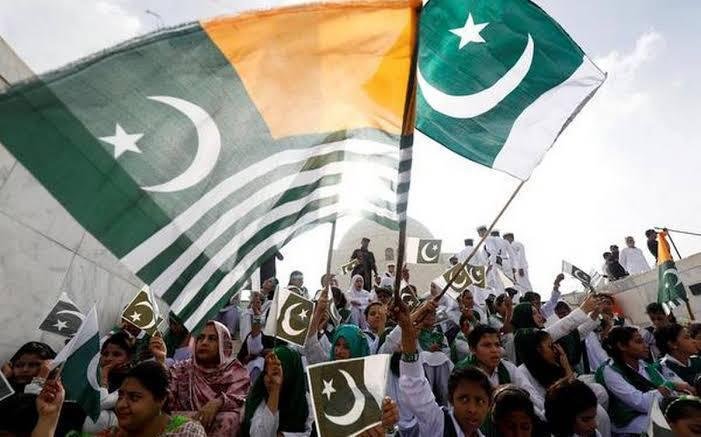
ISLAMABAD — The 78th Kashmir Accession Day was observed across Pakistan on Sunday, marking the adoption of a historic resolution by the All Jammu and Kashmir Muslim Conference on July 19, 1947. This resolution called for the accession of the princely state of Jammu and Kashmir to Pakistan, a decision that continues to hold significant political and historical importance for the region. What Happened Across Pakistan, various events were organized to commemorate Kashmir Accession Day, reflecting on the resolution passed by the All Jammu and Kashmir Muslim Conference in 1947. This resolution was a pivotal moment in the history of the region, as it laid the groundwork for the political aspirations of the people of Jammu and Kashmir to join Pakistan. The day was marked by seminars, rallies, and discussions highlighting the ongoing struggle and aspirations of the Kashmiri people. In Islamabad, government officials and civil society members gathered to express solidarity with the people of Jammu and Kashmir. Participants reiterated their support for the Kashmiri cause and emphasized the need for a peaceful resolution to the longstanding conflict. “The people of Pakistan stand with their Kashmiri brethren in their struggle for self-determination,” stated a government spokesperson during a seminar held in the capital. Similar events were held in major cities across the country, including Lahore, Karachi, and Peshawar. In these gatherings, speakers emphasized the historical significance of the 1947 resolution and its relevance to current geopolitical dynamics. They also called upon the international community to take notice of the situation in Kashmir and support efforts for a peaceful resolution. Background The Kashmir Accession Day commemorates the resolution passed by the All Jammu and Kashmir Muslim Conference on July 19, 1947, which advocated for the accession of Jammu and Kashmir to Pakistan. This resolution came at a time when the Indian subcontinent was on the brink of partition, and princely states were given the option to join either India or Pakistan. The decision was influenced by the demographic composition of the region, which had a Muslim majority, and the political aspirations of its leaders. However, the accession of Jammu and Kashmir has remained a contentious issue, leading to several conflicts between India and Pakistan, including wars in 1947, 1965, and 1999. Why It Matters The observance of Kashmir Accession Day underscores the enduring significance of the 1947 resolution in Pakistan’s national narrative and its foreign policy concerning Kashmir. The issue remains a central point of contention between India and Pakistan, impacting bilateral relations and regional stability. For Pakistan, the day serves as a reminder of its commitment to the Kashmiri cause and its support for the right to self-determination for the people of Jammu and Kashmir. The observance also aims to keep the international community engaged with the Kashmir issue, which Pakistan views as a matter of human rights and international law. Economically, the Kashmir conflict has implications for regional trade and development. The ongoing tensions have hindered economic cooperation between South Asian nations, affecting trade routes and investment opportunities. A resolution to the conflict could potentially unlock significant economic benefits for the region. Socially, the observance of Kashmir Accession Day fosters a sense of unity and solidarity among Pakistanis, reinforcing national identity and collective memory. It also serves as a platform for advocacy and awareness-raising about the challenges faced by the people of Jammu and Kashmir. Key Takeaways The 78th Kashmir Accession Day was observed across Pakistan, commemorating the 1947 resolution for Jammu and Kashmir’s accession to Pakistan. Events were held nationwide, emphasizing solidarity with the Kashmiri people and calling for a peaceful resolution to the conflict. The day highlights the historical and ongoing significance of the Kashmir issue in Pakistan’s national narrative and foreign policy. The conflict has economic implications for regional trade and development, with potential benefits from a peaceful resolution. Socially, the observance fosters unity and raises awareness about the challenges faced by the people of Jammu and Kashmir. Source Attribution This article is based on official government statements, press releases, and public communications from relevant authorities. Author: NEN Editorial Desk | Editor: NEN Newsroom | Fact Checked By: NEN Editorial Team Author: NEN Editorial Desk  |  Editor: NEN Newsroom  |  Last Updated: July 19, 2026  |  Source: NEN Reporter This article was produced by the NEN Editorial Desk in accordance with NEN Agency’s Editorial Policy and Fact-Checking Policy.
Pakistan

Climate Change Impacts South Punjab’s Traditional Craftsmanship

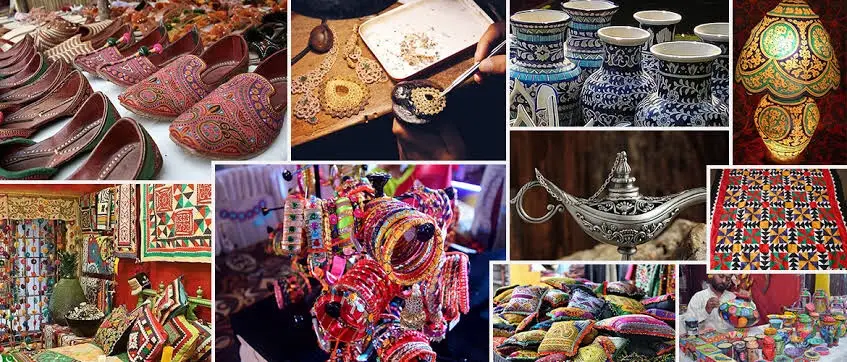
ISLAMABAD — Climate change is posing a significant threat to the traditional craftsmanship of South Punjab, a region renowned for its centuries-old craft traditions. The effects of climate change, while often discussed in terms of agriculture and natural disasters, are now extending to the cultural heritage sector, affecting the livelihoods of artisans and the preservation of cultural practices. What Happened In South Punjab, the intricate and vibrant craft traditions that have been passed down through generations are facing unprecedented challenges due to climate change. Artisans in this region, known for their skills in pottery, weaving, and embroidery, are experiencing disruptions in their craft production processes. Rising temperatures, altered rainfall patterns, and increased frequency of extreme weather events are impacting the availability of raw materials essential for these crafts. For instance, the clay used in pottery is becoming harder to source as soil conditions change. Similarly, the natural dyes used in traditional weaving and embroidery are affected by the changing climate, leading to a scarcity of materials and an increase in production costs. Artisans are finding it increasingly difficult to maintain the quality and authenticity of their products, which are integral to their cultural identity and economic survival. According to local craftsmen, the unpredictability of weather patterns has also disrupted traditional methods of production. “We used to rely on specific seasons for harvesting raw materials, but now everything is uncertain,” said a local artisan. “The quality of our crafts is suffering, and so is our income.” Background South Punjab has a rich history of craftsmanship, with its artisans known for producing unique and culturally significant items. These crafts not only serve as a source of income for many families but also play a crucial role in preserving the cultural heritage of the region. Historically, the region’s crafts have been supported by a stable climate that allowed for the consistent availability of natural resources. In recent years, however, climate change has emerged as a formidable challenge. The region has experienced a rise in temperature and a shift in rainfall patterns, which have had a direct impact on agriculture and, by extension, the availability of raw materials for crafts. This situation is exacerbated by a lack of awareness and resources to adapt to these changes. Why It Matters The impact of climate change on South Punjab’s crafts is significant not only for the artisans but also for the cultural and economic fabric of the region. Crafts are a vital part of Pakistan’s cultural identity and contribute to the country’s economy through tourism and exports. The decline in traditional crafts could lead to a loss of cultural heritage and economic opportunities. Moreover, the challenges faced by artisans highlight the broader issue of climate change’s impact on cultural heritage globally. As climate change continues to alter environments, traditional practices that rely on natural resources are increasingly at risk. This situation calls for urgent measures to support artisans in adapting to these changes, such as providing access to alternative materials and promoting sustainable practices. For Pakistan, addressing the impact of climate change on crafts is crucial for preserving its cultural heritage and supporting the livelihoods of those who depend on these traditions. It also underscores the need for comprehensive climate adaptation strategies that include cultural preservation as a key component. Key Takeaways Climate change is threatening South Punjab’s traditional crafts by disrupting the availability of raw materials. Artisans are facing increased production costs and challenges in maintaining the quality of their crafts. The decline in traditional crafts could lead to a loss of cultural heritage and economic opportunities in Pakistan. There is a need for urgent measures to help artisans adapt to climate change, including sustainable practices and alternative materials. This issue highlights the broader impact of climate change on cultural heritage globally. Source Attribution This article is based on official government statements, press releases, and public communications from relevant authorities. Author: NEN Editorial Desk | Editor: NEN Newsroom | Fact Checked By: NEN Editorial Team Author: NEN Editorial Desk  |  Editor: NEN Newsroom  |  Last Updated: July 19, 2026  |  Source: NEN Reporter This article was produced by the NEN Editorial Desk in accordance with NEN Agency’s Editorial Policy and Fact-Checking Policy.
World

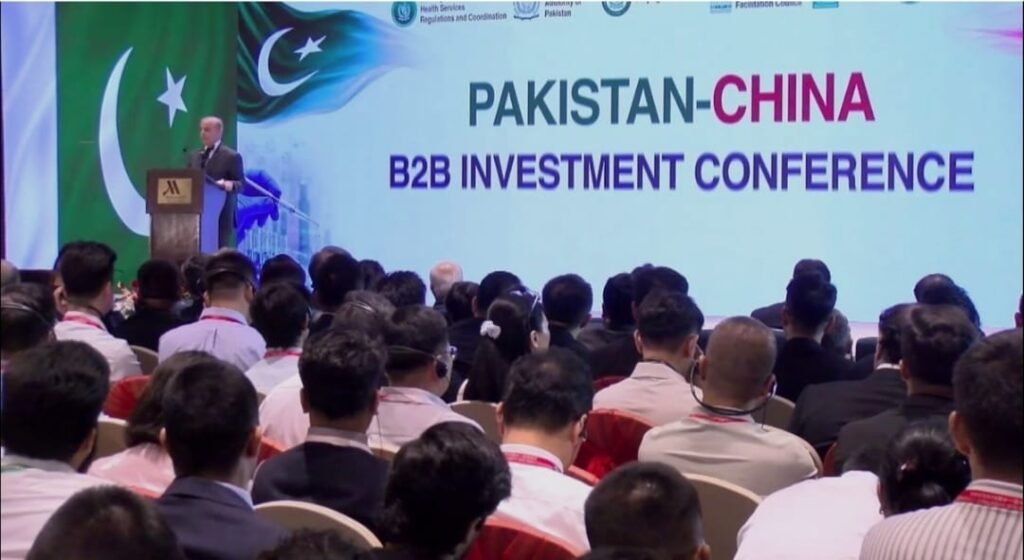
Pakistan-China Conference Yields $1.4 Billion in Investment Agreements

ISLAMABAD — Pakistan and China have solidified their economic ties with the signing of investment and business agreements valued at approximately $1.4 billion. These agreements were finalized at the conclusion of the two-day Pakistan-China Business Conference held in Islamabad, aimed at enhancing bilateral economic and industrial cooperation. What Happened The Pakistan-China Business Conference, which took place over two days in Islamabad, concluded with the signing of investment agreements totaling $1.4 billion. This event was a significant gathering of business leaders and government officials from both nations, focused on exploring and expanding economic opportunities. The agreements span various sectors, including energy, infrastructure, and technology, reflecting the diverse interests and collaborative potential between the two countries. During the conference, representatives from both countries engaged in discussions to identify areas of mutual interest and potential investment. The agreements signed are expected to bolster Pakistan’s economic landscape by introducing new projects and enhancing existing ones. A Pakistani official stated, “This conference has been a pivotal platform for fostering deeper economic ties with China, and the agreements signed today are a testament to our shared vision for economic growth.” Chinese delegates emphasized the importance of these agreements in strengthening the China-Pakistan Economic Corridor (CPEC), a flagship project under China’s Belt and Road Initiative. They highlighted the strategic importance of Pakistan in regional connectivity and economic development. A Chinese official remarked, “Our partnership with Pakistan is crucial for the success of CPEC, and these agreements will further enhance our collaborative efforts.” Background The Pakistan-China Business Conference is part of ongoing efforts to deepen economic relations between the two countries. Historically, China has been one of Pakistan’s largest trading partners and a significant source of foreign investment. The China-Pakistan Economic Corridor, launched in 2013, has been a cornerstone of this relationship, involving multi-billion dollar investments in infrastructure, energy, and industrial projects across Pakistan. Previous conferences have resulted in numerous agreements that have facilitated infrastructure development and energy projects, contributing to Pakistan’s economic growth. The current conference builds on this foundation, aiming to expand the scope of cooperation to include emerging sectors such as technology and renewable energy. Why It Matters The $1.4 billion in agreements signed at the conference is a substantial boost to Pakistan’s economy, which has been seeking foreign investment to spur growth and development. These investments are expected to create jobs, enhance infrastructure, and improve energy availability, directly impacting the lives of Pakistani citizens. Economically, the agreements align with Pakistan’s strategic goals of improving industrial output and increasing exports. By attracting Chinese investment, Pakistan can leverage technology transfer and expertise, which are crucial for modernizing its industrial base. Additionally, these investments are likely to strengthen Pakistan’s position within the Belt and Road Initiative, enhancing its role as a regional hub for trade and connectivity. Politically, the strengthened economic ties with China may provide Pakistan with greater leverage in regional and international forums. The successful conclusion of the conference demonstrates Pakistan’s commitment to fostering a stable and conducive environment for foreign investment, which is essential for long-term economic stability. Key Takeaways Pakistan and China signed $1.4 billion in investment agreements at a business conference in Islamabad. The agreements cover sectors such as energy, infrastructure, and technology. The conference is part of ongoing efforts to strengthen the China-Pakistan Economic Corridor. These investments are expected to create jobs and enhance Pakistan’s economic growth. The agreements bolster Pakistan’s role in the Belt and Road Initiative. Source Attribution This article is based on official government statements, press releases, and public communications from relevant authorities. Author: NEN Editorial Desk | Editor: NEN Newsroom | Fact Checked By: NEN Editorial Team Author: NEN Editorial Desk  |  Editor: NEN Newsroom  |  Last Updated: July 19, 2026  |  Source: NEN Reporter This article was produced by the NEN Editorial Desk in accordance with NEN Agency’s Editorial Policy and Fact-Checking Policy.

World

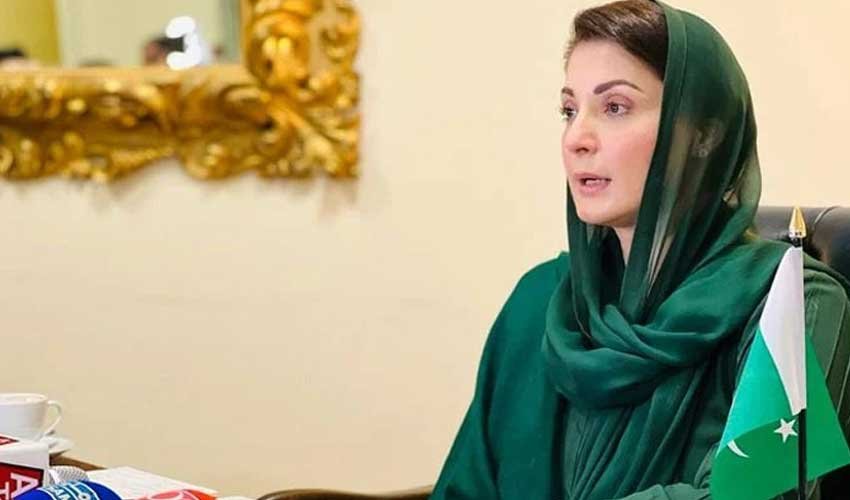
Punjab CM Advocates UN-Led Resolution for Kashmir Peace

LAHORE — Punjab Chief Minister Maryam Nawaz Sharif emphasized the critical need for a peaceful resolution to the Kashmir dispute under United Nations resolutions, asserting that such a resolution is vital for regional stability. Her comments came on Sunday as she reiterated Pakistan’s unwavering diplomatic, political, and moral support for the people of Indian Illegally Occupied Jammu and Kashmir (IIOJK). What Happened During a statement issued on Sunday, Chief Minister Maryam Nawaz Sharif reaffirmed Pakistan’s commitment to advocating for the rights of the Kashmiri people. She highlighted the importance of resolving the Kashmir issue in line with United Nations Security Council (UNSC) resolutions, which call for a plebiscite to allow the Kashmiri people to determine their own future. “The peaceful resolution of the Kashmir dispute is not only crucial for the Kashmiri people but also essential for lasting peace and stability in the region,” stated the Chief Minister. Her remarks underscore Pakistan’s long-standing position on the Kashmir issue, which has been a central point of contention between Pakistan and India since 1947. Maryam Nawaz Sharif’s statement comes amid ongoing tensions in the region, with frequent skirmishes reported along the Line of Control (LoC) and continued reports of human rights violations in IIOJK. The Chief Minister’s call for a peaceful resolution aligns with Pakistan’s broader diplomatic efforts to bring international attention to the plight of the Kashmiri people. Background The Kashmir conflict dates back to the partition of British India in 1947, which led to the creation of the independent states of India and Pakistan. Both countries claim the region in full but control only parts of it. The conflict has resulted in several wars and continuous military skirmishes, making it one of the most protracted and volatile disputes in the world. The United Nations has been involved in the Kashmir issue since its inception, with the UNSC passing resolutions that call for a plebiscite to determine the region’s future. However, these resolutions have yet to be implemented, and the situation remains tense, with both India and Pakistan maintaining significant military presences in the region. In recent years, the situation in IIOJK has drawn international concern due to reports of human rights abuses, including restrictions on freedom of movement, communication blackouts, and arbitrary detentions. The region has been under a heightened security lockdown since August 2019, when India revoked its special autonomous status. Why It Matters The Kashmir dispute is a significant geopolitical issue with implications for regional and international peace. The unresolved conflict has the potential to escalate into a larger military confrontation between two nuclear-armed states, posing a threat to global security. For Pakistan, the Kashmir issue is not just a territorial dispute but a matter of principle and humanitarian concern. The government’s stance is rooted in the belief that the Kashmiri people should have the right to self-determination, as promised by international law and UNSC resolutions. Economically, the ongoing conflict diverts resources that could be used for development and improving the lives of citizens in both countries. Socially, it affects the lives of millions of Kashmiris who live under constant uncertainty and fear. Politically, it remains a core issue in Pakistan-India relations, affecting bilateral ties and regional cooperation. Internationally, the Kashmir issue tests the effectiveness of global governance institutions like the United Nations in resolving long-standing conflicts and upholding human rights. The international community’s response to the situation in Kashmir could set precedents for handling similar disputes worldwide. Key Takeaways Punjab Chief Minister Maryam Nawaz Sharif calls for a peaceful resolution of the Kashmir dispute under UN resolutions. The Kashmir conflict remains a central issue between Pakistan and India, with significant regional and international implications. UNSC resolutions have called for a plebiscite in Kashmir, but these have yet to be implemented. The situation in IIOJK has drawn international concern due to reports of human rights violations. The resolution of the Kashmir issue is crucial for regional peace and stability. Source Attribution This article is based on official government statements and public communications from relevant authorities. Author: NEN Editorial Desk | Editor: NEN Newsroom | Fact Checked By: NEN Editorial Team Author: NEN Editorial Desk  |  Editor: NEN Newsroom  |  Last Updated: July 19, 2026  |  Source: NEN Reporter This article was produced by the NEN Editorial Desk in accordance with NEN Agency’s Editorial Policy and Fact-Checking Policy.
Pakistan

Hyderabad Police Hosts AI Training Session with Urdu AI Collaboration

HYDERABAD — The Hyderabad Police, in collaboration with Urdu AI, conducted an awareness and practical training session on Artificial Intelligence (AI) at the Police Headquarters in Hyderabad. The initiative, directed by Senior Superintendent of Police (SSP) Hyderabad Shahzeb Chachar, aims to equip the police force with modern technological skills and promote the responsible use of AI in law enforcement. What Happened The training session, held at the Police Headquarters, brought together members of the Hyderabad Police and experts from Urdu AI to explore the applications of Artificial Intelligence in policing. The session focused on enhancing the participants’ understanding of AI technologies and their potential to improve law enforcement operations. The event featured a series of lectures, demonstrations, and interactive sessions designed to provide practical insights into AI tools and techniques. According to SSP Shahzeb Chachar, the training is part of a broader effort to modernize the police force and align it with current technological advancements. “Our goal is to ensure that our officers are well-versed in the latest technologies, which can significantly enhance our operational capabilities,” he stated. The session emphasized the importance of AI in predictive policing, data analysis, and crime prevention strategies. Experts from Urdu AI provided detailed presentations on various AI applications, including facial recognition, data analytics, and automated reporting systems. Participants were encouraged to engage with the technology through hands-on activities, fostering a deeper understanding of AI’s role in modern policing. Background Artificial Intelligence has increasingly become a focal point in law enforcement agencies worldwide, offering tools that can streamline operations and improve public safety. In Pakistan, the integration of AI in policing is still in its nascent stages, with initiatives like this training session marking significant steps towards modernization. The collaboration between Hyderabad Police and Urdu AI reflects a growing recognition of the need for technological advancement in public safety sectors. Historically, the police force in Pakistan has relied on traditional methods for crime detection and prevention. However, the rise of digital technologies and the availability of big data have opened new avenues for enhancing law enforcement capabilities. The government’s push towards digital transformation in various sectors further underscores the importance of such training programs. Why It Matters The integration of AI into policing is crucial for several reasons. Firstly, it allows for more efficient resource allocation by enabling predictive policing, where data-driven insights can help anticipate crime hotspots and deploy officers more effectively. This can lead to a reduction in crime rates and an increase in public safety. Secondly, AI technologies can enhance the accuracy and speed of investigations. Tools such as facial recognition and data analytics can quickly process vast amounts of information, aiding in the identification of suspects and the analysis of crime patterns. This not only accelerates the investigative process but also improves the accuracy of findings. Furthermore, the training session represents a significant step towards the digital transformation of Pakistan’s law enforcement agencies. By equipping officers with the necessary skills to utilize AI tools, the Hyderabad Police is setting a precedent for other regions to follow. This move aligns with the national agenda of embracing digital technologies to improve governance and service delivery. On a broader scale, the successful implementation of AI in policing could enhance Pakistan’s international standing as a country that is actively adopting modern technologies to address complex challenges. It also highlights the potential for public-private partnerships in driving technological innovation within the public sector. Key Takeaways The Hyderabad Police, in partnership with Urdu AI, conducted a training session on AI to modernize policing efforts. The session focused on practical applications of AI, including predictive policing and data analytics. SSP Shahzeb Chachar emphasized the importance of aligning the police force with modern technological advancements. The initiative reflects the growing trend of integrating AI into law enforcement in Pakistan. Successful AI implementation in policing could improve public safety and enhance Pakistan’s global technological standing. Source Attribution This article is based on official statements and public communications from the Hyderabad Police and Urdu AI. Author: NEN Editorial Desk | Editor: NEN Newsroom | Fact Checked By: NEN Editorial Team Author: NEN Editorial Desk  |  Editor: NEN Newsroom  |  Last Updated: July 19, 2026  |  Source: NEN Reporter This article was produced by the NEN Editorial Desk in accordance with NEN Agency’s Editorial Policy and Fact-Checking Policy.

World

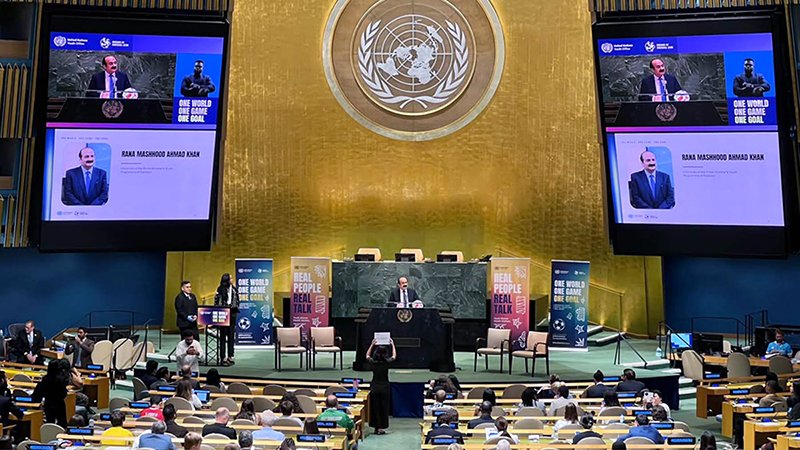
Rana Mashood Ahmed Khan Highlights Football’s Role in Youth Mental Health at UN

NEW YORK — Chairman of the Prime Minister’s Youth Programme, Rana Mashood Ahmed Khan, addressed a United Nations event titled “One World, One Game, One Goal: Football as a Catalyst for Youth Mental Health and Well-being” on Wednesday. The event focused on leveraging the global appeal of football to enhance mental health and well-being among young people worldwide. What Happened During his address at the UN event, Rana Mashood Ahmed Khan emphasized the transformative power of football in promoting mental health and well-being among youth. He highlighted how the sport can serve as a unifying force that transcends cultural and national boundaries, fostering a sense of community and belonging. “Football is more than just a game; it is a powerful tool for social change and mental well-being,” Khan stated. The event brought together global leaders, mental health experts, and sports professionals to discuss strategies for using football as a means to improve mental health outcomes for young people. Khan shared insights from Pakistan’s initiatives that integrate sports into mental health programs, noting the positive impact observed in communities where these initiatives have been implemented. Khan also underscored the importance of international collaboration in addressing youth mental health challenges. He called for increased investment in sports infrastructure and mental health services, particularly in developing countries, to ensure that young people have access to the resources they need to thrive. Background Football has long been recognized as a global sport with significant cultural and social influence. The United Nations has previously highlighted the role of sports in achieving sustainable development goals, including health and well-being. In recent years, there has been a growing recognition of the mental health benefits of physical activity, including team sports like football. The Prime Minister’s Youth Programme in Pakistan has been actively involved in promoting sports as a means to enhance youth development and well-being. The program includes various initiatives aimed at increasing youth participation in sports, providing training and resources, and fostering an environment where young people can develop physically and mentally. Why It Matters The focus on football as a catalyst for youth mental health is particularly relevant in the current global context, where mental health issues among young people are on the rise. The COVID-19 pandemic has exacerbated these challenges, with increased isolation and stress impacting youth worldwide. By promoting sports as a means of improving mental health, initiatives like those discussed at the UN event can play a crucial role in addressing these issues. For Pakistan, the integration of sports into mental health strategies aligns with broader efforts to improve public health and youth development. By investing in sports infrastructure and programs, the country can create opportunities for young people to engage in positive, health-promoting activities. This approach not only supports mental health but also contributes to social cohesion and community building. Internationally, the event underscores the potential for sports to serve as a bridge between nations, fostering collaboration and understanding. By focusing on shared goals like youth mental health, countries can work together to develop innovative solutions that benefit young people globally. Key Takeaways Rana Mashood Ahmed Khan addressed a UN event on football’s role in youth mental health. The event highlighted football as a tool for social change and mental well-being. Pakistan’s initiatives integrate sports into mental health programs with positive outcomes. Increased investment in sports infrastructure is crucial for youth development. International collaboration is essential for addressing global youth mental health challenges. Source Attribution This article is based on official government statements and public communications from relevant authorities. Author: NEN Editorial Desk | Editor: NEN Newsroom | Fact Checked By: NEN Editorial Team Author: NEN Editorial Desk  |  Editor: NEN Newsroom  |  Last Updated: July 19, 2026  |  Source: Press Release from Government of Pakistan This article was produced by the NEN Editorial Desk in accordance with NEN Agency’s Editorial Policy and Fact-Checking Policy.

Pakistan

PCB Announces Major Changes to Women’s T20 Squad for Sri Lanka Tour

LAHORE — The Pakistan Cricket Board (PCB) has unveiled the 15-member squads for both the One Day International (ODI) and Twenty20 International (T20I) series against Sri Lanka, scheduled to take place in Hambantota from July 23 to August 4. The announcement, made on Saturday, highlighted significant changes in the T20I lineup, with eight new players being introduced. What Happened The PCB’s decision to revamp the T20 squad comes ahead of the three-match series against Sri Lanka. The ODI squad will be led by Fatima Sana, while Muneeba Ali has been appointed as the captain for the T20I squad. The changes reflect a strategic move by the PCB to enhance team performance and provide opportunities to emerging talent. The T20 squad includes several fresh faces, aiming to bring a new dynamic to the team. These changes are part of the PCB’s broader strategy to strengthen the women’s cricket team by integrating young and promising players. The series in Sri Lanka is seen as a crucial opportunity for these players to showcase their skills on an international platform. PCB officials have expressed confidence in the new squad’s ability to perform well against Sri Lanka. “We are optimistic about the potential of our new players and believe this series will be a stepping stone for their international careers,” a PCB spokesperson stated. Background Historically, the Pakistan women’s cricket team has faced challenges in maintaining consistent performance on the international stage. The PCB has been actively working to address these issues by investing in training facilities, coaching staff, and development programs aimed at nurturing young talent. The decision to make significant changes to the T20 squad is part of a larger effort to revitalize the team and improve its standing in international cricket. Previous encounters with Sri Lanka have been competitive, and the upcoming series is expected to be no different, providing a test of the new squad’s capabilities. Why It Matters The changes to the T20 squad are significant for several reasons. Firstly, they underscore the PCB’s commitment to developing women’s cricket in Pakistan. By introducing new players, the board is not only providing them with valuable international experience but also signaling a shift towards a more dynamic and competitive team structure. Economically, the success of the women’s team can lead to increased sponsorship and investment in women’s sports, which has traditionally received less attention and funding compared to men’s sports. A strong performance in the series could boost the profile of women’s cricket in Pakistan, encouraging more young girls to pursue the sport professionally. On a social level, the empowerment of women through sports is a critical issue in Pakistan. The visibility of successful female athletes can inspire societal change and promote gender equality. The PCB’s efforts to elevate women’s cricket contribute to this broader social objective. Internationally, a competitive Pakistan women’s team enhances the country’s reputation in global sports. It opens up opportunities for more bilateral series, which are essential for the team’s development and exposure. Key Takeaways The PCB has made eight changes to the Pakistan women’s T20 squad for the upcoming series against Sri Lanka. The ODI and T20I series will be held in Hambantota from July 23 to August 4. Fatima Sana will lead the ODI squad, while Muneeba Ali will captain the T20I team. The changes aim to introduce fresh talent and improve team performance on an international stage. The series is an opportunity to enhance the profile of women’s cricket in Pakistan and promote gender equality through sports. Source Attribution This article is based on official statements from the Pakistan Cricket Board and public communications from relevant authorities. Author: NEN Editorial Desk | Editor: NEN Newsroom | Fact Checked By: NEN Editorial Team Author: NEN Editorial Desk  |  Editor: NEN Newsroom  |  Last Updated: July 19, 2026  |  Source: NEN Reporter This article was produced by the NEN Editorial Desk in accordance with NEN Agency’s Editorial Policy and Fact-Checking Policy.

Pakistan

Minister Qasim Noon Condemns Disparaging Remarks About Martyrs

LAHORE — Federal Minister and Chairman of the Parliamentary Committee on Kashmir, Rana Muhammad Qasim Noon, has strongly condemned inappropriate statements made about the country’s martyrs. Speaking at the Lahore Chamber of Commerce on July 18, Noon emphasized the nation’s indebtedness to the sacrifices made by these individuals. What Happened During his address to the business community at the Lahore Chamber of Commerce, Federal Minister Rana Muhammad Qasim Noon expressed his disapproval of recent statements that he deemed disrespectful towards the martyrs of Pakistan. Noon highlighted the significant contributions and sacrifices of these individuals, asserting that the nation owes its security and peace to their ultimate sacrifices. Noon stated, “Inappropriate statements about the martyrs are condemnable. The entire nation is indebted to their sacrifices.” His remarks came in response to comments circulating in public discourse that have been perceived as undermining the valor and dedication of those who have laid down their lives for the country. The minister’s speech aimed to reinforce the respect and honor that should be accorded to martyrs, urging the public and officials alike to maintain a tone of reverence when discussing such sensitive topics. He called upon the nation to remember the sacrifices of these individuals, particularly in the context of ongoing regional tensions and security challenges. Background Pakistan has a long history of military and civilian personnel who have sacrificed their lives in the line of duty, particularly in conflicts related to the Kashmir region and the fight against terrorism. The country observes several national days to honor these martyrs, including Defence Day and Martyrs’ Day, which serve as reminders of their contributions to national security and sovereignty. In recent years, the discourse around martyrs has occasionally been marred by controversial statements from various quarters, leading to public outcry and demands for respect towards those who have served the nation. The government has consistently reiterated its commitment to honoring the sacrifices of martyrs, often through official ceremonies and public statements. Why It Matters The issue of respecting martyrs holds significant social and political weight in Pakistan. The military and security forces are deeply revered institutions, and any perceived slight against them or their fallen members can lead to widespread public disapproval. Such statements can also have broader implications for national unity, particularly in a country where security concerns remain a pressing issue. By addressing the business community, Noon sought to underscore the importance of collective respect for martyrs across all sectors of society. His remarks serve as a reminder of the ongoing sacrifices made by security personnel, especially in regions like Kashmir, where tensions remain high. This call for respect also aligns with the government’s broader narrative of maintaining national solidarity and resilience against external threats. Economically, maintaining a respectful discourse around national heroes can contribute to social stability, which is crucial for attracting investment and fostering a conducive business environment. Politically, it reinforces the government’s stance on national security and its commitment to honoring those who protect it. Key Takeaways Federal Minister Rana Muhammad Qasim Noon condemned inappropriate statements about martyrs during a speech at the Lahore Chamber of Commerce. Noon emphasized the nation’s indebtedness to the sacrifices of martyrs, calling for respect and honor in public discourse. The issue of respecting martyrs is significant in Pakistan due to the revered status of military and security forces. Maintaining respect for martyrs contributes to national unity and social stability, which are vital for economic and political resilience. Noon’s remarks align with the government’s narrative of solidarity and resilience against external threats. Source Attribution This article is based on official government statements, press releases, and public communications from relevant authorities. Author: NEN Editorial Desk | Editor: NEN Newsroom | Fact Checked By: NEN Editorial Team Author: NEN Editorial Desk  |  Editor: NEN Newsroom  |  Last Updated: July 19, 2026  |  Source: NEN Reporter This article was produced by the NEN Editorial Desk in accordance with NEN Agency’s Editorial Policy and Fact-Checking Policy.

Scroll to Top