

2026

World

Gold Prices Skyrocket in Pakistan Amid Global Market Surge

LAHORE — The price of gold has witnessed a substantial surge in both global and local markets, with significant increases recorded over the past few days. According to the All Pakistan Sarafa Association, the price of 24-carat gold per tola in Pakistan has increased by Rs 26,400 over the last three days, reaching Rs 454,336 as of Friday. What Happened On Friday, the All Pakistan Sarafa Association reported a sharp increase in the price of gold, with the rate per tola climbing by Rs 5,100 in a single day. This follows a two-day period during which the price rose by Rs 21,300 per tola. The price of 10 grams of gold also saw a significant rise, increasing by Rs 4,372 to Rs 389,519. In the global market, the price of gold per ounce increased by $51, reaching $4,319. This international trend has been mirrored in the local markets, affecting the pricing dynamics in Pakistan. Additionally, the price of silver per tola increased by Rs 280, now standing at Rs 6,939. The recent fluctuations in gold prices are attributed to a variety of factors, including global economic uncertainties and changes in currency valuations. Analysts suggest that these factors have contributed to the increased demand for gold as a safe-haven asset. Background Gold has traditionally been considered a stable investment, particularly during times of economic instability. The recent surge in prices can be linked to ongoing global economic challenges, including inflation concerns and geopolitical tensions. Historically, such conditions have led investors to turn to gold as a means of preserving wealth. In Pakistan, gold prices are influenced by both international market trends and local demand. The All Pakistan Sarafa Association plays a crucial role in setting and communicating these prices to the public. The association’s announcements are closely watched by investors and consumers alike, as they provide insight into market conditions. Why It Matters The sharp increase in gold prices has significant implications for the Pakistani economy and its citizens. For investors, the rising prices present both opportunities and challenges. Those holding gold assets may benefit from increased valuations, while new investors may face higher entry costs. For the average consumer, the surge in gold prices can affect purchasing power, particularly for those planning weddings or other events where gold jewelry is traditionally exchanged. This can lead to increased costs for consumers, impacting household budgets and spending patterns. From an economic perspective, the rise in gold prices could influence the country’s import bill, as Pakistan imports a substantial portion of its gold. This, in turn, could affect the national trade balance and foreign exchange reserves, with potential ripple effects on the broader economy. Internationally, the increase in gold prices reflects broader economic trends, including concerns about inflation and currency stability. As global markets react to these conditions, Pakistan’s economy remains interconnected with these global dynamics, influencing local market conditions. Key Takeaways The price of 24-carat gold per tola in Pakistan increased by Rs 26,400 over three days, reaching Rs 454,336. Gold prices per ounce in the global market rose by $51, reflecting broader economic uncertainties. The price of 10 grams of gold climbed by Rs 4,372, while silver per tola increased by Rs 280. The surge in gold prices impacts investors, consumers, and the national economy, with potential effects on trade and foreign reserves. Global economic factors, including inflation and geopolitical tensions, are driving the increased demand for gold. Source Attribution This article is based on official statements and communications from the All Pakistan Sarafa Association and relevant market data. Author: NEN Editorial Desk | Editor: NEN Newsroom | Fact Checked By: NEN Editorial Team Author: NEN Editorial Desk  |  Editor: NEN Newsroom  |  Last Updated: August 08, 2026  |  Source: NEN Reporter This article was produced by the NEN Editorial Desk in accordance with NEN Agency’s Editorial Policy and Fact-Checking Policy.

Pakistan

Prime Minister Shehbaz Sharif Concludes Visit to Saudi Arabia

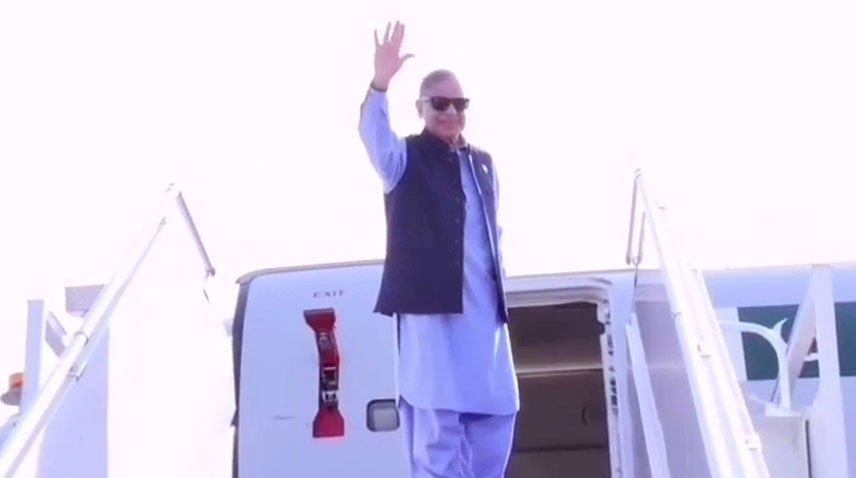
ISLAMABAD — Prime Minister Shehbaz Sharif returned to Pakistan on Saturday after concluding his official visit to the Kingdom of Saudi Arabia. The Prime Minister was seen off at Madinah Airport by Governor of Madinah, Prince Salman bin Sultan bin Abdulaziz Al Saud, marking the end of his diplomatic engagement in the region. What Happened Prime Minister Shehbaz Sharif’s visit to Saudi Arabia was part of an ongoing effort to strengthen bilateral relations between the two nations. During his stay, the Prime Minister engaged in a series of high-level meetings with Saudi officials, focusing on economic cooperation, investment opportunities, and regional security issues. The discussions aimed to enhance the strategic partnership that has historically existed between Pakistan and Saudi Arabia. According to the Prime Minister’s Office Media Wing, the visit included meetings with key figures in the Saudi government, where various agreements and memoranda of understanding were discussed. These agreements are expected to pave the way for increased Saudi investment in Pakistan, particularly in the energy and infrastructure sectors. The Prime Minister also performed Umrah and visited the Prophet’s Mosque in Madinah, reflecting the cultural and religious ties that bind the two countries. The Prime Minister’s delegation included senior officials from the Ministry of Foreign Affairs and other relevant departments, ensuring a comprehensive dialogue on multiple fronts. The visit was described as fruitful and productive, with both sides expressing optimism about future collaborations. Background Pakistan and Saudi Arabia have long-standing diplomatic and economic ties, with Saudi Arabia being one of Pakistan’s major trading partners. The relationship has been characterized by mutual support and cooperation in various international forums. Historically, Saudi Arabia has provided financial aid and oil supply on deferred payments to Pakistan, which has been crucial during economic challenges. The visit comes at a time when Pakistan is seeking to bolster its economy through foreign investments and strengthen its geopolitical alliances. Previous visits by Pakistani leaders to Saudi Arabia have often resulted in significant economic agreements and aid packages, underscoring the importance of these diplomatic engagements. Why It Matters The Prime Minister’s visit to Saudi Arabia holds significant implications for Pakistan’s economic and diplomatic landscape. Strengthening ties with Saudi Arabia is crucial for Pakistan, given the kingdom’s influence in the region and its role as a leading member of the Organization of Islamic Cooperation (OIC). Enhanced cooperation can lead to increased foreign direct investment, which is vital for Pakistan’s economic growth and stability. Economically, Saudi investment in Pakistan’s energy sector could help address the country’s chronic energy shortages, boosting industrial productivity and economic output. Additionally, infrastructure projects supported by Saudi funds can lead to improved connectivity and development, particularly in underdeveloped regions. Politically, maintaining a strong alliance with Saudi Arabia can provide Pakistan with a strategic advantage in regional and international affairs. As Pakistan navigates complex geopolitical dynamics, support from a key ally like Saudi Arabia can bolster its position on issues such as Kashmir and its role in the Muslim world. Key Takeaways Prime Minister Shehbaz Sharif concluded his official visit to Saudi Arabia, focusing on economic and diplomatic ties. The visit included discussions on investment opportunities in Pakistan’s energy and infrastructure sectors. Saudi Arabia has historically been a key ally and economic partner for Pakistan, providing financial aid and support. The visit aims to strengthen bilateral relations and enhance Pakistan’s strategic position in the region. Increased Saudi investment could significantly impact Pakistan’s economic growth and stability. Source Attribution This article is based on official government statements, press releases, and public communications from relevant authorities. Author: NEN Editorial Desk | Editor: NEN Newsroom | Fact Checked By: NEN Editorial Team Author: NEN Editorial Desk  |  Editor: NEN Newsroom  |  Last Updated: August 08, 2026  |  Source: Press Release from Government of Pakistan This article was produced by the NEN Editorial Desk in accordance with NEN Agency’s Editorial Policy and Fact-Checking Policy.
Pakistan

Punjab CM Orders Enhanced Cleanliness Standards Under Suthra Punjab Initiative

LAHORE — Punjab Chief Minister Maryam Nawaz Sharif has called for the enhancement of cleanliness standards across urban areas under the Suthra Punjab program. During a special review meeting held on Saturday, the Chief Minister emphasized the need for uniform waste management practices, timely payments to sanitation workers, and intensified monitoring to ensure noticeable improvements in urban cleanliness throughout Punjab. What Happened In a bid to bolster the Suthra Punjab initiative, Chief Minister Maryam Nawaz Sharif convened a meeting in Lahore, where she directed relevant authorities to implement a series of measures aimed at improving sanitation across the province. The Chief Minister underscored the importance of introducing standardized waste management protocols to ensure consistency in cleanliness efforts. She also highlighted the necessity of timely remuneration for sanitation workers, recognizing their critical role in maintaining urban hygiene. The meeting focused on the need for rigorous monitoring mechanisms to track progress and address any shortcomings in the implementation of the Suthra Punjab program. The Chief Minister expressed her commitment to delivering visible improvements in the cleanliness of urban areas, thereby enhancing the quality of life for residents. “We must ensure that our cities reflect the highest standards of cleanliness, and this requires a concerted effort from all stakeholders,” she stated. Additionally, the Chief Minister directed the relevant departments to explore innovative solutions for waste management, including the potential use of technology to streamline operations and improve efficiency. The meeting concluded with a consensus on the urgent need for coordinated efforts to achieve the program’s objectives. Background The Suthra Punjab program was launched as part of the provincial government’s efforts to address the growing challenges of waste management and urban cleanliness. Historically, urban areas in Punjab have faced significant issues related to waste disposal and sanitation, leading to public health concerns and environmental degradation. The initiative aims to establish a comprehensive framework for waste management, involving local governments, private sector partners, and community organizations. Previous efforts to improve urban cleanliness have encountered obstacles such as inconsistent waste collection services, inadequate infrastructure, and limited public awareness. The Suthra Punjab program seeks to overcome these challenges by implementing a holistic approach that includes policy reforms, capacity building, and public engagement. Why It Matters The enhancement of cleanliness standards under the Suthra Punjab initiative holds significant implications for the province’s urban centers. Improved waste management practices are expected to contribute to better public health outcomes by reducing the incidence of diseases associated with poor sanitation. Moreover, cleaner urban environments can enhance the overall quality of life for residents, making cities more attractive places to live and work. Economically, the initiative could stimulate job creation in the waste management sector, providing employment opportunities for local communities. The focus on timely payments to sanitation workers is particularly important, as it ensures their financial stability and motivation to perform their duties effectively. Politically, the success of the Suthra Punjab program could bolster the provincial government’s reputation for effective governance and responsiveness to citizens’ needs. It also aligns with broader national efforts to promote sustainable development and environmental stewardship. Key Takeaways Punjab Chief Minister Maryam Nawaz Sharif has directed the enhancement of cleanliness standards under the Suthra Punjab program. The initiative emphasizes uniform waste management practices, timely payments to sanitation workers, and intensified monitoring. The program aims to address historical challenges in urban cleanliness and improve public health outcomes. Successful implementation could lead to job creation and enhance the quality of life in urban areas. The initiative aligns with broader goals of sustainable development and effective governance. Source Attribution This article is based on official government statements and public communications from relevant authorities. Author: NEN Editorial Desk | Editor: NEN Newsroom | Fact Checked By: NEN Editorial Team Author: NEN Editorial Desk  |  Editor: NEN Newsroom  |  Last Updated: August 08, 2026  |  Source: NEN Reporter This article was produced by the NEN Editorial Desk in accordance with NEN Agency’s Editorial Policy and Fact-Checking Policy.

World

Pakistani University Partners with Chinese Institute to Enhance Language Education

BEIJING — The China-Pak Educational Cultural Institute (CPECI) and the University of Chenab’s Office of International Education and Cooperation have entered into a formal agreement to enhance Chinese language education in Pakistan. The Memorandum of Understanding (MoU), signed on August 6, aims to provide expanded opportunities for Pakistani students in language learning and study pathways in China. What Happened The MoU was signed by representatives of the China-Pak Educational Cultural Institute and the University of Chenab, marking a significant step in educational collaboration between China and Pakistan. The agreement focuses on expanding Chinese language education through the introduction of the Hanyu Shuiping Kaoshi (HSK) certification, which is an internationally recognized standard for assessing Chinese language proficiency. Additionally, the MoU includes provisions for advisory services to facilitate study opportunities in China for Pakistani students. According to the details of the agreement, the partnership will leverage the resources and expertise of both institutions to create a comprehensive framework for language education. This includes the development of tailored language courses, teacher training programs, and cultural exchange initiatives aimed at fostering a deeper understanding of Chinese language and culture among Pakistani students. Dr. Li Ming, Director of CPECI, expressed optimism about the collaboration, stating, “This partnership is a testament to the growing educational ties between China and Pakistan. We are committed to providing high-quality language education and creating pathways for students to pursue higher education in China.” Similarly, Professor Ahmed Khan, head of the Office of International Education and Cooperation at UChenab, highlighted the importance of the MoU in enhancing educational opportunities for Pakistani students. Background The collaboration between the China-Pak Educational Cultural Institute and the University of Chenab is part of a broader trend of educational partnerships between China and Pakistan. Over the past decade, both countries have strengthened their bilateral relations through various initiatives, including the China-Pakistan Economic Corridor (CPEC), which has also facilitated educational exchanges and scholarships. Chinese language education has gained prominence in Pakistan, with many universities and institutes offering courses to meet the growing demand. The HSK certification, recognized globally, provides students with a valuable credential that can enhance their academic and professional prospects. The initiative aligns with Pakistan’s educational policy goals of increasing international collaboration and improving language education standards. Why It Matters This partnership holds significant implications for the educational landscape in Pakistan. By expanding Chinese language education, the MoU addresses the increasing demand for language skills that are crucial for engaging with China, Pakistan’s key economic partner. The initiative not only equips students with language proficiency but also opens doors to educational and professional opportunities in China, a country with a rapidly growing economy. Moreover, the collaboration reflects the strategic importance of education in strengthening bilateral ties between China and Pakistan. As China continues to invest in Pakistan through projects like CPEC, the need for cultural and linguistic understanding becomes even more critical. This partnership thus serves as a bridge, fostering mutual understanding and cooperation between the two nations. For Pakistani students, the MoU provides a structured pathway to pursue higher education in China, which is home to some of the world’s leading universities. Access to quality education and exposure to diverse cultural experiences can significantly enhance the skill set of Pakistani graduates, making them more competitive in the global job market. Key Takeaways The China-Pak Educational Cultural Institute and University of Chenab have signed an MoU to enhance Chinese language education in Pakistan. The partnership will introduce HSK certification and provide advisory services for studying in China. This initiative is part of broader educational collaborations between China and Pakistan, linked to projects like CPEC. The agreement aims to equip Pakistani students with language skills and increase educational opportunities in China. The MoU strengthens cultural and educational ties, reflecting the strategic partnership between the two countries. Source Attribution This article is based on official statements and public communications from the China-Pak Educational Cultural Institute and the University of Chenab. Author: NEN Editorial Desk | Editor: NEN Newsroom | Fact Checked By: NEN Editorial Team Author: NEN Editorial Desk  |  Editor: NEN Newsroom  |  Last Updated: August 08, 2026  |  Source: NEN Reporter This article was produced by the NEN Editorial Desk in accordance with NEN Agency’s Editorial Policy and Fact-Checking Policy.

Pakistan

Government Approves Civil Awards for 78 Martyrs and Heroes

ISLAMABAD — The Pakistani government has approved civil awards for 78 individuals in recognition of their sacrifices, courage, and acts of extraordinary bravery in service to the nation. This decision was made during a special committee meeting on gallantry awards chaired by Interior Minister Mohsin Naqvi in Islamabad on Saturday. What Happened The meeting, which took place in the capital, focused on evaluating the contributions of various individuals who have shown exceptional bravery and sacrifice. Interior Minister Mohsin Naqvi led the discussions, emphasizing the importance of acknowledging the contributions of those who have laid down their lives or demonstrated gallantry in the line of duty. The committee meticulously reviewed each case before reaching a consensus on the awards. According to official sources, the awards are intended to honor both military and civilian individuals who have exhibited remarkable courage. The recipients include martyrs who have sacrificed their lives for the country, as well as living heroes who have performed acts of valor. The awards will be presented in a ceremony to be held later this year, coinciding with Pakistan’s national celebrations. Interior Minister Naqvi stated, “These awards are a testament to the bravery and dedication of our citizens who have gone above and beyond in their service to Pakistan. It is our duty to honor their sacrifices and ensure their stories inspire future generations.” Background Pakistan has a long-standing tradition of recognizing and honoring individuals who have shown exceptional bravery and service to the nation. Civil awards are an integral part of this tradition, serving as a formal acknowledgment by the state of the contributions made by its citizens. The awards are usually announced on significant national days, such as Pakistan Day or Independence Day, and are presented by the President of Pakistan. The process of selecting awardees involves a rigorous evaluation by various committees, ensuring that only the most deserving individuals are recognized. Over the years, these awards have been given to military personnel, police officers, and civilians who have shown extraordinary courage in the face of adversity. Why It Matters The approval of these civil awards holds significant importance for several reasons. Firstly, it serves as a morale booster for the armed forces and law enforcement agencies, reinforcing the message that their sacrifices are valued and recognized at the highest levels of government. This recognition can enhance the commitment and dedication of personnel serving in challenging and often dangerous environments. Secondly, these awards highlight the importance of civilian contributions to national security and social stability. By honoring civilians who have shown bravery, the government underscores the role of ordinary citizens in the broader security framework of the country. This can encourage more individuals to participate actively in community safety and national defense initiatives. On a broader scale, the awards contribute to national unity and pride. They remind the public of the shared values and collective efforts required to maintain peace and security. In a country facing numerous internal and external challenges, such acknowledgments can foster a sense of solidarity and common purpose among the populace. Key Takeaways The Pakistani government has approved civil awards for 78 individuals for bravery and sacrifice. The awards recognize both military and civilian contributions to national security. Interior Minister Mohsin Naqvi chaired the special committee meeting in Islamabad. The awards will be presented during a national ceremony later this year. These awards aim to boost morale and encourage national unity and pride. Source Attribution This article is based on official government statements, press releases, and public communications from relevant authorities. Author: NEN Editorial Desk | Editor: NEN Newsroom | Fact Checked By: NEN Editorial Team Author: NEN Editorial Desk  |  Editor: NEN Newsroom  |  Last Updated: August 08, 2026  |  Source: NEN Reporter This article was produced by the NEN Editorial Desk in accordance with NEN Agency’s Editorial Policy and Fact-Checking Policy.
Pakistan

Punjab Authorities Seal Two Industrial Units Over Monsoon SOP Violations

LAHORE — The district administration of Lahore, in collaboration with the Punjab Enforcement and Regulatory Authority (PERA) and the Water and Sanitation Agency (WASA), sealed two industrial units on Friday. The action was taken due to violations of the monsoon emergency Standard Operating Procedures (SOPs) set to mitigate flooding risks during the rainy season. What Happened The joint operation was conducted in response to reports of non-compliance with the monsoon emergency SOPs, which are crucial for preventing urban flooding and safeguarding public infrastructure. The sealed industrial units were found to be disregarding the protocols designed to manage stormwater and ensure proper drainage during heavy rains. According to a statement from the district administration, the industrial units failed to implement necessary measures such as maintaining clear drainage systems and ensuring that waste disposal did not obstruct water flow. These measures are part of a broader strategy to minimize the impact of monsoon rains, which have historically caused significant disruption and damage in urban areas. An official from PERA stated, “The enforcement of these SOPs is critical for the safety of our urban centers. Non-compliance poses a serious risk not only to the industrial areas but also to residential neighborhoods that could be affected by flooding.” WASA, responsible for managing Lahore’s water supply and drainage systems, emphasized the importance of cooperation from all sectors to effectively manage the monsoon season. The agency has been actively working to upgrade and maintain the city’s drainage infrastructure, but stresses that industrial compliance is essential to these efforts. Background Monsoon rains in Pakistan, particularly in Punjab, have historically led to severe flooding, causing damage to property and infrastructure, and occasionally resulting in loss of life. In response, the government has developed a set of SOPs aimed at reducing the risk of flooding by ensuring that drainage systems remain unobstructed and fully operational during the rainy season. These SOPs include guidelines for the maintenance of drainage systems, proper waste management to prevent blockages, and the installation of flood barriers where necessary. The enforcement of these guidelines is a collaborative effort between various government agencies, including PERA and WASA, to ensure that urban areas are prepared for the monsoon season. Why It Matters The sealing of these industrial units underscores the ongoing challenge of enforcing environmental regulations in Pakistan’s rapidly urbanizing regions. As cities like Lahore continue to expand, the pressure on infrastructure systems intensifies, necessitating stringent compliance with environmental and safety regulations. Failure to adhere to monsoon SOPs can exacerbate flooding, leading to significant economic losses and public safety hazards. Industrial non-compliance not only threatens the immediate vicinity but also impacts the broader urban ecosystem, affecting residential areas and public services. Moreover, the incident highlights the critical role of regulatory bodies in maintaining urban resilience against climate-induced challenges. Effective enforcement of SOPs is vital for protecting investments in infrastructure and ensuring the safety and well-being of citizens. On a broader scale, this action reflects the government’s commitment to implementing environmental policies that align with sustainable urban development goals. By holding industries accountable, authorities aim to foster a culture of compliance that prioritizes environmental stewardship and public safety. Key Takeaways The district administration, PERA, and WASA sealed two industrial units for violating monsoon SOPs. The violations involved failure to maintain clear drainage systems and proper waste management. Monsoon SOPs are crucial for preventing urban flooding in Lahore and other cities. Enforcement actions highlight the importance of regulatory compliance for urban resilience. The government’s commitment to sustainable urban development is reinforced through such measures. Source Attribution This article is based on official government statements, press releases, and public communications from relevant authorities. Author: NEN Editorial Desk | Editor: NEN Newsroom | Fact Checked By: NEN Editorial Team Author: NEN Editorial Desk  |  Editor: NEN Newsroom  |  Last Updated: August 08, 2026  |  Source: NEN Reporter This article was produced by the NEN Editorial Desk in accordance with NEN Agency’s Editorial Policy and Fact-Checking Policy.

World

Pakistan to Establish 16 Sports Shoe Production Lines with China

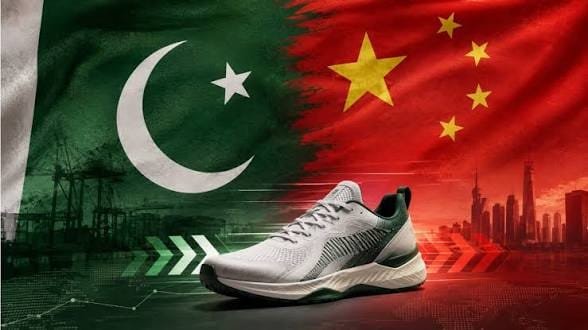
ISLAMABAD — Pakistan is set to launch 16 new sports shoe production lines as part of a cooperation project with China, aiming to significantly boost its footwear manufacturing capacity. The agreement, finalized this week, is expected to enhance Pakistan’s role in the global footwear market by facilitating cross-border trade and developing overseas production bases. What Happened The China-Pakistan footwear cooperation project, signed this week, outlines the establishment of 16 sports shoe production lines across Pakistan. This initiative is projected to produce tens of millions of pairs of shoes annually, marking a substantial increase in the country’s manufacturing capabilities. The collaboration is part of a broader strategy to strengthen economic ties between the two nations, leveraging China’s expertise in manufacturing and Pakistan’s growing industrial base. The project is anticipated to not only increase production capacity but also create numerous job opportunities within Pakistan. By focusing on sports footwear, the initiative targets a lucrative segment of the global market, which has been experiencing steady growth due to rising consumer demand for athletic and leisure footwear. Officials involved in the project have expressed optimism about its potential impact. “This cooperation will significantly enhance our manufacturing capabilities and open new avenues for trade,” a senior official stated. The project is expected to be a key component of Pakistan’s industrial growth strategy, aligning with the country’s goals of increasing exports and fostering economic development. Background The China-Pakistan Economic Corridor (CPEC) has been a cornerstone of bilateral cooperation between the two countries, encompassing various infrastructure and development projects. This latest footwear initiative is part of the broader CPEC framework, which aims to enhance connectivity and economic collaboration. Historically, Pakistan’s footwear industry has been relatively small compared to other manufacturing sectors. However, recent years have seen increased investment and interest in expanding this industry, driven by both domestic demand and export opportunities. The partnership with China represents a strategic move to capitalize on these trends and position Pakistan as a competitive player in the global footwear market. Why It Matters The establishment of these production lines is significant for several reasons. Economically, it represents a substantial investment in Pakistan’s manufacturing sector, which is crucial for job creation and economic growth. The project is expected to generate thousands of jobs, providing much-needed employment opportunities in a country with a rapidly growing workforce. Socially, the initiative could lead to skill development and technological transfer, as local workers gain experience in advanced manufacturing techniques. This development is likely to have a positive ripple effect, enhancing the overall skill level of the workforce and contributing to broader industrial development. Politically, the project underscores the strengthening ties between Pakistan and China. As part of the CPEC framework, this cooperation highlights the strategic partnership between the two countries, which has implications for regional stability and economic integration. The success of such projects could pave the way for further collaborations in other sectors, reinforcing Pakistan’s position as a key partner in China’s Belt and Road Initiative. Key Takeaways Pakistan and China have signed an agreement to establish 16 sports shoe production lines in Pakistan. The project aims to produce tens of millions of pairs of shoes annually, boosting Pakistan’s manufacturing capacity. This initiative is part of the broader China-Pakistan Economic Corridor (CPEC) framework. The project is expected to create numerous job opportunities and enhance skill development in Pakistan. Strengthening economic ties with China, the project highlights the strategic partnership between the two nations. Source Attribution This article is based on official government statements, press releases, and public communications from relevant authorities. Author: NEN Editorial Desk | Editor: NEN Newsroom | Fact Checked By: NEN Editorial Team Author: NEN Editorial Desk  |  Editor: NEN Newsroom  |  Last Updated: August 08, 2026  |  Source: NEN Reporter This article was produced by the NEN Editorial Desk in accordance with NEN Agency’s Editorial Policy and Fact-Checking Policy.
Pakistan

President Zardari Honors Major Tufail Shaheed on 68th Martyrdom Anniversary

ISLAMABAD — President Asif Ali Zardari paid tribute to Major Tufail Muhammad Shaheed, Nishan-e-Haider, on the 68th anniversary of his martyrdom. The President lauded Major Tufail’s sacrifice and valor in defending Pakistan, marking the occasion with a solemn remembrance of his contributions to the nation. What Happened On the 68th anniversary of Major Tufail Muhammad Shaheed’s martyrdom, President Asif Ali Zardari expressed profound respect and admiration for the late Major’s extraordinary bravery and dedication to Pakistan. Major Tufail, one of the recipients of the Nishan-e-Haider, Pakistan’s highest military award for bravery, is remembered for his heroic actions during a critical operation in 1958. President Zardari highlighted Major Tufail’s role in a significant military engagement in the Lakshmipur area, where he led his troops with exceptional courage despite being severely wounded. His leadership and sacrifice were pivotal in the success of the mission, which ultimately cost him his life. The President’s tribute underscores the enduring legacy of Major Tufail’s heroism and the inspiration it continues to provide to the armed forces and the nation at large. In his statement, President Zardari emphasized the importance of remembering and honoring the sacrifices made by the armed forces to safeguard the sovereignty and integrity of Pakistan. He called upon the nation to draw inspiration from Major Tufail’s exemplary service and to remain steadfast in the face of challenges to national security. Background Major Tufail Muhammad Shaheed was born in Hoshiarpur, Punjab, in 1914. He joined the British Indian Army in 1943 and later became part of the Pakistan Army after the country’s independence in 1947. His most notable act of bravery occurred in August 1958 during an operation against Indian forces in the Lakshmipur area, located in what was then East Pakistan (now Bangladesh). During the operation, Major Tufail led his company to eliminate enemy positions despite being critically injured. His actions during the battle were instrumental in securing a strategic victory for Pakistan. For his extraordinary gallantry and leadership, he was posthumously awarded the Nishan-e-Haider, the highest military honor in Pakistan. Why It Matters The commemoration of Major Tufail Shaheed’s martyrdom serves as a poignant reminder of the sacrifices made by military personnel in the defense of Pakistan. It highlights the enduring spirit of patriotism and the willingness of individuals to lay down their lives for the country’s sovereignty. Such observances reinforce national unity and the collective memory of those who have served with distinction. Major Tufail’s legacy is particularly significant in the context of Pakistan’s ongoing security challenges. His story is a source of motivation for current and future generations of soldiers who continue to face threats both from within and outside the country’s borders. The tribute by President Zardari not only honors a national hero but also serves to bolster the morale of the armed forces and the public’s appreciation for their service. The anniversary also provides an opportunity for reflection on the broader historical and geopolitical dynamics that have shaped Pakistan’s military engagements over the decades. It underscores the importance of strategic readiness and the need for continued investment in the country’s defense capabilities to ensure peace and stability in the region. Key Takeaways President Asif Ali Zardari paid tribute to Major Tufail Muhammad Shaheed on his 68th martyrdom anniversary. Major Tufail was awarded the Nishan-e-Haider for his bravery during a 1958 operation in Lakshmipur. The commemoration highlights the sacrifices of Pakistan’s armed forces in defending national sovereignty. Major Tufail’s legacy continues to inspire military personnel and reinforces national unity. The anniversary serves as a reminder of the importance of strategic readiness and defense capabilities. Source Attribution This article is based on official government statements, press releases, and public communications from relevant authorities. Author: NEN Editorial Desk | Editor: NEN Newsroom | Fact Checked By: NEN Editorial Team Author: NEN Editorial Desk  |  Editor: NEN Newsroom  |  Last Updated: August 08, 2026  |  Source: Press Release from Government of Pakistan This article was produced by the NEN Editorial Desk in accordance with NEN Agency’s Editorial Policy and Fact-Checking Policy.
World

BOI Minister Advocates Learning From China’s Growth for Economic Cooperation

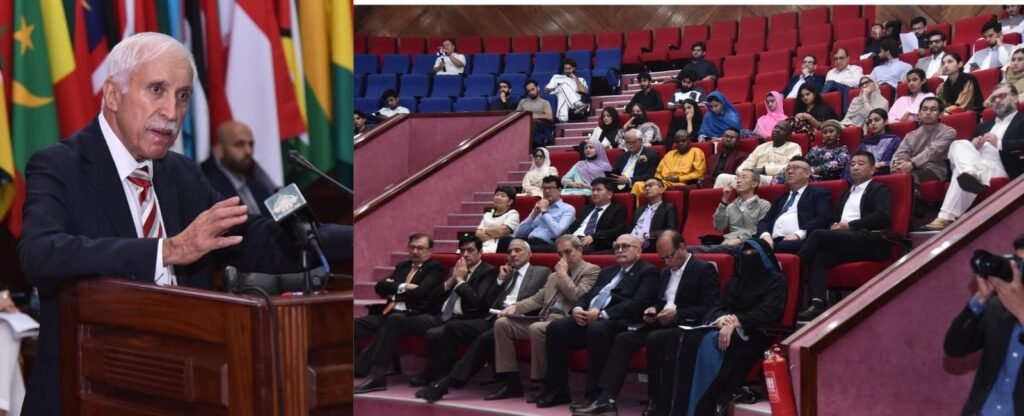
ISLAMABAD — Federal Minister for the Board of Investment (BOI), Qaiser Ahmed Sheikh, on Friday emphasized the potential for enhanced economic cooperation between Pakistan and China, underscoring the importance of drawing lessons from China’s rapid development. The minister’s remarks came during a meeting aimed at strengthening bilateral ties and exploring avenues for economic growth. What Happened During a high-level meeting held in Islamabad, Federal Minister Qaiser Ahmed Sheikh addressed key stakeholders from the business and investment sectors, focusing on the strategic partnership between Pakistan and China. He highlighted China’s remarkable economic transformation over the past few decades, suggesting that Pakistan could benefit significantly by adopting similar strategies tailored to its own context. Minister Sheikh pointed out that China’s success in elevating its economy was largely due to its focus on industrialization, technological advancement, and infrastructure development. “China’s journey from a developing to a leading global economy offers valuable insights for Pakistan,” he stated, emphasizing the need for Pakistan to enhance its industrial base and invest in technology-driven sectors. The minister also discussed the China-Pakistan Economic Corridor (CPEC), a flagship project under the Belt and Road Initiative, as a cornerstone of the bilateral relationship. He noted that CPEC has already brought substantial investments into Pakistan’s infrastructure and energy sectors, and there is potential for further collaboration in areas such as agriculture, information technology, and renewable energy. Background The economic relationship between Pakistan and China has been a focal point of both countries’ foreign policies. The China-Pakistan Economic Corridor, launched in 2015, is a multi-billion-dollar initiative aimed at enhancing connectivity and economic integration between the two nations. It includes a network of roads, railways, and pipelines to transport oil and gas, and is expected to significantly boost Pakistan’s economy by providing jobs and improving infrastructure. China’s economic model, characterized by state-led development, has been a subject of interest for many developing countries. Over the last four decades, China has achieved an average annual GDP growth rate of around 10%, lifting hundreds of millions out of poverty and becoming the world’s second-largest economy. This growth has been supported by policies that encourage foreign investment, technological innovation, and export-led growth. Why It Matters The emphasis on learning from China’s economic strategies is crucial for Pakistan as it seeks to overcome its economic challenges, including a high fiscal deficit, low foreign reserves, and a struggling industrial sector. By adopting policies that have proven successful in China, Pakistan can potentially accelerate its economic growth and improve living standards for its citizens. The collaboration between Pakistan and China is not only economically significant but also strategically important. Strengthening economic ties with China can help Pakistan diversify its economic partnerships and reduce dependency on Western financial institutions. It also aligns with Pakistan’s broader geopolitical strategy of enhancing ties with regional powers. Moreover, as global economic dynamics shift, Pakistan’s ability to adapt and integrate into new economic paradigms will be critical. Learning from China’s experience in areas such as digital economy, green technology, and high-tech manufacturing can position Pakistan as a competitive player in the global market. Key Takeaways Federal Minister Qaiser Ahmed Sheikh calls for learning from China’s economic growth to boost Pakistan-China ties. The China-Pakistan Economic Corridor remains central to bilateral economic cooperation. Pakistan aims to replicate China’s success in industrialization and technology sectors. Strengthening ties with China is part of Pakistan’s strategy to diversify economic partnerships. Adopting successful economic policies from China could help Pakistan address its fiscal challenges. Source Attribution This article is based on official government statements, press releases, and public communications from relevant authorities. Author: NEN Editorial Desk | Editor: NEN Newsroom | Fact Checked By: NEN Editorial Team Author: NEN Editorial Desk  |  Editor: NEN Newsroom  |  Last Updated: August 08, 2026  |  Source: Press Release from Government of Pakistan This article was produced by the NEN Editorial Desk in accordance with NEN Agency’s Editorial Policy and Fact-Checking Policy.

Pakistan

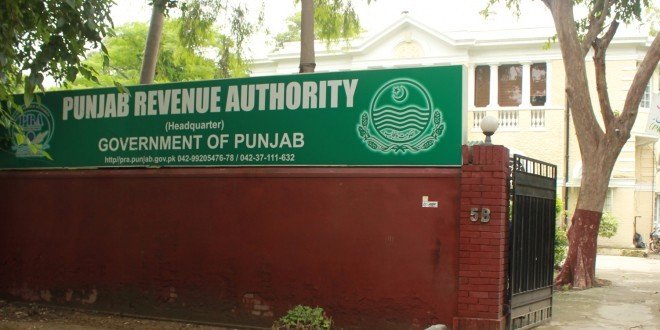
Punjab Revenue Authority Enforces Strict E-IMS Policy to Combat Tax Evasion

LAHORE — The Punjab Revenue Authority (PRA) has announced a stringent zero-tolerance policy for the implementation of the Electronic Invoice Monitoring System (E-IMS) across the province. This initiative aims to enhance transparency and tackle tax evasion, particularly in the hospitality sector, which includes hotels and restaurants. What Happened The PRA’s decision to enforce a zero-tolerance approach stems from its commitment to ensuring that all taxable transactions are accurately reported and monitored through the E-IMS. The system is designed to automatically track sales and services provided by businesses, thereby reducing the likelihood of underreporting and tax evasion. According to PRA officials, the implementation of this system is crucial for maintaining fiscal discipline and ensuring that businesses comply with tax regulations. The E-IMS has been operational for some time; however, the PRA has observed instances where compliance has been lax. As a result, the authority has decided to intensify its efforts to ensure full adherence to the system’s requirements. The zero-tolerance policy means that any business found to be non-compliant will face strict penalties, including fines and potential legal action. In a statement, a PRA spokesperson emphasized the importance of the E-IMS in creating a level playing field for all businesses. “The E-IMS is a vital tool in our efforts to ensure transparency and fairness in the tax system,” the spokesperson stated. “We are committed to taking all necessary measures to enforce compliance and protect the integrity of our tax system.” Background The introduction of the E-IMS by the Punjab Revenue Authority is part of a broader effort to modernize tax collection and administration in the province. Historically, tax evasion has been a significant challenge for revenue authorities in Pakistan, with many businesses underreporting their earnings to reduce their tax liabilities. The hospitality sector, in particular, has been identified as a high-risk area for tax evasion due to the large volume of cash transactions and the difficulty in monitoring sales. In response to these challenges, the PRA launched the E-IMS to provide a more accurate and efficient method of tracking business transactions. The system requires businesses to issue electronic invoices for all sales, which are then automatically reported to the PRA. This not only helps in reducing tax evasion but also streamlines the tax filing process for businesses. Why It Matters The enforcement of the zero-tolerance policy for the E-IMS holds significant implications for the economic and fiscal landscape of Punjab. By ensuring that all taxable transactions are accurately reported, the PRA aims to increase tax revenue, which is essential for funding public services and infrastructure projects. This move is expected to enhance the government’s ability to invest in critical areas such as education, healthcare, and transportation. Moreover, the policy is likely to improve the business environment in Punjab by promoting fair competition. Businesses that comply with tax regulations will no longer be at a disadvantage compared to those that evade taxes. This could lead to a more equitable market, encouraging investment and growth in the hospitality sector. On a broader scale, the success of the E-IMS in Punjab could serve as a model for other provinces in Pakistan, potentially leading to nationwide improvements in tax compliance and revenue collection. This would strengthen the country’s fiscal position and contribute to economic stability. Key Takeaways The Punjab Revenue Authority has adopted a zero-tolerance policy for the E-IMS to curb tax evasion. The policy targets the hospitality sector, ensuring accurate reporting of taxable transactions. Businesses found non-compliant with the E-IMS will face strict penalties. The initiative aims to increase tax revenue and promote fair competition in Punjab. Success in Punjab could inspire similar measures in other provinces. Source Attribution This article is based on official government statements and public communications from the Punjab Revenue Authority. Author: NEN Editorial Desk | Editor: NEN Newsroom | Fact Checked By: NEN Editorial Team Author: NEN Editorial Desk  |  Editor: NEN Newsroom  |  Last Updated: August 08, 2026  |  Source: NEN Reporter This article was produced by the NEN Editorial Desk in accordance with NEN Agency’s Editorial Policy and Fact-Checking Policy.

Scroll to Top