

World

Welcome to the World section of NEN Agency, your window to the stories shaping our planet. From global politics and economic shifts to science breakthroughs, cultural moments, and humanitarian crises, we connect you to events that matter — wherever they happen.

Inside This Category

  • Global Politics & Diplomacy: International relations, summits, and policy shifts.

  • World Economy & Trade: Market trends, trade agreements, and financial developments.

  • Conflicts & Security: Coverage of wars, peace efforts, and security challenges.

  • Science & Environment: Climate change, technological advances, and space exploration.

  • Culture & Society: Arts, sports, and lifestyle stories from around the globe.

Why Our World Coverage Stands Out
We deliver global news with context, helping readers see how events beyond borders influence life in Pakistan and the wider region.

World

National Bank of Pakistan Releases Updated Foreign Exchange Rates

KARACHI — The Treasury Management Division of the National Bank of Pakistan (NBP) released the latest foreign exchange rates on Monday, providing updated figures for various global currencies. These rates are crucial for businesses, investors, and individuals engaged in foreign trade and transactions. What Happened The National Bank of Pakistan’s Treasury Management Division announced the exchange rates for a range of international currencies against the Pakistani Rupee. As of the latest update, the US Dollar (USD) is being sold at 278.50 PKR and bought at 278.00 PKR. The Euro (EUR) stands at a selling rate of 318.37 PKR and a buying rate of 317.80 PKR. The British Pound (GBP) is listed at 371.58 PKR for selling and 370.91 PKR for buying. Other notable currencies include the Japanese Yen (JPY), which is being sold at 1.7209 PKR and bought at 1.7178 PKR, and the Swiss Franc (CHF), with a selling rate of 346.23 PKR and a buying rate of 345.60 PKR. The Canadian Dollar (CAD) is available at 195.99 PKR for selling and 195.64 PKR for buying, while the Australian Dollar (AUD) is at 192.89 PKR for selling and 192.54 PKR for buying. In addition, the exchange rates for Scandinavian currencies such as the Swedish Krona (SEK) and Norwegian Krone (NOK) are 28.86 PKR and 28.31 PKR for selling, respectively. The Danish Krone (DKK) is listed at a selling rate of 42.60 PKR. Other currencies such as the New Zealand Dollar (NZD), Singapore Dollar (SGD), and Hong Kong Dollar (HKD) are priced at 158.38 PKR, 215.47 PKR, and 35.51 PKR for selling, respectively. The rates for the Korean Won (KRW), Chinese Yuan (CNY), and Malaysian Ringgit (MYR) are also provided, with selling rates of 0.1818 PKR, 41.01 PKR, and 68.35 PKR, respectively. The Thai Baht (THB) is at 8.38 PKR, the UAE Dirham (AED) at 75.83 PKR, and the Saudi Riyal (SAR) at 74.18 PKR for selling. For frozen foreign currency deposits, the conversion rates are slightly adjusted, with the USD at 278.0921 PKR, GBP at 371.8647 PKR, EUR at 318.4988 PKR, and JPY at 1.7289 PKR. Background The National Bank of Pakistan, a key player in the country’s banking sector, regularly updates its foreign exchange rates to reflect global market conditions. These rates are essential for determining the value of foreign currencies in local transactions and are used by businesses and individuals involved in international trade, travel, and investment. Exchange rates are influenced by various factors, including economic indicators, geopolitical events, and market speculation. The NBP, as a state-owned institution, plays a critical role in stabilizing the currency market by providing transparent and timely updates on exchange rates. Why It Matters Accurate and up-to-date exchange rates are vital for Pakistan’s economy, which relies heavily on imports and exports. The fluctuation of currency values can significantly impact the cost of goods and services, affecting inflation and purchasing power. For businesses engaged in international trade, these rates determine the profitability of transactions and influence pricing strategies. For individuals, especially those who remit money from abroad, exchange rates affect the amount of local currency received. This is particularly important in Pakistan, where remittances form a substantial part of the economy. The timely release of exchange rates by the NBP helps individuals and businesses make informed financial decisions. On a broader scale, exchange rates reflect the country’s economic health and stability. A stable currency can attract foreign investment, while volatility may deter investors. Therefore, the NBP’s role in providing reliable exchange rates is crucial for maintaining economic confidence and stability. Key Takeaways The NBP has released updated exchange rates for various international currencies against the Pakistani Rupee. The US Dollar is being sold at 278.50 PKR and bought at 278.00 PKR. Exchange rates are crucial for businesses and individuals engaged in foreign trade and transactions. Timely updates on exchange rates help maintain economic stability and confidence. Exchange rates are influenced by global market conditions and economic indicators. Source Attribution This article is based on official government statements, press releases, and public communications from relevant authorities. Author: NEN Editorial Desk | Editor: NEN Newsroom | Fact Checked By: NEN Editorial Team Author: NEN Editorial Desk  |  Editor: NEN Newsroom  |  Last Updated: July 06, 2026  |  Source: NEN Reporter This article was produced by the NEN Editorial Desk in accordance with NEN Agency’s Editorial Policy and Fact-Checking Policy.

World

Pakistan’s Exchange Rates Adjusted Amid Global Economic Shifts

KARACHI — The Exchange Rates Committee of the Financial Markets Association of Pakistan has released the latest foreign exchange rates bulletin, reflecting updated conversion rates for major currencies as of July 6, 2026. These rates are crucial for forward cover for deposits, excluding FE-25 deposits, with the State Bank of Pakistan (SBP) settlement value date set for July 8, 2026. What Happened The committee announced the following conversion rates: the US dollar (USD) stands at 278.0921 Pakistani rupees, the British pound (GBP) at 371.8647 rupees, the euro (EUR) at 318.4788 rupees, and the Japanese yen (JPY) at 1.7289 rupees. These rates are determined by the committee’s assessment of current market conditions and are used by financial institutions for various transactions, including forward contracts and currency hedging. These adjustments come as Pakistan navigates a complex global economic landscape, with fluctuating currency values impacting trade, investment, and economic planning. The exchange rates are crucial for businesses engaged in international trade, as they affect the cost of imports and exports, influencing pricing strategies and profit margins. According to the Financial Markets Association, these rates are set after careful consideration of international currency trends and domestic economic indicators. The association plays a key role in ensuring that Pakistan’s financial markets operate smoothly and efficiently, providing necessary guidance to market participants. Background Exchange rates in Pakistan are influenced by a variety of factors, including global economic trends, domestic economic policies, and geopolitical developments. Historically, the Pakistani rupee has faced depreciation pressures due to trade imbalances, inflation, and external debt obligations. The State Bank of Pakistan, along with financial associations, monitors these trends closely to stabilize the currency and maintain economic stability. In recent years, Pakistan has implemented several measures to strengthen its foreign exchange reserves and improve the balance of payments. These include securing loans from international financial institutions, encouraging remittances from overseas Pakistanis, and promoting exports. The exchange rate policy is a critical component of these efforts, as it directly affects the country’s economic competitiveness and financial health. Why It Matters The adjustment of exchange rates has significant implications for Pakistan’s economy. A stronger US dollar, for instance, can increase the cost of imports, leading to higher prices for goods and services within the country. This can contribute to inflationary pressures, affecting the purchasing power of consumers and overall economic stability. Conversely, a weaker rupee can make Pakistani exports more competitive in international markets, potentially boosting export revenues and supporting economic growth. However, it also increases the cost of servicing foreign debt, which is a major concern for Pakistan given its substantial external liabilities. For businesses and investors, understanding exchange rate trends is crucial for making informed financial decisions. Companies involved in international trade must manage currency risk to protect their profit margins, while investors consider exchange rate movements when assessing the potential returns on foreign investments. On a broader scale, exchange rate stability is essential for maintaining investor confidence and attracting foreign direct investment. It signals economic stability and sound financial management, which are key factors for long-term economic development. Key Takeaways The Financial Markets Association of Pakistan has issued updated exchange rates for July 6, 2026. The US dollar is valued at 278.0921 rupees, the British pound at 371.8647 rupees, the euro at 318.4788 rupees, and the Japanese yen at 1.7289 rupees. Exchange rate adjustments impact trade costs, inflation, and economic planning in Pakistan. Understanding currency trends is crucial for businesses and investors managing financial risks. Stable exchange rates are vital for attracting investment and ensuring economic stability. Source Attribution This article is based on official government statements, press releases, and public communications from relevant authorities. Author: NEN Editorial Desk | Editor: NEN Newsroom | Fact Checked By: NEN Editorial Team Author: NEN Editorial Desk  |  Editor: NEN Newsroom  |  Last Updated: July 06, 2026  |  Source: NEN Reporter This article was produced by the NEN Editorial Desk in accordance with NEN Agency’s Editorial Policy and Fact-Checking Policy.
World

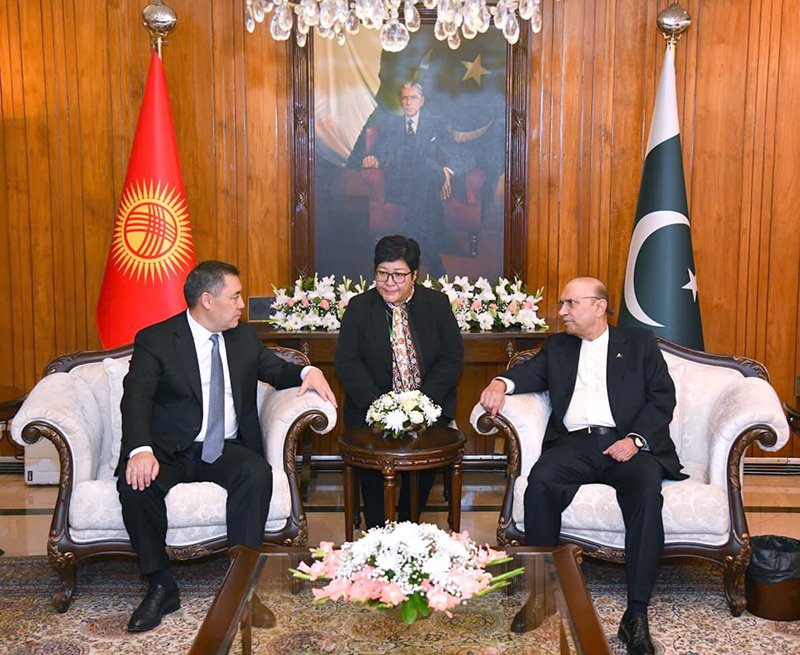
President Zardari Embarks On Historic Four-Day Visit To Kyrgyz Republic

ISLAMABAD — President Asif Ali Zardari commenced a four-day official visit to the Kyrgyz Republic on July 6, 2026, marking the first visit by a Pakistani president to the Central Asian nation in over two decades. The visit, which runs until July 9, is at the invitation of Kyrgyz President Sadyr Zhaparov and is aimed at strengthening bilateral ties. What Happened President Zardari’s visit represents a significant moment in Pakistan-Kyrgyzstan relations, being the first presidential visit in 21 years. The trip follows Kyrgyz President Sadyr Zhaparov’s visit to Pakistan in December 2025, highlighting a renewed commitment to enhancing diplomatic engagement between the two countries. According to a press release from the President House, the visit underscores the upward trajectory of high-level interactions. During his stay, President Zardari is scheduled to engage in a one-on-one meeting with President Zhaparov, followed by delegation-level talks. These discussions are expected to cover a wide range of topics, including trade, investment, energy, mining, agriculture, textiles, the halal industry, healthcare, pharmaceuticals, the digital economy, education, tourism, and people-to-people exchanges. In addition to these talks, President Zardari will also meet with the Speaker of the Kyrgyz Parliament for a courtesy call. This visit is seen as an opportunity to further solidify the warm and fraternal relations that Pakistan and Kyrgyzstan share, rooted in common history, faith, culture, and aspirations for regional peace and prosperity. Background Pakistan and Kyrgyzstan have enjoyed longstanding diplomatic relations since the latter’s independence following the dissolution of the Soviet Union in 1991. The two countries have cooperated on various fronts, including trade, cultural exchanges, and regional security. The last visit by a Pakistani president to Kyrgyzstan was in 2005, underscoring the significance of the current visit in revitalizing bilateral ties. Historically, both nations have been part of various regional initiatives aimed at enhancing connectivity and cooperation in Central and South Asia. These include the Shanghai Cooperation Organization (SCO) and the Economic Cooperation Organization (ECO), which provide platforms for dialogue and collaboration on economic and security issues. Why It Matters The visit holds substantial significance for both Pakistan and Kyrgyzstan, as it aims to deepen bilateral cooperation in various sectors. For Pakistan, strengthening ties with Central Asian countries like Kyrgyzstan is crucial for expanding its economic and strategic footprint in the region. Enhanced cooperation in trade and investment could open new markets for Pakistani goods and services, while collaboration in energy and mining could help address Pakistan’s energy needs. For Kyrgyzstan, bolstering relations with Pakistan offers opportunities to diversify its economic partnerships and enhance regional connectivity. The discussions on agriculture, textiles, and the halal industry could lead to increased trade and investment, benefiting both economies. Additionally, the focus on education and tourism could foster greater cultural and people-to-people exchanges, further cementing the relationship between the two nations. On a broader scale, the visit is a reflection of the evolving geopolitical dynamics in Central and South Asia. As regional powers seek to enhance connectivity and cooperation, Pakistan’s engagement with Kyrgyzstan could contribute to greater regional stability and economic integration. Key Takeaways President Zardari’s visit marks the first by a Pakistani president to Kyrgyzstan in 21 years. The visit aims to enhance bilateral cooperation in trade, investment, and various other sectors. Discussions will cover regional and international developments of mutual interest. The visit underscores the importance of Pakistan’s engagement with Central Asian countries. Strengthening ties with Kyrgyzstan could have significant economic and strategic benefits for Pakistan. Source Attribution This article is based on official government statements, press releases, and public communications from relevant authorities. Author: NEN Editorial Desk | Editor: NEN Newsroom | Fact Checked By: NEN Editorial Team Author: NEN Editorial Desk  |  Editor: NEN Newsroom  |  Last Updated: July 06, 2026  |  Source: Press Release from Government of Pakistan This article was produced by the NEN Editorial Desk in accordance with NEN Agency’s Editorial Policy and Fact-Checking Policy.
World

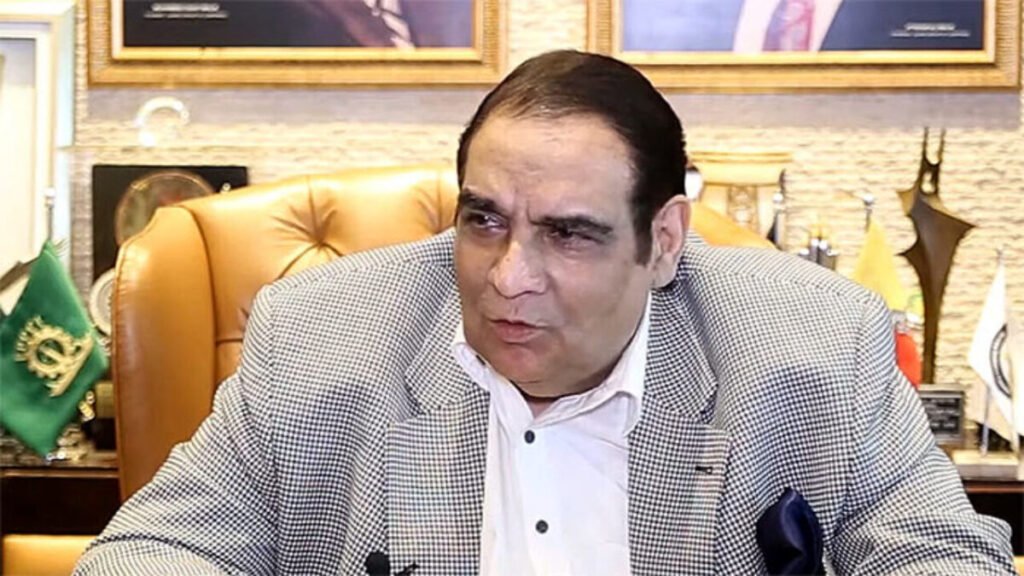
Iftikhar Ali Malik Congratulates US on 250th Independence Anniversary

ISLAMABAD — Iftikhar Ali Malik, former president of the SAARC Chamber of Commerce and Industry and founder of the US-Pakistan Joint Business Council, extended his congratulations to the United States on its 250th Independence Anniversary. On Monday, Malik expressed his warm regards to the American government and its people, marking a significant milestone in the history of the United States. What Happened In a statement released on Monday, Iftikhar Ali Malik conveyed his heartfelt congratulations to the United States as it celebrated its 250th Independence Anniversary. Malik, a prominent figure in fostering economic ties between Pakistan and the United States, emphasized the longstanding relationship between the two nations. He remarked on the shared values of democracy and freedom that have been the cornerstone of the bilateral relations between Pakistan and the United States. Malik highlighted the importance of this historic occasion, noting that the United States has been a beacon of hope and democracy for many around the world. “The United States has played a pivotal role in promoting peace and prosperity globally, and its 250 years of independence is a testament to its enduring commitment to these principles,” he stated. He further added that the US-Pakistan Joint Business Council, which he founded, has been instrumental in strengthening economic ties and fostering mutual understanding between the business communities of both countries. Malik expressed optimism that the relationship between Pakistan and the United States would continue to grow stronger in the coming years. Background The United States declared its independence on July 4, 1776, making 2026 its 250th anniversary. Over the centuries, the United States has evolved into one of the world’s leading economic and political powers. The relationship between Pakistan and the United States has seen various phases, from strategic alliances during the Cold War to cooperation in the fight against terrorism in recent decades. Iftikhar Ali Malik has been a key figure in promoting trade and economic relations between Pakistan and the United States. As a former president of the SAARC Chamber of Commerce and Industry, he has played a significant role in regional economic integration and cooperation. The US-Pakistan Joint Business Council, under his leadership, has facilitated numerous business exchanges and collaborations, enhancing the economic partnership between the two countries. Why It Matters The felicitation from Iftikhar Ali Malik underscores the importance of the US-Pakistan relationship, particularly in the context of economic and strategic cooperation. The United States has been one of Pakistan’s largest trading partners, with bilateral trade amounting to billions of dollars annually. This relationship is crucial for Pakistan’s economic growth and stability, providing access to one of the largest markets in the world. Moreover, the United States has been a significant source of foreign aid and investment for Pakistan, contributing to various sectors including education, health, and infrastructure. The partnership has also been vital in addressing regional security challenges, with both countries collaborating on counter-terrorism efforts and promoting regional peace. The 250th Independence Anniversary of the United States serves as a reminder of the shared democratic values and mutual interests that bind the two nations. As global dynamics continue to evolve, maintaining strong bilateral relations with the United States remains a strategic priority for Pakistan. The congratulatory message from Malik reflects a commitment to furthering these ties and exploring new avenues of cooperation. Key Takeaways Iftikhar Ali Malik congratulated the United States on its 250th Independence Anniversary. Malik emphasized the strong economic and strategic ties between Pakistan and the United States. The US-Pakistan Joint Business Council plays a crucial role in fostering bilateral trade relations. The United States is one of Pakistan’s largest trading partners and a key source of foreign aid. Maintaining strong US-Pakistan relations is vital for regional security and economic growth. Source Attribution This article is based on official statements and public communications from relevant authorities. Author: NEN Editorial Desk | Editor: NEN Newsroom | Fact Checked By: NEN Editorial Team Author: NEN Editorial Desk  |  Editor: NEN Newsroom  |  Last Updated: July 06, 2026  |  Source: NEN Reporter This article was produced by the NEN Editorial Desk in accordance with NEN Agency’s Editorial Policy and Fact-Checking Policy.
World

CTI Anticipates Major Export Deals at International Carpet Expo

LAHORE — The Carpet Training Institute (CTI) is poised to secure export deals worth millions of dollars during an upcoming international carpet exhibition in Pakistan. CTI Chairperson Ijaz-ur-Rehman announced on Sunday that the event will not only bolster the carpet industry but also showcase the craftsmanship of local artisans to a global audience. What Happened The international carpet exhibition, set to be held in Lahore, is expected to attract buyers and traders from around the world, offering a platform for Pakistani carpet manufacturers to display their products. According to CTI Chairperson Ijaz-ur-Rehman, the event will facilitate the signing of export agreements that could significantly enhance the country’s carpet export market. “We are optimistic that this exhibition will result in deals worth millions of dollars, which will be a substantial boost for our industry,” Rehman stated. The exhibition aims to highlight the unique skills and techniques of Pakistani craftsmen, whose work is renowned for its intricate designs and high quality. By engaging with international buyers, the event seeks to open new markets for Pakistani carpets, which have traditionally been a significant export product for the country. Rehman emphasized the importance of such events in promoting local talent and increasing the visibility of Pakistani products on the international stage. He noted that the exhibition would serve as a critical opportunity for local manufacturers to establish connections with global buyers, potentially leading to long-term business relationships. Background Pakistan has a long history of carpet weaving, with its products being highly valued for their craftsmanship and quality. The industry has been a vital part of the country’s economy, providing employment to thousands of artisans and contributing significantly to export revenues. However, in recent years, the industry has faced challenges, including competition from other countries and a lack of modern marketing strategies. In response, initiatives like the international carpet exhibition have been organized to revitalize the sector. These events aim to provide a platform for local manufacturers to showcase their work and attract international buyers, thereby increasing export opportunities and supporting the industry’s growth. Why It Matters The international carpet exhibition is crucial for several reasons. Economically, it represents a significant opportunity for Pakistan to increase its export revenues. The potential deals resulting from the exhibition could inject much-needed foreign exchange into the economy, supporting the country’s balance of payments. Socially, the event highlights the skills and talents of Pakistani artisans, providing them with a platform to gain international recognition. This not only boosts the morale of local craftsmen but also encourages the preservation of traditional weaving techniques that are part of Pakistan’s cultural heritage. Politically, successful international trade events can enhance Pakistan’s image as a viable trading partner, fostering better diplomatic relations with participating countries. By demonstrating the ability to host large-scale international events, Pakistan can improve its standing in the global community. Furthermore, the exhibition aligns with the government’s broader economic goals of increasing exports and diversifying the country’s trade portfolio. By focusing on sectors like the carpet industry, Pakistan can reduce its reliance on traditional exports and explore new markets. Key Takeaways The international carpet exhibition in Lahore is expected to result in export deals worth millions of dollars. The event will showcase the skills of Pakistani artisans to a global audience. The carpet industry is a significant contributor to Pakistan’s economy and employment. The exhibition aligns with national goals of increasing exports and diversifying trade. Successful trade events can enhance Pakistan’s international image and diplomatic relations. Source Attribution This article is based on official statements and public communications from the Carpet Training Institute and relevant authorities. Author: NEN Editorial Desk | Editor: NEN Newsroom | Fact Checked By: NEN Editorial Team Author: NEN Editorial Desk  |  Editor: NEN Newsroom  |  Last Updated: July 06, 2026  |  Source: NEN Reporter This article was produced by the NEN Editorial Desk in accordance with NEN Agency’s Editorial Policy and Fact-Checking Policy.

World

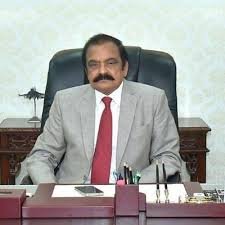
Government Advances Rural Development with Key Infrastructure Projects

FAISALABAD — The Adviser to the Prime Minister on Political and Public Affairs, Senator Rana Sanaullah Khan, announced on Sunday that the government is accelerating efforts to enhance public welfare and rural development through significant infrastructure projects. These initiatives include improvements in gas supply, road infrastructure, and healthcare services, aiming to provide essential civic amenities across the country. What Happened During a recent address in Faisalabad, Senator Rana Sanaullah Khan detailed the government’s commitment to implementing its agenda focused on public welfare and rural development. He highlighted that the administration is actively pursuing large-scale projects designed to improve the quality of life for citizens, particularly in rural areas. These projects encompass a range of sectors, including gas supply, road infrastructure, and healthcare, with the goal of ensuring that essential services reach underserved communities. Senator Sanaullah emphasized the importance of these projects in promoting economic growth and improving living standards. He stated, “The government is dedicated to providing the necessary infrastructure to support the development of rural areas, which will, in turn, contribute to the overall prosperity of the nation.” The adviser also mentioned that these projects are part of a broader strategy to address the needs of the population and reduce the urban-rural divide. The focus on infrastructure development is seen as a crucial step in enhancing connectivity and accessibility, which are vital for economic activities and social integration. By improving road networks, the government aims to facilitate better transportation of goods and services, thereby boosting local economies and creating job opportunities. Background Pakistan has historically faced challenges in providing adequate infrastructure and services to its rural population. The disparity between urban and rural areas in terms of access to basic amenities has been a persistent issue. Previous governments have initiated various programs to address these challenges, but progress has often been slow due to financial constraints and administrative hurdles. In recent years, the government has prioritized infrastructure development as a means to stimulate economic growth and improve living conditions. This approach aligns with international development goals, which emphasize the importance of infrastructure in achieving sustainable development and poverty reduction. Why It Matters The government’s focus on infrastructure projects is significant for several reasons. Economically, improved infrastructure can lead to increased productivity and competitiveness by reducing transportation costs and facilitating trade. This is particularly important for rural areas, where agricultural activities are a primary source of income. Socially, better infrastructure can enhance access to education and healthcare, leading to improved health outcomes and educational attainment. This, in turn, can contribute to poverty alleviation and social mobility, helping to bridge the gap between urban and rural communities. Politically, the successful implementation of these projects can strengthen the government’s credibility and public support. By delivering on promises to improve living standards, the administration can build trust with constituents and demonstrate its commitment to addressing their needs. Internationally, Pakistan’s efforts to develop its infrastructure align with global trends and commitments to sustainable development. By investing in infrastructure, the country can position itself as a more attractive destination for foreign investment and enhance its role in regional economic integration. Key Takeaways The government is prioritizing large-scale infrastructure projects to enhance public welfare and rural development. Projects focus on improving gas supply, road infrastructure, and healthcare services. Infrastructure development is expected to boost economic growth and reduce the urban-rural divide. Improved infrastructure can lead to better access to education and healthcare, contributing to poverty alleviation. Successful implementation of these projects can enhance the government’s credibility and public support. Source Attribution This article is based on official government statements and public communications from relevant authorities. Author: NEN Editorial Desk | Editor: NEN Newsroom | Fact Checked By: NEN Editorial Team Author: NEN Editorial Desk  |  Editor: NEN Newsroom  |  Last Updated: July 05, 2026  |  Source: NEN Reporter This article was produced by the NEN Editorial Desk in accordance with NEN Agency’s Editorial Policy and Fact-Checking Policy.
World

ICCI Hosts Session on Public-Private Partnerships for Investment Opportunities

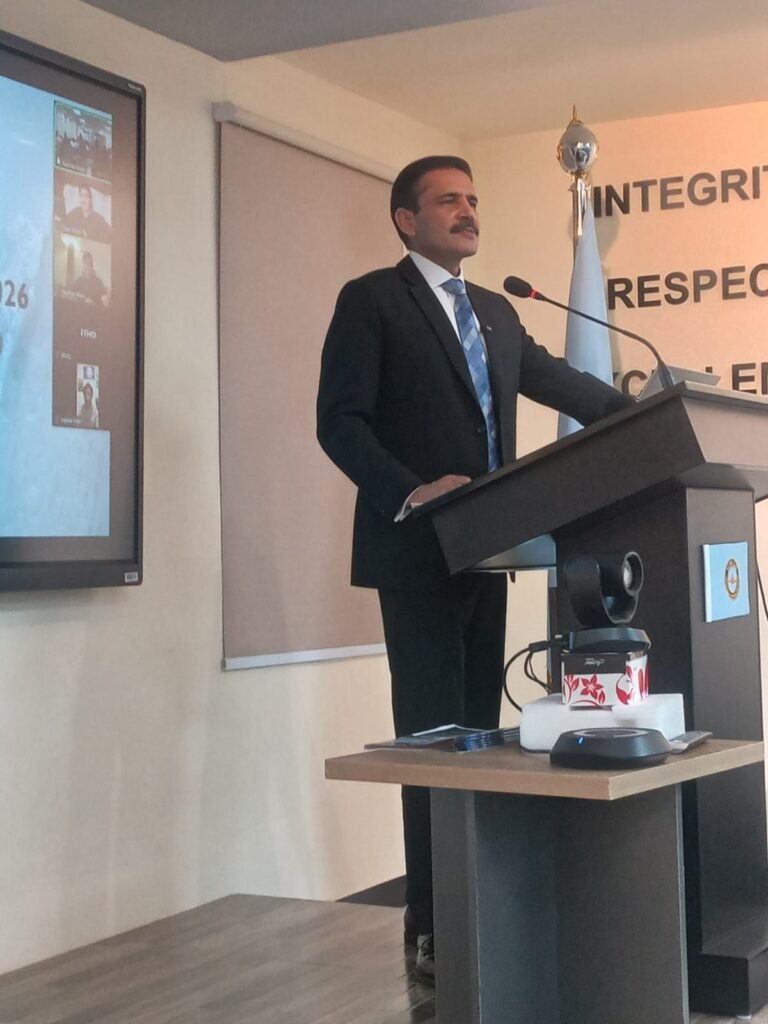
ISLAMABAD — The Islamabad Chamber of Commerce and Industry (ICCI) recently hosted a session in collaboration with the Public-Private Partnership Authority (P3A) to explore new investment avenues through public-private partnerships. The event, held on July 4, was part of the ICCI’s Sister Cities Initiative and aimed to discuss strategies for fostering economic growth and infrastructure development in Pakistan. What Happened During the session, ICCI President Sardar Tahir Mehmood emphasized the importance of public-private partnerships (PPPs) as a globally recognized tool for accelerating economic growth and achieving sustainable investment. He highlighted the need for substantial investment in key sectors such as transport, energy, and urban development to drive Pakistan’s economic progress. Mehmood stated, “Public-private partnerships have proven to be effective in leveraging private sector expertise and resources for public infrastructure projects. Pakistan must capitalize on this model to meet its developmental needs.” The session brought together industry leaders, government officials, and potential investors to discuss the opportunities and challenges associated with PPPs in Pakistan. The P3A, a government body responsible for facilitating and regulating PPP projects, presented its framework and recent initiatives aimed at encouraging private sector participation in public projects. The authority outlined potential projects in sectors like transportation, energy, and urban infrastructure that could benefit from PPP arrangements. Participants engaged in discussions on the regulatory environment, risk-sharing mechanisms, and financial models that could enhance the attractiveness of PPP projects for investors. The session also provided a platform for networking and knowledge exchange among stakeholders interested in contributing to Pakistan’s development through innovative investment models. Background Public-private partnerships have gained prominence globally as a means to address infrastructure deficits and improve public services. In Pakistan, the concept has been gradually gaining traction, with the government recognizing the potential of PPPs to mobilize private investment and expertise for national development goals. The Public-Private Partnership Authority was established to create a conducive environment for PPPs by providing policy guidelines, facilitating project development, and ensuring transparent procurement processes. The authority aims to attract both domestic and international investors by offering a structured framework for collaboration between the public and private sectors. Historically, Pakistan has faced challenges in infrastructure development due to limited public funding and bureaucratic hurdles. PPPs offer a viable solution by sharing risks and responsibilities between the government and private entities, thereby accelerating project implementation and enhancing service delivery. Why It Matters The significance of this session lies in its potential to unlock new investment opportunities and drive economic growth in Pakistan. By promoting public-private partnerships, the country can address its infrastructure gaps and improve essential services such as transportation, energy, and urban development. Economically, successful PPP projects can stimulate job creation, enhance productivity, and boost GDP growth. They also provide a mechanism for attracting foreign direct investment, which is crucial for Pakistan’s economic stability and development. The involvement of international investors can bring in advanced technologies and management practices, further enhancing the quality and efficiency of public services. Socially, improved infrastructure can lead to better living standards for citizens by providing access to reliable transportation, energy, and urban amenities. It can also contribute to poverty alleviation by creating employment opportunities and fostering regional development. Politically, the government’s commitment to facilitating PPPs demonstrates its proactive approach to addressing developmental challenges and engaging with the private sector. This can enhance public confidence in government initiatives and strengthen Pakistan’s position as an attractive destination for investment. Key Takeaways The ICCI hosted a session with P3A to explore public-private partnerships for investment in Pakistan. ICCI President Sardar Tahir Mehmood emphasized the role of PPPs in economic growth and infrastructure development. The session discussed regulatory frameworks, risk-sharing mechanisms, and financial models for PPP projects. Public-private partnerships can address infrastructure deficits and improve public services in Pakistan. Successful PPPs can attract foreign investment, create jobs, and enhance living standards. Source Attribution This article is based on official government statements, press releases, and public communications from relevant authorities. Author: NEN Editorial Desk | Editor: NEN Newsroom | Fact Checked By: NEN Editorial Team Author: NEN Editorial Desk  |  Editor: NEN Newsroom  |  Last Updated: July 05, 2026  |  Source: NEN Reporter This article was produced by the NEN Editorial Desk in accordance with NEN Agency’s Editorial Policy and Fact-Checking Policy.
World

Gillani Denounces July 5, 1977, as a Dark Day in Pakistan’s History

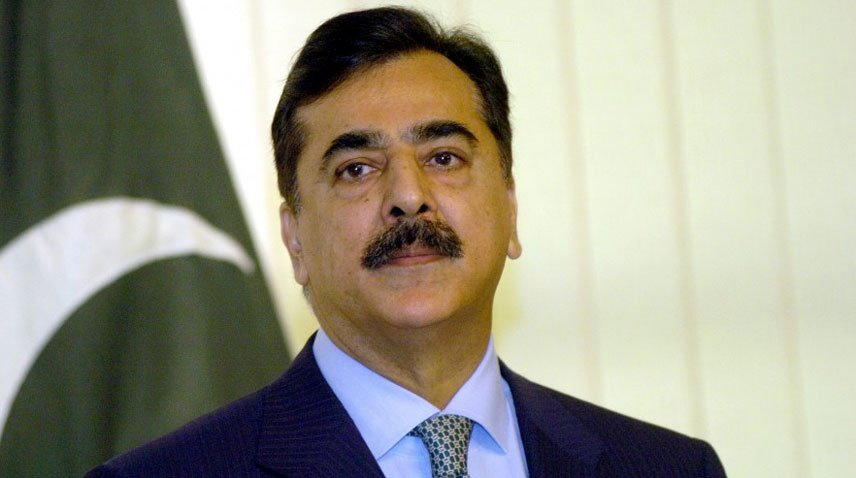
ISLAMABAD — Chairman Senate Yousaf Raza Gillani on Sunday described July 5, 1977, as a “Dark Day” in Pakistan’s democratic history, marking the unlawful overthrow of the constitutional government led by Zulfikar Ali Bhutto, the country’s first elected prime minister. What Happened On July 5, 1977, Pakistan witnessed a significant political upheaval when the democratically elected government of Prime Minister Zulfikar Ali Bhutto was toppled by a military coup led by General Muhammad Zia-ul-Haq. This event marked the beginning of an eleven-year military regime, which drastically altered the nation’s political landscape. Chairman Senate Yousaf Raza Gillani, in a statement released on the anniversary of the coup, emphasized the detrimental impact this event had on Pakistan’s democratic institutions. Gillani stated, “July 5, 1977, is remembered as a dark chapter in our history when the will of the people was subverted by dictatorial forces.” He further highlighted that the coup not only disrupted the democratic process but also set a precedent for future military interventions in the country’s governance. The overthrow of Bhutto’s government led to his arrest, trial, and eventual execution in 1979, a move that was widely condemned both domestically and internationally. The coup d’état was justified by General Zia on the grounds of alleged electoral fraud and political unrest. However, critics argue that it was a power grab that disregarded the democratic mandate given to Bhutto’s Pakistan People’s Party (PPP) in the 1977 general elections. The subsequent military rule saw the suspension of the constitution, imposition of martial law, and significant curtailment of civil liberties. Background The political turmoil leading up to the coup was marked by widespread protests and allegations of electoral malpractice during the 1977 elections. The opposition, under the banner of the Pakistan National Alliance (PNA), accused Bhutto’s government of rigging the elections, leading to a nationwide movement demanding his resignation. Despite attempts at negotiation, the political deadlock persisted, providing an opportunity for the military to intervene. Zulfikar Ali Bhutto, who had been a prominent political figure since the 1960s, became Pakistan’s prime minister in 1973. His tenure was noted for significant reforms, including the nationalization of key industries and the introduction of a new constitution in 1973, which aimed to strengthen parliamentary democracy. However, his authoritarian style and controversial policies also drew criticism and opposition. Why It Matters The events of July 5, 1977, have had a lasting impact on Pakistan’s political trajectory. The military coup not only disrupted the democratic process but also entrenched the military’s role in politics, a dynamic that continues to influence the country’s governance. The period of military rule under Zia-ul-Haq saw the introduction of policies that significantly altered Pakistan’s social and political fabric, including the Islamization of laws and institutions. The legacy of the coup is evident in the recurring tensions between civilian governments and the military, with several subsequent administrations facing similar challenges. The political instability and repeated military interventions have hindered Pakistan’s democratic development and contributed to a cycle of political unrest and economic challenges. For the citizens of Pakistan, the coup represents a pivotal moment that underscores the fragility of democratic institutions in the face of authoritarianism. The anniversary serves as a reminder of the importance of safeguarding democratic processes and the rule of law to ensure political stability and progress. Key Takeaways July 5, 1977, marks the military coup that overthrew Prime Minister Zulfikar Ali Bhutto’s government. Chairman Senate Yousaf Raza Gillani denounced the coup as a “Dark Day” in Pakistan’s history. The coup led to an eleven-year military regime under General Zia-ul-Haq. The event has had a lasting impact on Pakistan’s political landscape and democratic institutions. The anniversary highlights the need to protect democratic processes and the rule of law. Source Attribution This article is based on official government statements, press releases, and public communications from relevant authorities. Author: NEN Editorial Desk | Editor: NEN Newsroom | Fact Checked By: NEN Editorial Team Author: NEN Editorial Desk  |  Editor: NEN Newsroom  |  Last Updated: July 05, 2026  |  Source: Press Release from Government of Pakistan This article was produced by the NEN Editorial Desk in accordance with NEN Agency’s Editorial Policy and Fact-Checking Policy.
World

Ahsan Iqbal Appeals to Overseas Pakistanis for Economic and Healthcare Collaboration

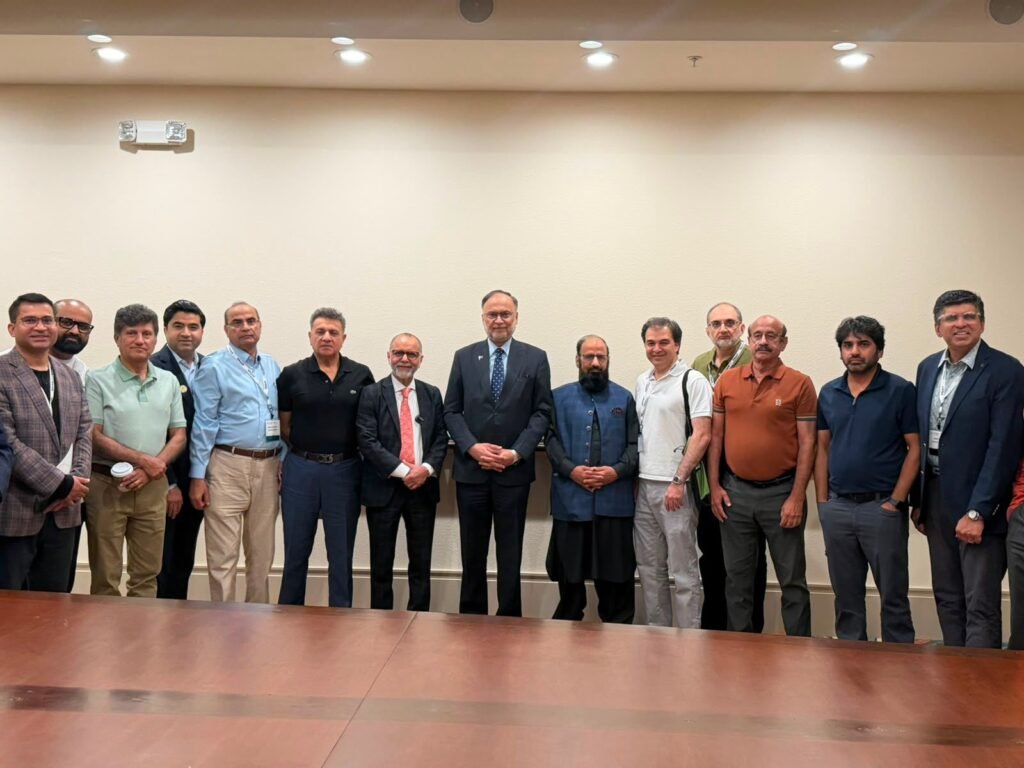
ORLANDO, Florida — Federal Minister for Planning, Development and Special Initiatives, Professor Ahsan Iqbal, has called on overseas Pakistanis to engage actively in Pakistan’s economic and healthcare sectors. Speaking at the 49th Annual Convention of the Association of Physicians of Pakistani Descent of North America (APPNA) on July 5, Iqbal emphasized the vital role of expatriates in the country’s sustainable development and modernization efforts. What Happened During his address in Orlando, Florida, Ahsan Iqbal urged overseas Pakistanis, particularly those in the healthcare sector, entrepreneurs, and investors, to become integral partners in Pakistan’s development journey. He highlighted the government’s URAAN Pakistan initiative, which aims to drive economic transformation and healthcare modernization. Iqbal stated, “The involvement of overseas Pakistanis is crucial to achieving our development goals. We need your expertise, investment, and commitment to transform our healthcare and economic sectors.” The minister underscored the potential of the Pakistani diaspora to contribute significantly to the nation’s progress. He invited healthcare professionals to collaborate with local institutions to enhance medical services and infrastructure. Furthermore, he encouraged entrepreneurs and investors to explore opportunities in Pakistan’s growing markets, which are ripe for innovation and development. Iqbal’s appeal comes at a time when Pakistan is seeking to bolster its economy through foreign investment and expertise, particularly in critical sectors such as healthcare. The URAAN Pakistan initiative is a comprehensive plan designed to foster sustainable growth and improve the quality of life for all citizens. Background Pakistan’s economy has faced numerous challenges in recent years, including fiscal deficits, inflation, and a need for structural reforms. The government has been actively seeking ways to attract foreign investment and expertise to stimulate growth and development. The URAAN Pakistan initiative represents a strategic effort to address these challenges by leveraging the skills and resources of overseas Pakistanis. Historically, the Pakistani diaspora has played a significant role in the country’s economy through remittances and investments. According to the State Bank of Pakistan, remittances from overseas Pakistanis reached a record high of $31 billion in the fiscal year 2020-2021, underscoring the community’s financial impact. In the healthcare sector, Pakistan has been working to improve access to quality medical services and infrastructure. The involvement of overseas healthcare professionals is seen as a critical component in achieving these goals, as they can bring advanced skills and knowledge to the local healthcare system. Why It Matters The involvement of overseas Pakistanis in the country’s development is crucial for several reasons. Economically, their investments can provide much-needed capital for infrastructure projects, startups, and other ventures that drive growth. This influx of capital can help stabilize the economy, create jobs, and improve living standards. Socially, the expertise of expatriate healthcare professionals can lead to significant improvements in the quality of medical care available in Pakistan. By collaborating with local institutions, these professionals can introduce new technologies, practices, and training programs that enhance healthcare delivery and outcomes. Politically, engaging the diaspora strengthens ties between Pakistan and its global community, fostering a sense of unity and shared purpose. This collaboration can also enhance Pakistan’s international standing, as it demonstrates a commitment to leveraging global resources for national development. Key Takeaways Federal Minister Ahsan Iqbal has called on overseas Pakistanis to support Pakistan’s economic and healthcare sectors. The URAAN Pakistan initiative aims to drive sustainable development and modernization. Overseas healthcare professionals and investors are encouraged to collaborate with local institutions. Remittances from the Pakistani diaspora reached $31 billion in the fiscal year 2020-2021. Engagement with the diaspora is seen as vital for economic stability and healthcare improvements. Source Attribution This article is based on official government statements and public communications from relevant authorities. Author: NEN Editorial Desk | Editor: NEN Newsroom | Fact Checked By: NEN Editorial Team Author: NEN Editorial Desk  |  Editor: NEN Newsroom  |  Last Updated: July 05, 2026  |  Source: NEN Reporter This article was produced by the NEN Editorial Desk in accordance with NEN Agency’s Editorial Policy and Fact-Checking Policy.

World

Pakistani Women in Adventure Sports Garner Global Recognition

RAWALPINDI — Pakistani women are making significant strides in mountaineering and adventure sports, earning international acclaim and enhancing the country’s global image, according to Major General Irfan Arshad Khan, President of the Alpine Club of Pakistan (ACP). Speaking at a recent event, Major General Khan highlighted the remarkable achievements of Pakistani women in these fields, which are contributing to a positive national identity on the world stage. What Happened Major General Irfan Arshad Khan, during an announcement in Rawalpindi, praised the accomplishments of Pakistani women in mountaineering and adventure sports. He emphasized that their efforts have not only brought individual accolades but have also elevated Pakistan’s standing internationally. The event underscored the increasing participation of women in these challenging fields, traditionally dominated by men. Major General Khan noted, “Pakistani women have proven their mettle by conquering some of the world’s highest peaks and participating in various international adventure sports competitions. Their achievements are a testament to their resilience and determination.” He also mentioned that these accomplishments are fostering a new perception of Pakistan globally, one that is associated with courage and capability. The Alpine Club of Pakistan has been instrumental in promoting adventure sports and mountaineering in the country. It provides training and support to aspiring athletes, encouraging more women to participate in these activities. The club’s initiatives have been pivotal in nurturing talent and providing a platform for Pakistani women to showcase their skills on an international level. Background Pakistan is home to some of the world’s most formidable mountain ranges, including the Karakoram and the Himalayas. Despite the challenging terrain, the country has produced several renowned mountaineers. Historically, mountaineering and adventure sports have been male-dominated fields in Pakistan. However, recent years have seen a significant increase in female participation, driven by changing societal norms and increased support from organizations like the Alpine Club of Pakistan. The ACP, established in 1974, has played a crucial role in promoting these sports and supporting athletes. It organizes training camps, expeditions, and competitions, providing a platform for both men and women to excel. The club’s efforts have been instrumental in changing perceptions and encouraging more women to pursue careers in adventure sports. Why It Matters The achievements of Pakistani women in mountaineering and adventure sports carry significant implications for the country. Economically, these accomplishments can boost tourism, as Pakistan’s mountains become more attractive to international climbers and adventure enthusiasts. The increased visibility of Pakistani athletes on the global stage can draw attention to the country’s natural beauty and potential as a tourist destination. Socially, the success of women in these fields challenges traditional gender roles and inspires other women to pursue their passions, regardless of societal expectations. It highlights the potential for women to excel in any field, given the right opportunities and support. This shift in perception can lead to broader societal changes, promoting gender equality and empowering women across various sectors. Politically, the international recognition of Pakistani women athletes enhances the country’s image, presenting Pakistan as a nation of talent and potential. This positive portrayal can influence diplomatic relations and foster goodwill, as countries recognize Pakistan’s contributions to global sports and culture. Key Takeaways Pakistani women are gaining international recognition in mountaineering and adventure sports. The Alpine Club of Pakistan plays a key role in promoting these sports and supporting athletes. The achievements of women in these fields are challenging traditional gender roles in Pakistan. Success in adventure sports can boost tourism and enhance Pakistan’s global image. These developments contribute to broader societal changes, promoting gender equality. Source Attribution The article is based on official statements and public communications from the Alpine Club of Pakistan. Author: NEN Editorial Desk | Editor: NEN Newsroom | Fact Checked By: NEN Editorial Team Author: NEN Editorial Desk  |  Editor: NEN Newsroom  |  Last Updated: July 05, 2026  |  Source: NEN Reporter This article was produced by the NEN Editorial Desk in accordance with NEN Agency’s Editorial Policy and Fact-Checking Policy.

Scroll to Top